



Overview
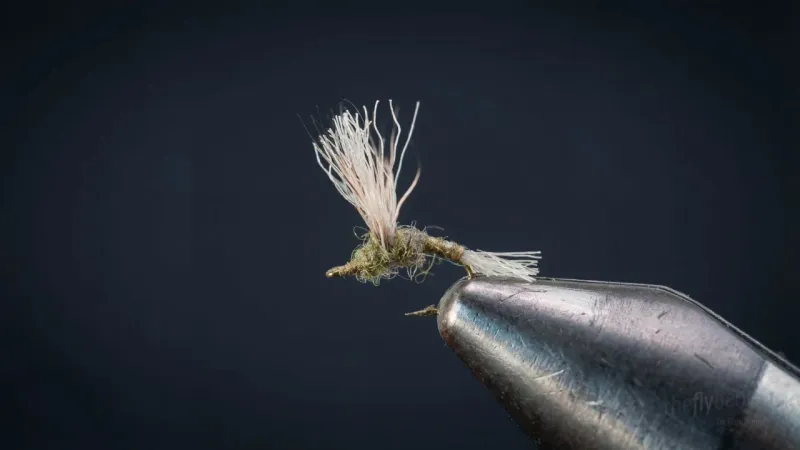
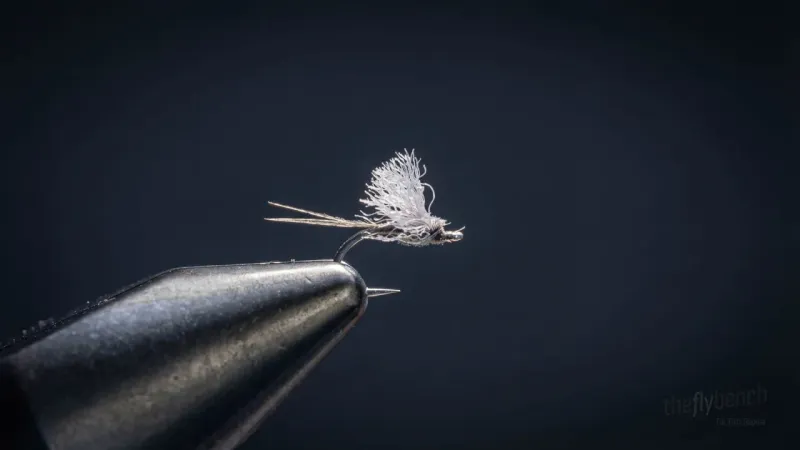
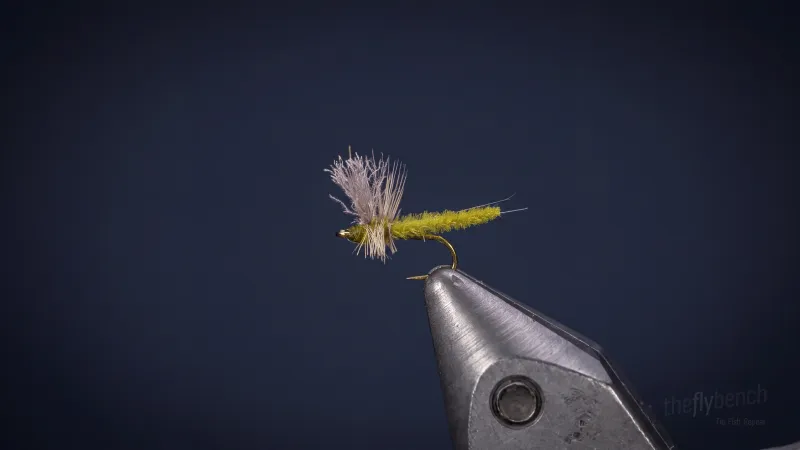
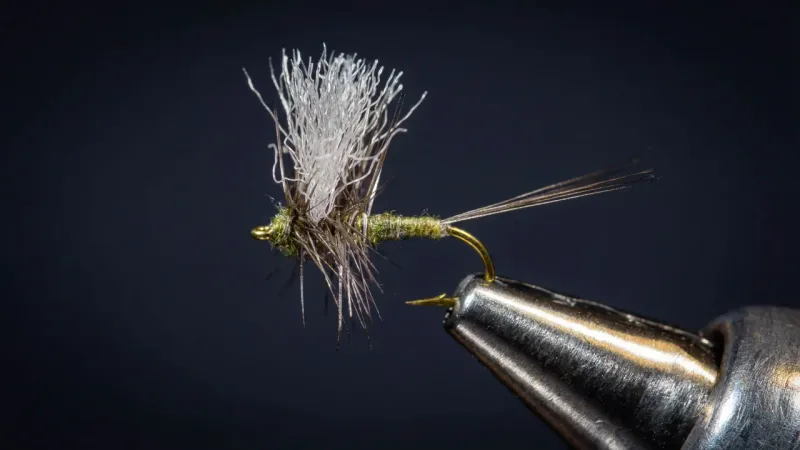
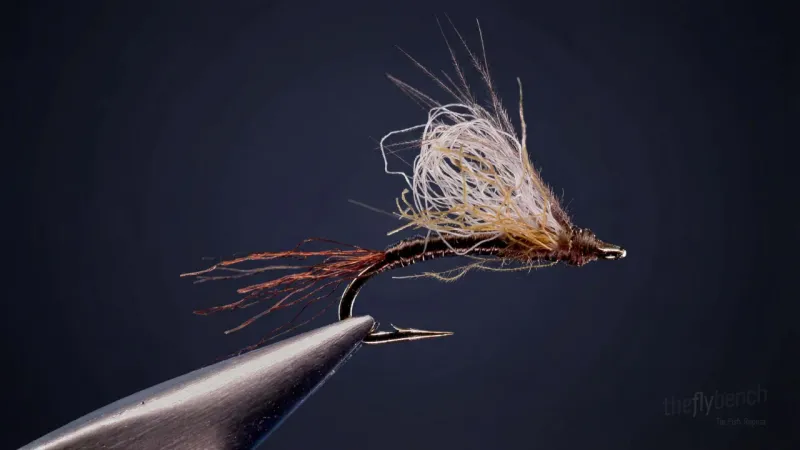
The Baetis Cripple Black Wing was developed for the challenging conditions often present during Baetis hatches. The black wing provides superior visibility for the angler during the overcast, drizzly weather that triggers the best BWO activity. This pattern excels on technical tailwaters and spring creeks where trout become highly selective during emergences.
Related patterns
Behavior & presentation
- Natural Behavior
- BWO cripples with darkened wings indicate failed emergence attempts, becoming trapped with wings adhered to surface tension. These individuals struggle persistently in localized areas where current concentrates them into narrow feeding lanes.
- Where Trout Eat It
- Selective tailwater trout target this low-riding pattern during BWO emergences when cold temperatures increase cripple incidence. Fish establish feeding stations beneath emergence zones where current concentrates cripples into narrow lanes requiring minimal movement.
- How to Fish It
- Dress only front half with floatant allowing fly to ride low in surface film with trailing shuck below. Requires perfect drag-free drift on 12-15 foot leaders with 6X-7X tippet—watch for subtle dimples indicating cripple-feeding.
- Best Water
- Designed for technical tailwaters with ultra-selective fish. Target slower pool sections and tail-outs where trout sip cripples with subtle dimpling rises—the black wing provides superior visibility during overcast, drizzly conditions.
- Strike Type
- Minute surface disturbances or leader twitch indicate delicate takes—maintain focus on your drift lane.
Fishing strategy
- Rigging Suggestions
- Fish on 12-15 foot leader with 6X-7X tippet. The small hook sizes require fine tippet and delicate presentation.
- Seasonal Timing
- (March-May) and fall (September-November) Baetis hatches. Peak performance on overcast, drizzly days when BWO activity is strongest.
- Pro Tips
- Rides low in the surface film with the shuck trailing below, creating a realistic emerger profile.
Entomology
BWO cripples with darkened wings indicate individuals that failed emergence attempts, becoming trapped with wings adhered to the surface tension. These insects continue struggling for minutes or even hours, creating persistent surface disturbance in localized areas, and trout establish feeding stations directly beneath known emergence zones where current concentrates cripples into narrow feeding lanes requiring minimal lateral movement to intercept.
- Order
- Ephemeroptera
- Family
- Baetidae
- Common name
- Blue-Winged Olive
- Organism
- insect
- Life stage
- adult
Pattern details
- Moving Water
- Worldwide
- dead-drift
- baetis-hatch
- low-clear-water
- tailwater
- freestone
- spring-creek
- flats