




Overview
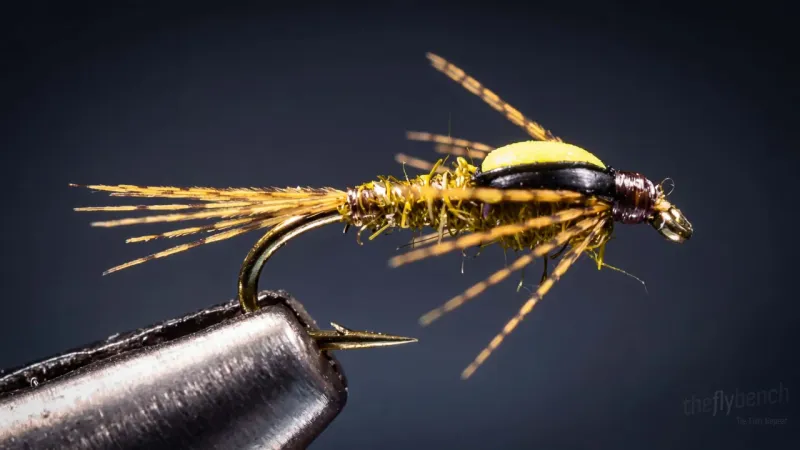
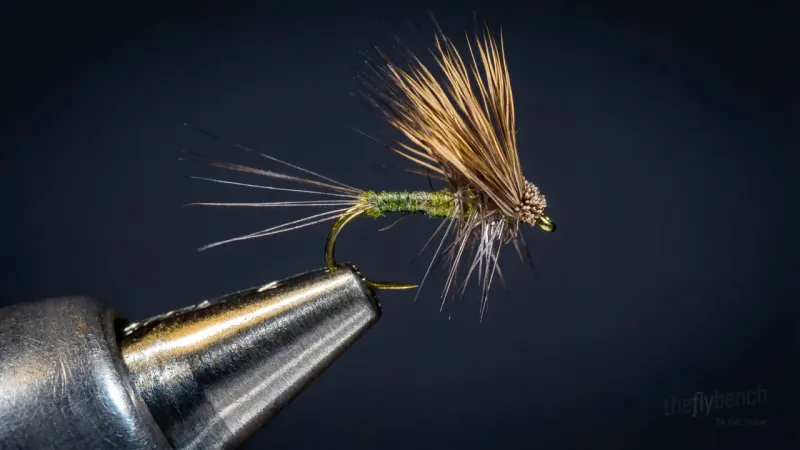
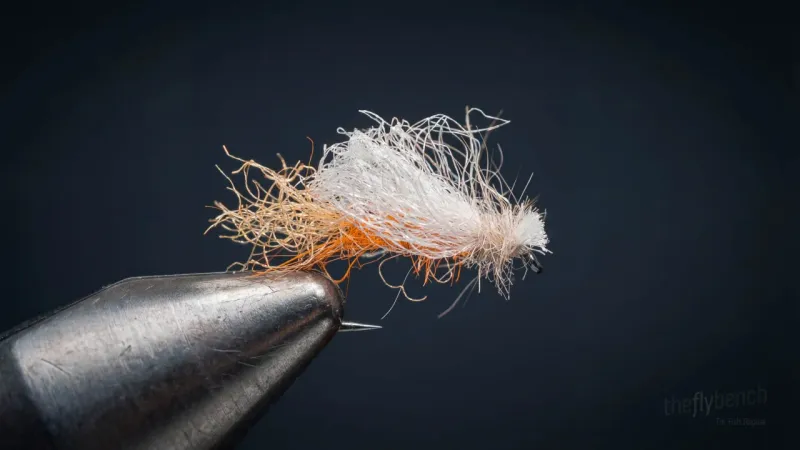
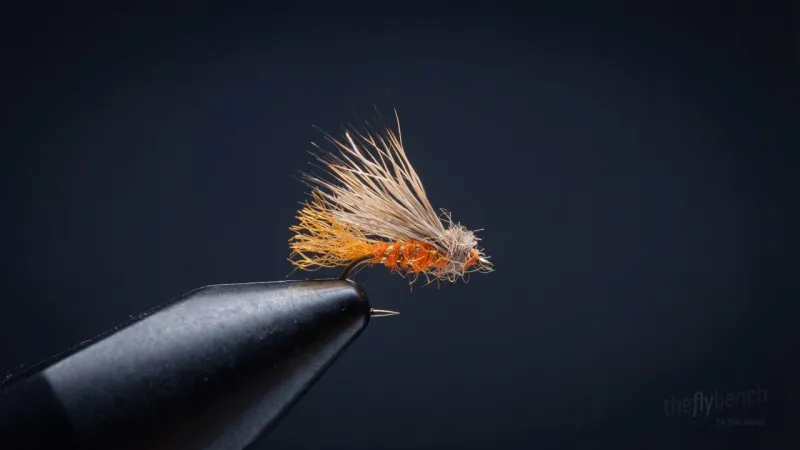
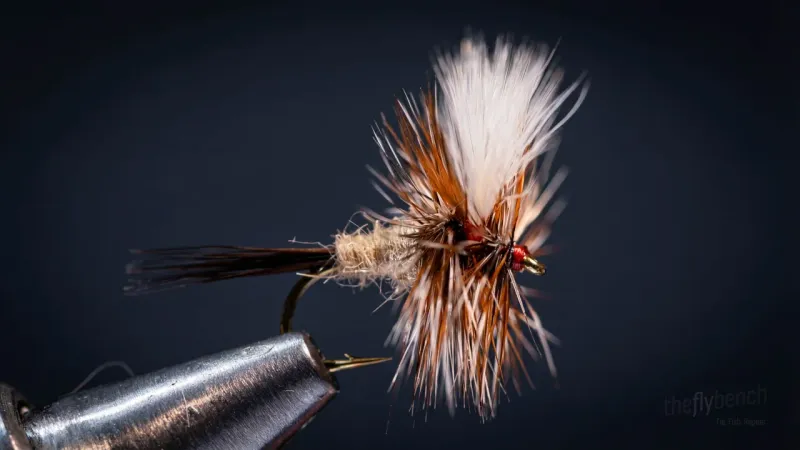
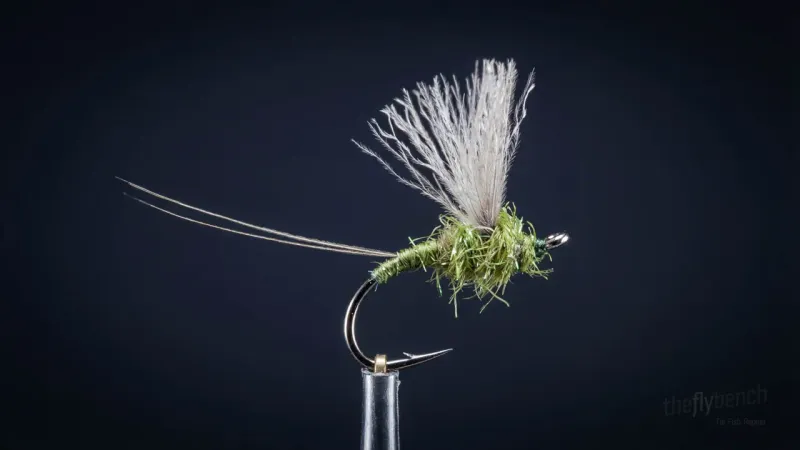
The Almost There Baetis was developed at Blue Ribbon Flies for demanding spring creek trout during Baetis hatches. The EP Trigger Point wing material creates a subtle, translucent wing profile that doesn't spook educated fish. A cream variation with pale yellow dubbing and PMD Trigger Point fibers matches Pale Morning Duns and light-colored Baetis.
Related patterns
Behavior & presentation
- Natural Behavior
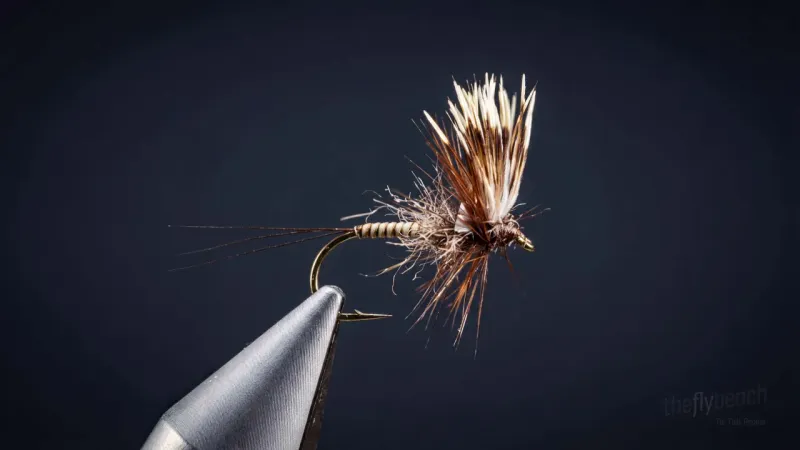
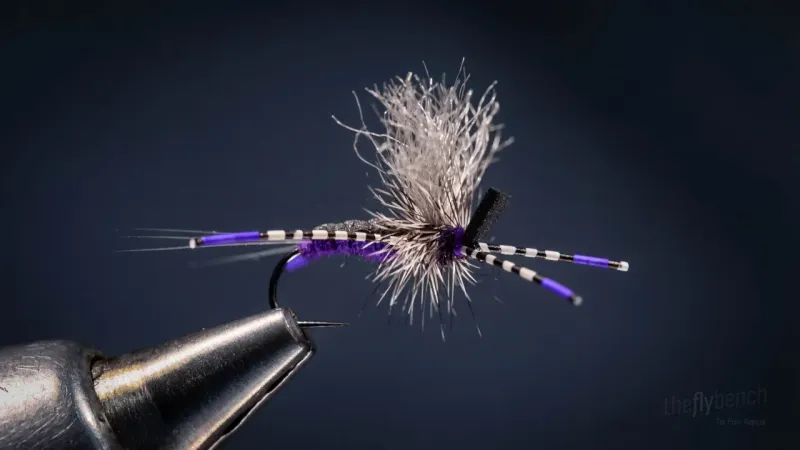
- BWO emergers break through the meniscus with wings partially unfurled while abdomen remains submerged. This half-emerged positioning persists as insects ride surface currents, concentrating in foam lines and back eddies.
- Where Trout Eat It
- Highly selective technical water trout target this subtle emerger in glassy flats where natural Baetis struggle in surface film. Fish key on the half-emerged profile during cold-weather emergences when prolonged surface time makes naturals vulnerable.
- How to Fish It
- Requires perfect drag-free drift on long 12-15 foot leaders with 6X-7X tippet. The translucent EP Trigger Point wing rides flush in film—requires careful attention to track fly during morning and evening activity on cool, overcast days.
- Best Water
- Designed specifically for technical tailwater flats with ultra-clear water and educated fish. Target smooth glides and slick runs where fish can inspect food thoroughly, plus calm back eddies.
- Strike Type
- Barely perceptible dimples mark trout intercepting flush-floating emergers—strike on instinct, not sight.
Fishing strategy
- Rigging Suggestions
- Fish on 12-15 foot leader with 6X-7X tippet. Long, light leaders are essential for the small sizes and wary fish this pattern targets.
- Seasonal Timing
- (March-May) and fall (September-November) Baetis hatches. The olive version shines during cooler, overcast days typical of BWO activity.
- Pro Tips
- Rides flush in the surface film with wing visible to angler. The subtle profile requires careful attention to track.
Where to fish it
Rivers anglers pair with this fly, with local shops that stock it.
River details and fly shops from River & Run, our sister site.
Entomology
Blue-winged olive emergers transition through the surface meniscus, breaking through with wings partially unfurled while abdominal segments remain submerged. This half-in, half-out positioning creates a distinctive silhouette that feeding trout specifically search for, and the insect's inability to fly immediately after emergence means individuals may ride surface currents for extended distances, concentrating in foam lines and back eddies where ambush predators stage.
- Order
- Ephemeroptera
- Family
- Baetidae
- Common name
- Blue-Winged Olive
- Organism
- insect
- Life stage
- adult
Pattern details
- Moving Water
- Rocky Mountain
- dead-drift
- baetis-hatch
- low-clear-water
- tailwater
- freestone
- spring-creek
- flats