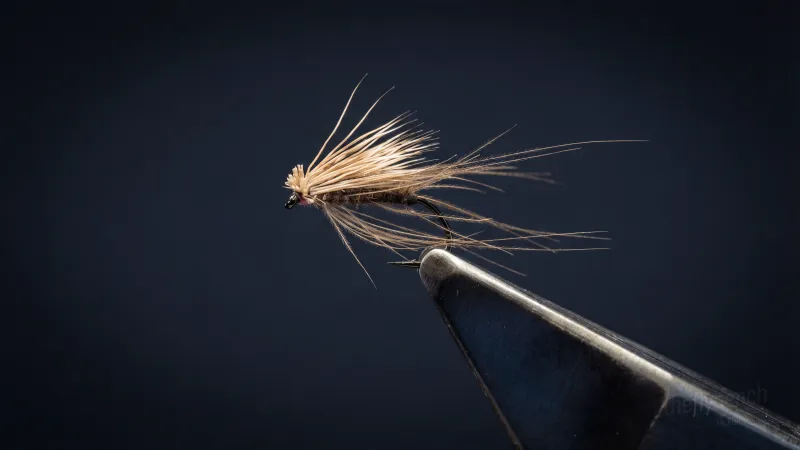
Dry FliesBloody Snail
The Bloody Snail is a dry fly pattern designed by Dennis Collier. This effective pattern combines traditional materials with proven techniques for consistent results in a variety of water conditions.
Spring, Summer, Fall
Beginner
Trout
Feb 2026
Overview
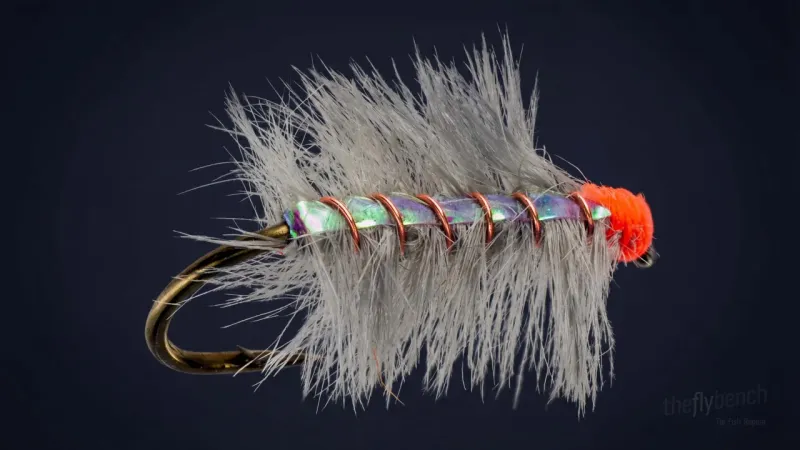
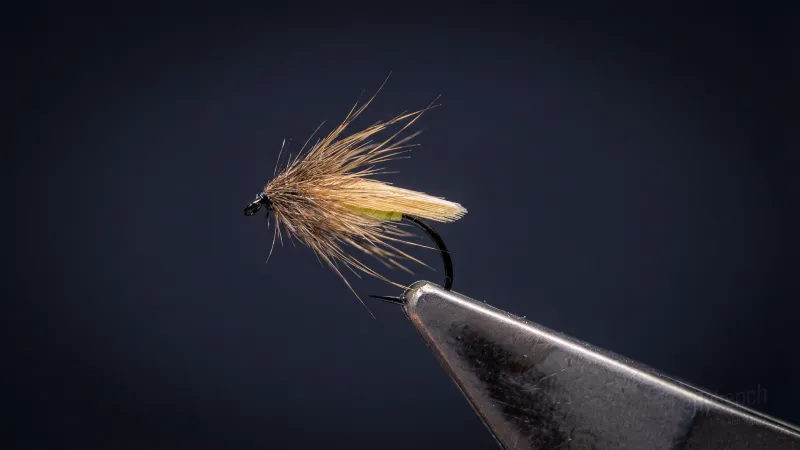
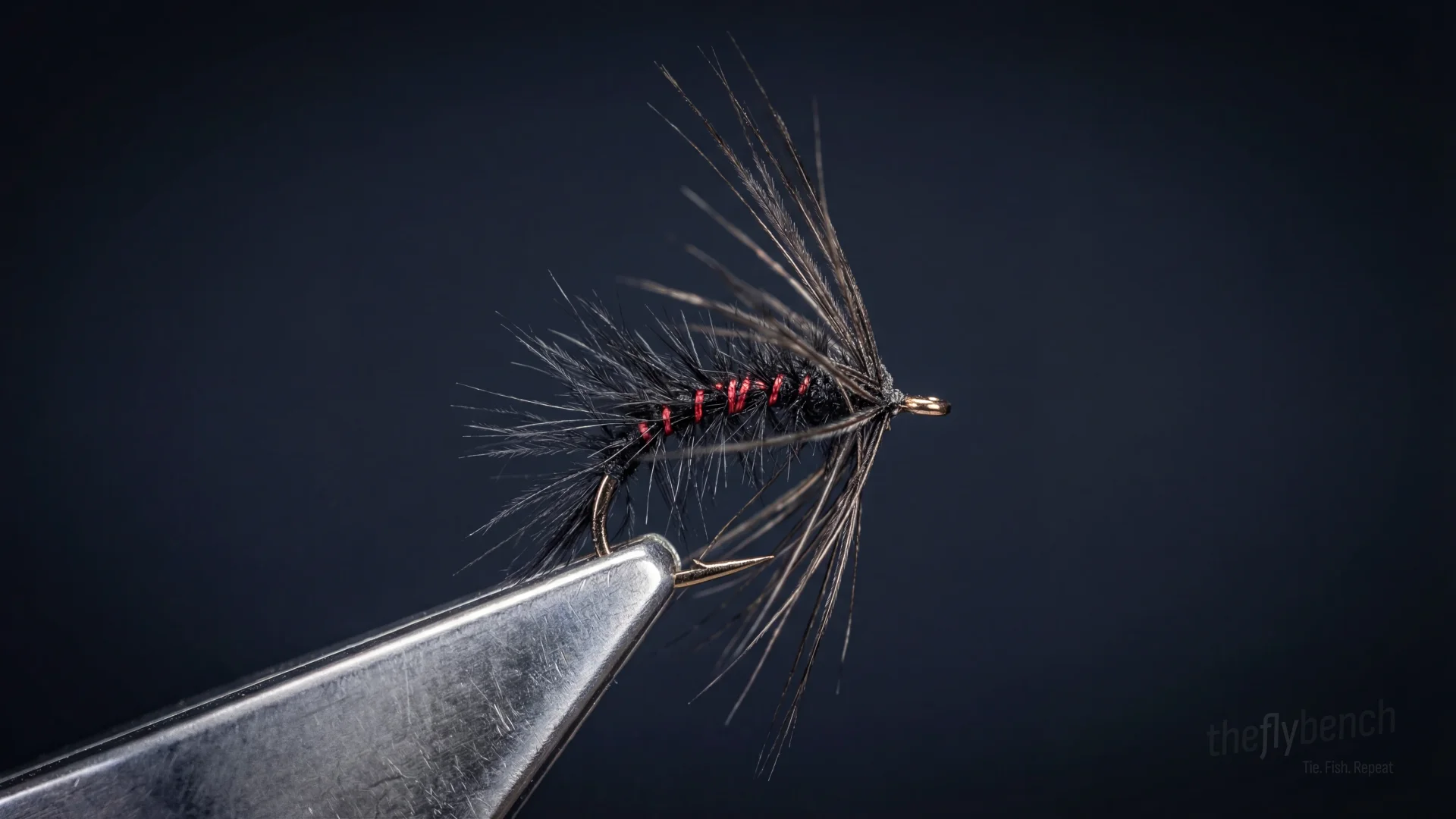
Dennis Collier designed this pattern specifically for stillwater trout feeding on freshwater snails. The foam or closed-cell body keeps it suspended in the surface film while the red accent suggests a vulnerable or damaged specimen. Snails become particularly important during periods between major hatches, and this pattern's slow, hanging presentation in shallow water triggers takes from cruising fish methodically searching for food.
Where to Buy This Fly
We only link to fly shops we trust. Some links are referral links, which may earn us a commission at no extra cost to you.
Materials
- Hook:
- Tiemco 102Y #15
- Thread:
- Benecchi 12/0, black
- Hackle:
- Starling
- Body:
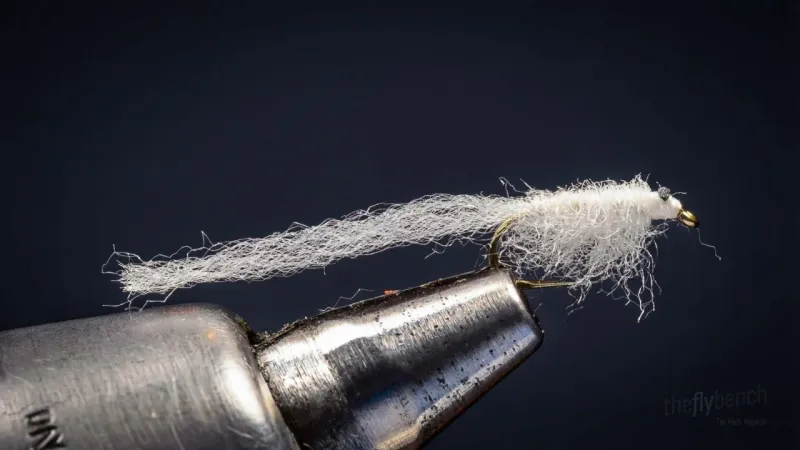
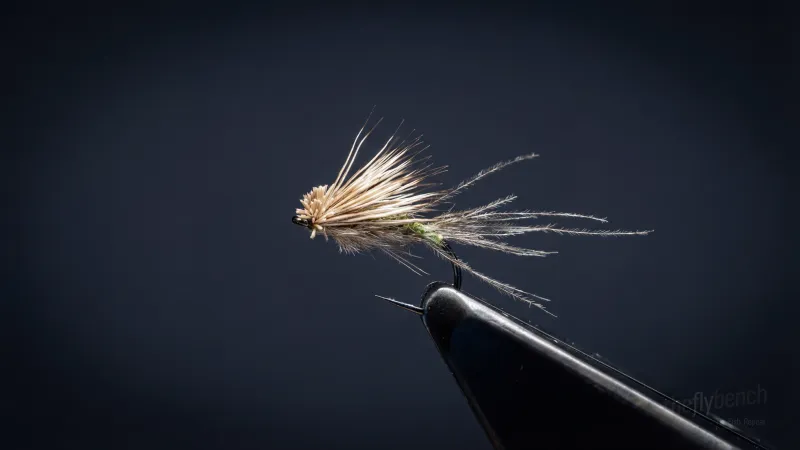
- Narrow red plastic ribbon taken from a tomato bag, and a single strand of ostrich herl, dyed black, twisted into cord
Behavior & Presentation
Natural Behavior: Freshwater snails lose their grip on vegetation and float upside-down suspended by mucus trails, or surface to replenish air stores. These exposed moments create vulnerability as protein-rich targets for cruising trout.
Where Trout Eat It: Fish cruise near surface in lakes and ponds during snail migrations, often along weed edges and drop-offs.
How to Fish It: Fish static in the film or with extremely slow retrieves, allowing long pauses mimicking floating snails.
Best Water: Work weed edges where snails detach, drop-offs along vegetation, and shoals with aquatic plant growth.
Strike Type: Watch for subtle rises, swirls, or gentle takes as fish intercept floating snails.
Fishing Strategy
Rigging Suggestions: Use 12-15 foot leaders with 4X-5X tippet for lakes presentations. Apply floatant to keep pattern riding in or just below the surface film.
Seasonal Timing: Most effective April through October when snails are actively feeding on algae. Peak activity occurs May-September during warm water periods when snails migrate to surface in lake.
Pro Tips: Snail migrations often go unnoticed by anglers but can provide exceptional fishing. Watch for subtle rises and swirls rather than splashy takes.
Entomology
Freshwater gastropods cling to aquatic vegetation near the surface film, occasionally losing their grip and floating helplessly upside-down while suspended by their foot's mucus trail. These air-breathing snails must periodically surface to replenish oxygen stores, making them vulnerable during these exposed moments. Trout intercept floating snails because they concentrate protein and calcium in compact packages, though fish typically target smaller specimens that are easier to crush and swallow.
- Organism Type
- mollusk
- Life Stage
- adult