Dry FliesCDC&Elk Flash (opal)
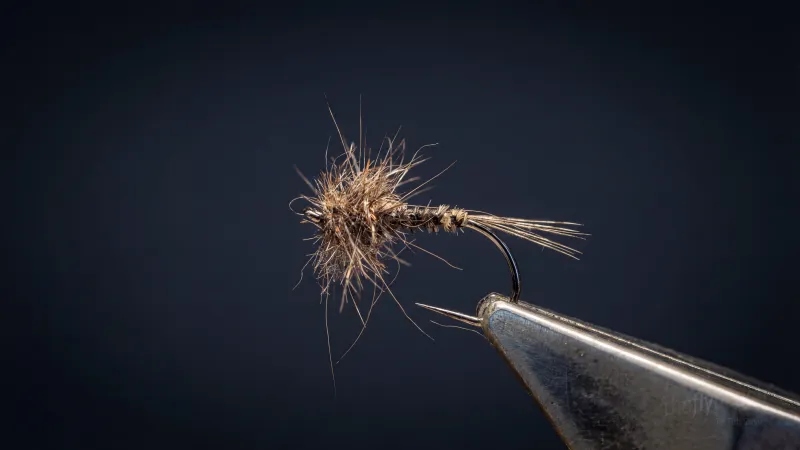
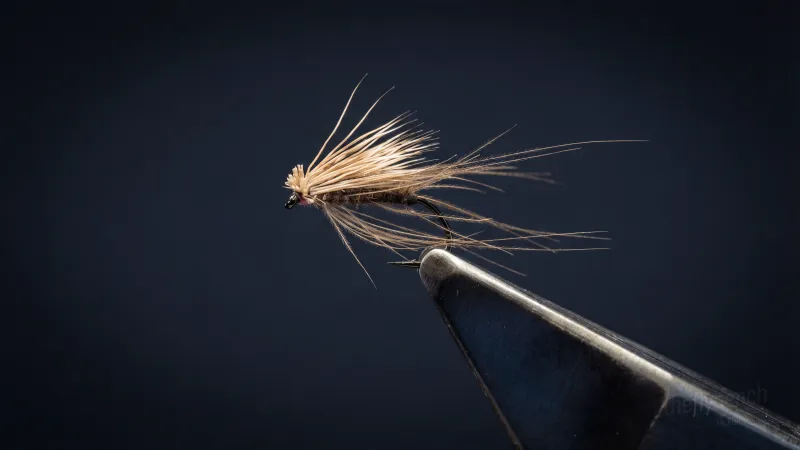
The CDC&Elk Flash (opal) is a dry fly pattern designed by Harrison Steeves. This effective pattern combines traditional materials with proven techniques for consistent results in a variety of water conditions.
Spring, Summer, Fall
Beginner
Trout
Feb 2026
Overview
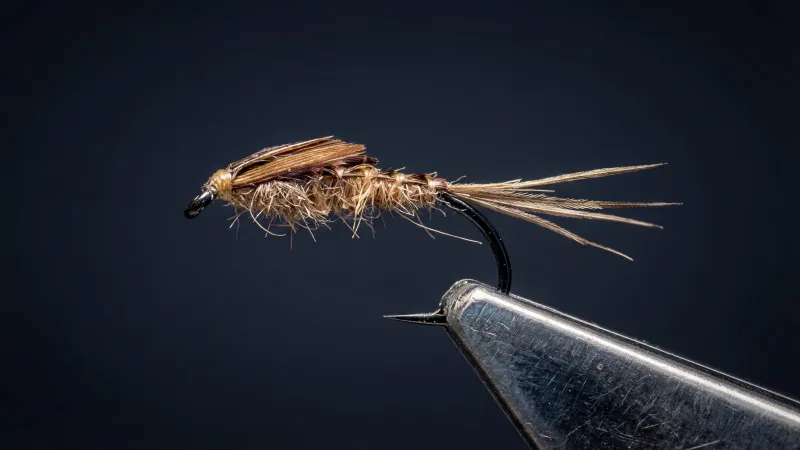
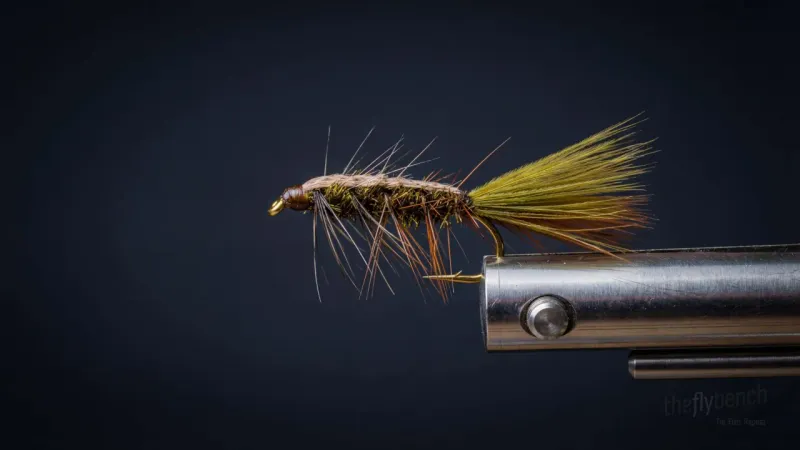
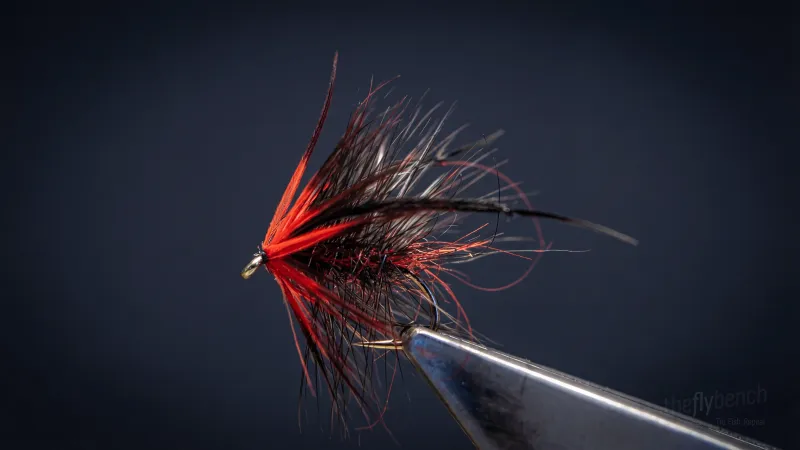
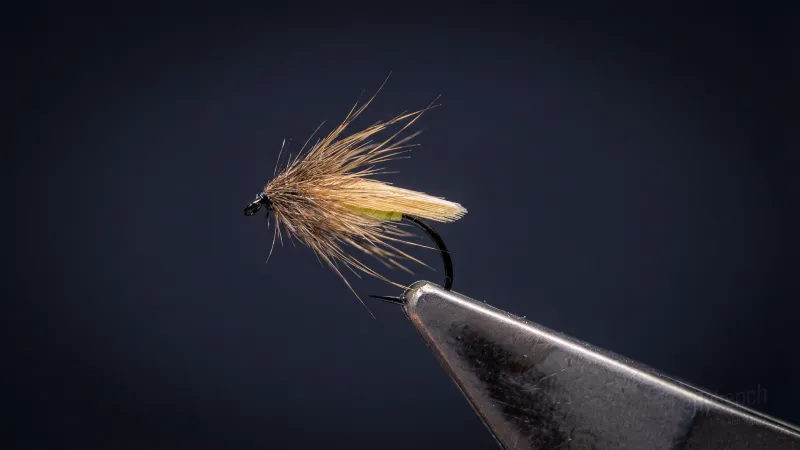
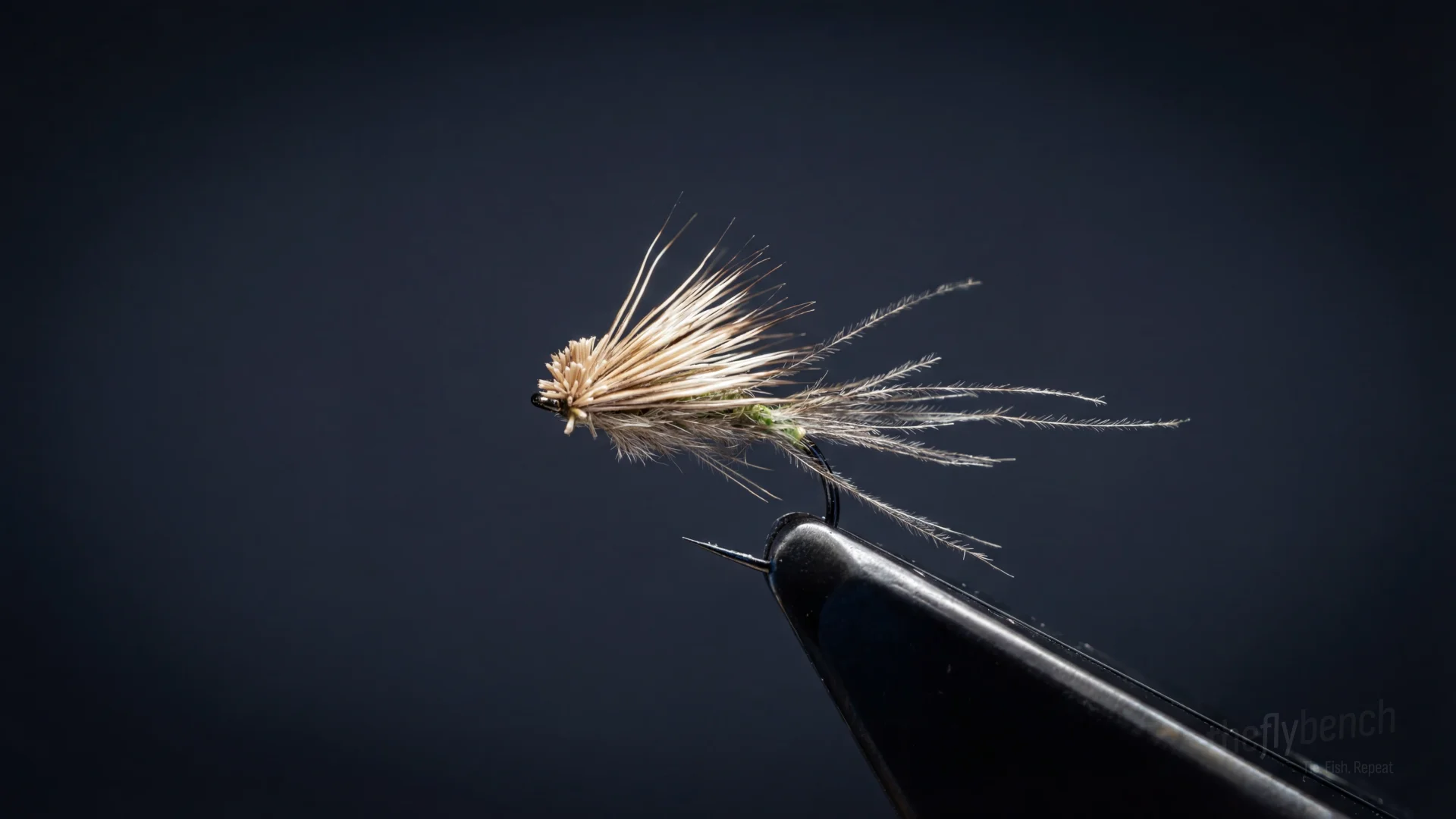
Harrison Steeves' CDC&Elk Flash incorporates opalescent flash material into the classic CDC and elk hair combination. The flash adds a subtle trigger point that can entice selective fish while the CDC maintains natural flotation and movement. The elk hair wing provides visibility and durability, making this an improved version of the traditional CDC&Elk for pressured waters or low-light conditions.
Where to Buy This Fly
We only link to fly shops we trust. Some links are referral links, which may earn us a commission at no extra cost to you.
Materials
- Hook:
- Tiemco 102Y #11 - #17 (or equivalent dry fly hook)
- Thread:
- Brown 6/0
- Body/hackle:
- CDC feather (Type 1) (Description of the different Types of CDC feathers)
- Wing/head:
- Fine tipped deer hair
Behavior & Presentation
Natural Behavior: Caddis skim the surface to lay eggs, wings catching light as they dip and rise repeatedly. Flash signature becomes a feeding cue.
Where Trout Eat It: Fish target flashing caddis in riffles, runs, and along seams where egg-laying activity creates consistent visual triggers during daylight hours.
How to Fish It: Dead drift with minimal mending. The flash element triggers takes in broken water and low light without spooking selective fish.
Best Water: Work seams with egg-laying activity, riffle edges, runs with varied current, and current breaks.
Strike Type: Watch for confident rises or aggressive takes as fish react to the flash and movement signature.
Fishing Strategy
Rigging Suggestions: Use a 9-12 foot leader tapering to 5X tippet for delicate presentations. Apply floatant to the body and hackle.
Seasonal Timing: Most effective during peak feeding periods at dawn and dusk. Water temperatures between 45-65°F typically produce best results.
Pro Tips: The opal flash provides a subtle strike trigger without spooking selective fish. When standard CDC&Elk patterns are refused, the flash variant often produces takes.
Entomology
Caddisflies skim the water surface to lay eggs, their wings catching light as they dip and rise in quick succession across riffles and runs. Fish become attuned to the flash and movement signature of egg-laying adults that represent consistent feeding opportunities during warm afternoon hours.
- Order
- Trichoptera
- Common Name
- Caddisfly
- Organism Type
- insect
- Life Stage
- adult