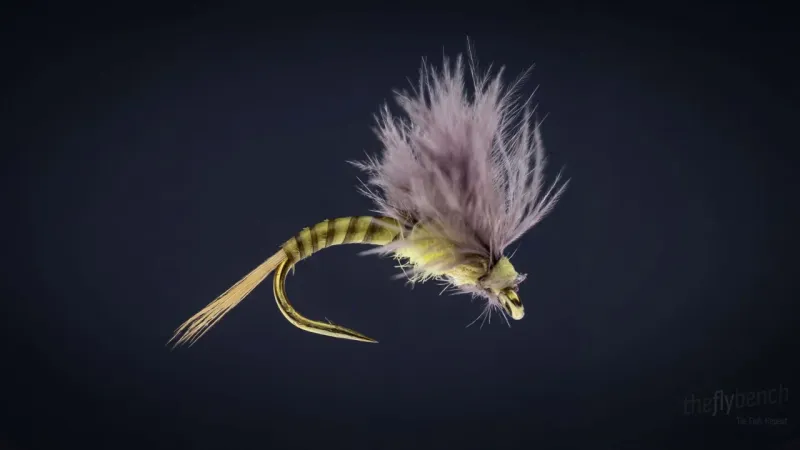
Midge / EmergersCloud Emerger
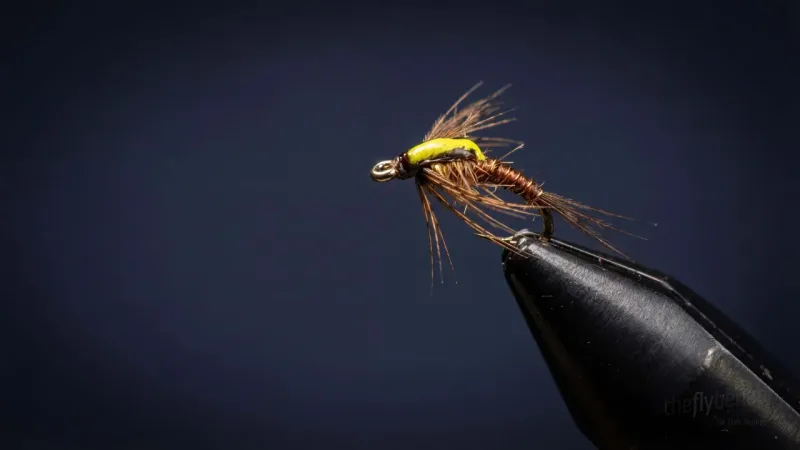
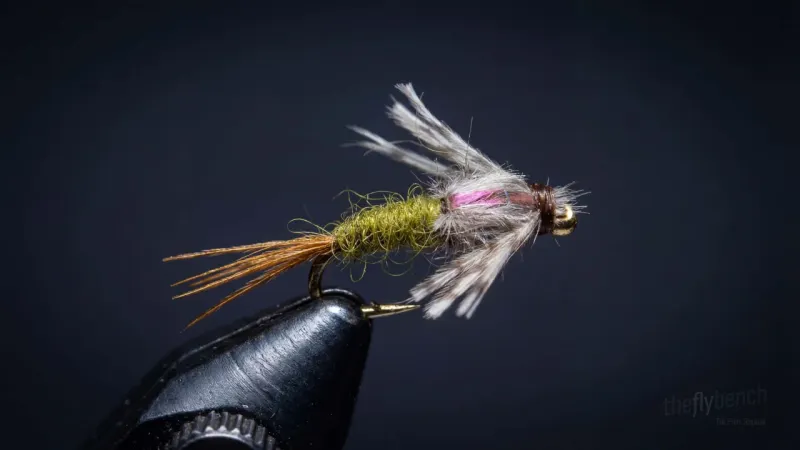
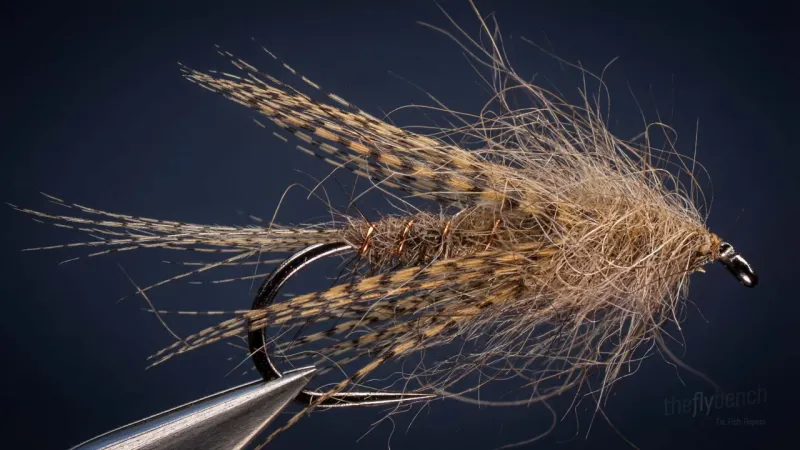
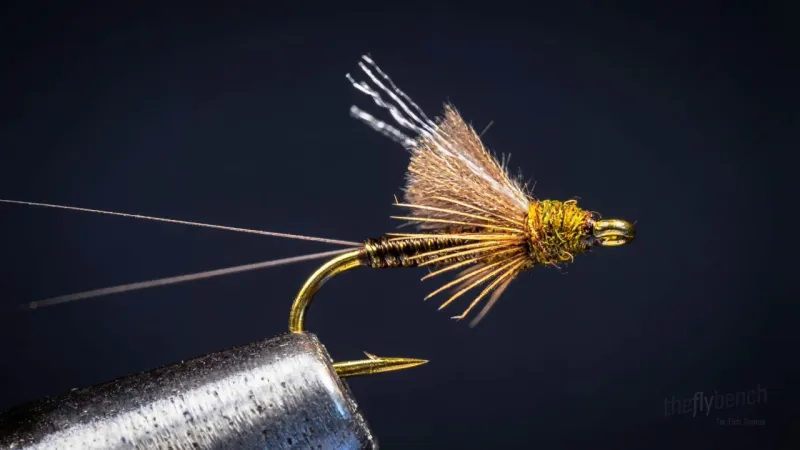
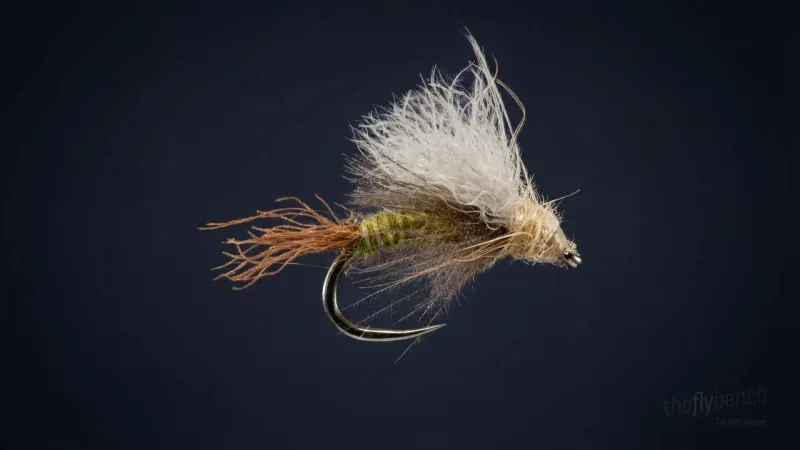
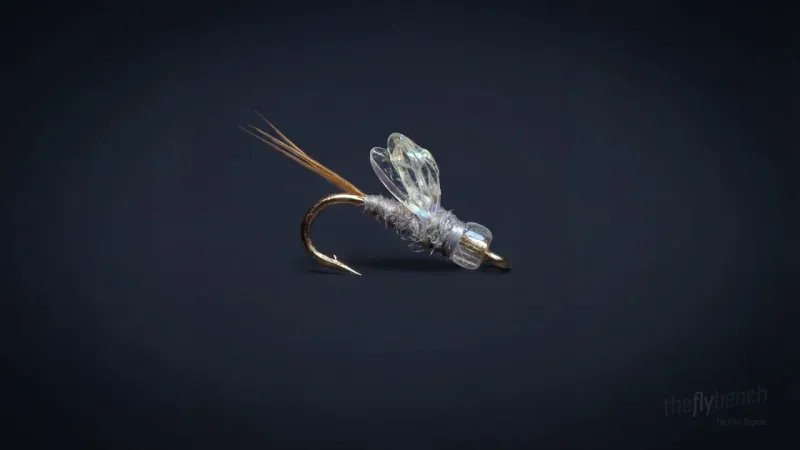
The Cloud Emerger is a versatile pattern that imitates an emerging insect. It's highly effective due to the realistic silhouette that it presents to the fish, imitating a vulnerable stage of insect life cycle.
Spring, Summer
Intermediate
Trout
Apr 2025
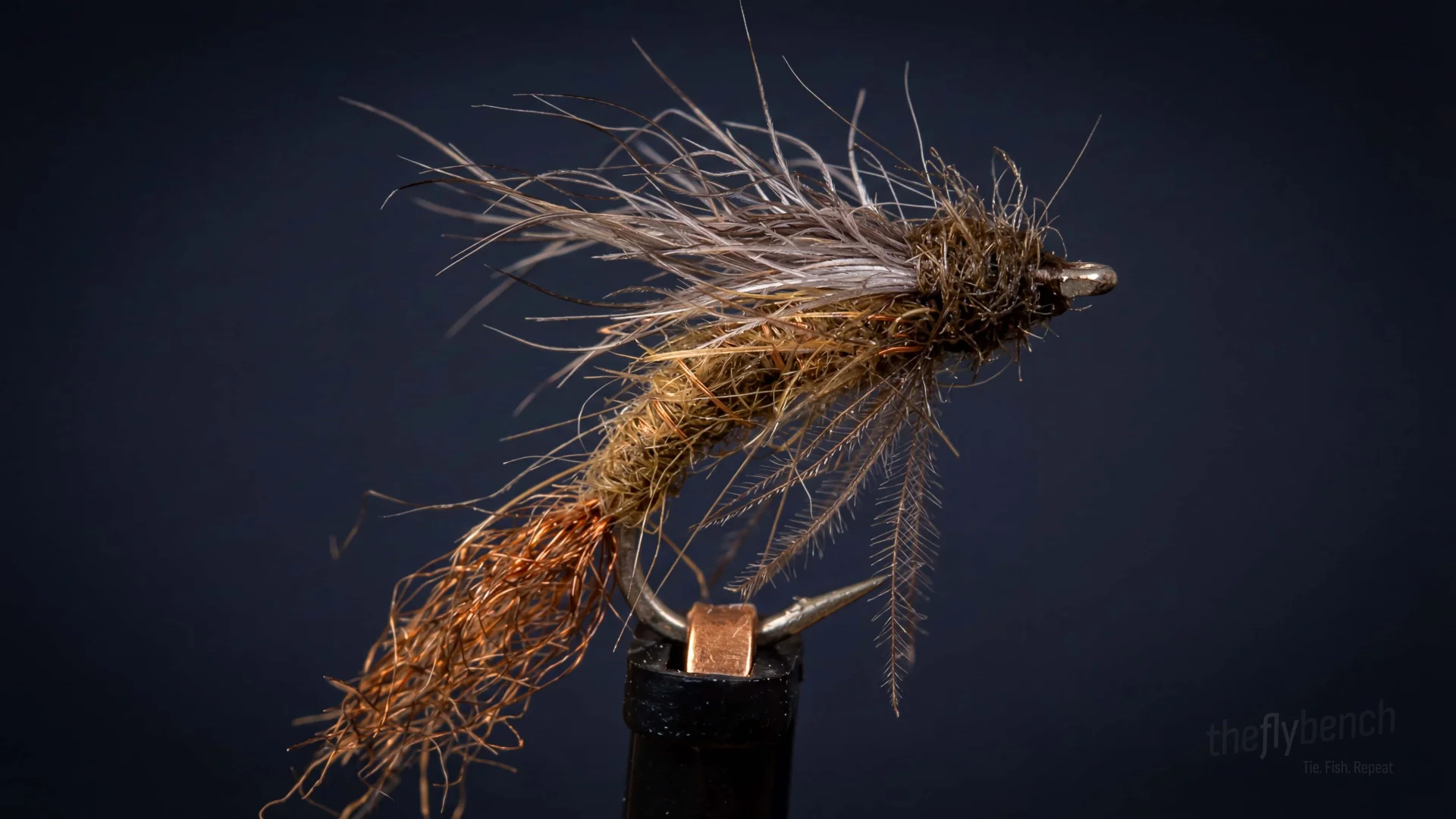
Overview
Tied to represent a drifting or partially-emerged insect, this pattern typically uses CDC or Antron for the trailing shuck and wing, and a slim dubbed or quilled body. Its low-profile design helps it sit right in the surface film where trout are focused during hatches.
Where to Buy This Fly
We only link to fly shops we trust. Some links are referral links, which may earn us a commission at no extra cost to you.
Materials
- Hook:
- Tiemco 2487, size #16–#20, 2X short curved shank for midges
- Thread:
- Olive Veevus 14/0
- Body:
- Superfine dubbing in olive
- Ribbing:
- Fine gold wire
- Wing:
- White Antron yarn
- Thorax:
- Peacock herl
- Shell:
- Solarez Bone Dry UV resin
Behavior & Presentation
Natural Behavior: Mayfly emergers transition through the meniscus with wing cases splitting while abdominal segments remain submerged. Their half-emerged positioning creates a distinctive dual profile as they struggle against surface tension.
Where Trout Eat It: Trout sip this low-riding emerger in the surface film during mayfly hatches on technical East Coast spring creeks and freestones. The 'tent wingcase' profile created by the pinched goose feather suggests an emerger ready to hatch in tail-outs and glassy runs.
How to Fish It: Fish in the film with drag-free drifts, greasing your leader to within 6 inches of the fly so the shuck and abdomen hang downward below the surface. The CDC and Antron materials ride perfectly in the film without additional floatant on the body.
Best Water: Most productive in tail-outs, back eddies, and soft seams of the South Branch Raritan River and similar spring creeks. Target foam lines and slicks in slow runs where emergers collect and drift during late morning hatches on Northeast waters.
Strike Type: Fish mouth the fly gently during the dead drift—set on any pause or tension change in the leader.
Fishing Strategy
Rigging Suggestions: Use a tapered leader to a fine tippet, and try to match the size of the tippet to the size of the fly.
Seasonal Timing: Best used in when Mayflies are hatching. Use this pattern during a hatch when you see fish rising to take emerging insects.
Pro Tips: This fly sits in the surface film imitating an emerging insect, making it highly visible to trout feeding on the surface.
Entomology
Mayfly emergers transition from nymphs to adults while suspended in or just beneath the surface film, with wing cases splitting and wings beginning to unfold. This vulnerable position involves considerable time and struggle, with the insect unable to escape predation. The emerger stage often triggers more consistent feeding than either nymphs or fully emerged adults, as trout recognize the easy meal of an insect trapped mid-transformation.
- Order
- Ephemeroptera
- Common Name
- Mayfly
- Organism Type
- insect
- Life Stage
- general