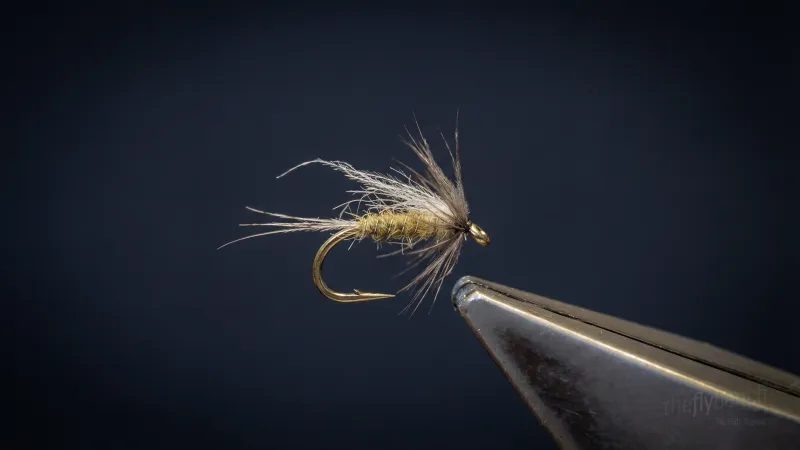
Dry FliesAutumn Dun Variant
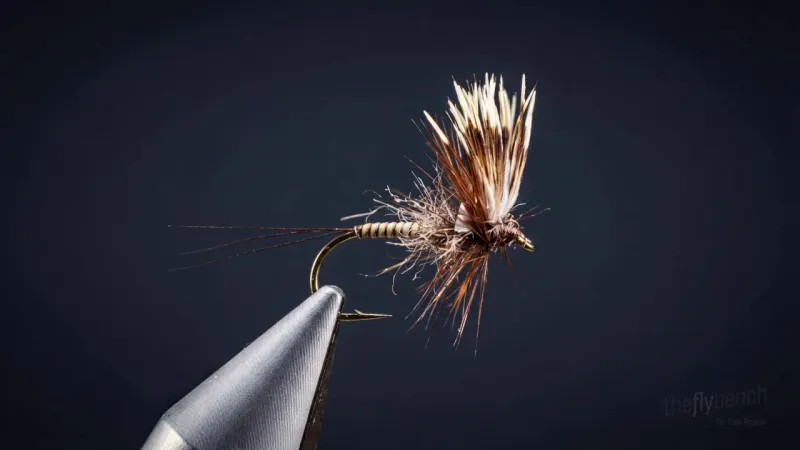
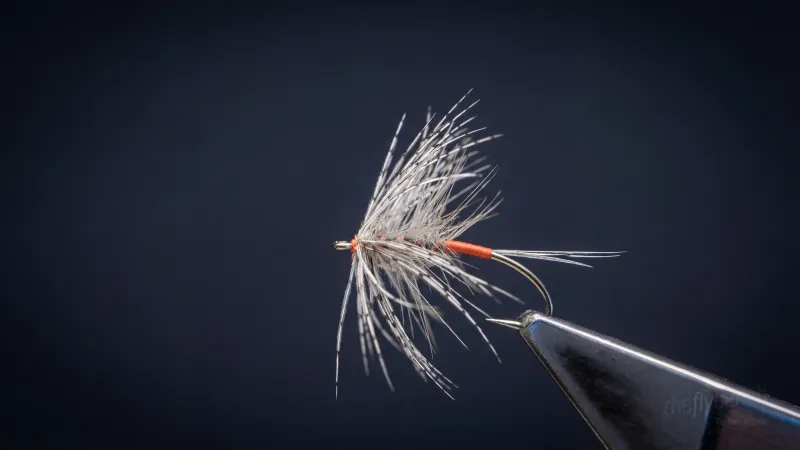
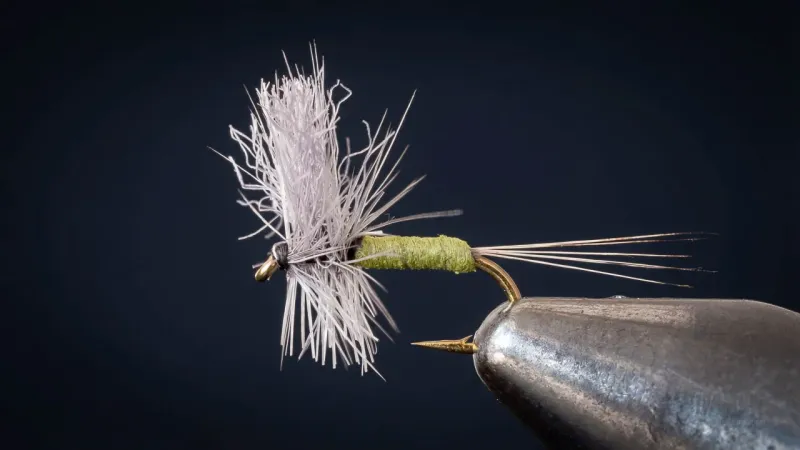
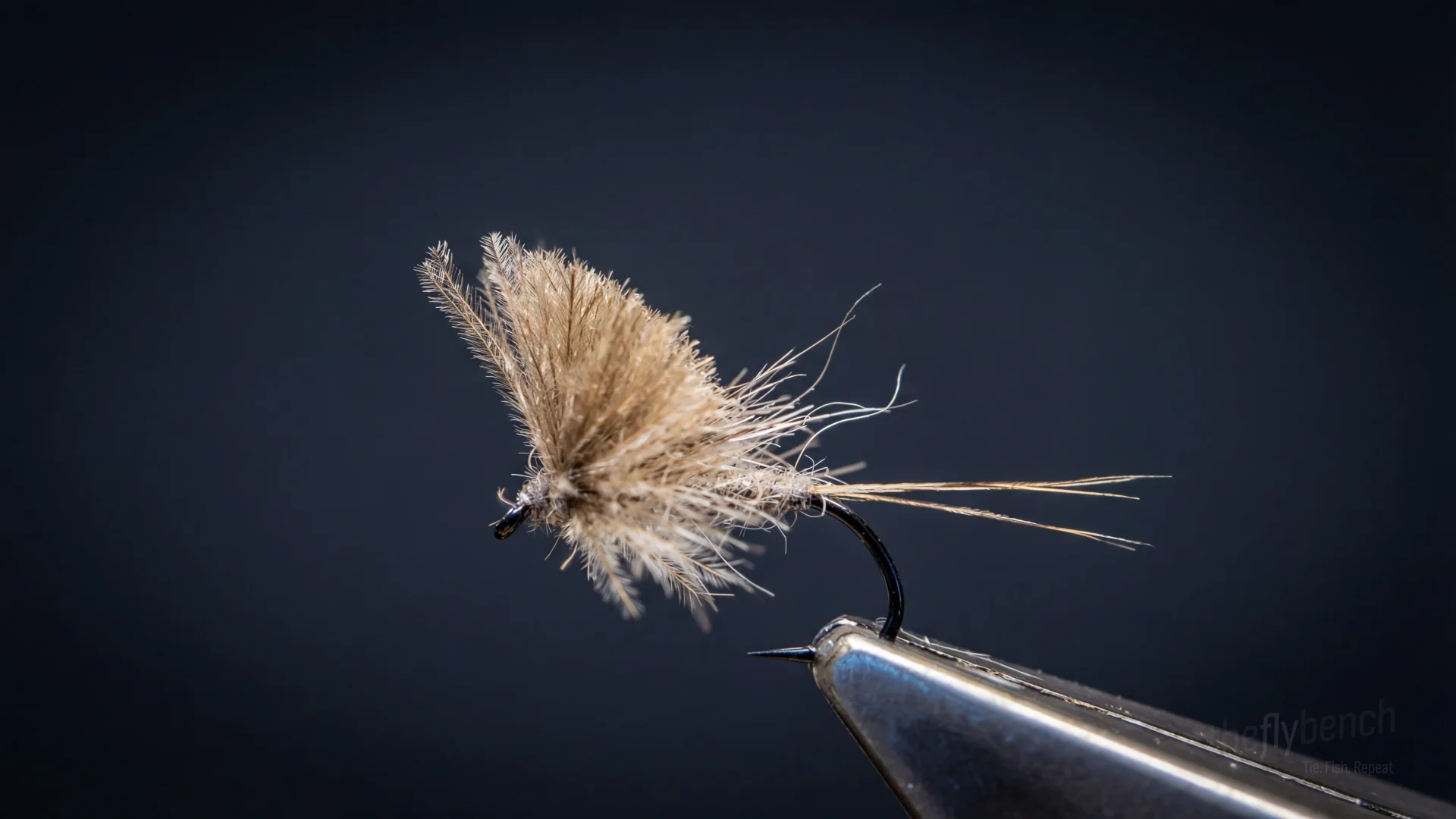
This variant combines a dun-dyed grizzly tail and a pine squirrel underfur body under a natural CDC wing, with pine squirrel guard hair twisted into a split-thread hackle for a shaggy collar. The muted grey coloring and buggy hackle match late-season mayfly duns riding long drifts in cooler water.
Spring, Summer, Fall
Intermediate
Trout
Feb 2026
Overview
Grey Benecchi thread carries the dun-dyed grizzly tail and pine squirrel underfur body, and the guard hair - twisted into split thread before being wound as hackle - gives the fly a rougher, more textured collar than standard rooster hackle. A natural CDC wing and a pine squirrel underfur head round out the profile without adding bulk. The muted grey and dun coloring suits mayfly duns that emerge in cooler autumn air and ride extended drifts while their wings dry. It earns its place on moving water and stillwater through the fall mayfly hatches, when slower metabolism keeps duns on the surface longer.
Where to Buy This Fly
We only link to fly shops we trust. Some links are referral links, which may earn us a commission at no extra cost to you.
Materials
- Hook:
- Tiemco 102Y #15
- Thread:
- Benecchi 12/0, grey
- Tail:
- Grizzly barbs, dyed dun
- Body:
- Pine squirrel underfur
- Hair hackle:
- Pine squirrel guard hair - inserted into split thread, twisted
- Wing:
- CDC feathers, natural
- Head:
- Pine squirrel underfur
Behavior & Presentation
Natural Behavior: Fall mayfly duns emerge in cooler temperatures, riding extended drifts as wings dry slowly in humid autumn air. Slower metabolism prolongs vulnerability.
Where Trout Eat It: Fish sip late-season duns drifting through runs, in tail-outs, and along seams during extended autumn emergence periods.
How to Fish It: Fish drag-free drifts through feeding lanes, focusing on visible rise forms. Extended drifts often trigger takes as fish inspect carefully.
Best Water: Work tail-outs with slow current, seams between flow speeds, runs with moderate depth, and riffle edges.
Strike Type: Expect deliberate rises or gentle sips as trout methodically feed on extended drifts.
Fishing Strategy
Rigging Suggestions: Use a 9-12 foot leader tapering to 5X tippet for delicate presentations. Apply floatant to the body and hackle.
Seasonal Timing: Most effective during peak feeding periods at dawn and dusk. Water temperatures between 45-65°F typically produce best results.
Pro Tips: Floats well with proper floatant application. The natural materials provide good visibility without spooking wary fish.
Entomology
Late-season mayfly duns emerge during cooler autumn temperatures and ride extended drifts while their wings slowly dry in the cool, humid air. The combination of slower metabolism in cold water and prolonged exposure time makes these fall emergers particularly vulnerable to methodical feeding by trout preparing for winter.
- Order
- Ephemeroptera
- Common Name
- Mayfly
- Organism Type
- insect
- Life Stage
- adult