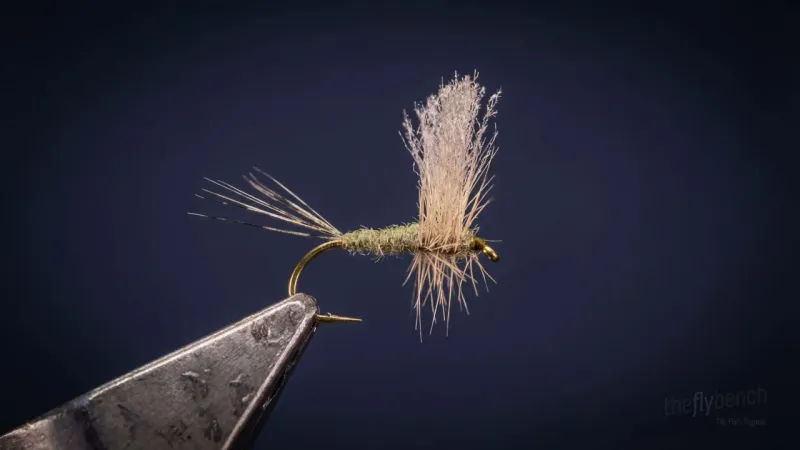
Dry FliesPMDS (Pale Morning Dun Spinner)
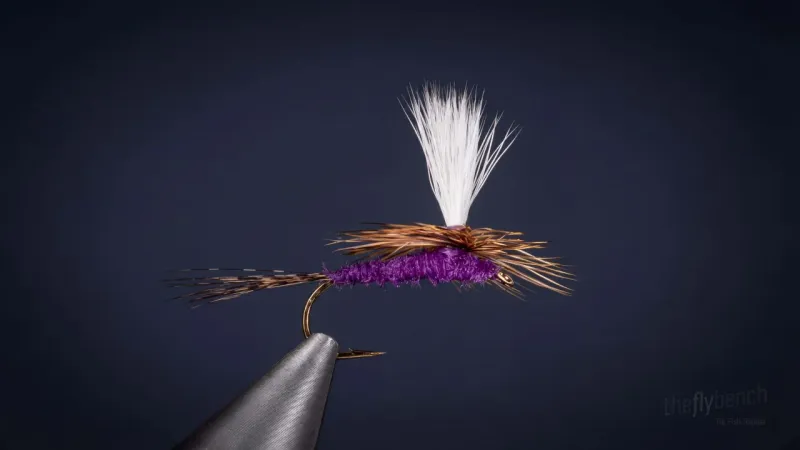
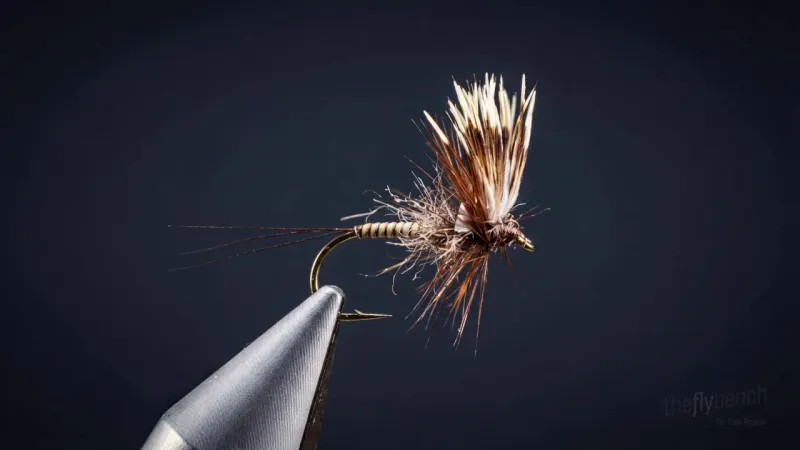
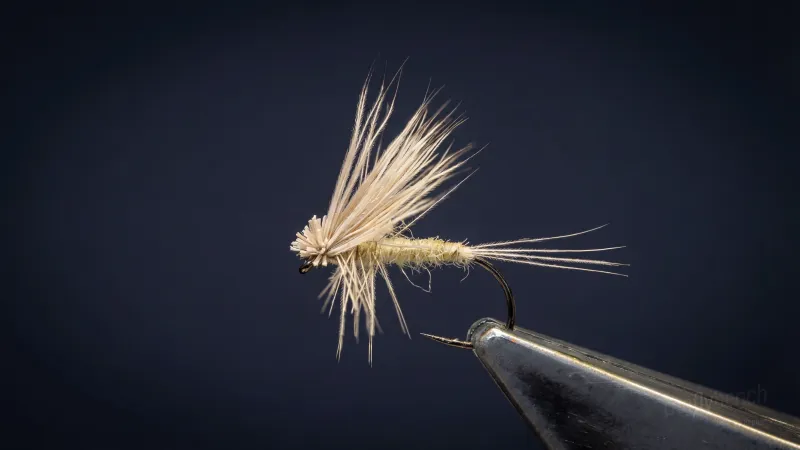
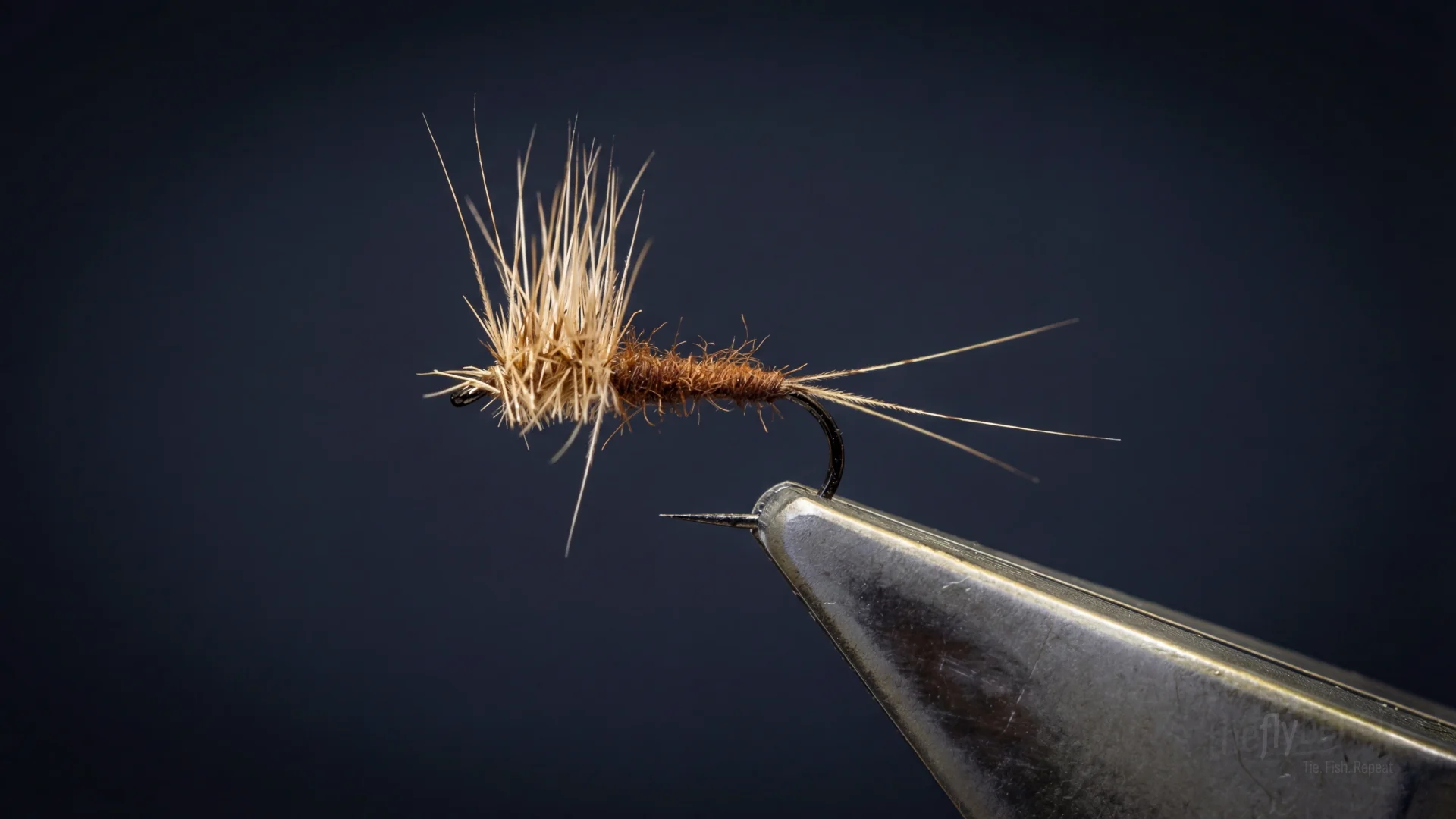
Hans Weilenmann's PMD spinner covers the spent stage of a Pale Morning Dun hatch, when mated females collapse on the surface with wings flat. A chestnut-dyed mole abdomen and brown ostrich herl thorax build a slim, dark profile, while sandy dun hackle trimmed flush under the shank lets the fly sit low in the film like a naturally spent insect.
Spring, Summer, Fall
Intermediate
Trout
Feb 2026
Overview
Tied and originated by Hans Weilenmann, this spinner pattern targets the tail end of a PMD emergence when trout key on the easy pickings of exhausted egg-layers. Coq de Leon tail barbs splay out to suggest spent spinner tails, and trimming the hackle flush underneath the hook keeps the body pinned in the surface film instead of riding up on stiff fibers. It earns its place in the early evening during summer PMD hatches, fished dead drift to rising fish sipping spinners rather than emergers.
Where to Buy This Fly
We only link to fly shops we trust. Some links are referral links, which may earn us a commission at no extra cost to you.
Materials
- Hook:
- Partridge SUD #14
- Thread:
- Benecchi 12/0, tan
- Tail:
- Coq de Leon barbs
- Abdomen:
- Mole, dyed chestnut
- Thorax:
- Ostrich herl, dyed brown
- Hackle:
- Sandy dun
Behavior & Presentation
Natural Behavior: Female mayfly spinners return to water after mating, laying eggs while hovering low with their abdomens touching the surface. Spent spinners then collapse with wings outstretched, drifting helplessly as fish sip them in steady, methodical rising rhythms.
Where Trout Eat It: Surface film in smooth tailwater pools and runs, spring creek flats, weed edges, slower sections of freestone streams, and feeding lanes where current delivers spent insects.
How to Fish It: Cast upstream with an exceptionally delicate presentation and allow a completely drag-free dead drift because spent spinners lie flush with the water, drifting helplessly. Avoid all drag as trout are highly selective during spinner falls. Keep the fly in the surface film where spent spinners lie. Use long, accurate casts to avoid spooking fish.
Best Water: Smooth tailwater pools and runs, tailouts, spring creek flats, weed edges, slower sections of freestone streams, and feeding lanes where spinners concentrate.
Strike Type: Subtle sip or gentle rise as trout feed rhythmically on spent insects. Watch for steady, methodical rising patterns and minimal surface disturbance.
Fishing Strategy
Rigging Suggestions: Use a 12-16ft 6X or 7X tippet for ultra-technical presentations to selective trout. Apply minimal floatant or use dry shake to keep the fly flush in the film rather than riding high. Fluorocarbon tippet reduces visibility in clear water.
Seasonal Timing: Most effective late May through August during PMD spinner falls, with peak fishing in June and July because this aligns with peak PMD activity. Focus on evening hours from 6 PM through dusk when spinners return to the water, also productive during morning spinner falls in late summer. Best when water temperatures are 56-66°F because this triggers spinner fall behavior. Most effective during calm evenings with little wind when spinners accumulate in feeding lanes.
Pro Tips: During heavy spinner falls, trout become extremely selective and key on the spent wing profile and low-riding posture. Match the natural drift speed precisely and avoid any drag whatsoever for consistent hookups.
Entomology
Female mayfly spinners return to water after mating, laying eggs while hovering low with their abdomens touching the surface. Spent spinners then collapse with wings outstretched, drifting helplessly as fish sip them in steady, methodical rising rhythms.
- Order
- Ephemeroptera
- Common Name
- Mayfly
- Organism Type
- insect
- Life Stage
- adult