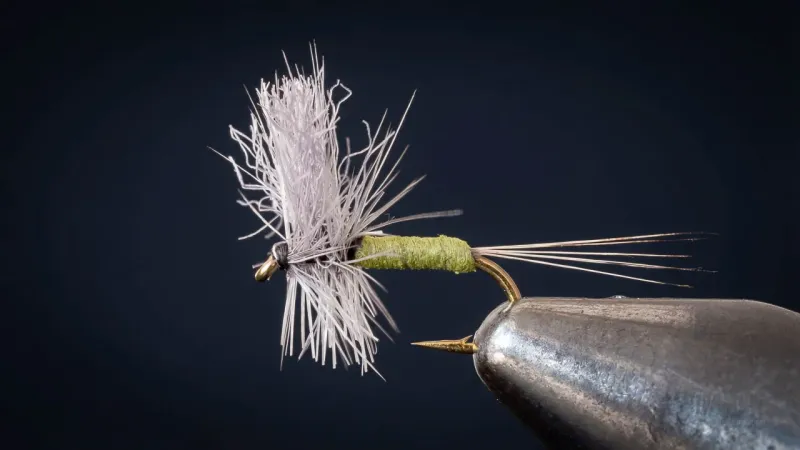
Dry FliesZ-Dun BWO
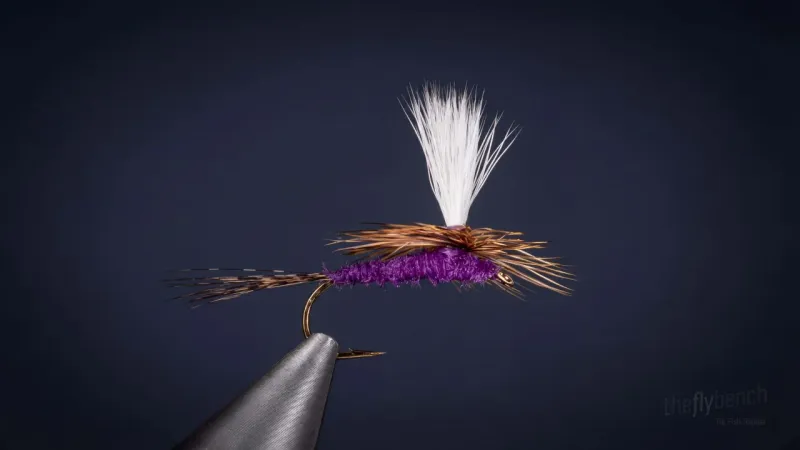
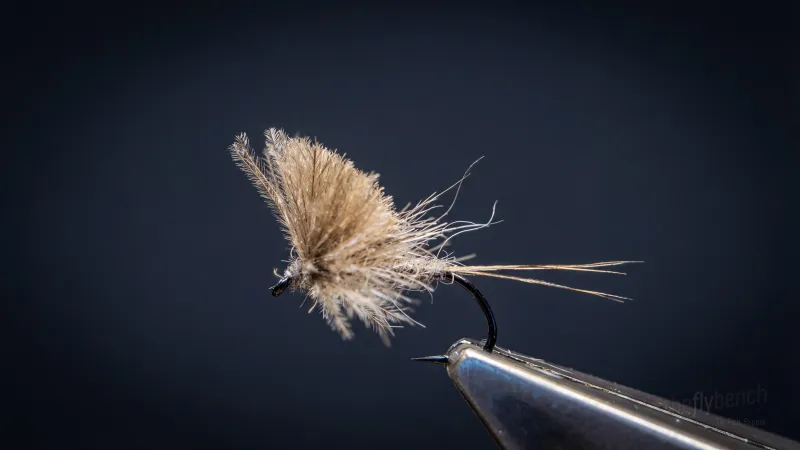
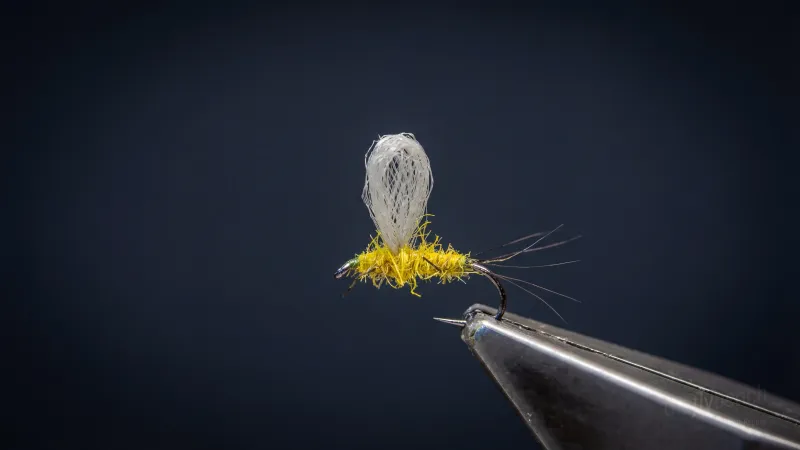
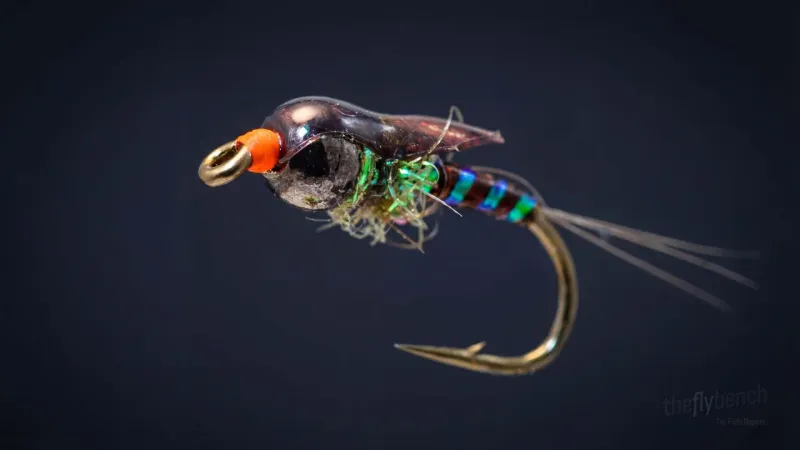
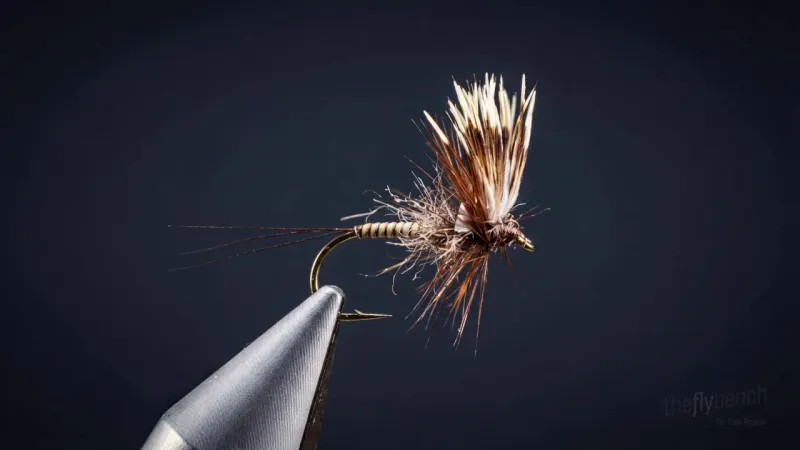
The Z-Dun BWO is a dry fly pattern designed by Alex Lilje. This effective pattern combines traditional materials with proven techniques for consistent results in a variety of water conditions.
Spring, Summer, Fall
Intermediate
Trout
Feb 2026
Overview
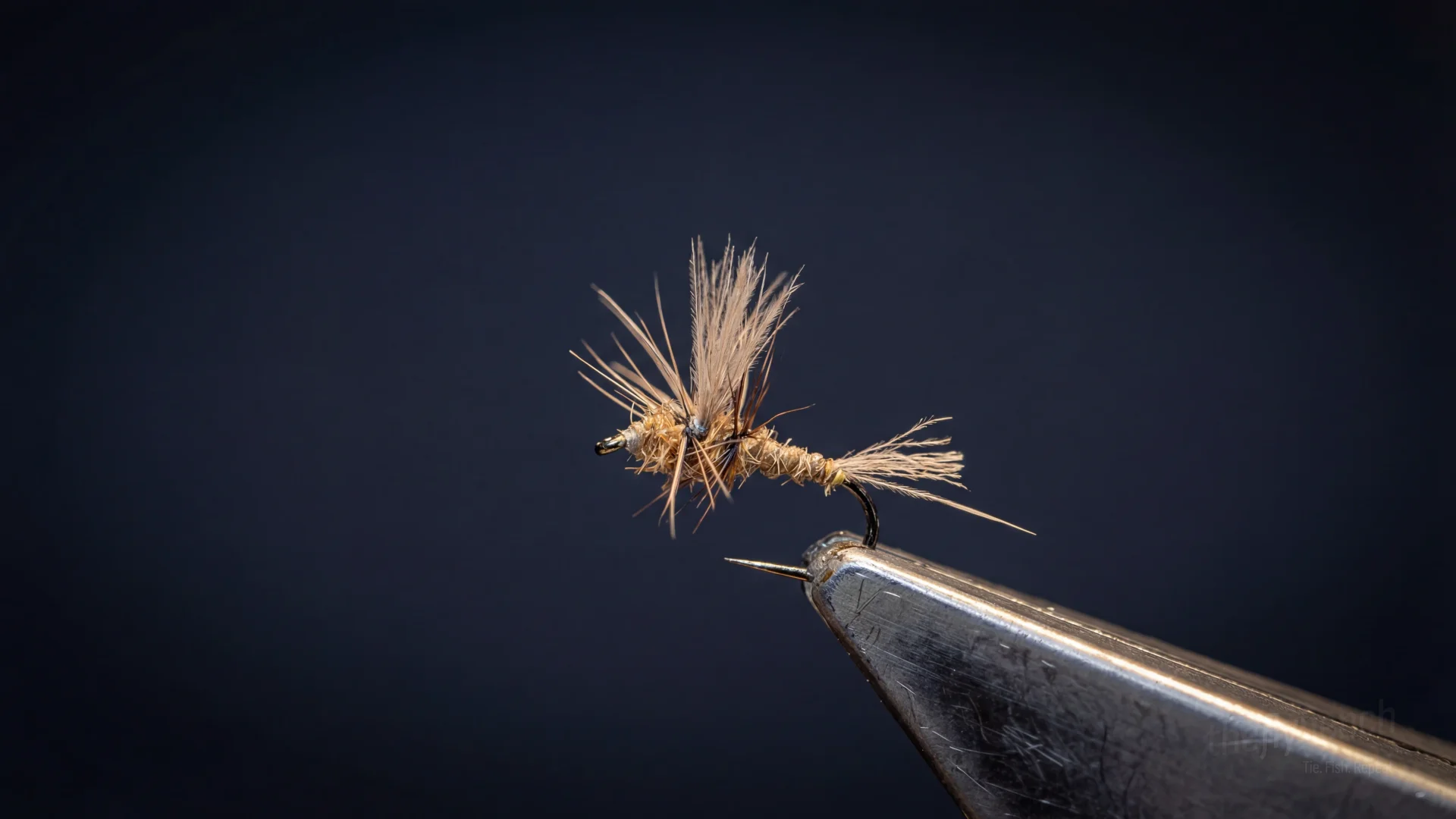
Alex Lilje's specialized Blue-Winged Olive imitation uses Z-lon or similar synthetic fibers for the wing to create a translucent, realistic mayfly silhouette. The pattern's low-riding design sits naturally in the surface film like emerging or spent BWOs. Split tails and fine hackle provide stability without excessive bulk. Particularly effective during overcast conditions when BWO hatches are heaviest and fish become selective to proper size and profile.
Where to Buy This Fly
We only link to fly shops we trust. Some links are referral links, which may earn us a commission at no extra cost to you.
Materials
- Hook:
- TMC 102Y #15-19
- Thread:
- Black
- Tail:
- Bronze mallard fibers
- Body:
- Stripped peacock herl, dyed olive
- Wing:
- Blue dun hackle tips
- Hackle:
- Whiting cock, dyed medium olive
Behavior & Presentation
Natural Behavior: Blue-winged olive duns drift extended periods in the surface film while wings slowly dry during overcast conditions, their upright posture and vulnerable positioning making them highly visible. Cold-water emergences during drizzly weather prolong drying times, concentrating defenseless duns in productive feeding lanes where selective trout sip methodically.
Where Trout Eat It: Floating in the surface film on smooth tailwater runs and spring creek flats, where BWO duns drift predictably through established feeding lanes during prolonged cold-weather emergences.
How to Fish It: Delicate upstream presentations with perfect drag-free drift, using the low-profile flush-floating design to match natural BWO duns struggling to dry wings during overcast emergence periods.
Best Water: Smooth tailwater runs with glassy surfaces, spring creek flats where selective feeding occurs, and slicks below riffles collecting drifting BWO duns during overcast cold-weather hatches.
Strike Type: Subtle confident sips barely dimpling the surface as selective trout methodically intercept drifting BWO duns with minimal effort during technical feeding periods.
Fishing Strategy
Rigging Suggestions: Employ a 10-14 foot leader tapered to 6X or 7X tippet for technical presentations. Use minimal floatant to maintain the flush-floating profile.
Seasonal Timing: Peak effectiveness from March through May and September through November during Blue-Winged Olive emergences, particularly productive on overcast, drizzly days.
Pro Tips: The Z-lon wing post provides visibility while maintaining a realistic profile. During heavy hatches, focus on feeding lanes and observe rise forms carefully.
Entomology
Blue-winged olive duns emerge during overcast conditions and drift slowly on the surface while their wings dry, unable to fly until fully developed. Fish selectively feed on these mayflies because their prolonged drift time in the surface film makes them predictable and accessible, particularly during the extended hatches that occur in spring and fall on tailwaters and freestone streams.
- Order
- Ephemeroptera
- Common Name
- Mayfly
- Organism Type
- insect
- Life Stage
- adult