Dry FliesWillow Fly
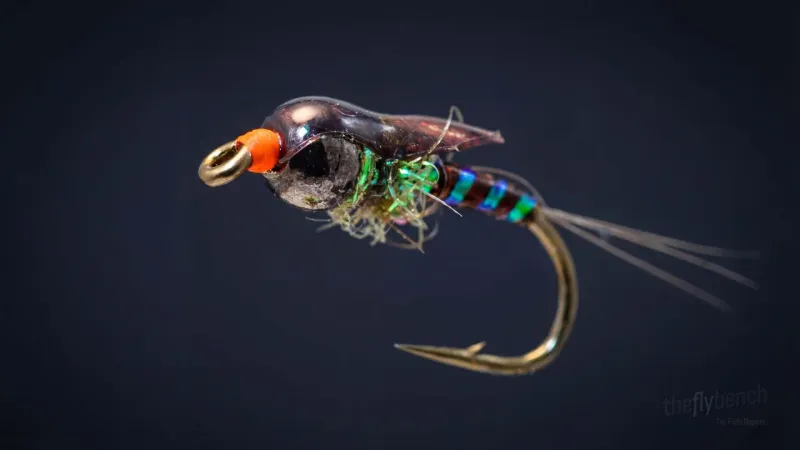
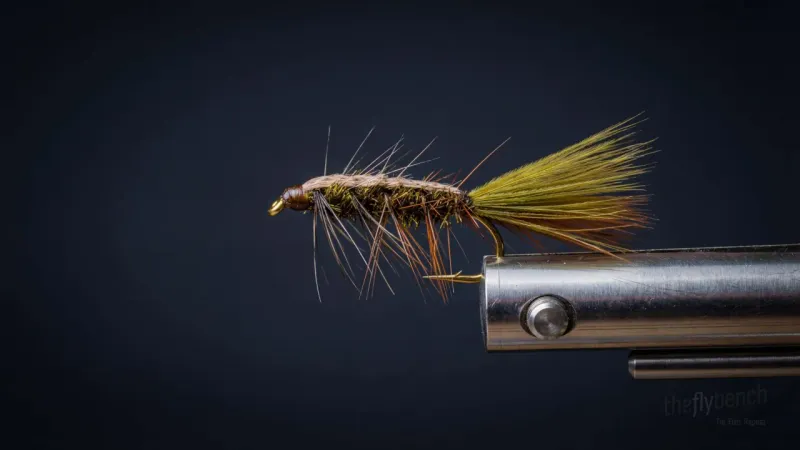
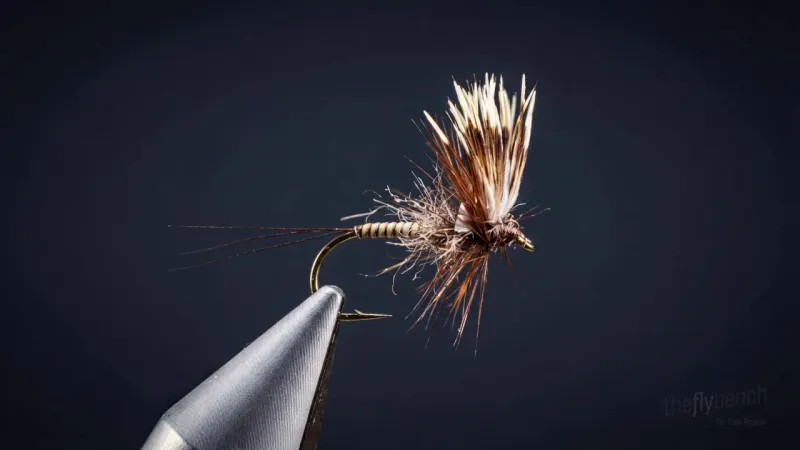
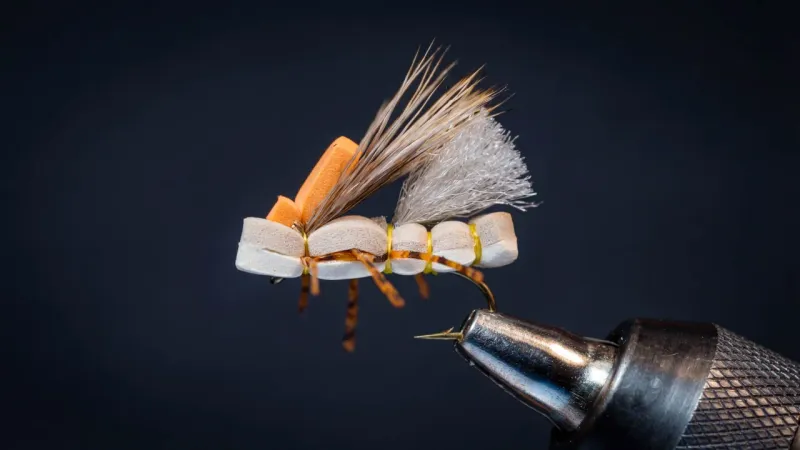
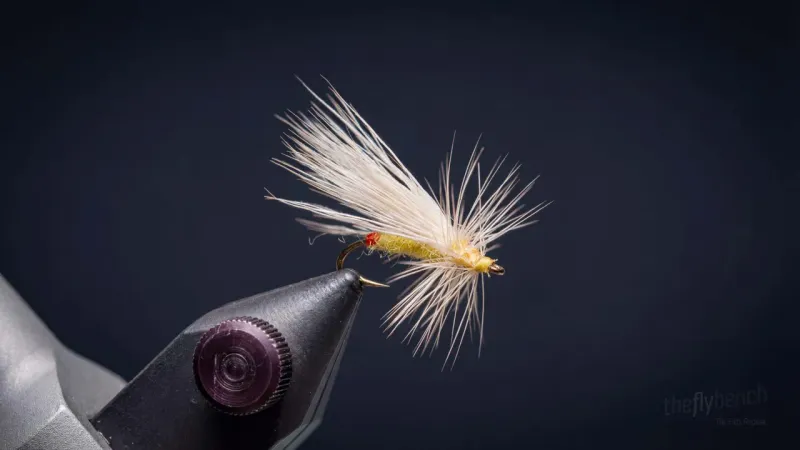
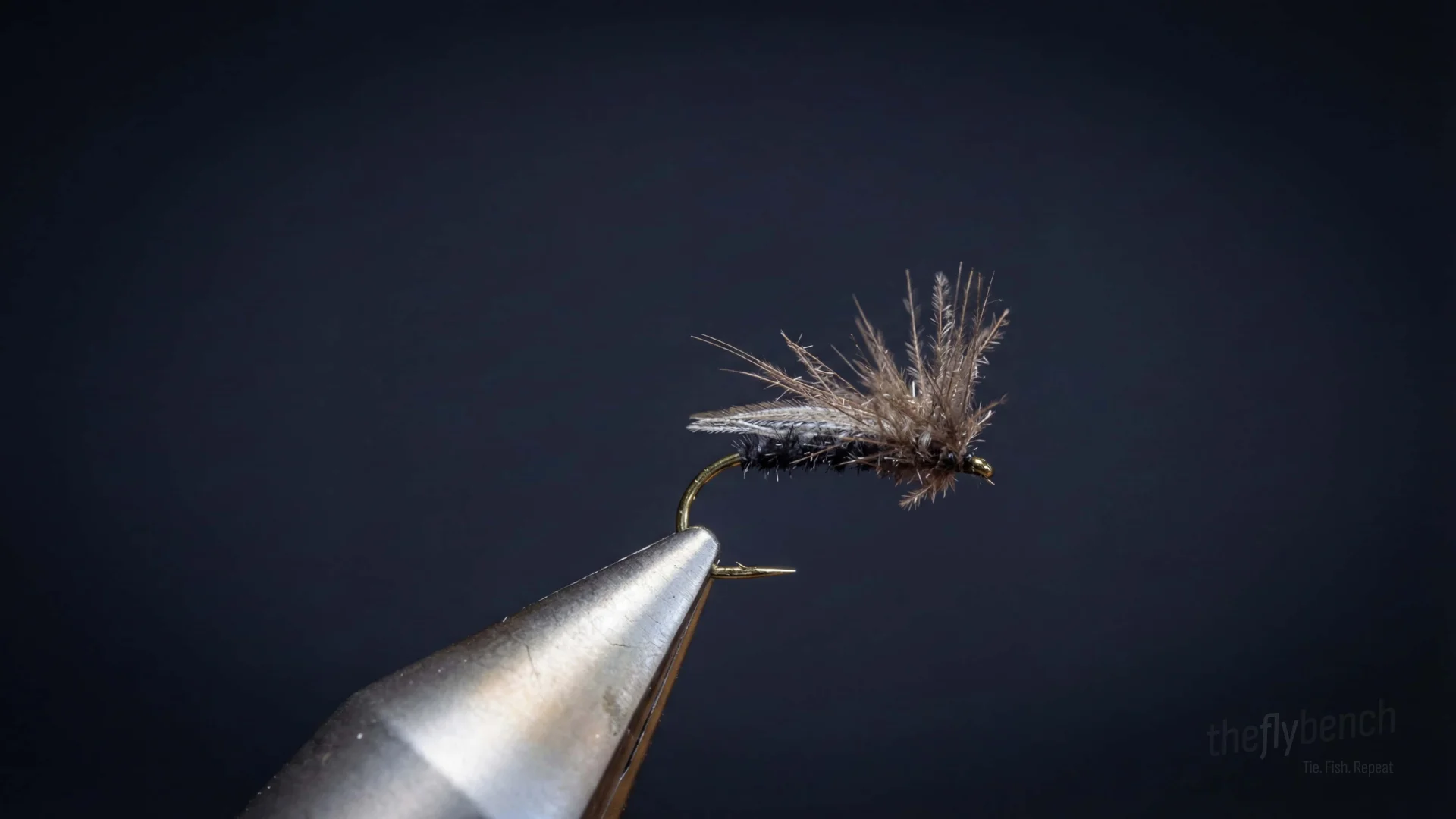
The Willow Fly is a delicate stonefly imitation developed by Barry Ord Clarke for autumn grayling fishing on Norwegian rivers. Also known as a Needle Fly, it mimics small stoneflies from the Leuctridae family using CDC materials and Marc Petitjean's twist-and-wrap technique. The pattern sits low in the surface film, accurately replicating the natural's behavior.
Summer, Fall
Intermediate
Trout, Grayling
Dec 2025
Overview
Barry Ord Clarke designed this pattern specifically for the challenging autumn grayling hatches on Norway's Glomma River. The blue dun wing color was chosen for angler visibility rather than exact imitation of the natural's brown coloring. The pattern employs Marc Petitjean's signature "one twist per wrap" technique to create a realistic segmented body without damaging the delicate CDC hackle stem. Best tied sparse to maintain the slim needle-like profile of the natural.
Where to Buy This Fly
We only link to fly shops we trust. Some links are referral links, which may earn us a commission at no extra cost to you.
Materials
- Hook:
- Mustad R50, #16
- Thread:
- Black
- Body:
- Dark brown or black CDC hackle, twisted and wrapped
- Wing:
- Blue dun CDC hackle
- Thorax:
- Dark brown or black CDC dubbing, sparse
Behavior & Presentation
Natural Behavior: Medium-sized stoneflies return to the water after mating, skimming across pools and glides to deposit eggs. Grayling intercept these egg-laying females during their predictable flight paths over smooth water.
Where Trout Eat It: Fish rise in the surface film, targeting glides and slicks where stoneflies skim and rest.
How to Fish It: Cast upstream with delicate drag-free drift, maintaining precise line control to avoid micro-drag.
Best Water: Focus on slicks and glides in clear rivers, working seams where stoneflies concentrate during ovipositing.
Strike Type: Watch for subtle dimpling rises as grayling sip stoneflies from the film.
Fishing Strategy
Rigging Suggestions: Fish on a 10-12 foot leader tapered to 6X-7X tippet. Long, fine leaders are essential for the subtle presentations required.
Seasonal Timing: Most effective from June through November, with peak activity during August and September when Leuctridae stoneflies are hatching. An essential pattern for late-season grayling fishing.
Pro Tips: Sits low in the surface film like the natural stonefly, rather than riding high like mayfly patterns.
Entomology
Medium-sized stoneflies emerge throughout summer months, crawling to streamside willows before flying back to oviposit by skimming across pools and glides. Fish intercept these returning females during low-light periods when stoneflies are most active, capitalizing on their predictable flight paths and substantial body mass.
- Order
- Plecoptera
- Common Name
- Stonefly
- Organism Type
- insect
- Life Stage
- adult