Dry FliesLittle Yellow Sally
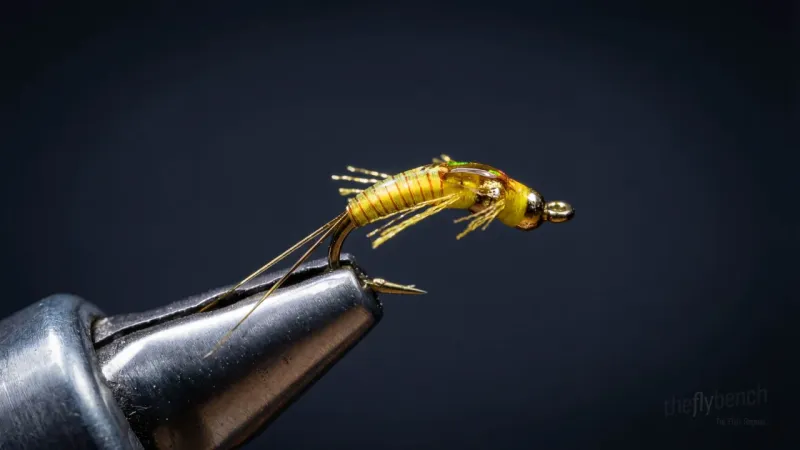
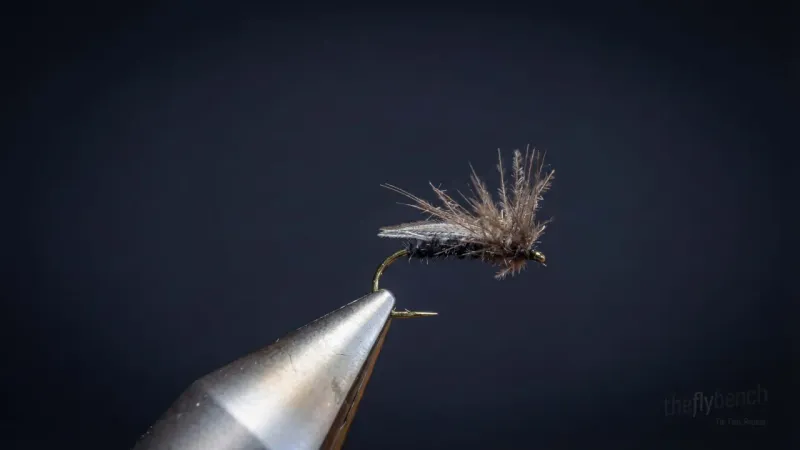
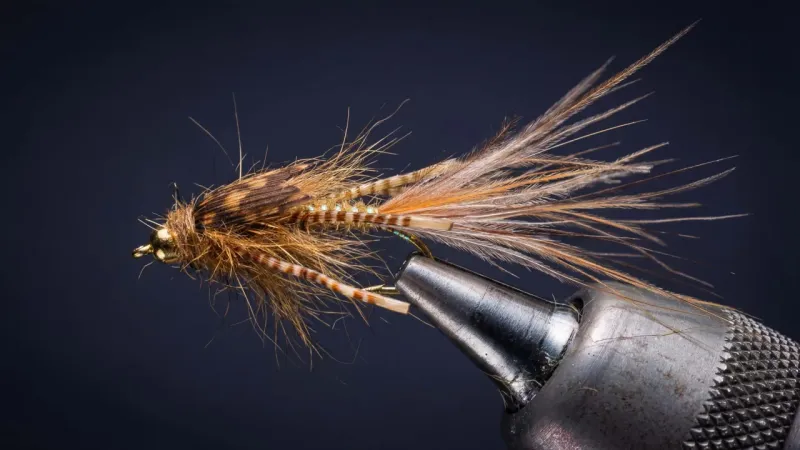
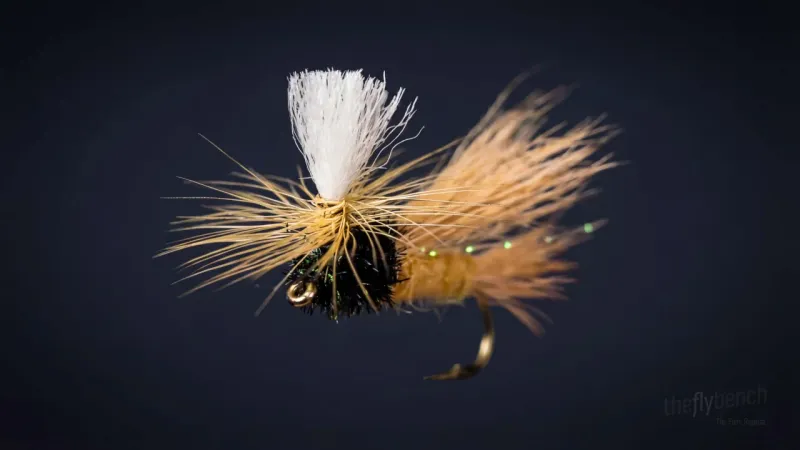
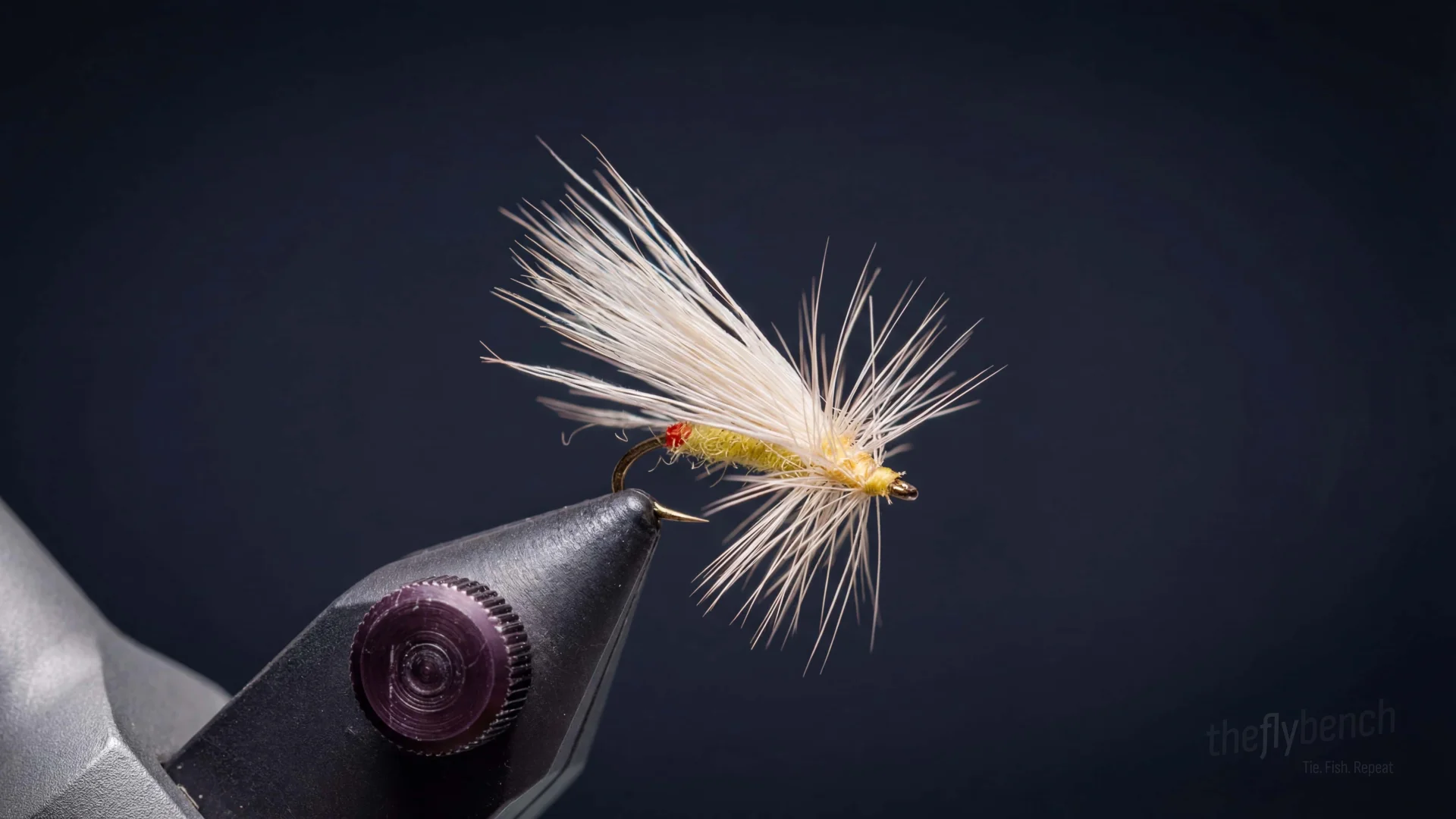
The Little Yellow Sally is a classic dry fly pattern that imitates the small yellow stoneflies (Isoperla species) found in rivers and streams across North America. Featured in Don Kirk's "Hatches and Fly Patterns of the Great Smokey Mountains," this Stimulator-style pattern floats exceptionally well and remains highly visible on the water. A proven producer whenever these diminutive stoneflies are on the menu.
Spring, Summer
Intermediate
Trout
Dec 2025
Overview
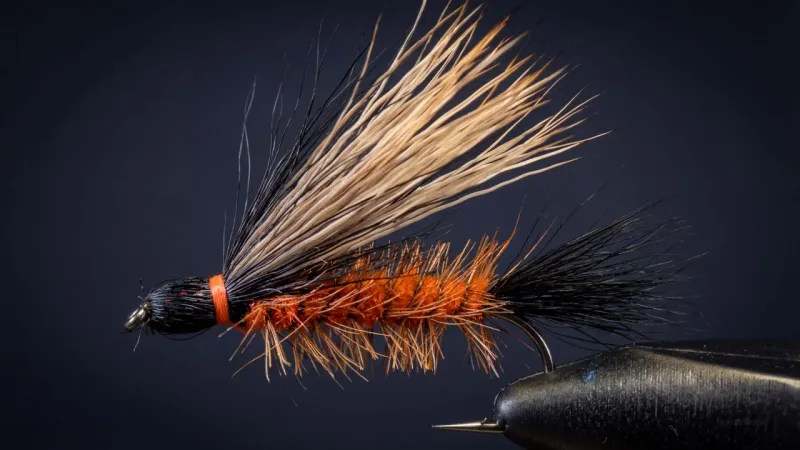
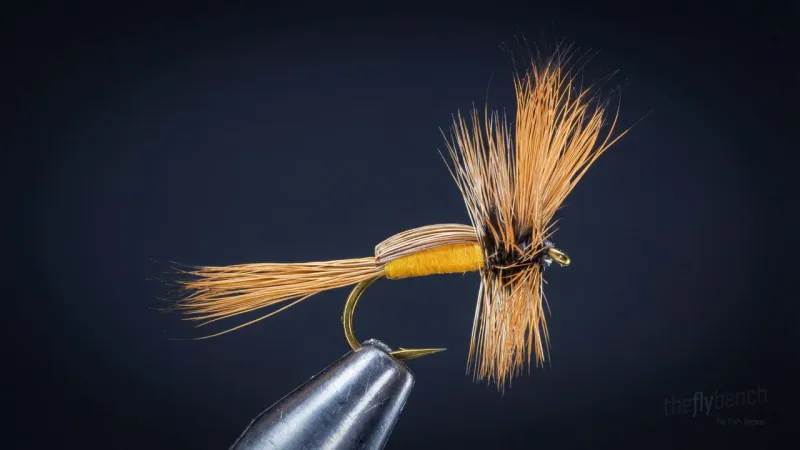
This Trident Fly Fishing tutorial demonstrates a traditional Yellow Sally pattern with excellent floatation characteristics. The red tag at the rear represents the egg sac carried by female stoneflies—a subtle detail that can make a difference to observant trout. The combination of yellow dubbing, bleached deer hair wing, and ginger hackle creates a high-floating profile similar to a Stimulator but sized appropriately for these smaller stoneflies. The pattern works as both an imitative fly during Yellow Sally hatches and an effective attractor in pocket water.
Materials
Hook: Daiichi 1270, size #14–#18
Thread: Danville 6/0, yellow
Tag: Danville 4-strand floss, red
Body: Antron Bright Steelhead dubbing, bright yellow
Wing: Bleached deer hair
Hackle: Whiting dry fly cape, ginger
Behavior & Presentation
Natural Behavior: Small yellow stoneflies skitter erratically across the water surface during egg-laying runs, creating distinctive ripples as they dip and flutter between streamside vegetation. Trout eagerly intercept these egg-laden females because they provide concentrated calories during late spring and summer when larger stonefly hatches have concluded.
Where Trout Eat It: Trout intercept Yellow Sallies in Yellowstone, Gallatin, and Madison River riffles during active hatches. The yellow dubbing and bleached deer hair create high visibility in fast, broken water where small stoneflies skitter during egg-laying runs. Fish target these in 1-3 foot depths along riffle edges.
How to Fish It: Dead drift through feeding lanes with occasional subtle twitches to mimic struggling or egg-laying stoneflies. Present fly with short, accurate casts and delicate presentations. The natural materials provide built-in movement. Fish as single dry or use as dry-dropper indicator with small nymph below.
Best Water: Target Rocky Mountain freestone riffles, runs, and pocket water with moderate to fast current. The red egg sac tag and bright yellow body excel in broken water. Focus on riffle edges, seams, and pocket water structure in Yellowstone area streams.
Strike Type: Expect explosive splashy takes as trout attack the bright, egg-laden stonefly silhouette.
Fishing Strategy
Rigging Suggestions: Use 9-foot leaders tapered to 4X–5X tippet. Fish as a single dry or use as a dry-dropper indicator with a small nymph below.
Seasonal Timing: Most effective from April through August depending on elevation. Peak activity occurs May through July at most elevations, with hatches extending later at higher altitudes where water remains cold.
Pro Tips: Apply floatant before fishing and reapply as needed during extended sessions.
Entomology
Small yellow stoneflies skitter erratically across the water surface during egg-laying runs, creating distinctive ripples as they dip and flutter between streamside vegetation. Trout eagerly intercept these egg-laden females because they provide concentrated calories during late spring and summer when larger stonefly hatches have concluded.
- Order
- Plecoptera
- Common Name
- Stonefly
- Organism Type
- insect
- Life Stage
- adult