Dry FliesMorrish Hopper
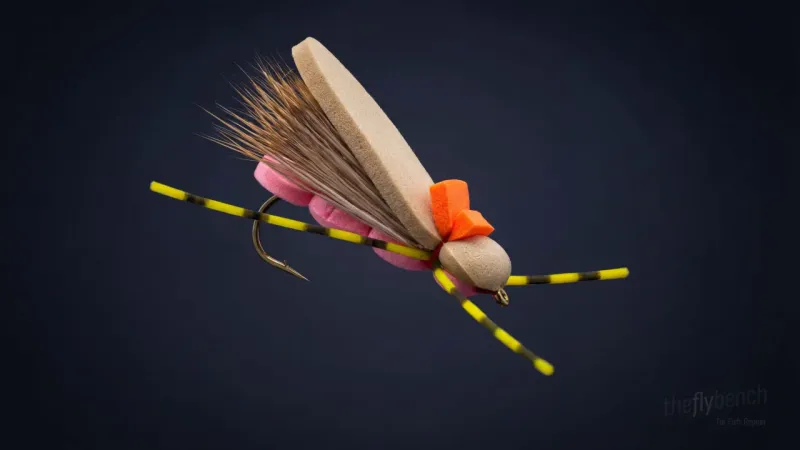
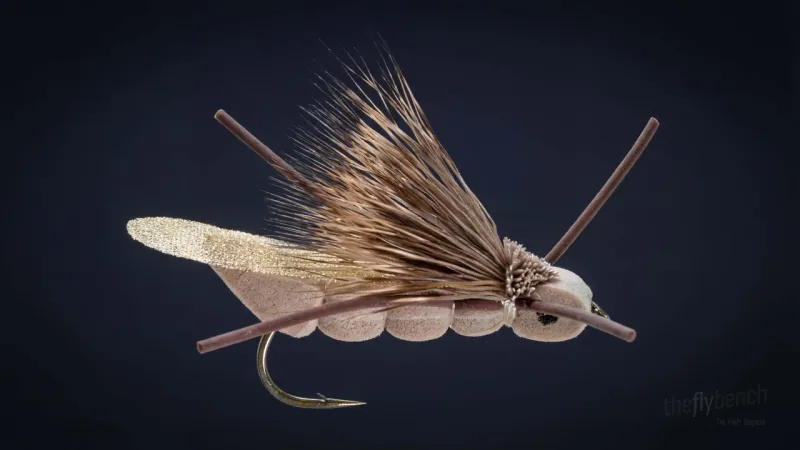
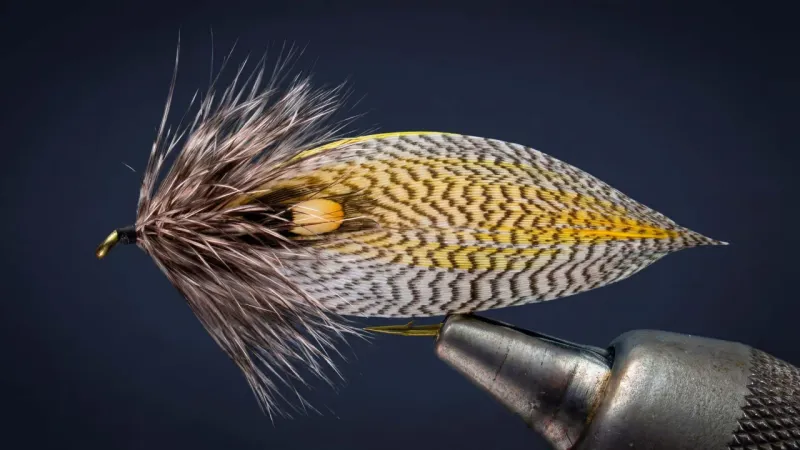
The Morrish Hopper is a high-floating, realistic hopper pattern that was created by Ken Morrish. It's a summer staple and a great fly to have when trout are looking up and feeding on terrestrials.
Summer
Advanced
Trout
Nov 2025
Overview
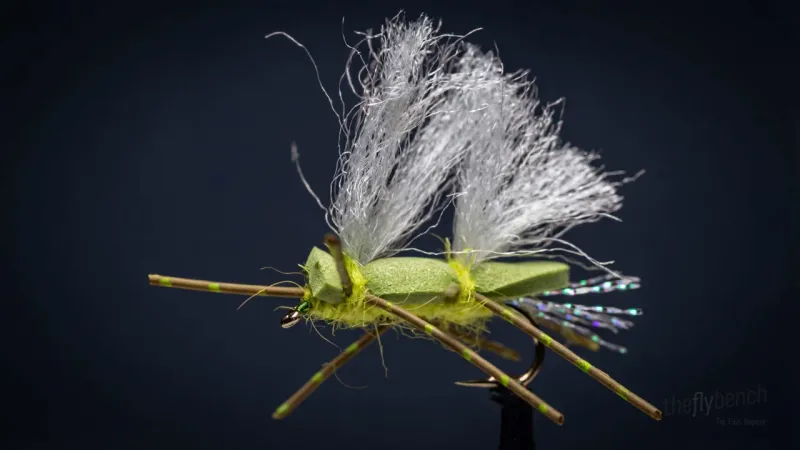
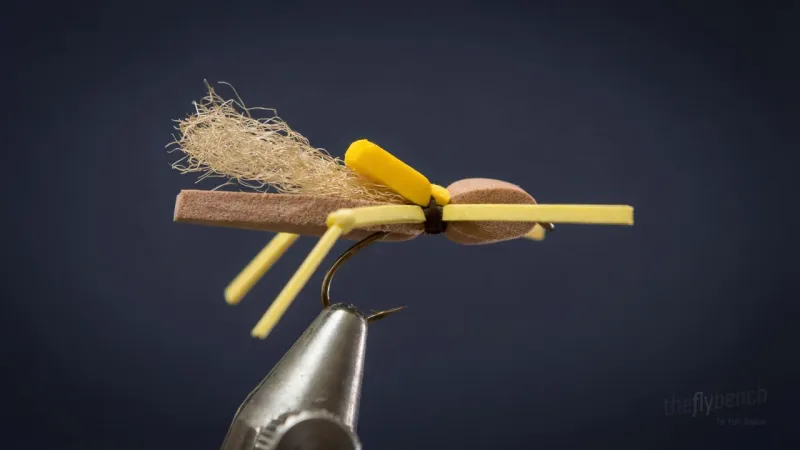
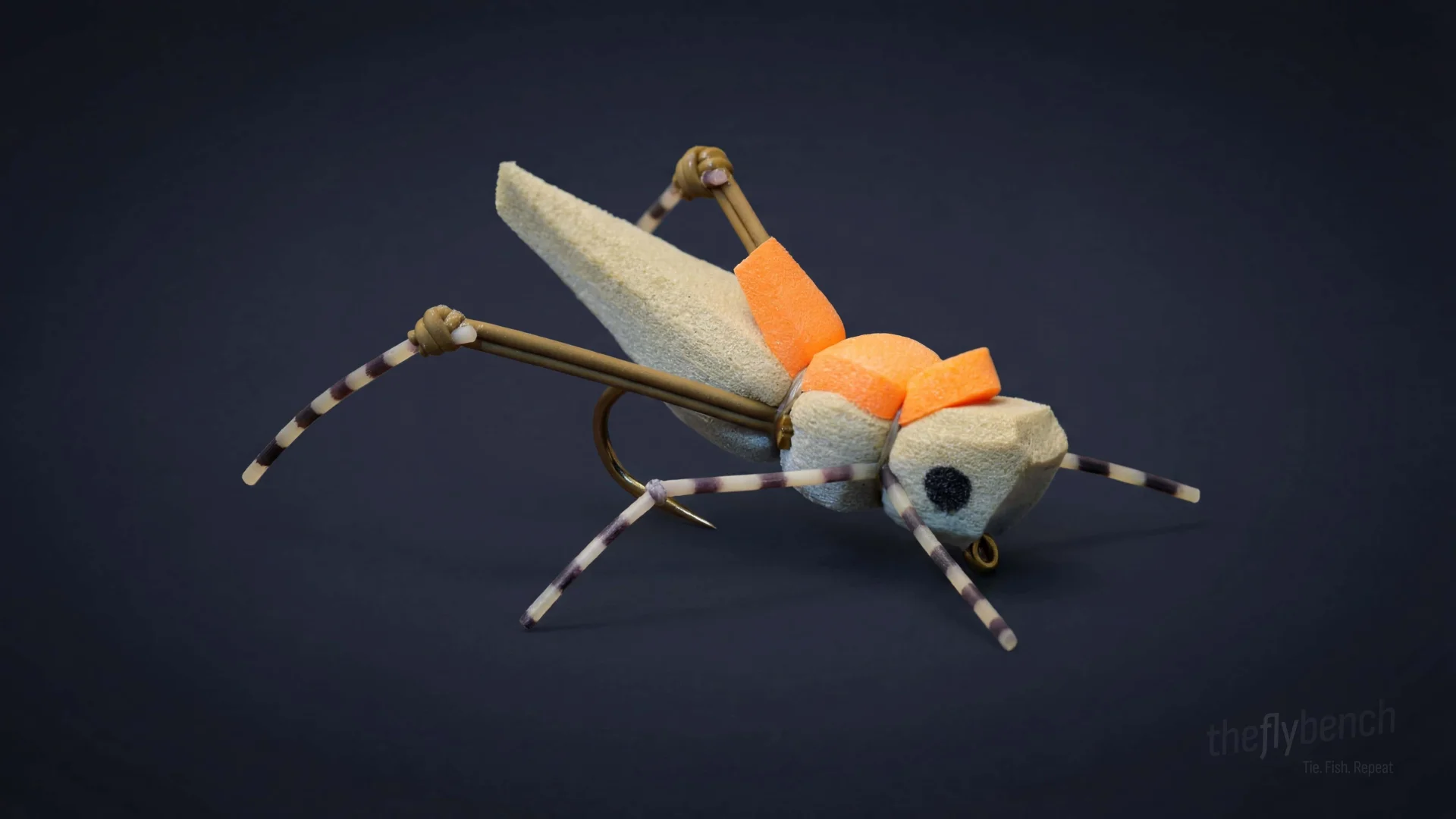
This high-floating foam hopper has a sculpted two-tone foam body, knotted rubber legs, and a poly or deer hair wing. Durable, buoyant, and visible, it's a summer go-to for hopper-dropper rigs and windy afternoons.
Where to Buy This Fly
We only link to fly shops we trust. Some links are referral links, which may earn us a commission at no extra cost to you.
Materials
- Hook:
- TMC 5262 Nymph & Streamer Hook - 8
- Thread:
- UTC Ultrathread 70 Denier - Tan
- Body:
- Fly Tying Foam - 6mm - Tan
- Indicator:
- Fly Tying Foam - 2mm - Orange
- Indicator (Alternate):
- Rainy's Cross-Link Sheet Foam - 2mm - Orange
- Leg 1:
- Tarantu-Leggs - Dark Tan Black Barred
- Legs 1 (Alternate):
- Speckled Centipede Legs - Medium - Speckled Clear Tan
- Legs 2:
- Wapsi Round Rubber Legs - Medium - Mud Brown
- Tool:
- Morrish Hopper Foam Body Cutter Set - Large Set (6 & 8)
- Tool:
- Morrish Hopper Foam Body Cutter - 8
- Glue:
- Fly Tyer's Z-Ment
Behavior & Presentation
Natural Behavior: Grasshoppers tumble into streams during late summer, their heavy bodies creating audible splashes and frantic kicking as they struggle to reach shore. Trout respond explosively to these sudden food windfalls, often traveling significant distances to intercept hoppers.
Where Trout Eat It: Surface near banks and undercut edges, cutbanks, overhanging vegetation, and grass-lined runs where hoppers concentrate.
How to Fish It: Cast near banks and undercut edges where hoppers naturally fall into the water. Use a splashy landing to mimic a struggling insect because this reproduces the audible disturbance hoppers create, then let it drift naturally. Occasional twitches imitate hopper kicks and trigger aggressive strikes because this matches their frantic swimming attempts.
Best Water: Grassy banks in freestone streams, rivers, meadow sections, cutbanks, overhanging vegetation, and grass-lined runs.
Strike Type: Explosive eat as trout travel significant distances to intercept hoppers. Watch for aggressive, audible surface strikes and visible splashes.
Fishing Strategy
Rigging Suggestions: Fish on 7.5-9ft 3X-4X tippet to turn over the bulky profile. Excellent as a single fly for bank fishing or as the indicator in a hopper-dropper setup with a nymph trailing 18-30 inches below to cover both surface and subsurface feeding.
Seasonal Timing: Peak effectiveness July through September when grasshoppers are abundant in streamside vegetation, with best fishing during late summer (August-September) when hoppers reach maximum size because this is when they are most visible to trout. Water temperatures range from 60-70°F during peak effectiveness. Most productive during hot, sunny days when hoppers are active in grasses. Target late morning through afternoon when terrestrial activity peaks. Windy days blow hoppers onto the water, creating exceptional fishing opportunities.
Pro Tips: The foam body provides exceptional buoyancy, keeping the fly afloat even after multiple strikes. The high-riding profile creates a large silhouette that draws fish from distance. Fish it aggressively along banks—hopper fishing rewards bold presentations and coverage of water.
Entomology
Grasshoppers tumble into streams during late summer, their heavy bodies creating audible splashes and frantic kicking as they struggle to reach shore. Trout respond explosively to these sudden food windfalls, often traveling significant distances to intercept hoppers. The Morrish design's realistic profile and foam buoyancy allow it to withstand aggressive strikes while maintaining lifelike floating posture.
- Order
- Orthoptera
- Family
- Acrididae
- Common Name
- Grasshopper
- Organism Type
- terrestrial
- Life Stage
- adult