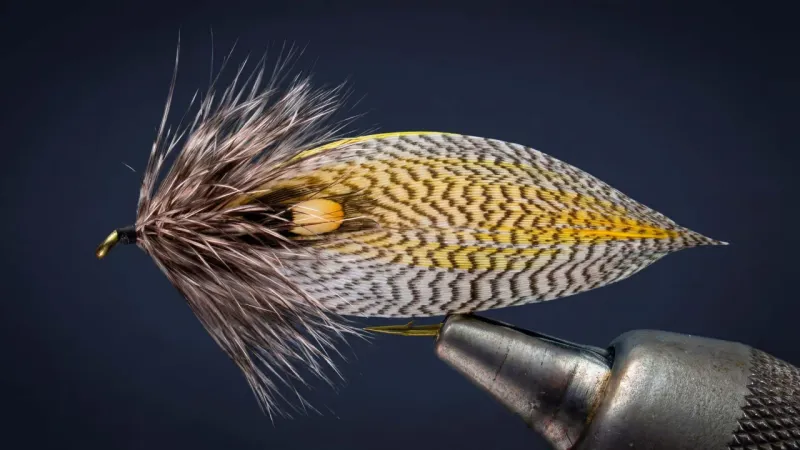
Dry FliesHarrop Ant
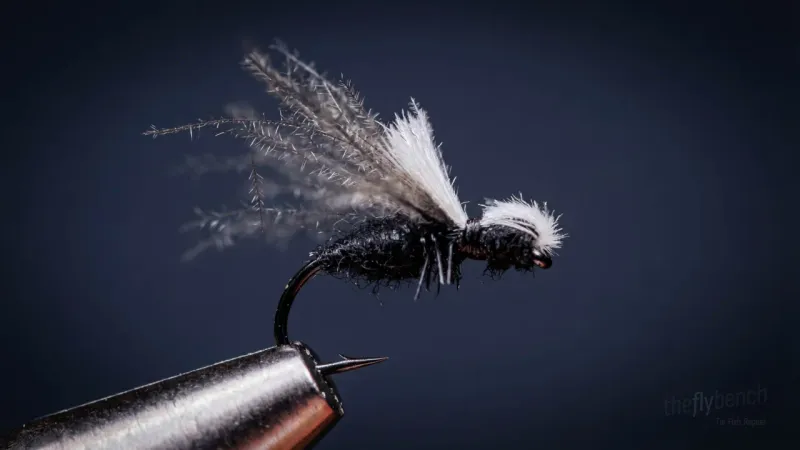
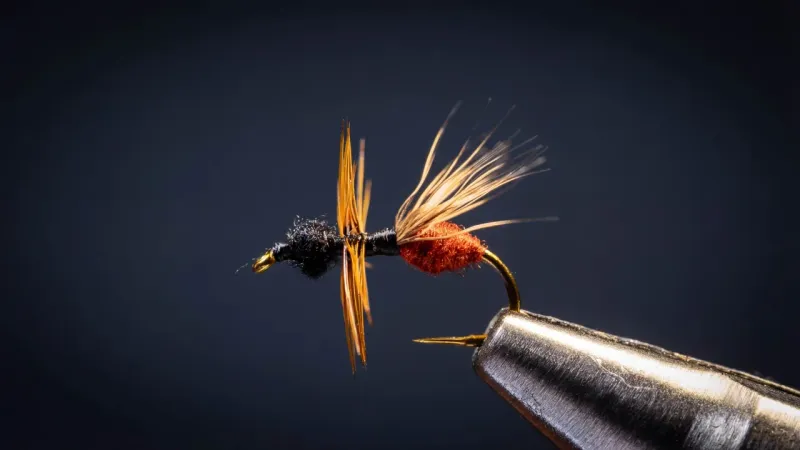
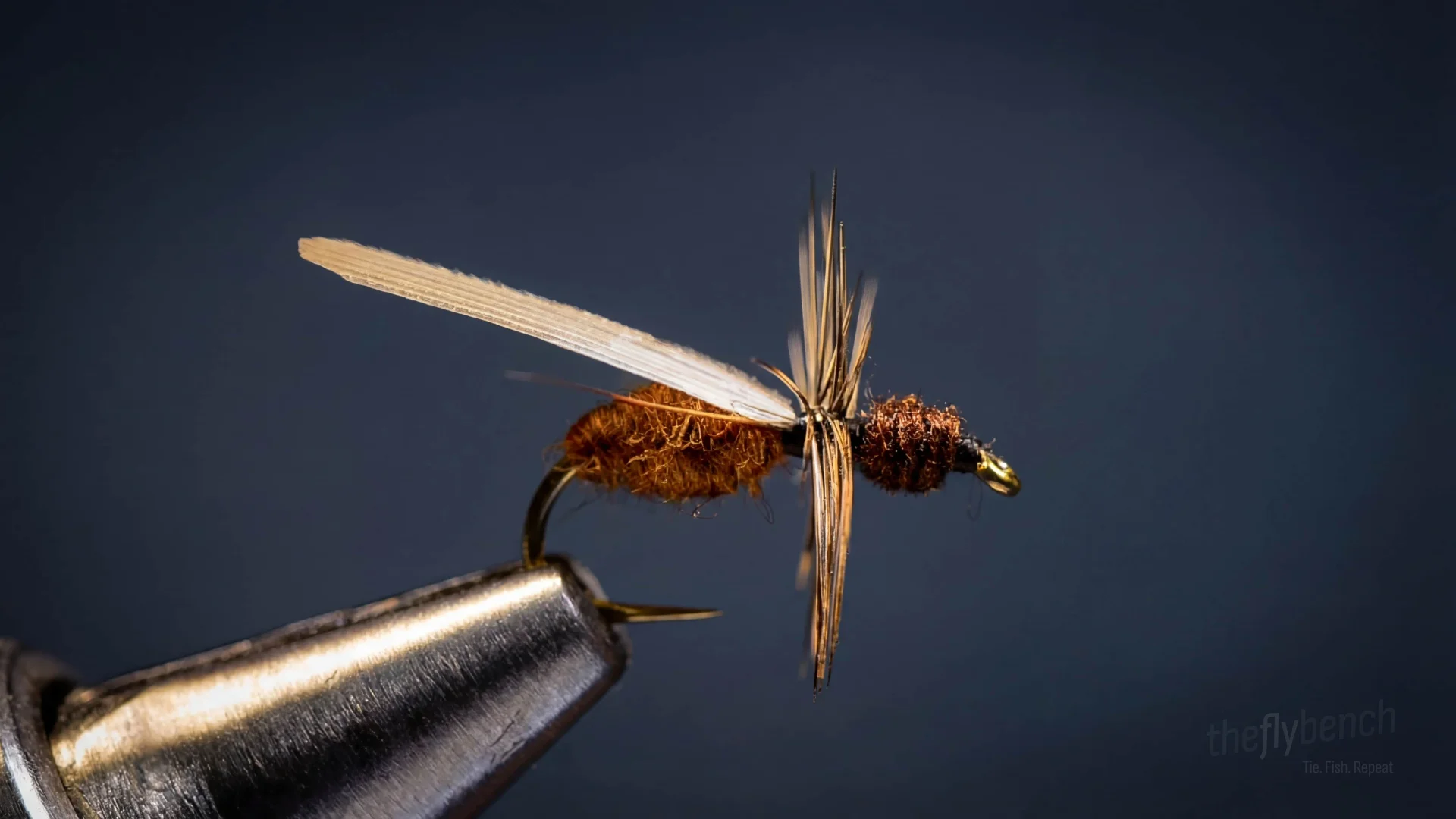
The Harrop Ant is an elegant terrestrial pattern designed by Rene Harrop that masterfully captures the distinctive silhouette of a flying ant. This sophisticated design features a dubbed butt section, moose body hair legs, duck quill wings, and a sparse hackle collar that allows the fly to sit properly in the surface film. The combination of natural materials creates a realistic profile that fools the most selective trout during ant falls.
Summer, Fall
Intermediate
Trout
Dec 2025
Overview
This Charlie Craven pattern from Charlie's Fly Box showcases Rene Harrop's refined approach to terrestrial imitations. The Harrop Ant stands apart from simpler ant patterns through its use of duck quill wings that accurately imitate the wings of a winged reproductive ant. The moose body hair legs provide the dark, segmented appearance of ant legs, while the blend of dubbing colors in the butt creates the subtle color variations seen in natural ants. The sparse hackle allows the body to ride in the film for a realistic presentation.
Materials
Hook: Tiemco 100SP-BL, #12-18
Thread: Veevus 14/0, black
Butt: Superfine Dubbing (blend of rusty brown, mahogany, and amber)
Legs: Moose Body Hair
Wing: Duck Quill
Hackle: Rooster Cape, barred dark ginger or cree
Head: Superfine Dubbing, mahogany
Behavior & Presentation
Natural Behavior: Ants fall from streamside vegetation following chemical trails, struggling methodically with alternating leg movements once waterborne. Their three-part segmented bodies create distinctive low-profile silhouettes trapped in surface tension.
Where Trout Eat It: Trout sip ants struggling in the surface film along banks and foam lines of Henry's Fork and Railroad Ranch where terrestrials accumulate after falling from streamside vegetation. Fish become selective to ants mid-summer through early September, often refusing everything else.
How to Fish It: Present with delicate 5X-6X tippet using short, accurate casts near feeding fish. The sparse hackle and dubbed body ride low in the film, imitating a struggling ant. Stealthy approach and perfect slack-line presentation prevent drag on smooth water.
Best Water: Undercut banks, grass edges, and eddy margins near overhanging vegetation on spring creeks where established ant trails cross above the water and wind-driven colonies fall during warm, humid days.
Strike Type: Trout dimple the surface with barely visible rises—their noses break the film to sip struggling ants.
Fishing Strategy
Rigging Suggestions: Fish on a 9-12 foot leader tapering to 5X-6X tippet for delicate presentations. The subtle profile requires accurate casts that land softly near feeding fish.
Seasonal Timing: and fall when ant activity peaks. Flying ant falls can occur from late June through October, with peak activity during warm, humid days.
Pro Tips: The sparse hackle and dubbed body allow the fly to ride low in the film, imitating a struggling ant.
Entomology
Terrestrial ants follow established chemical trails along streambanks, with workers occasionally falling into water during foraging activities or when vegetation overhangs the current. Once waterborne, ants struggle methodically with alternating leg movements while trapped in surface tension, their segmented bodies creating a distinctive three-part silhouette. Their acidic flavor profile and reliable late-summer abundance make them learned prey items, with fish often keying exclusively on ant patterns during peak terrestrial season.
- Order
- Hymenoptera
- Family
- Formicidae
- Common Name
- Ant
- Organism Type
- terrestrial
- Life Stage
- adult