Dry FliesTom Thumb
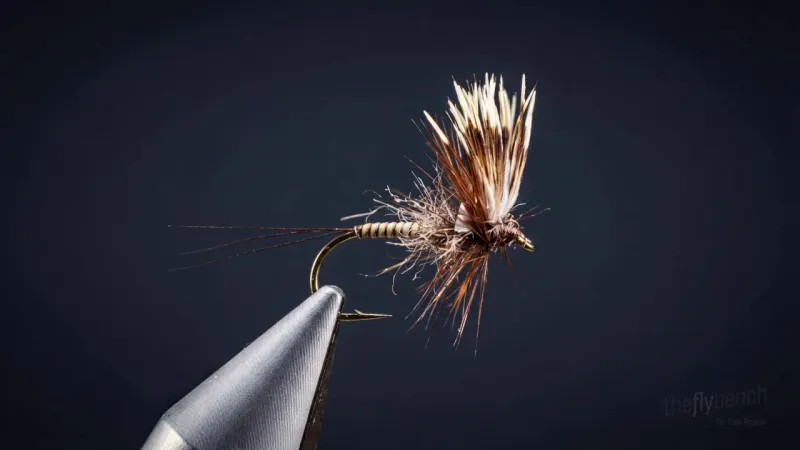
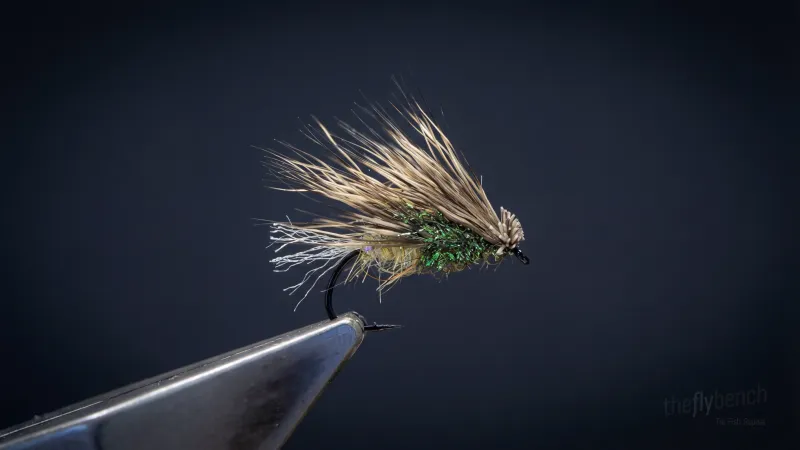
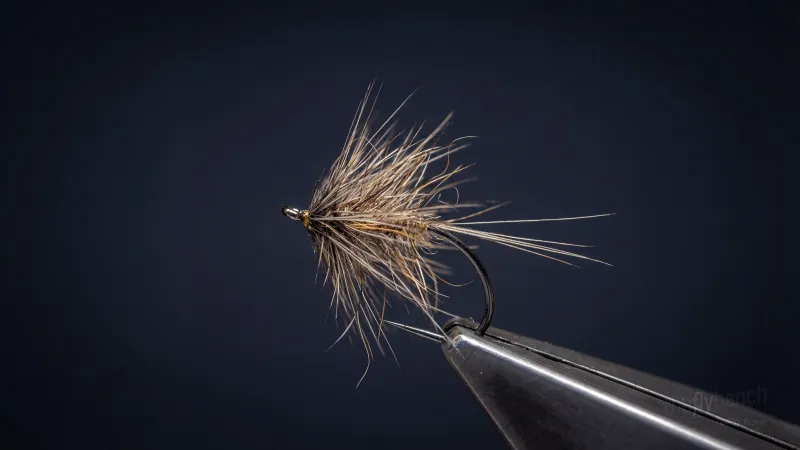
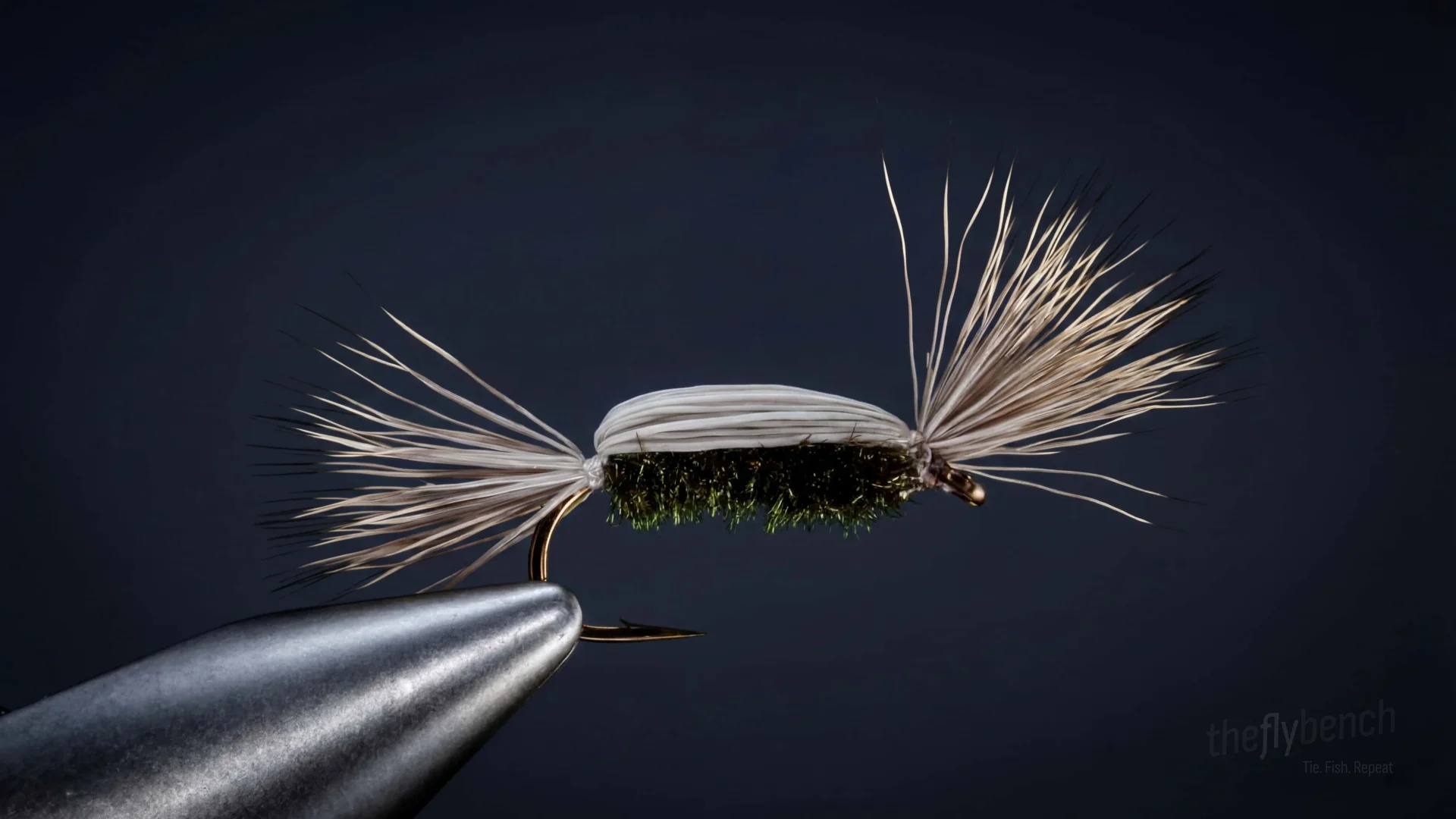
The Tom Thumb is a classic deer hair dry fly that originated in England in the 1940s but was popularized in Canada. Essentially a Humpy without hackle, it features a shellback design using deer hair over a peacock herl body. The combination of deer hair and peacock herl creates an irresistible profile for trout and grayling.
Summer, Fall
Intermediate
Trout, Grayling
Dec 2025
Overview
The Tom Thumb's origins are debated—some attribute it to England in the 1940s, though deer hair was rarely used there at that time. Canada is where the pattern truly flourished, being a birthplace of deer hair fly patterns. Nature's Spirit Humpy deer hair is recommended for optimal stacking in sizes #8–#12. By adjusting wing length, the pattern becomes Borger's Devil Bug (shorter wing) or a Cooper Bug variant (even shorter).
Where to Buy This Fly
We only link to fly shops we trust. Some links are referral links, which may earn us a commission at no extra cost to you.
Materials
- Hook:
- Mustad R50, size #8–#14
- Thread:
- Dyneema
- Tail:
- Deer hair, stacked
- Body:
- Peacock herl
- Shellback:
- Deer hair
- Wing:
- Deer hair, upright
Behavior & Presentation
Natural Behavior: Various adult insects ride turbulent pocket water, bouncing through broken currents where summer terrestrial activity concentrates diverse species. Chaotic flow limits fish inspection time, prompting aggressive response to visible floating food.
Where Trout Eat It: Fish attack surface targets in pocket water, riffles, and along current breaks where turbulence delivers diverse insects.
How to Fish It: Skate and twitch the pattern across broken water to create movement, or dead drift through calmer pockets.
Best Water: Focus on pocket water behind boulders, riffle edges, and current breaks where surface insects concentrate in turbulent zones.
Strike Type: Explosive rises with visible splashes signal aggressive, opportunistic feeding in fast water.
Fishing Strategy
Rigging Suggestions: Use 9-foot leader tapered to 4X or 5X tippet. Effective as a lead fly in a dry-dropper rig with a small nymph trailing 12–18 inches below.
Seasonal Timing: and fall when terrestrial and attractor patterns excel. Works well from June through October on freestone streams and tailwaters.
Pro Tips: Rides high on the water thanks to the buoyant deer hair wing and shellback. The peacock herl body adds natural flash and movement.
Entomology
Small adult insects ride turbulent pocket water and riffles, bouncing through broken surface currents where multiple species overlap during summer terrestrial activity. Trout strike these multi-taxa patterns aggressively in fast water because the chaotic flow concentrates diverse surface insects into narrow feeding zones with limited inspection time.
- Order
- Trichoptera
- Common Name
- Caddisfly
- Organism Type
- insect
- Life Stage
- adult