

Overview
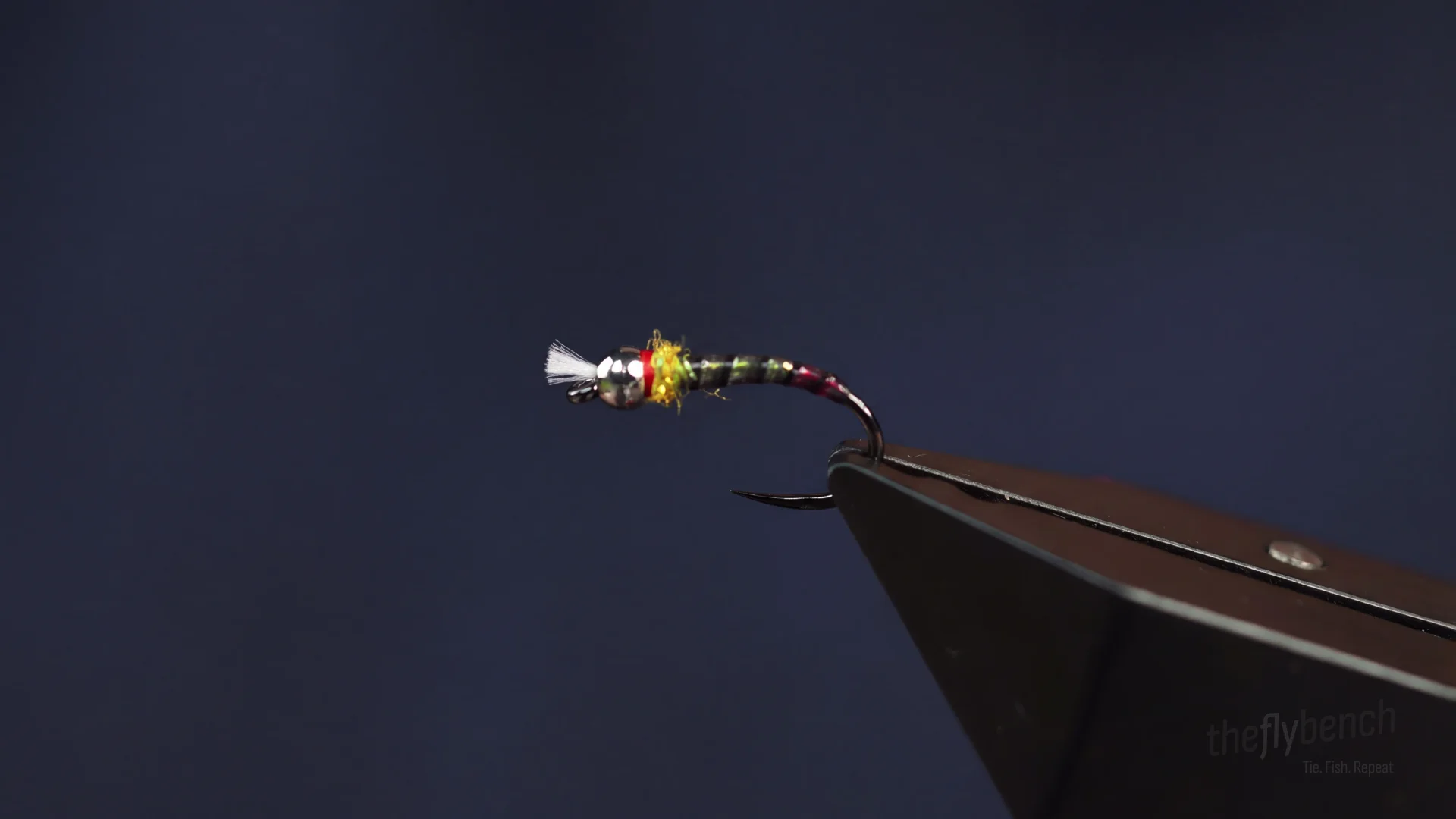
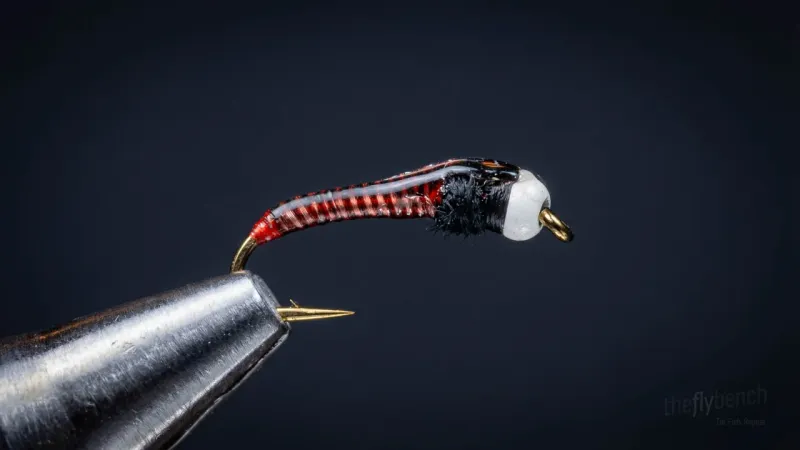
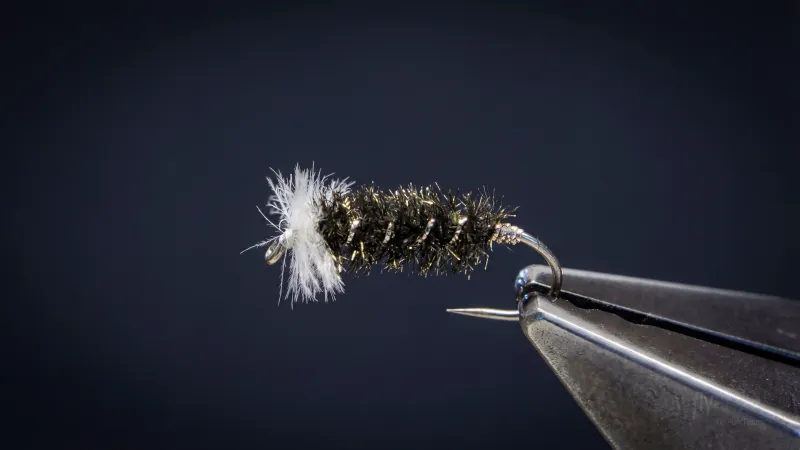
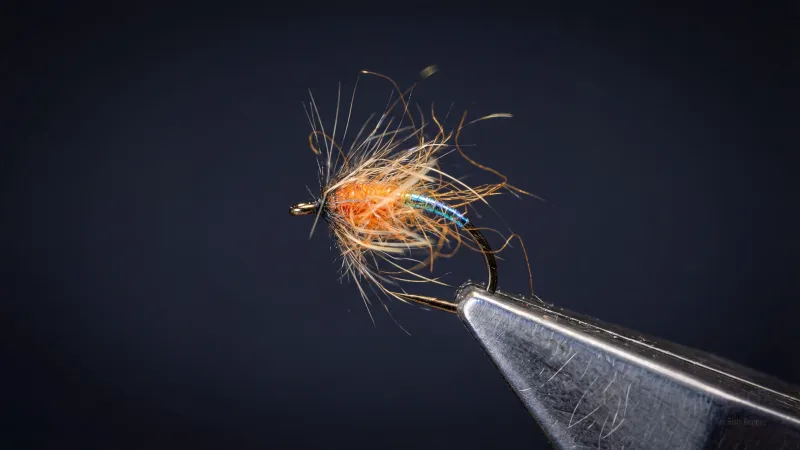
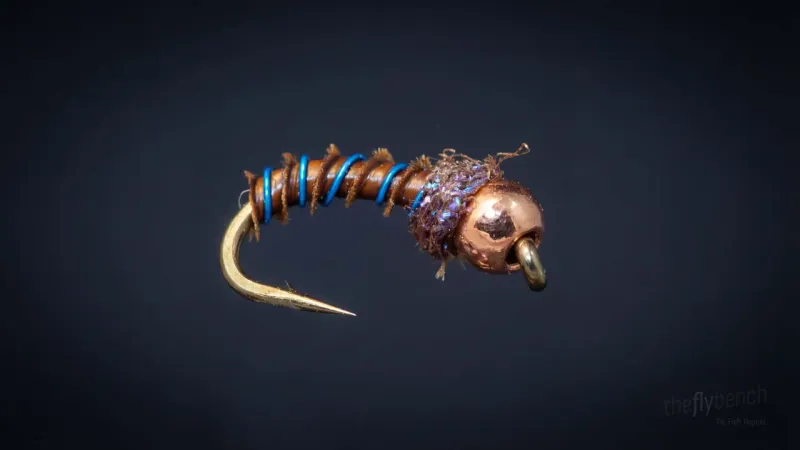
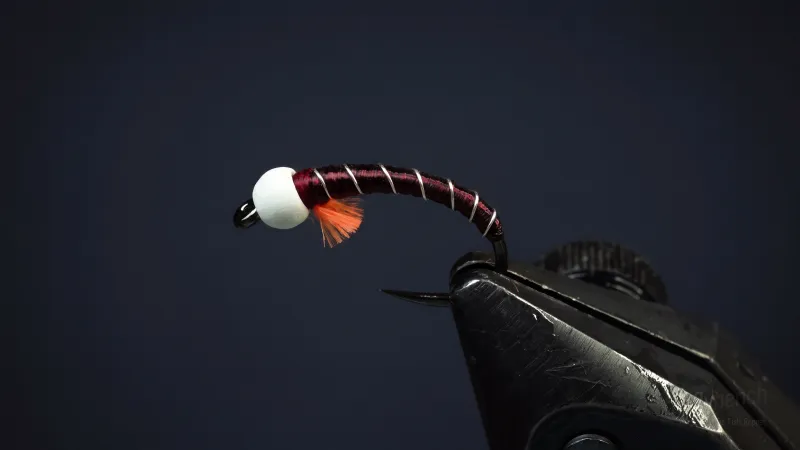
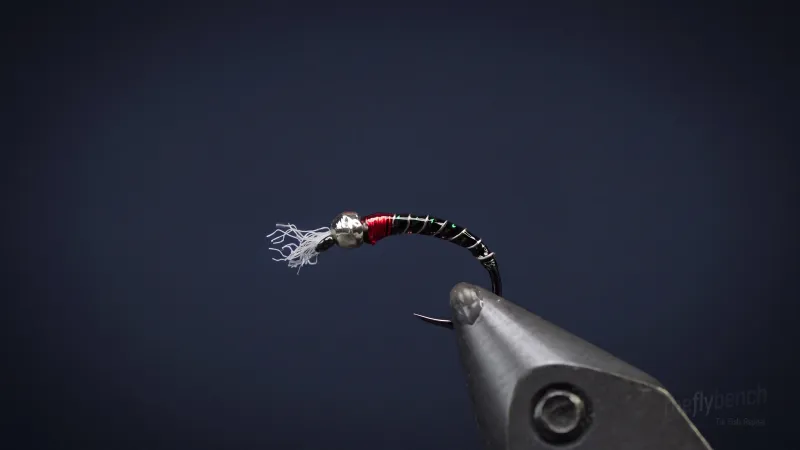
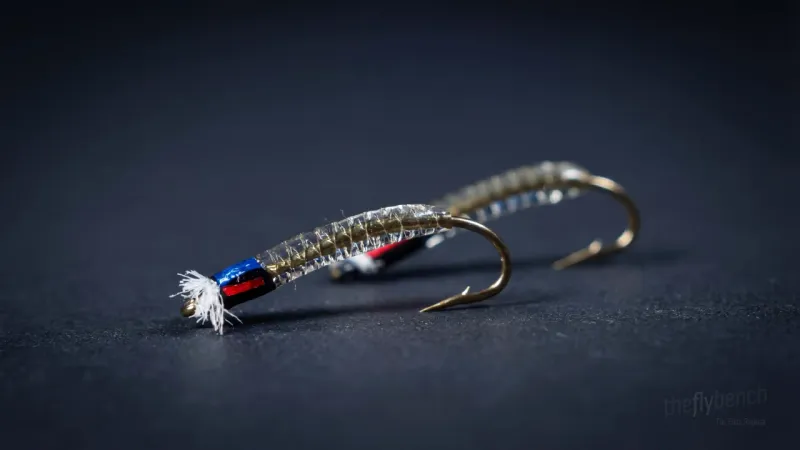
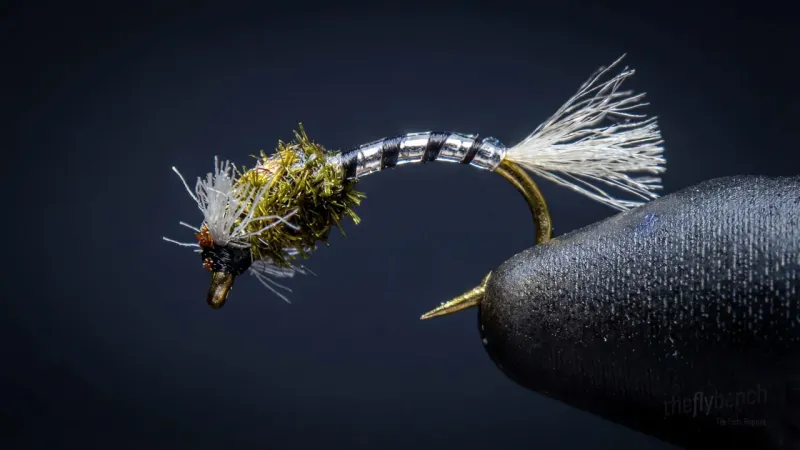
Curtis of Fly Fish Food ties this pupa on a size 12 Fulling Mill grab-gape hook with a nickel tungsten bead. The two tones come from wrapping a see-through Hemingway peacock quill over opal Mirage tinsel, so the flash shows through each segment. Swapping the quill to gray, natural or holo natural changes the color with one material, and a thin coat of UV finish keeps the body smooth and durable.
Related patterns
Behavior & presentation
- Natural Behavior
- Mature chironomid pupae leave their mud tubes and drift upward in short, wriggling bursts, pausing often as gas builds under the skin and gives the body a silvery glint.
- Where Trout Eat It
- Trout cruise a band just off the bottom or partway up the water column over soft lake beds, picking off pupae as they hang between bursts.
- How to Fish It
- Hang it under an indicator so it sits a foot or two above the bottom, or fish it on a long leader with a hand-twist retrieve so slow it barely moves.
- Best Water
- Shoals of 8-20 feet, drop-off edges, marl flats and the mouths of shallow bays where mud bottoms hold heavy chironomid populations.
- Strike Type
- The indicator slides under slowly or ticks sideways; on a naked line the take shows as a soft draw or the line going heavy, so lift at any change.
Fishing strategy
- Rigging Suggestions
- Floating line with a fluorocarbon leader 1.5 times the water depth, a quick-release indicator and 4X-5X tippet. The tungsten bead lets it sink without extra shot, and it also suits a midge-tip line on a long leader.
- Seasonal Timing
- Best from ice-off through June, with the heaviest emergences in May in many northern lakes, and again in September and October as water cools.
- Pro Tips
- Find the bottom with a depth clamp first, then set the fly just above it and move it up in steps until fish answer. Carry the body in gray, natural and holo quill to match pupae color, and lead with a larger fly above a smaller one on a two-fly rig.
Entomology
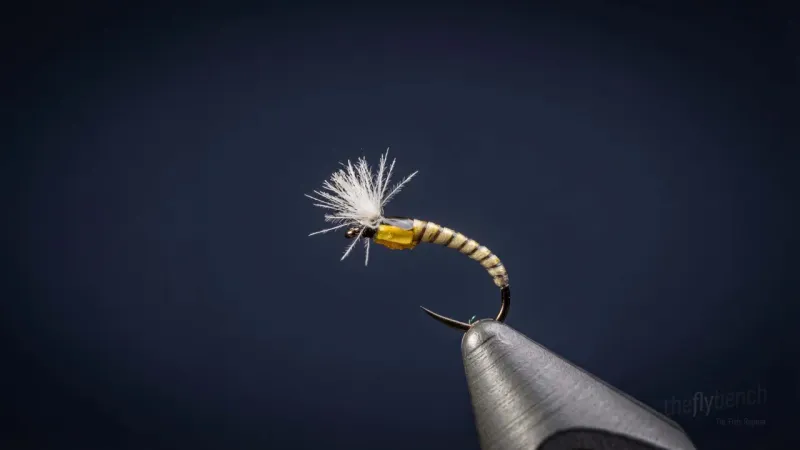
Chironomid pupae develop in tubes in the lake bottom, then rise toward the surface to hatch, a trip that can take hours with frequent rests. Gas trapped beneath the pupal skin gives them a silvery sheen, and white gill tufts at the head show clearly against the dark body. Trout key on the slow-moving pupae because they are numerous, easy to catch and found at predictable depths during a hatch.
- Order
- Diptera
- Family
- Chironomidae
- Common name
- Chironomid
- Organism
- insect
- Life stage
- pupa
Pattern details
- Stillwater
- British Columbia
- Pacific Northwest
- Rocky Mountain
- indicator-nymph
- dead-drift
- midge-hatch
- modern