

Overview
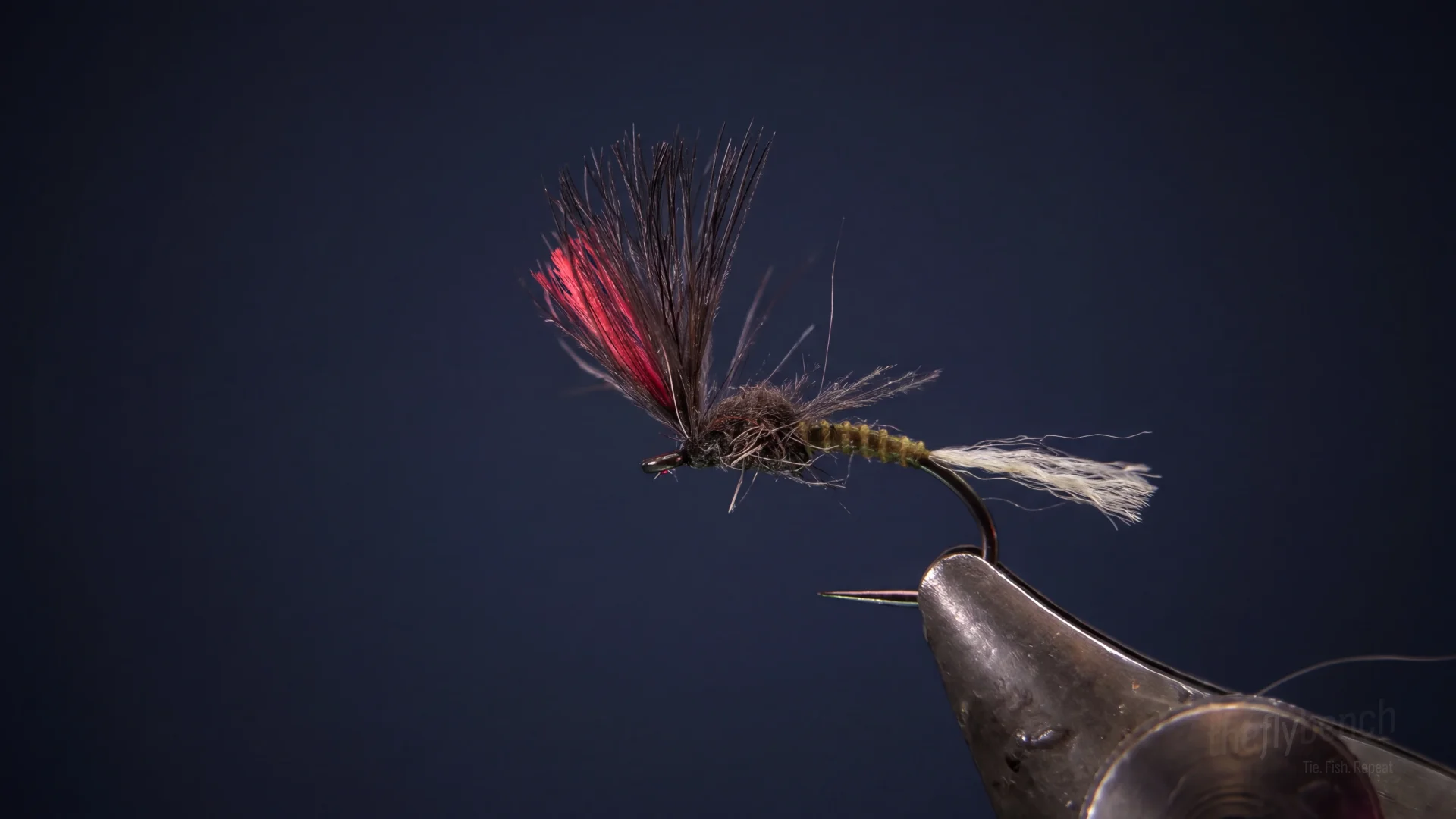
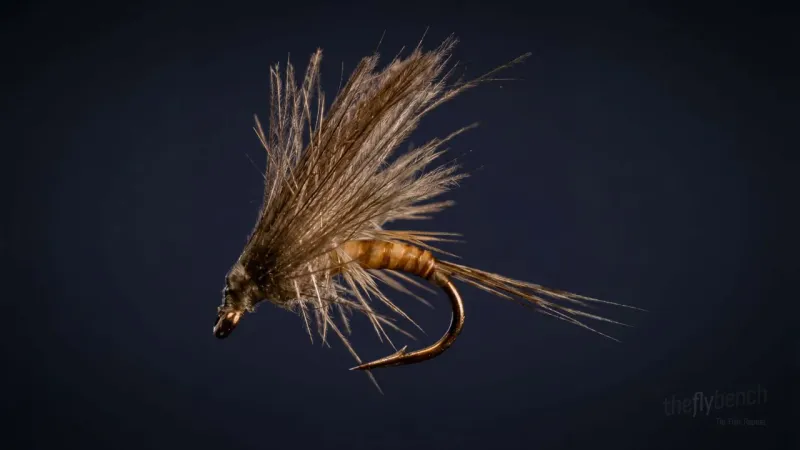
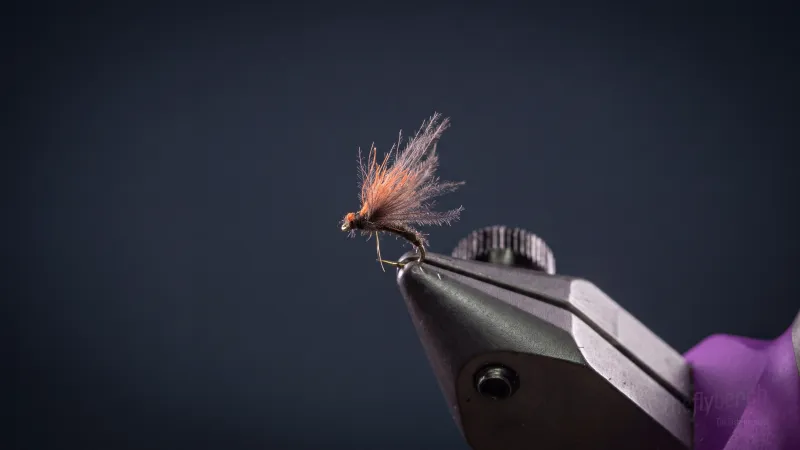
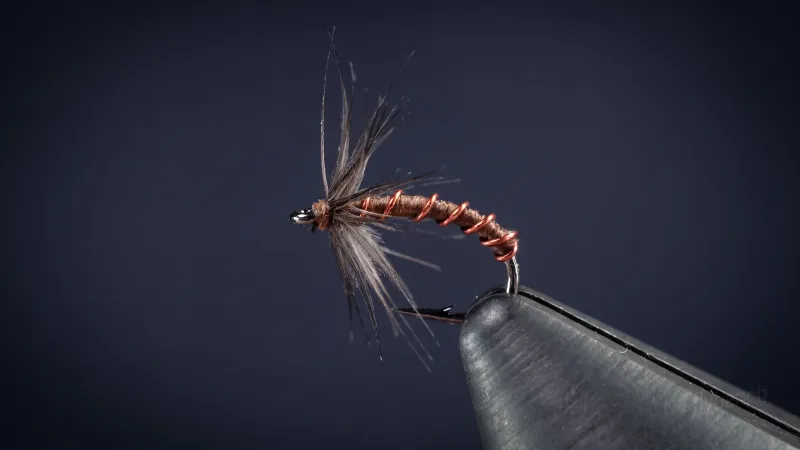
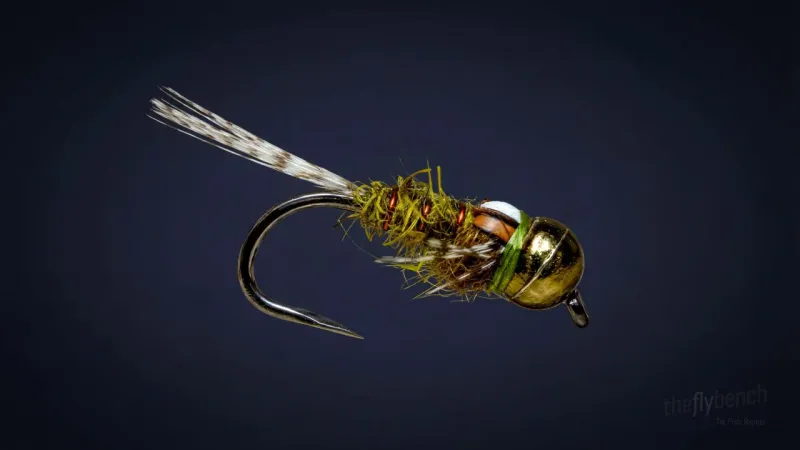
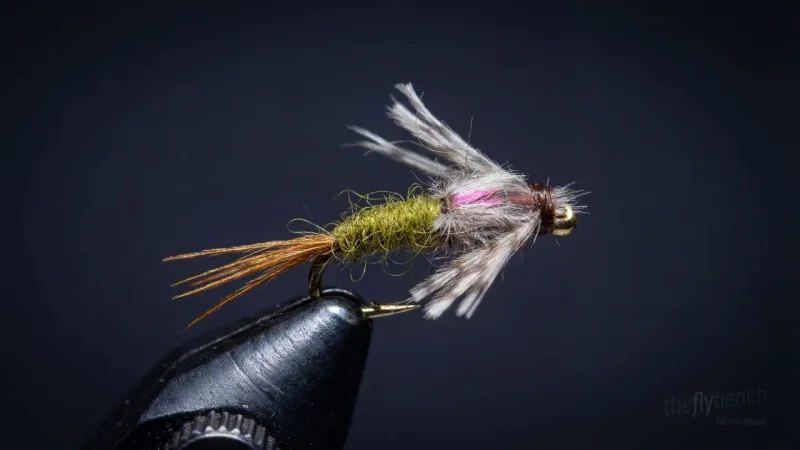
Dakota Angler & Outfitter's take on the silk-bodied emergers associated with Spanish tyers. A split strand of Ephemera silk forms the trailing shuck, and the same silk wraps the abdomen as a rib for crisp segmentation. Two or three CDC feathers make the wing, and a short tuft of Datum floss acts as a sighter. Change thread and silk colors and it covers PMDs and other small mayflies.
Related patterns
Behavior & presentation
- Natural Behavior
- Baetis nymphs swim to the surface and stall under the film, splitting their skin while the wings push free. Many get stuck halfway with the shuck still trailing, especially on cold, damp days.
- Where Trout Eat It
- Trout hold just under the surface in slower currents and sip stuck duns and cripples in a steady rhythm, often ignoring fully winged adults.
- How to Fish It
- Cast a short line slightly upstream of a rising fish and let the fly drift drag-free in the film, lightly treating only the CDC so the silk body hangs below the surface.
- Best Water
- Slicks below riffles, foam lines along banks, soft seams and flat tail-outs where small olives collect and trout feed in plain view.
- Strike Type
- A quiet sip or nose-break where the sighter was. Lift gently to set, since the light tippet and small hook pull free easily.
Fishing strategy
- Rigging Suggestions
- Fish it alone on a 10-12 foot leader tapered to 6X or 7X, or trail it 18 inches behind a larger dry when light is poor. Use a CDC-safe powder floatant and keep the abdomen untreated.
- Seasonal Timing
- Best during spring olive hatches from March to May and again from late September through November, with the heaviest emergences on overcast afternoons. Lighter versions match summer PMDs.
- Pro Tips
- Keep the silk shuck short and sparse so it reads as a skin rather than a tail. After each fish, rinse the fly, squeeze it dry and dust it with powder to bring the CDC back up. Trim the floss sighter shorter for spooky fish on flat water.
Entomology
Baetis nymphs rise to the surface and hang in the film while the adult splits free of the nymphal skin. Cold or wet weather slows this process, leaving many insects stuck with the shuck attached and unable to fly. Trout target these stalled emergers because they sit still and cannot escape.
- Order
- Ephemeroptera
- Family
- Baetidae
- Common name
- Blue-Winged Olive
- Organism
- insect
- Life stage
- emerger
Pattern details
- Moving Water
- Midwest
- Rocky Mountain
- dead-drift
- baetis-hatch
- low-clear-water
- sight-fishing
- modern