

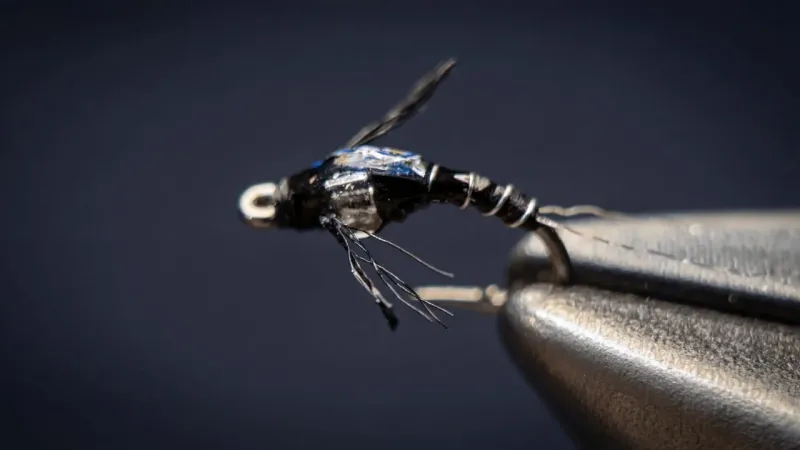
Overview
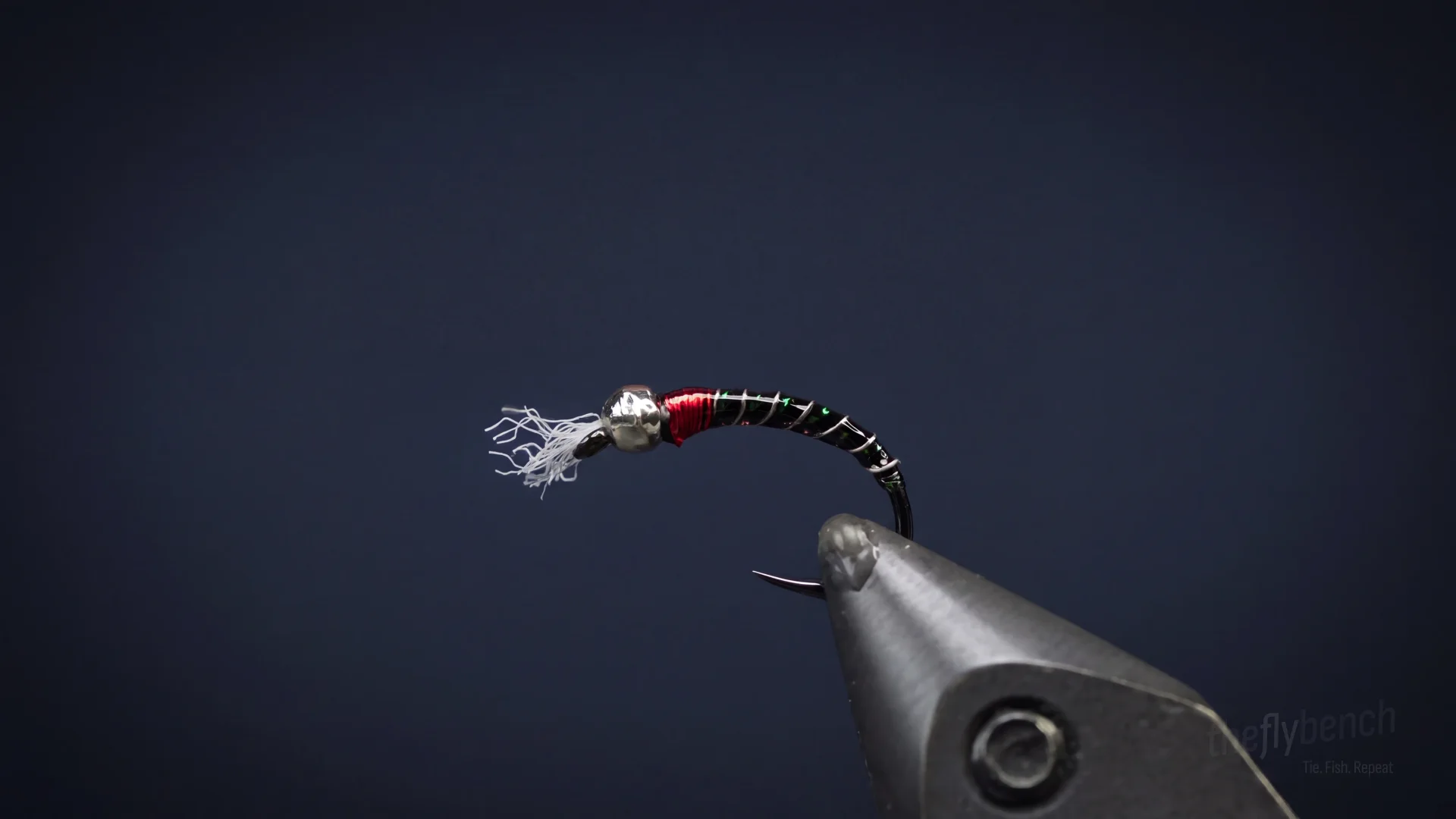
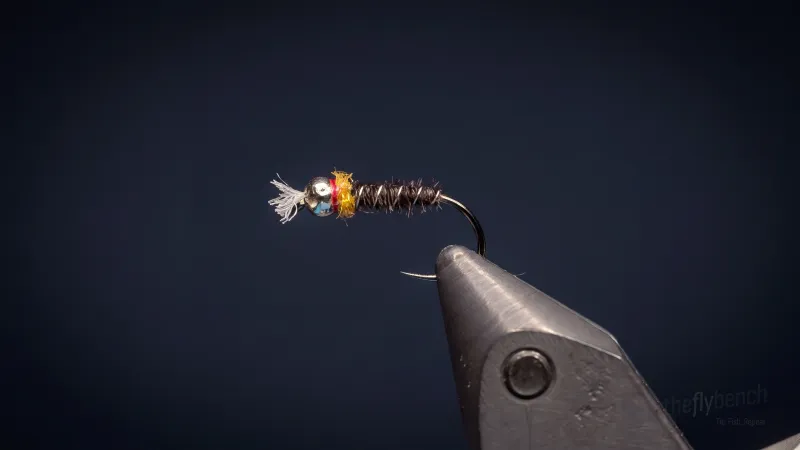
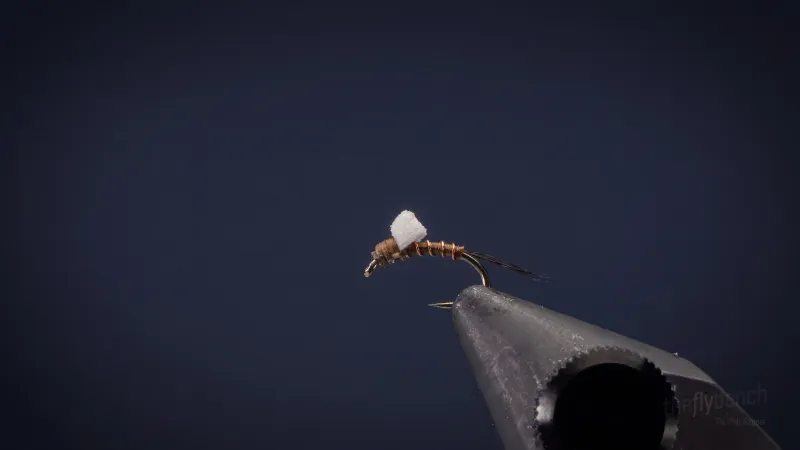
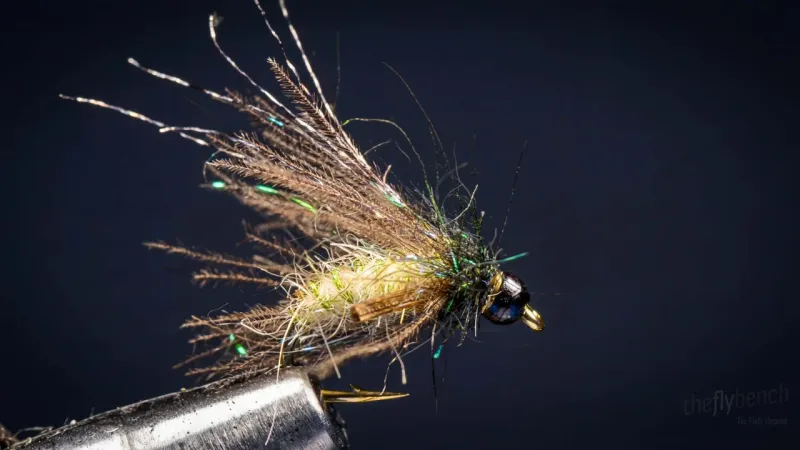
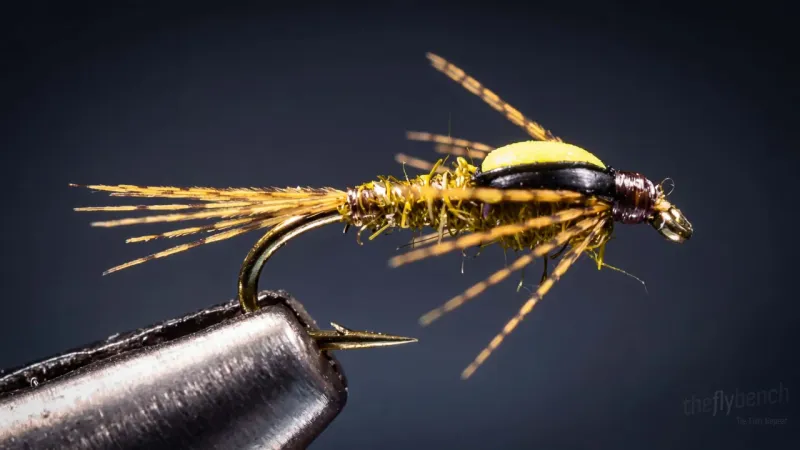
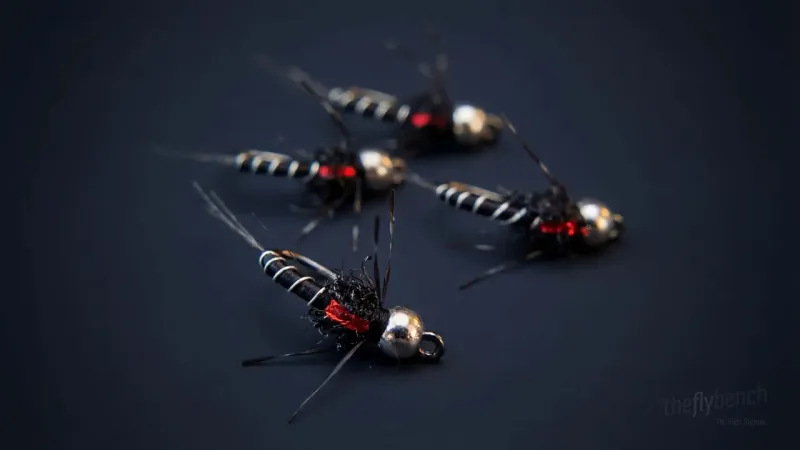
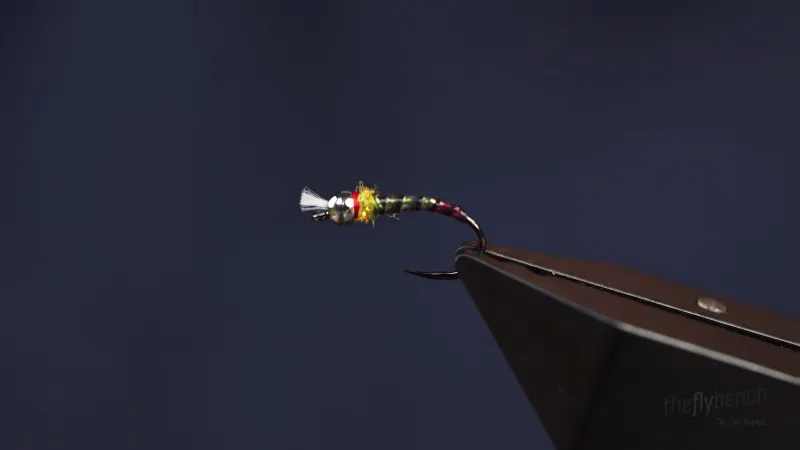
Spencer Higa came up with this chironomid while guiding full time in eastern Utah, when late-season fish had grown wary of the flies used on them all spring and summer. The black body sits over a Krystal Flash underbody, and that hint of flash seemed to matter most days. The thorax began as floss; switching to red Ultra Wire added segmentation and a bit of weight. Tie it in black or olive.
Related patterns
Behavior & presentation
- Natural Behavior
- Late-season chironomid pupae leave the mud and drift upward in slow, wriggling pulses, trapped gas under the skin giving off a faint silver glint as they near the film.
- Where Trout Eat It
- Trout that have seen plenty of flies by late summer hold over soft bottoms and pick off rising pupae, sometimes within a few feet of the surface on calm evenings.
- How to Fish It
- Hang it straight down under an indicator set just off the bottom, or under a buoyant dry when fish are feeding in the top five feet, and let it sit nearly still.
- Best Water
- Drop-offs at the edge of shoals, muddy bays, and weed edges where pupae concentrate before they emerge.
- Strike Type
- The indicator or dry usually just stops, sinks slowly, or slides sideways a few inches as a cruising fish sips the pupa and keeps swimming.
Fishing strategy
- Rigging Suggestions
- Floating line with a long leader tapered to 5X fluorocarbon, the fly hung under a slip indicator set about a foot off the bottom. When fish feed shallow, swap the indicator for a high-floating dry and drop the fly two to four feet below it.
- Seasonal Timing
- Works from ice-off through fall, and earns its keep late in the season when lake trout turn selective after months of pressure.
- Pro Tips
- Carry black and olive, since one often outfishes the other on a given day. The 2.8 mm tungsten bead and wire thorax get it down quickly, so start deep and move the indicator up until you find fish.
Entomology
Chironomid pupae rise from lake-bottom silt to the surface film, where adults break free of the pupal skin. The ascent is slow and they spend long stretches suspended, so trout can feed on them steadily at whatever depth the pupae gather. Dense emergences through the open-water season make them a staple food in most trout lakes.
- Order
- Diptera
- Family
- Chironomidae
- Common name
- Chironomid
- Organism
- insect
- Life stage
- pupa
Pattern details
- Stillwater
- Rocky Mountain
- indicator-nymph
- dead-drift
- midge-hatch
- guide-fly
- modern
- dry-dropper