Euro NymphsMay ICU - Brown
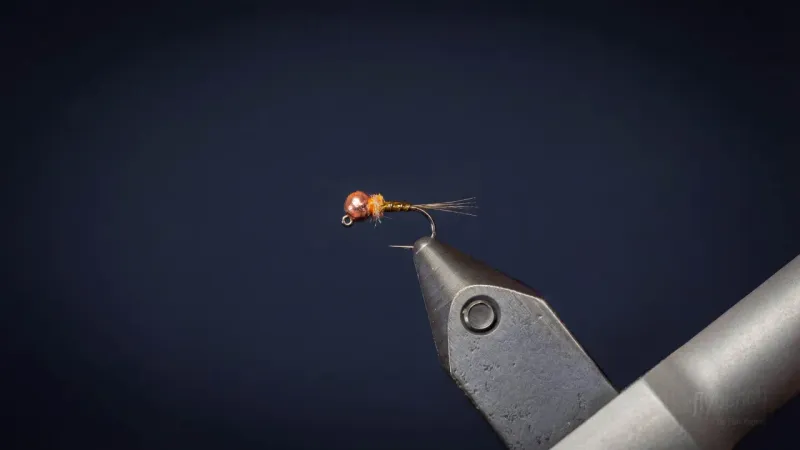
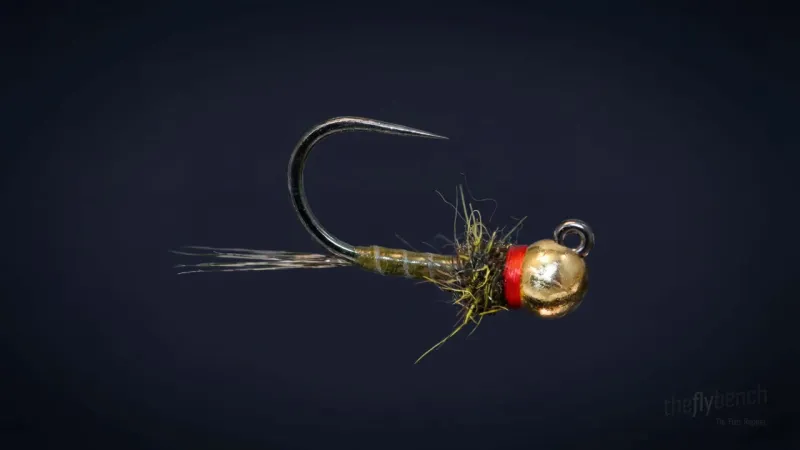
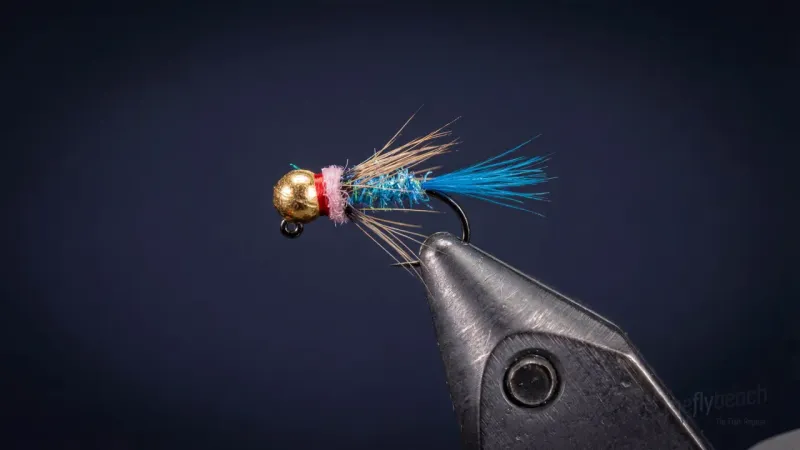
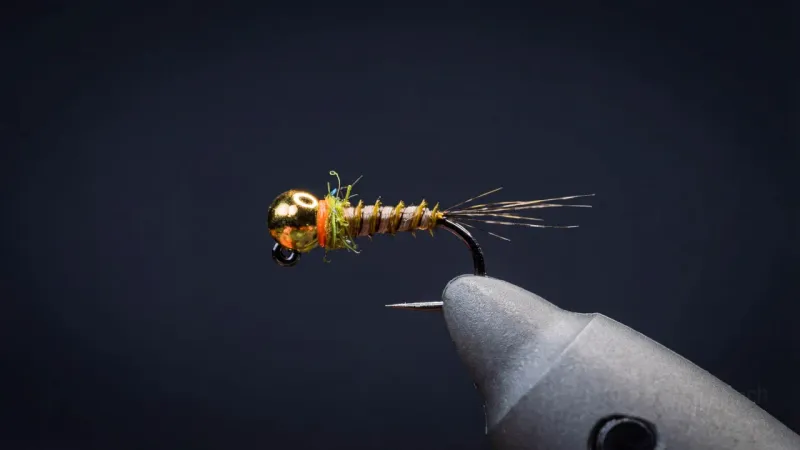
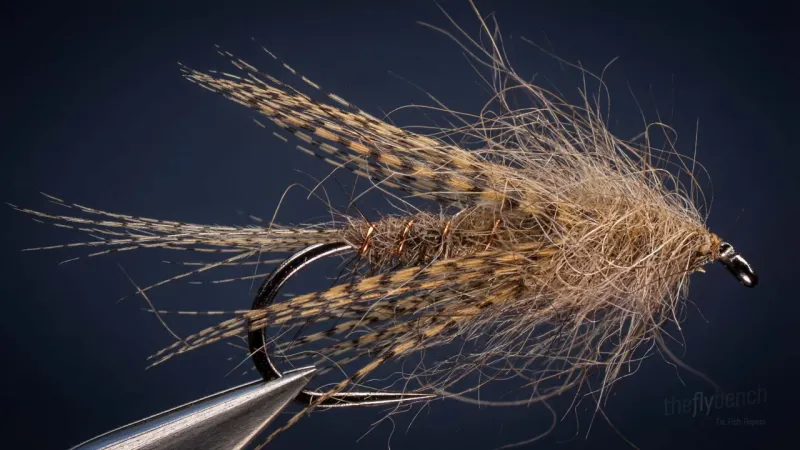
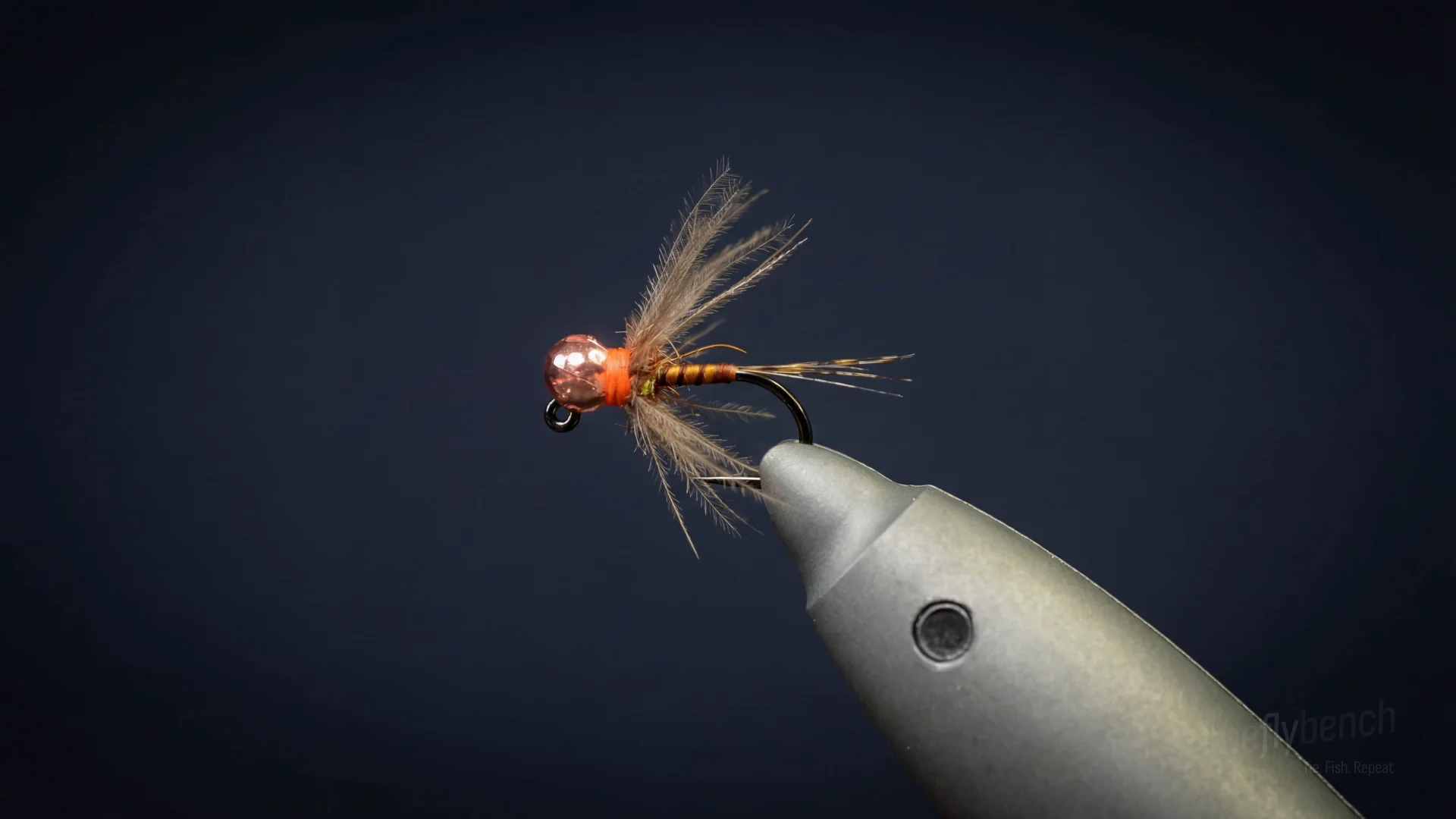
The May ICU - Brown is a clever mayfly nymph designed by Norman Maktima, a signature tyer for Umpqua and long-time Team USA competitor. This quick-to-tie pattern features a slender body, CDC collar, and pearlescent cheeks that grab the attention of unsuspecting trout. The combination of natural materials and subtle flash makes it an effective searching pattern during mayfly activity.
Spring, Summer, Fall
Intermediate
Trout
Dec 2025
Overview
Designed by Norman Maktima, who has spent over two decades as a guide and competed for years on Team USA. The pattern's slender profile and CDC collar provide movement and lifelike appearance in the water. The marker ribbing technique adds segmentation without bulk. The pearlescent cheeks give just enough flash to draw attention without being overly flashy.
Materials
Hook: Umpqua XC400BL-BN jig hook, #14 (or Hanak H 400 BL, #14)
Bead: Slotted tungsten, 3.3mm (1/8"), copper
Thread: UTC 70 denier, wood duck
Tail: Spanish Coq de Leon fibers, pardo
Abdomen: SLF Spikey Squirrel Dubbing, rusty brown
Rib: Chartpak marker, delta brown (dark brown)
Cheeks: Veevus Pearl Tinsel, medium
Collar: CDC feathers, natural grey
Hot Spot: UTC 70 denier, fluorescent orange
Behavior & Presentation
Natural Behavior: Clinger and crawler nymphs scuttle along cobble before breaking free into drift when disturbed or during pre-hatch activity. These nymphs tumble helplessly once swept from the bottom, vulnerable targets in mid-column.
Where Trout Eat It: Fish hold in feeding lanes 1-3 feet deep, intercepting nymphs as they drift through pocket water and channel swings.
How to Fish It: Euro-nymphing with direct contact lets you feel every tick. Lead the drift slightly to keep the fly in the feeding zone near structure.
Best Water: Target pocket water behind boulders, current breaks along riffle edges, and seams where drift concentrates nymphs into narrow feeding lanes.
Strike Type: Sharp tick or sudden stop in the sighter signals a fish pinning the nymph to the bottom.
Fishing Strategy
Rigging Suggestions: Use as a point fly on a euro nymphing setup with a long, sensitive leader. Also effective under an indicator or as a dropper below a dry fly.
Seasonal Timing: through fall mayfly hatches, particularly when Baetis and other small mayflies are active. Works well from March through October in most trout waters.
Pro Tips: The copper tungsten bead provides quick sink rate to reach feeding fish in deeper water. The CDC collar adds subtle movement while the pearl tinsel cheeks catch light and attract attention.
Entomology
Mayfly nymphs exhibit species-specific microhabitat preferences based on current velocity, substrate composition, and dissolved oxygen requirements, creating distinct distribution patterns across stream reaches. Their exoskeletons contain sclerotized proteins that provide structural integrity but also make them less digestible than soft-bodied larvae, yet trout still preferentially consume them due to their abundance and availability. During pre-emergence behavioral changes, nymphs become increasingly restless and drift-prone, telegraphing imminent hatches to observant fish.
- Order
- Ephemeroptera
- Common Name
- Mayfly
- Organism Type
- insect
- Life Stage
- nymph