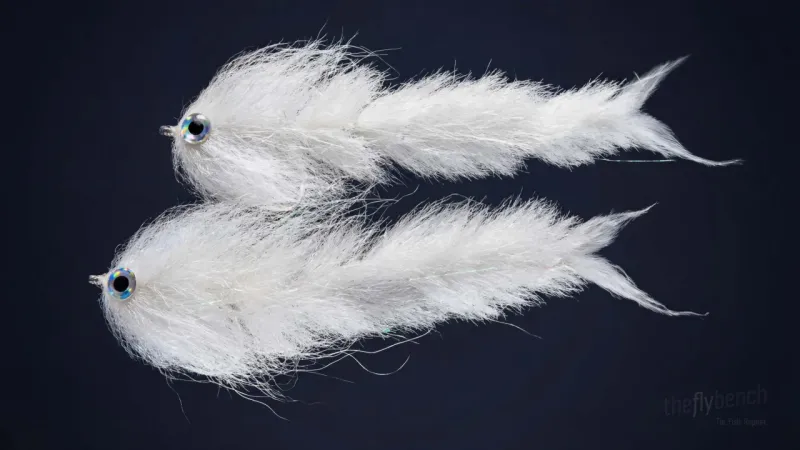
StreamersThe Insult
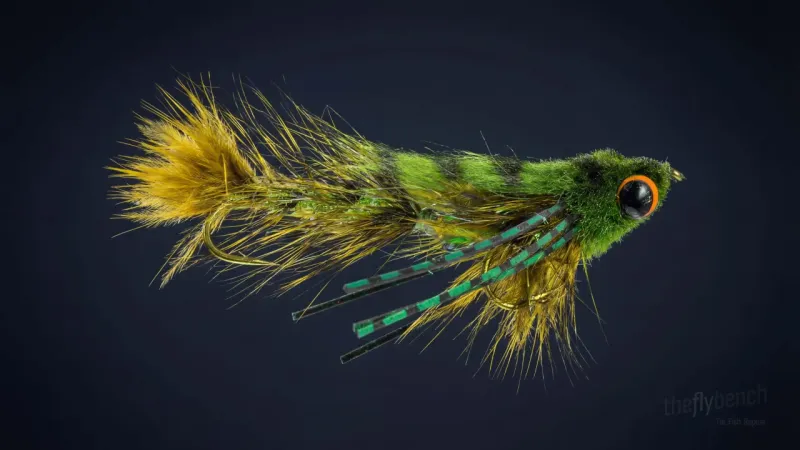
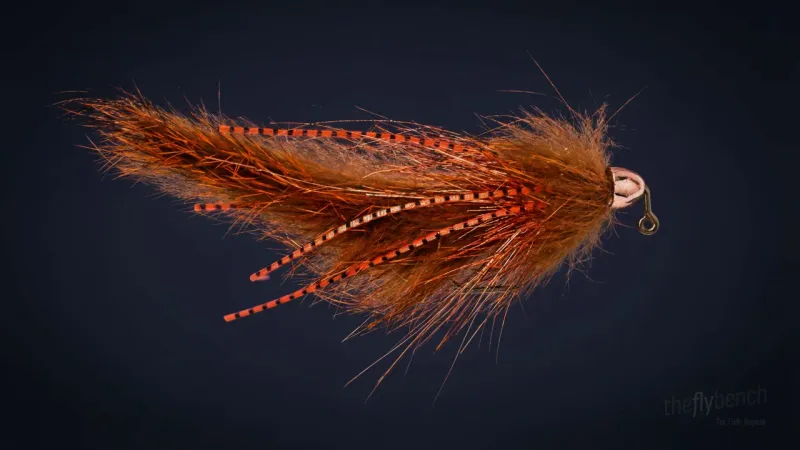
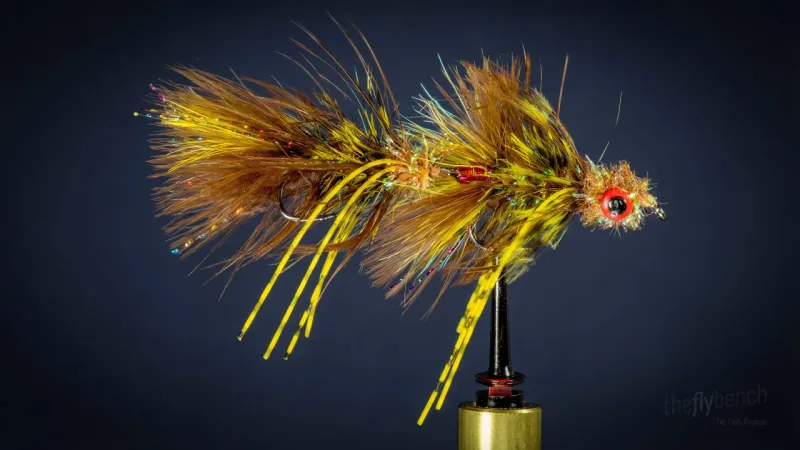
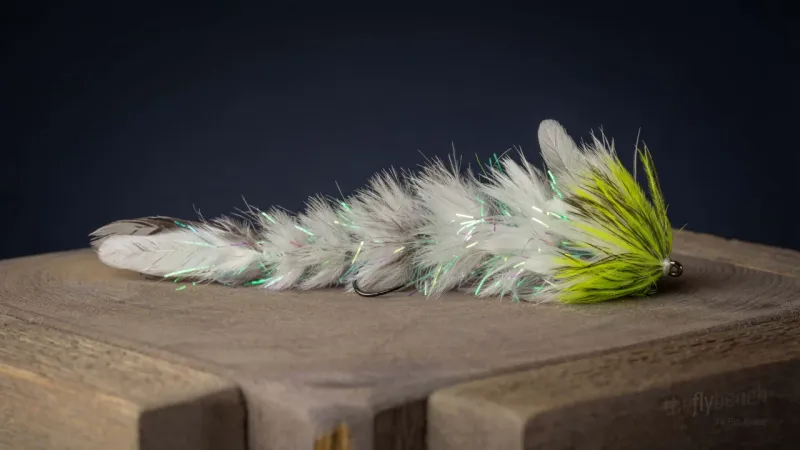
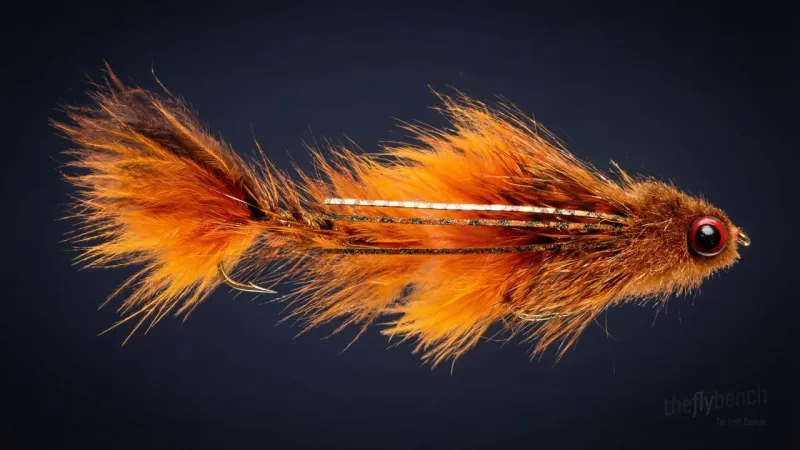
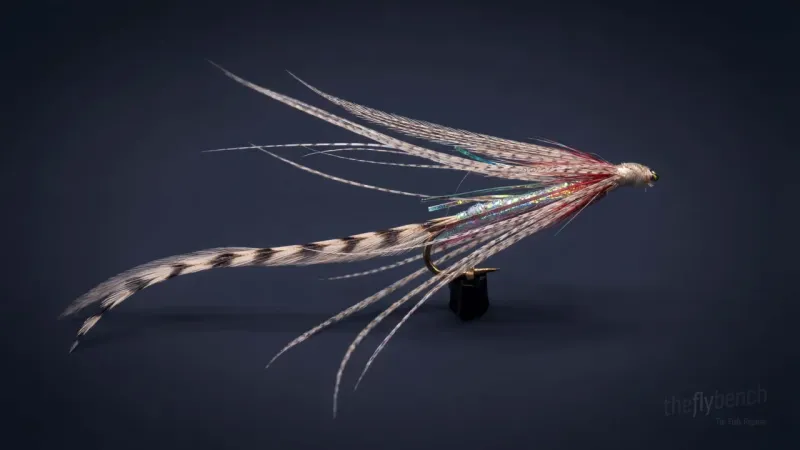
A streamer pattern that's large, flashy, and designed to provoke aggressive strikes from predatory fish. It's tied with a combination of natural and synthetic materials for maximum movement and flash in the water.
Year Round
Advanced
Pike, Bass
Apr 2025
Overview
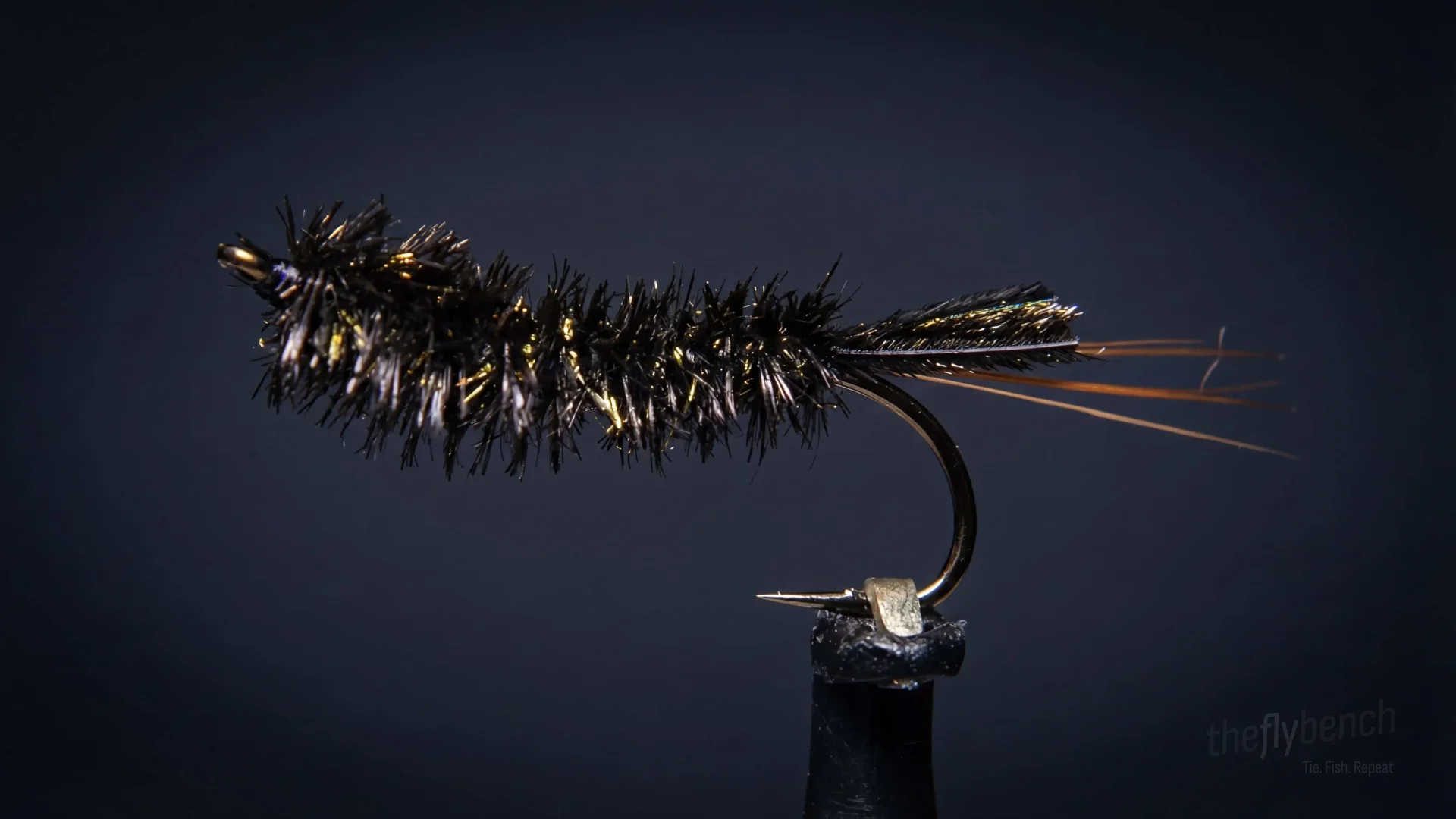
A nymph pattern with exaggerated features—rubber legs(optional), bright hotspot, and buggy dubbing. Often tied with a tungsten bead and heavily dubbed thorax, it's intended to provoke strikes through contrast and movement. Think of it as a “loud” attractor nymph.
Where to Buy This Fly
We only link to fly shops we trust. Some links are referral links, which may earn us a commission at no extra cost to you.
Materials
- Hook:
- Daiichi 1770 wet/nymph hook, sizes 10-12
- Weight:
- Lead-free round wire, .020
- Thread:
- 6/0 or 140 Denier, black
- Tails 1:
- Brown hackle fibers
- Tails 2:
- Strung peacock herl
- Body:
- Strung peacock herl
Behavior & Presentation
Natural Behavior: Isolated baitfish separate from schools when threatened, darting erratically with frantic flashes of silver sides that telegraph panic. These vulnerable stragglers signal easy calories to predatory fish cruising structure.
Where Trout Eat It: Pike and bass ambush from weed edges, drop-offs, and shoals, attacking vulnerable baitfish near structure transitions.
How to Fish It: Employ fast, erratic strip retrieves with 8-12 inch pulls interspersed with sudden pauses lasting 2-5 seconds, creating the fleeing action that triggers strikes.
Best Water: Work weed edges, drop-offs, and shoals where forage concentrates near structure.
Strike Type: Aggressive predators slam the fly during fast strips, creating immediate hook-setting tension. Strikes occur most often during sudden pauses when the fly appears to be escaping.
Fishing Strategy
Rigging Suggestions: Use 0X-2X fluorocarbon or wire tippet with 7-9 foot leader for pike to prevent bite-offs. Employ 7-9 weight rods with intermediate or sinking lines. Add lead wraps or heavy bead for deeper presentations.
Seasonal Timing: effectiveness for pike and bass, with peak productivity during May-July and September-October when predators feed aggressively. Water temperatures of 55-75°F trigger optimal responses, though pattern produces even in colder conditions.
Pro Tips: The large profile and flash attract fish from distance. White, chartreuse, and black variations cover most conditions.
Entomology
Juvenile baitfish form tight defensive schools near structure but scatter explosively when threatened by predators, with stragglers exhibiting erratic darting movements that signal vulnerability. Larger predatory fish key on these isolated, panicked individuals as high-value targets that offer substantial nutrition with reduced escape capability compared to healthy schooling fish.
- Organism Type
- baitfish
- Life Stage
- general