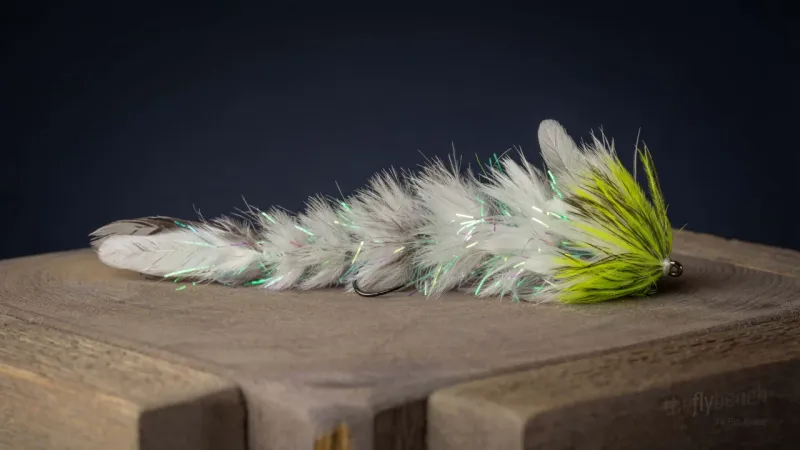
StreamersBarr's Meat Whistle
The Barr's Meat Whistle is a versatile streamer that imitates a variety of baitfish. Its rabbit fur tail gives it lifelike motion and it sinks quickly to where the fish are.
Year Round
Intermediate
Bass, Trout
Apr 2025
Overview
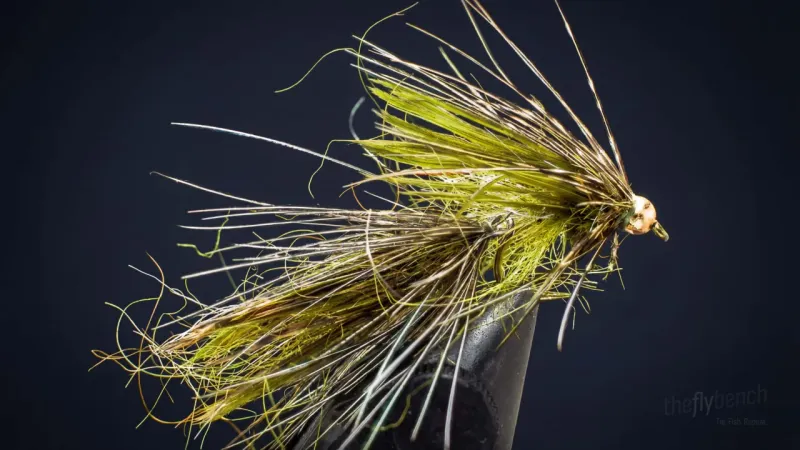
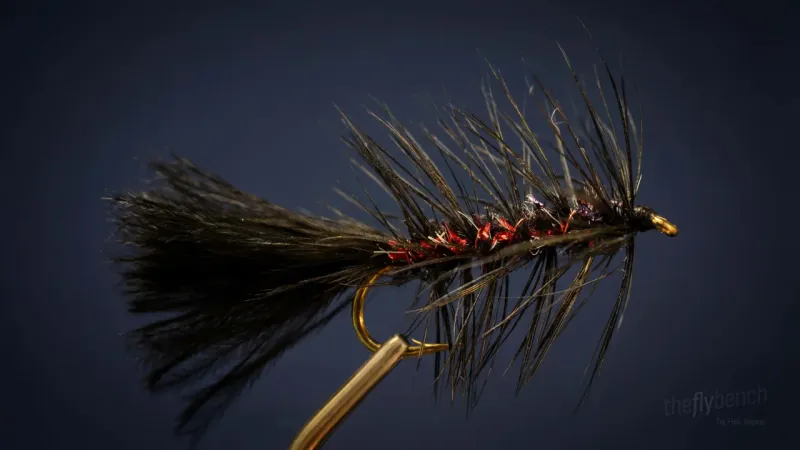
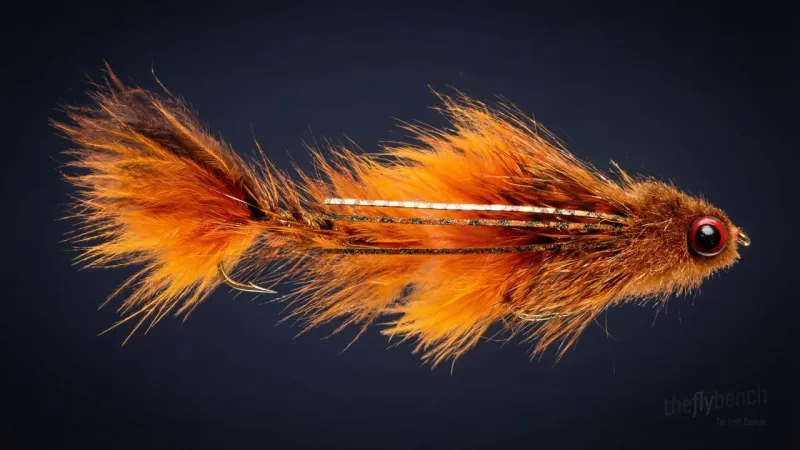
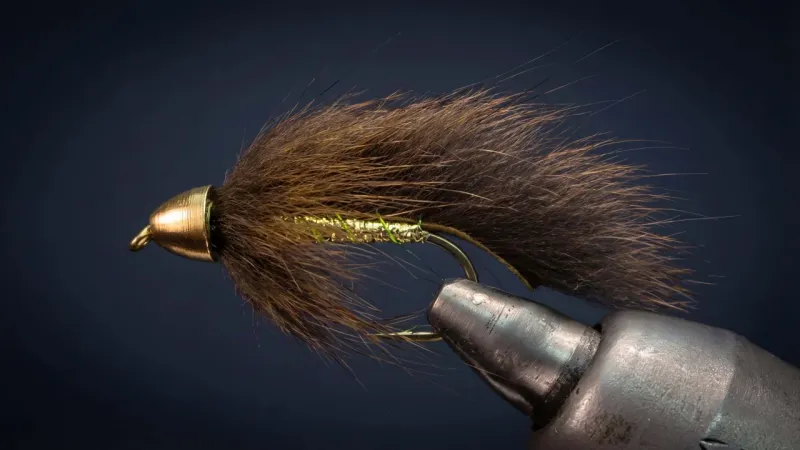
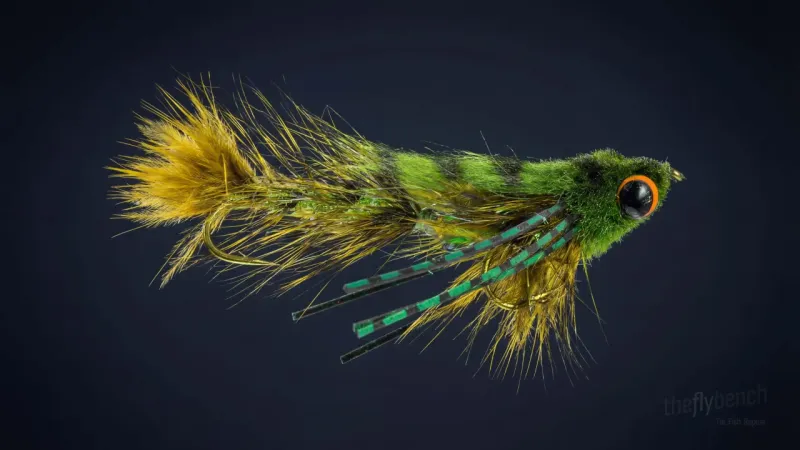
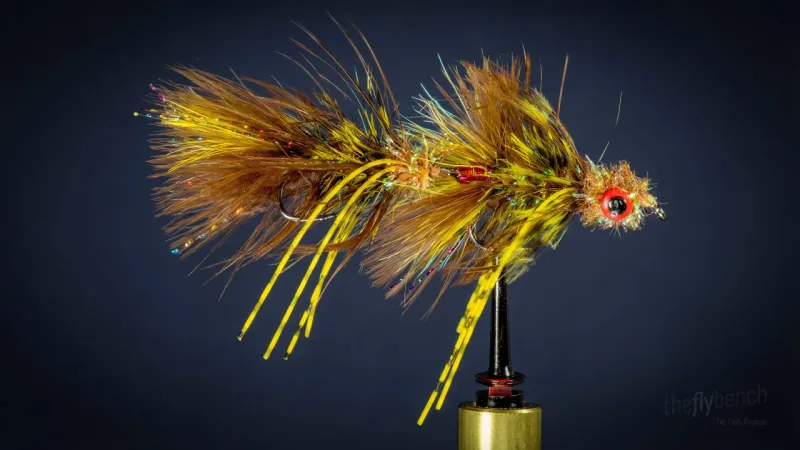
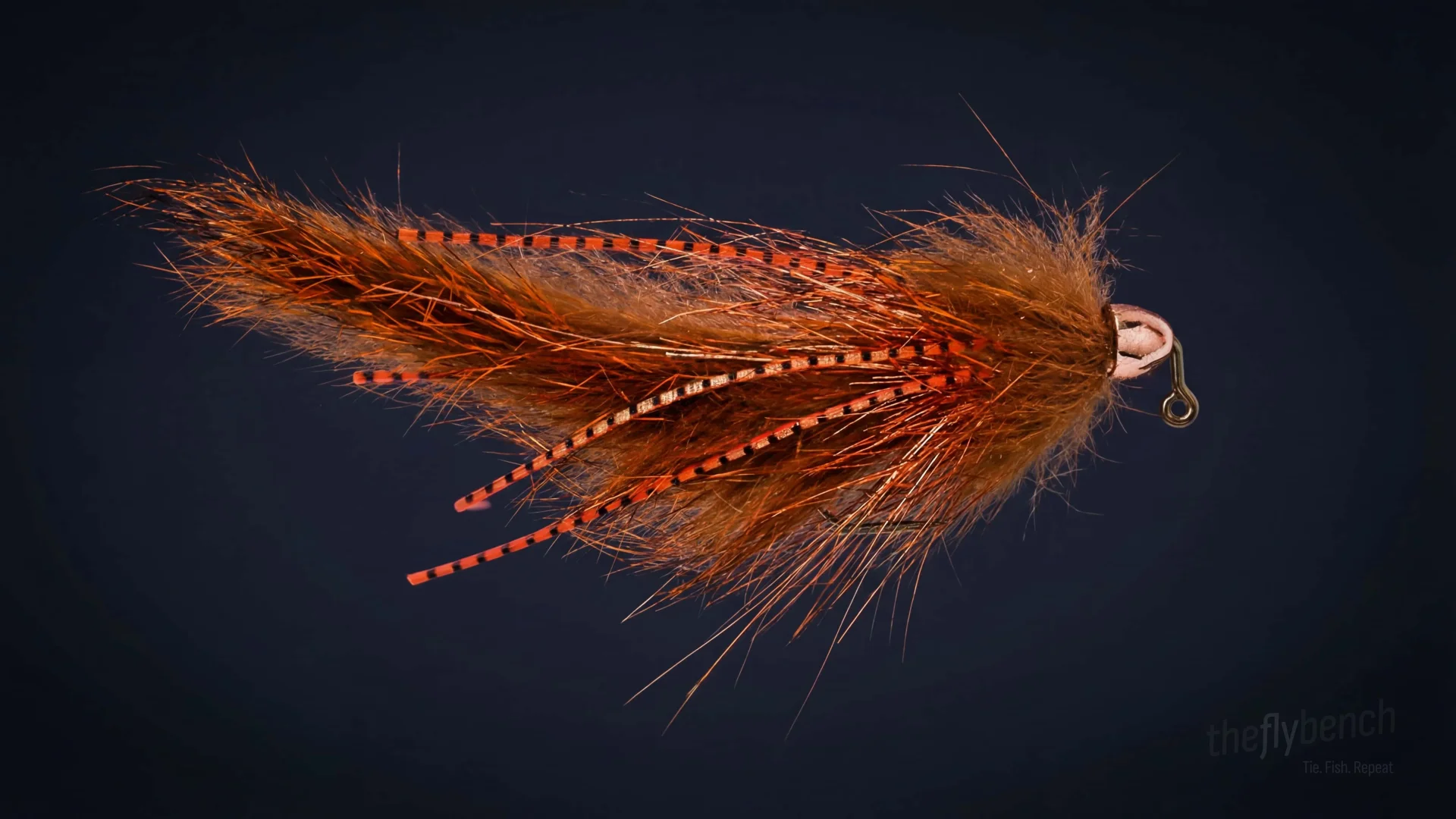
Barr's Meat Whistle is a heavy, jig-style streamer tied on a 90-degree jig hook, designed to get deep and swim with a lifelike jigging motion. The fly features a conehead or tungsten bead up front, a marabou tail for movement, and a body wrapped with crosscut rabbit strip for bulk and flow. Rubber legs are often added for extra movement and attraction. It's best tied with lead wraps behind the head to balance the fly and help it ride hook point up, reducing snags. The Meat Whistle is durable, sinks quickly, and is effective on bass and large trout.
Where to Buy This Fly
We only link to fly shops we trust. Some links are referral links, which may earn us a commission at no extra cost to you.
Materials
- Hook:
- Tiemco 5262, size #4-#6
- Thread:
- Black, 6/0
- Tail:
- Olive Rabbit Zonker Strip
- Body:
- Olive Estaz
- Legs:
- Barred Rubber Legs
- Bead:
- Gold Cone Head
- Weight:
- Lead Wire
Behavior & Presentation
Natural Behavior: Injured or disoriented baitfish exhibit erratic darting movements interspersed with brief pauses, swimming with irregular side-to-side wobbles that advertise their vulnerability. These fleeing patterns trigger aggressive strikes from opportunistic predators.
Where Trout Eat It: Predatory fish hunt baitfish in deeper pools, undercut banks, and drop-offs where prey schools congregate.
How to Fish It: Let the fly sink into likely holding areas, then retrieve with slow, steady pulls interrupted by occasional pauses and twitches.
Best Water: Work drop-offs, undercut banks, weed edges, and eddies where predators ambush fleeing baitfish.
Strike Type: Predators crush this jigging pattern during pauses, producing a heavy, sudden load followed by immediate head-shakes—set hard when the rod tip buries.
Fishing Strategy
Rigging Suggestions: Use a heavy-duty leader and tippet to withstand the aggressive strikes this fly often induces.
Seasonal Timing: Effective during peak feeding periods when water temperatures and conditions support active feeding behavior.
Pro Tips: This fly sinks quickly and is designed to be fished near the bottom. Its bead head helps it sink and its bright colors make it visible in a variety of conditions.
Entomology
Baitfish in rivers and lakes exhibit erratic darting movements interspersed with brief pauses, especially when disoriented or injured. These fleeing patterns make them highly visible and vulnerable to predatory fish seeking high-protein meals. The jigging motion of sinking baitfish triggers aggressive strikes from opportunistic feeders patrolling deeper water columns.
- Organism Type
- baitfish
- Life Stage
- general