Euro NymphsThe Blowtorch
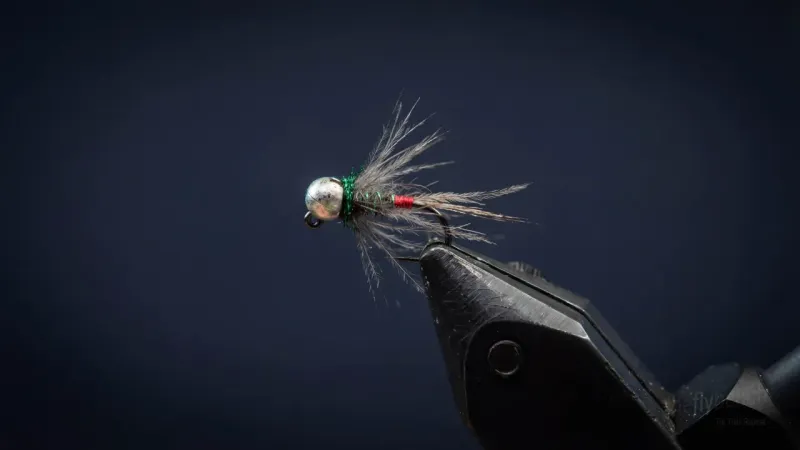
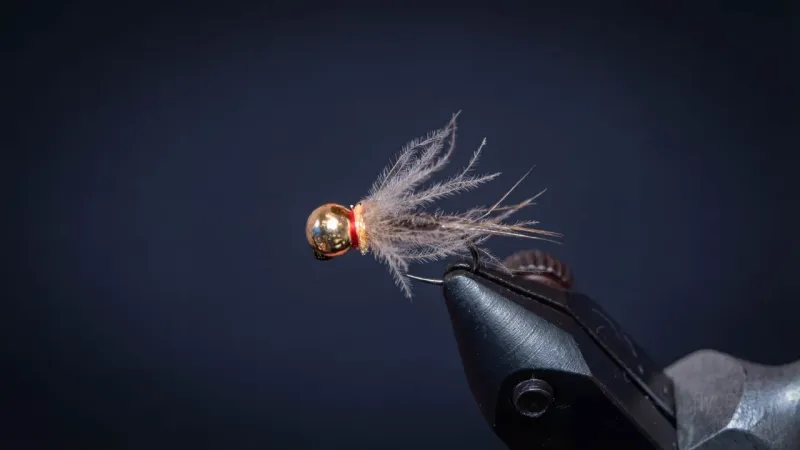
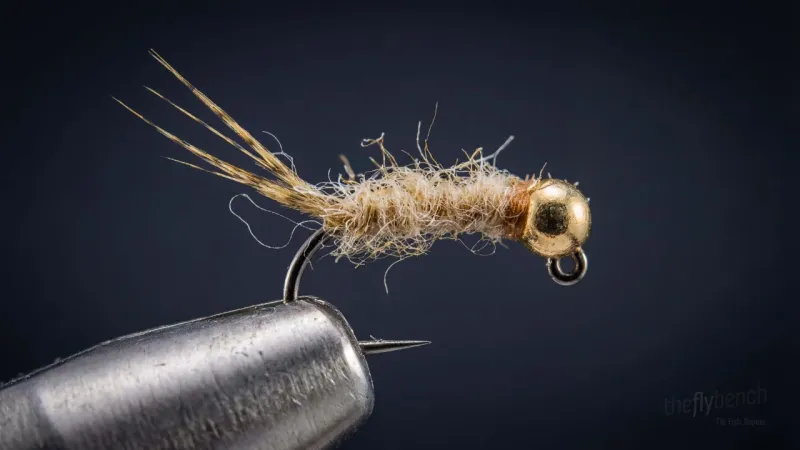
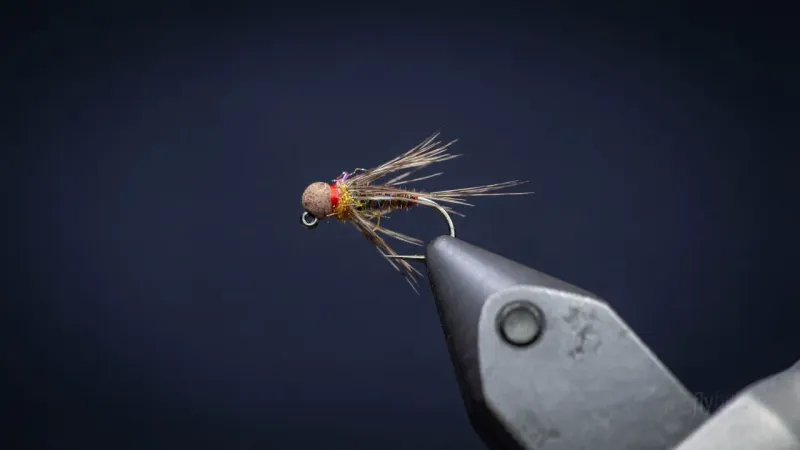
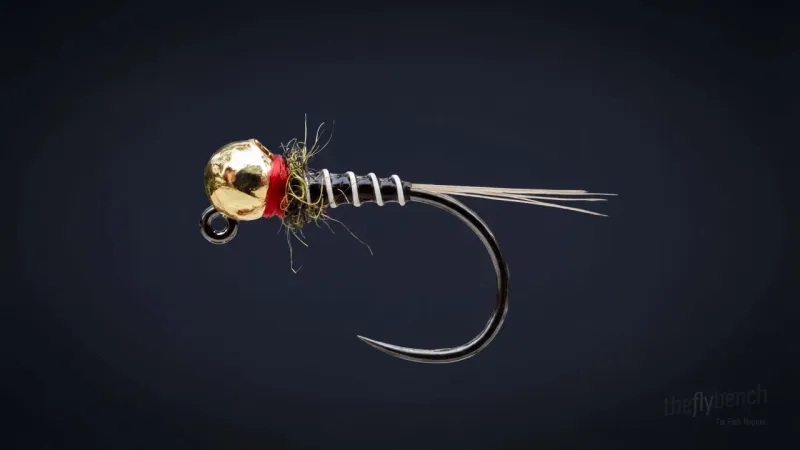
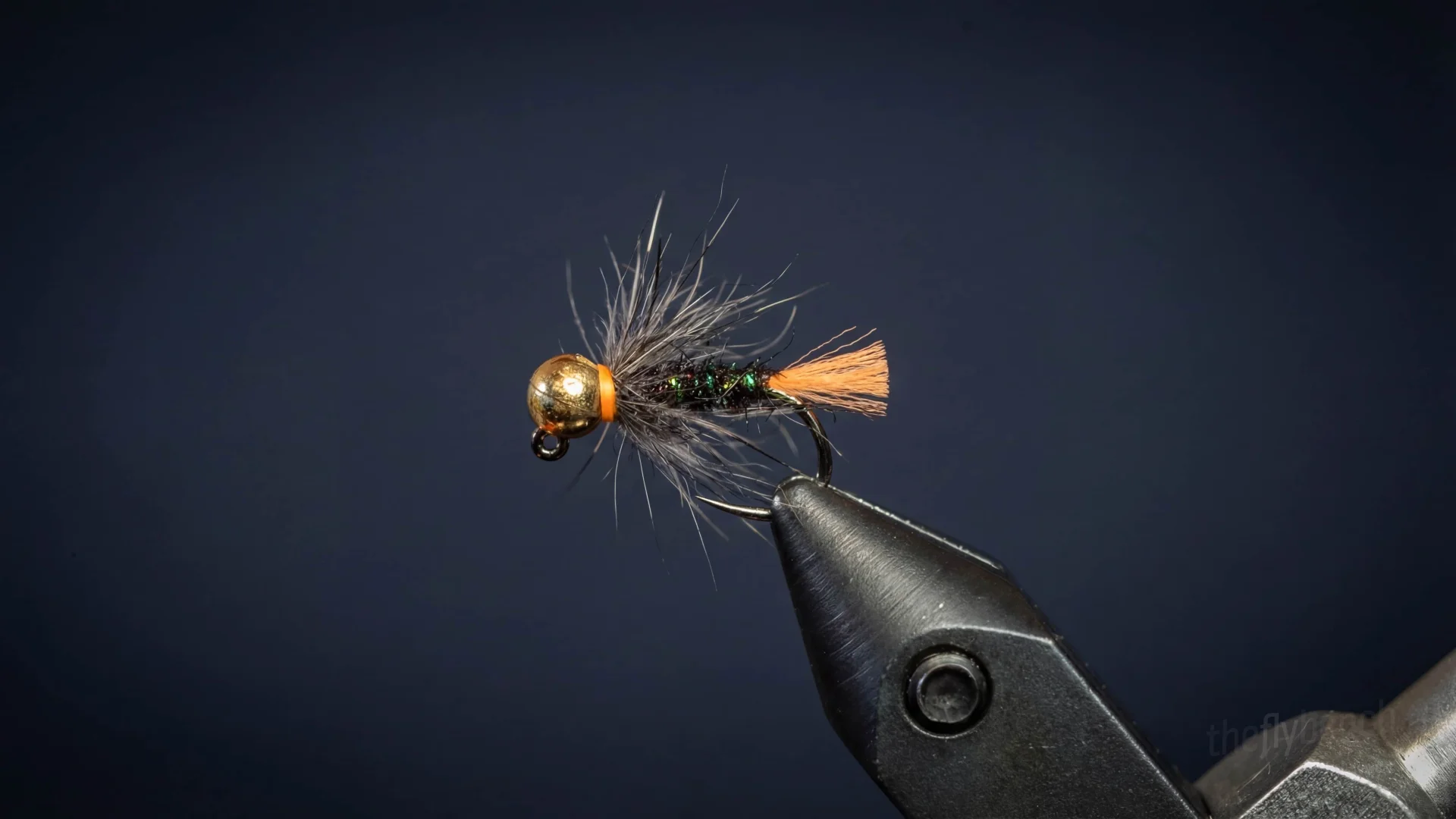
The Blowtorch is a hot spot jig nymph combining peacock herl with fluorescent orange accents for maximum attraction. The tungsten bead and jig hook design create a quick sink rate and natural jigging action. This pattern's irresistible color combination makes it effective even when no specific hatch is occurring.
Year Round
Intermediate
Trout
Dec 2025
Overview
Developed by Fly Fish Food, The Blowtorch leverages the proven attraction of hot spot nymphs with the natural appeal of peacock herl. The fluorescent orange bead and hot spot provide a visual trigger point that draws strikes, while the peacock body maintains a realistic silhouette. The red wire ribbing adds subtle flash and durability. This pattern can be tied in various sizes to match different water conditions and fish preferences.
Materials
Hook: Hanak H 450 BL Jig Hook, size #16
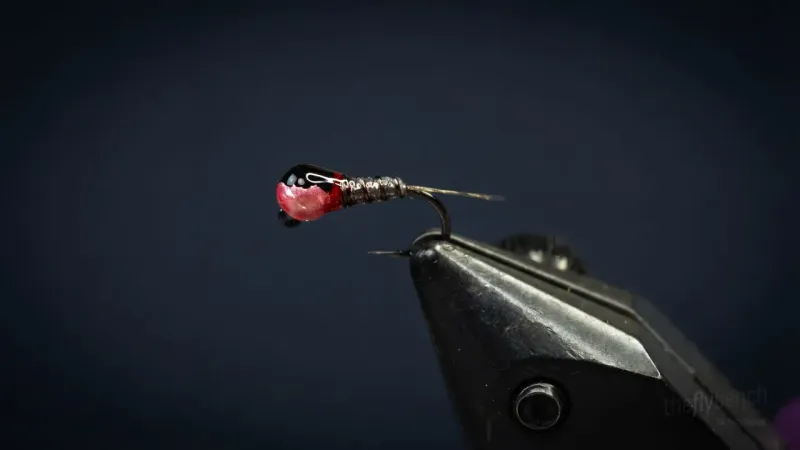
Bead: Hanak Metallic+ Slotted Tungsten, fluorescent orange, 2.8mm
Thread: Semperfli Classic Waxed Thread 12/0, black
Tail: Coq De Leon fibers, dark pardo
Body: Peacock herl
Ribbing: UTC Ultra Wire, red, small
Hot Spot: Glo-Brite floss, fluorescent orange
Thorax: Ice Dub, peacock
Behavior & Presentation
Natural Behavior: Swimming nymphs employ dolphin-kick motions vertically during pre-emergence ascents, their conspicuous movements signaling vulnerability.
Where Trout Eat It: Fish station in feeding lanes 3-5 feet deep, targeting nymphs making practice ascents mid-column before actual emergence.
How to Fish It: High-stick euro technique with tight contact. Jig hook creates jigging action while tungsten bead maintains feeding depth.
Best Water: Target seams where ascending nymphs concentrate, pocket water with varied currents, and riffle edges near structure.
Strike Type: Tick or pause during drift. Hot spot and peacock body trigger visual strikes detected through tight line.
Fishing Strategy
Rigging Suggestions: Fish as the point fly in a euro nymphing rig with 2X-3X tippet for durability. Can be paired with a smaller, lighter nymph as a dropper 12-18 inches up the leader.
Seasonal Timing: , particularly during spring and fall mayfly hatches. Works well in winter when bright attractors help fish locate flies in cold water.
Pro Tips: Sinks rapidly due to the 2.8mm tungsten bead, reaching depths of 3-5 feet quickly in moderate current. The jig hook design keeps the pattern riding point-up, reducing bottom snags.
Entomology
Swimming mayfly nymphs employ a dolphin-kick motion using flexible abdominal segments and terminal caudal filaments to generate propulsion, typically moving vertically rather than horizontally. This swimming behavior intensifies during pre-emergence stages when nymphs make repeated practice ascents toward the surface, and their conspicuous movements combined with physiological energy expenditure render them easy targets during the hour preceding actual emergence events.
- Order
- Ephemeroptera
- Common Name
- Mayfly
- Organism Type
- insect
- Life Stage
- nymph