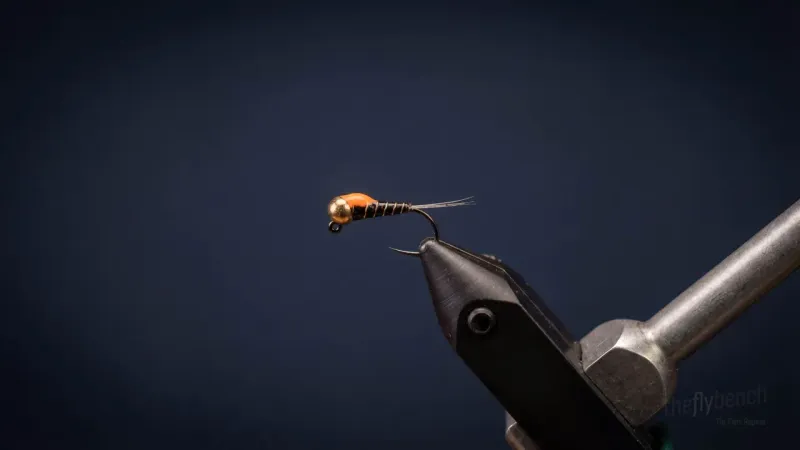
Euro NymphsASB Smacker
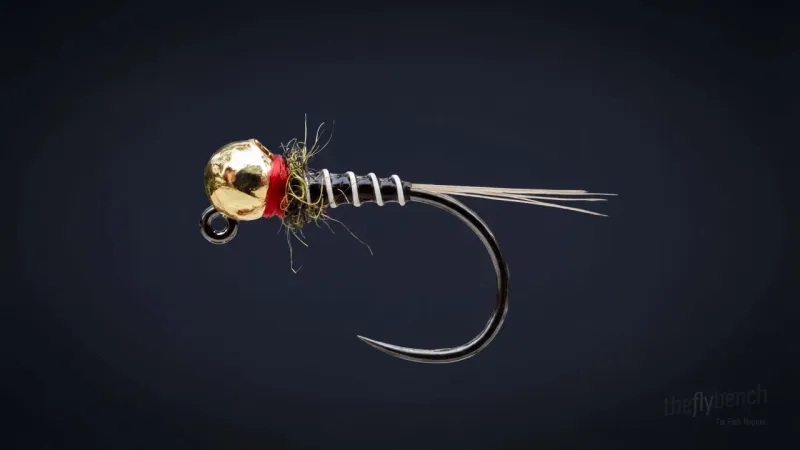
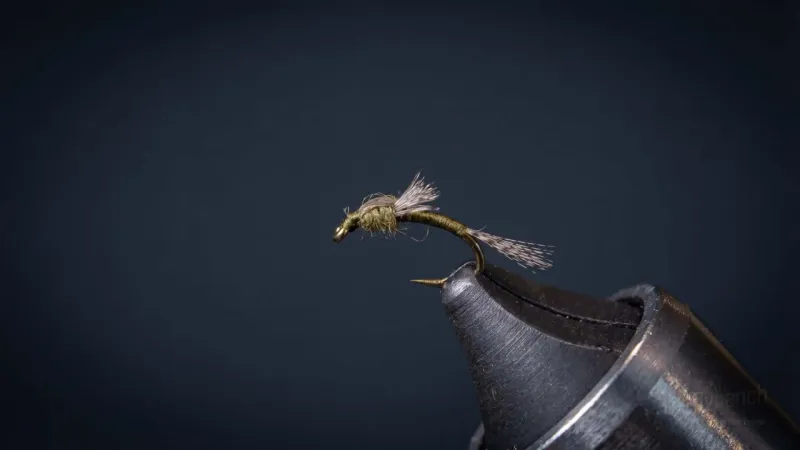
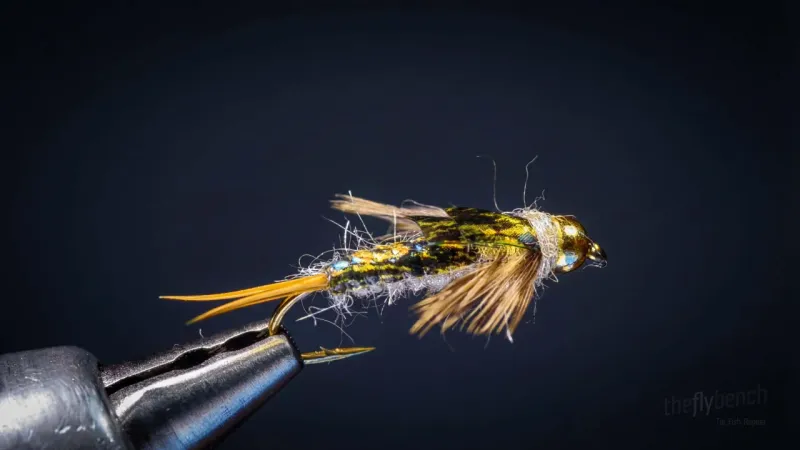
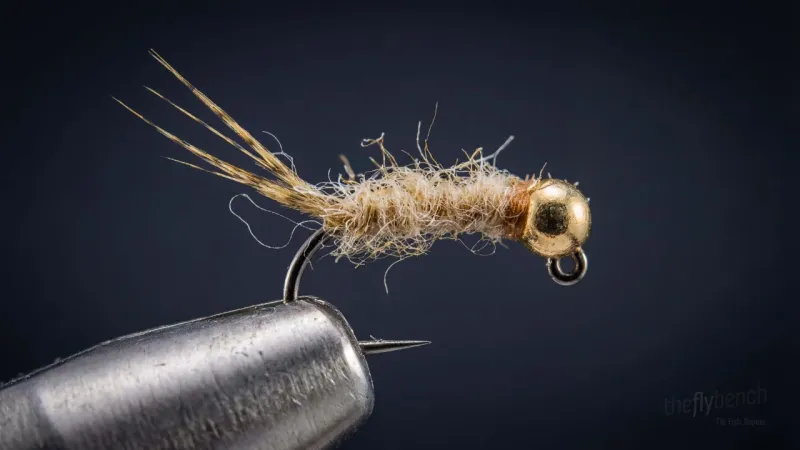
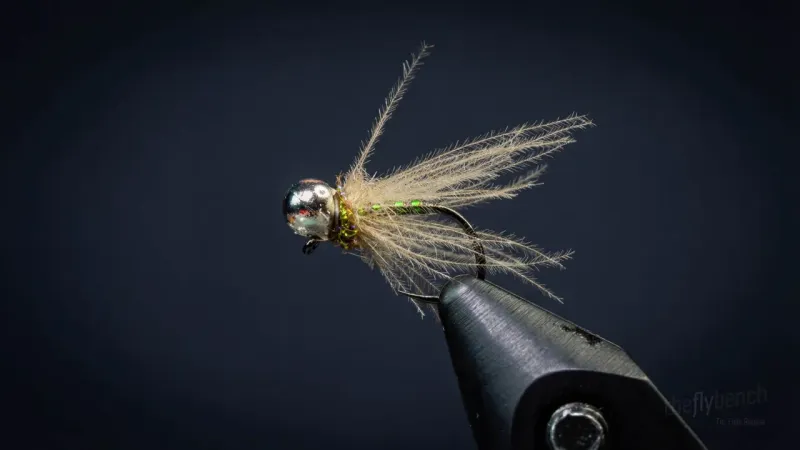
The ASB Smacker brings anti-static bag material from stillwater fishing to the rivers. This unique euro nymph features a subtle dual-luster body that adds flash without being overbearing, making it effective in both clear and off-color water. Designed by Cheech of Fly Fish Food, this pattern quickly became a go-to attractor nymph for euro nymphing.
Year Round
Intermediate
Trout
Dec 2025
Overview
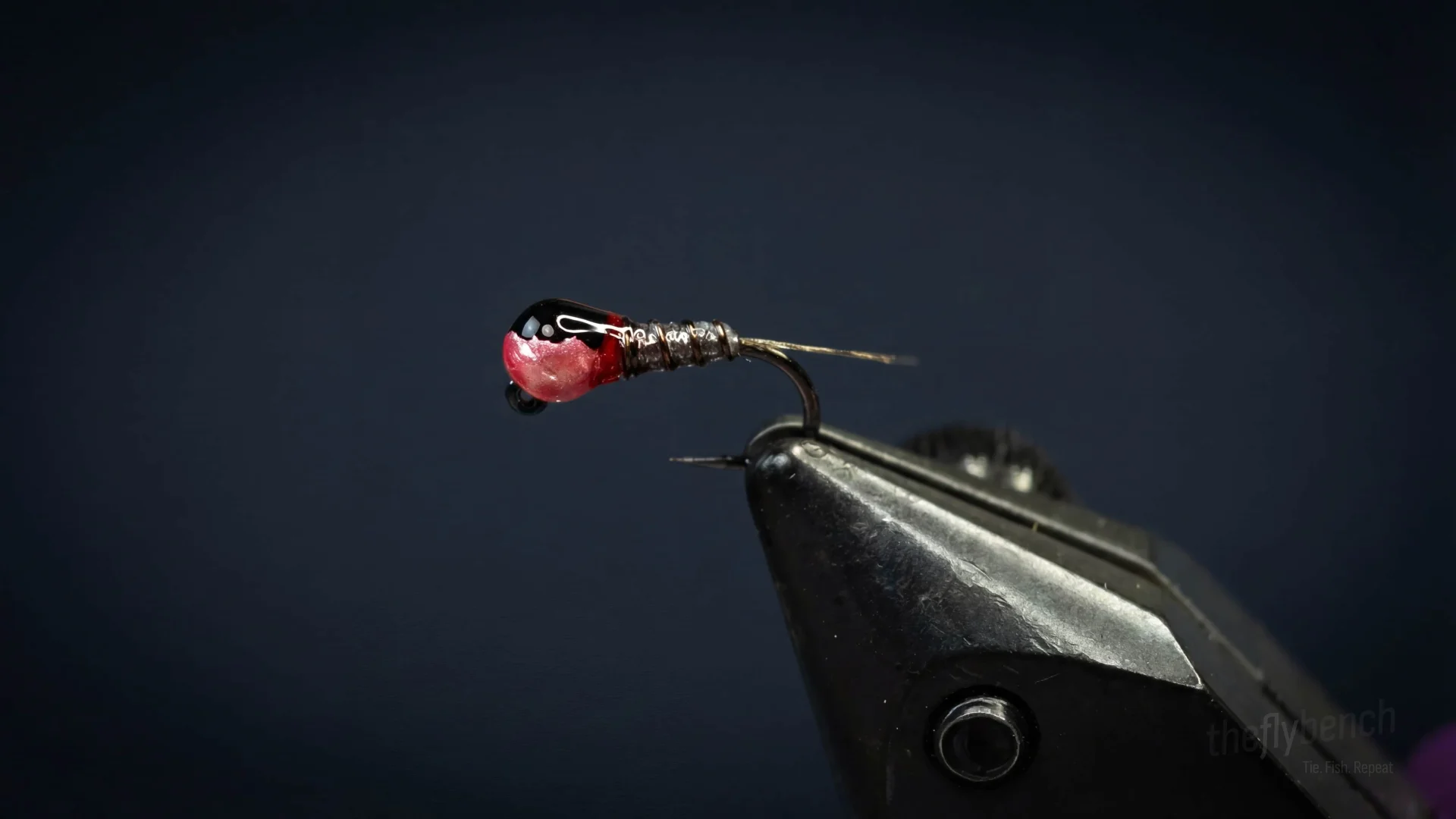
The ASB Smacker was developed by Cheech at Fly Fish Food to adapt the popular anti-static bag buzzer material for river fishing. The material creates a unique shimmering effect that mimics the natural iridescence of aquatic insects without the overwhelming flash of traditional tinsel bodies. This pattern works exceptionally well in various color combinations—experiment with different bead and thread hotspot colors to match local conditions.
Materials
Hook: Umpqua XC400BL-BN, size #16 (or Fulling Mill 5045 Jig Force Barbless)
Thread: UTC 70 Denier, red (or fluorescent orange)
Bead: Fulling Mill Slotted Tungsten, metallic light pink, 2.8mm (or silver nickel)
Tail: Spanish Coq De Leon, pardo
Body: Anti-Static Bag Buzzer Material (dual luster)
Rib: Semperfli Tying Wire, 0.2mm, march brown (or copper)
Marker: Uni POSCA Paint Marker, black (for wingcase markings)
Finish: Solarez UV Cure Resin, thin hard
Behavior & Presentation
Natural Behavior: Small nymphs tumble along rocky substrate with gentle rolls and hops, maintaining near-bottom drift through microhabitats between stones. Continuous displacement in productive riffles provides constant low-energy feeding opportunities.
Where Trout Eat It: Fish position near bottom in runs, pocket water, and riffles at 2-5 foot depths where nymphs tumble through feeding zones.
How to Fish It: Maintain tight-line contact while drifting along bottom, detecting strikes through direct connection to the fly.
Best Water: Target pocket water behind structure, runs with moderate current, and riffle edges where nymphs concentrate near substrate.
Strike Type: Subtle sag in sighter or slight hesitation in drift pattern signals fish intercepting tumbling nymphs.
Fishing Strategy
Rigging Suggestions: Fish as a point fly in a two-fly euro rig with a lighter dropper above. Use 5X-6X tippet and position 12-18 inches below your sighter.
Seasonal Timing: as an attractor pattern. Particularly productive during early season when fish are looking for something different, and in winter when subtle flash can trigger strikes from lethargic trout.
Pro Tips: The tungsten bead provides a quick sink rate to get into the feeding zone fast. The anti-static bag body creates subtle iridescence visible to fish without spooking them.
Entomology
Small nymphs tumble along the streambed in gentle rolls and hops, maintaining near-bottom positioning while drifting through microhabitats between stones. Fish respond to these sub-surface presentations because the patterns mimic the natural tumbling behavior of displaced nymphs that occur continuously in productive riffles, providing constant low-energy feeding opportunities.
- Order
- Ephemeroptera
- Common Name
- Mayfly
- Organism Type
- insect
- Life Stage
- nymph