Dry FliesSpant
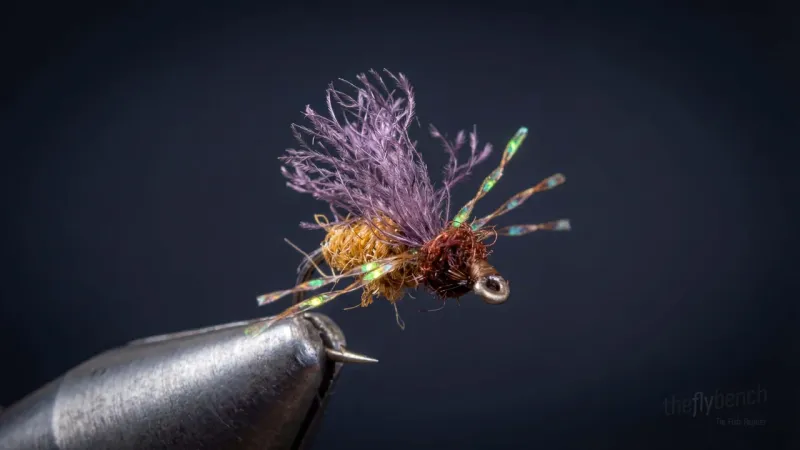
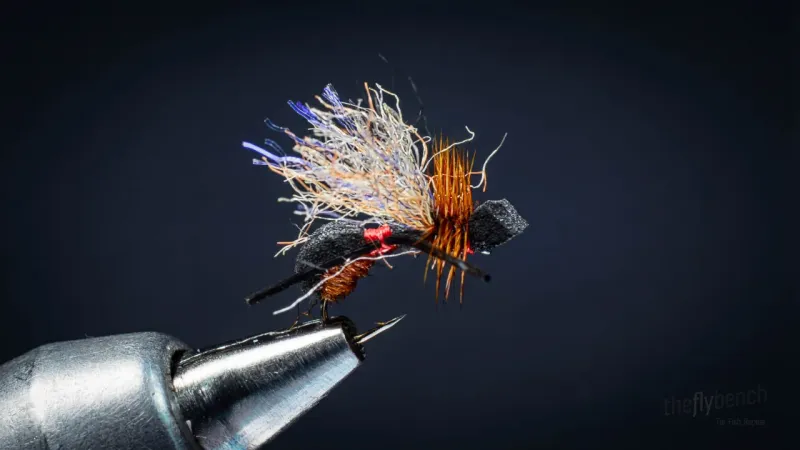
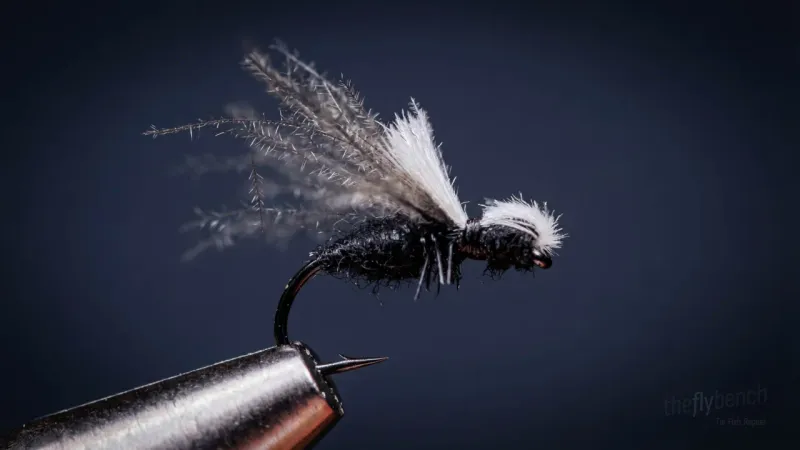
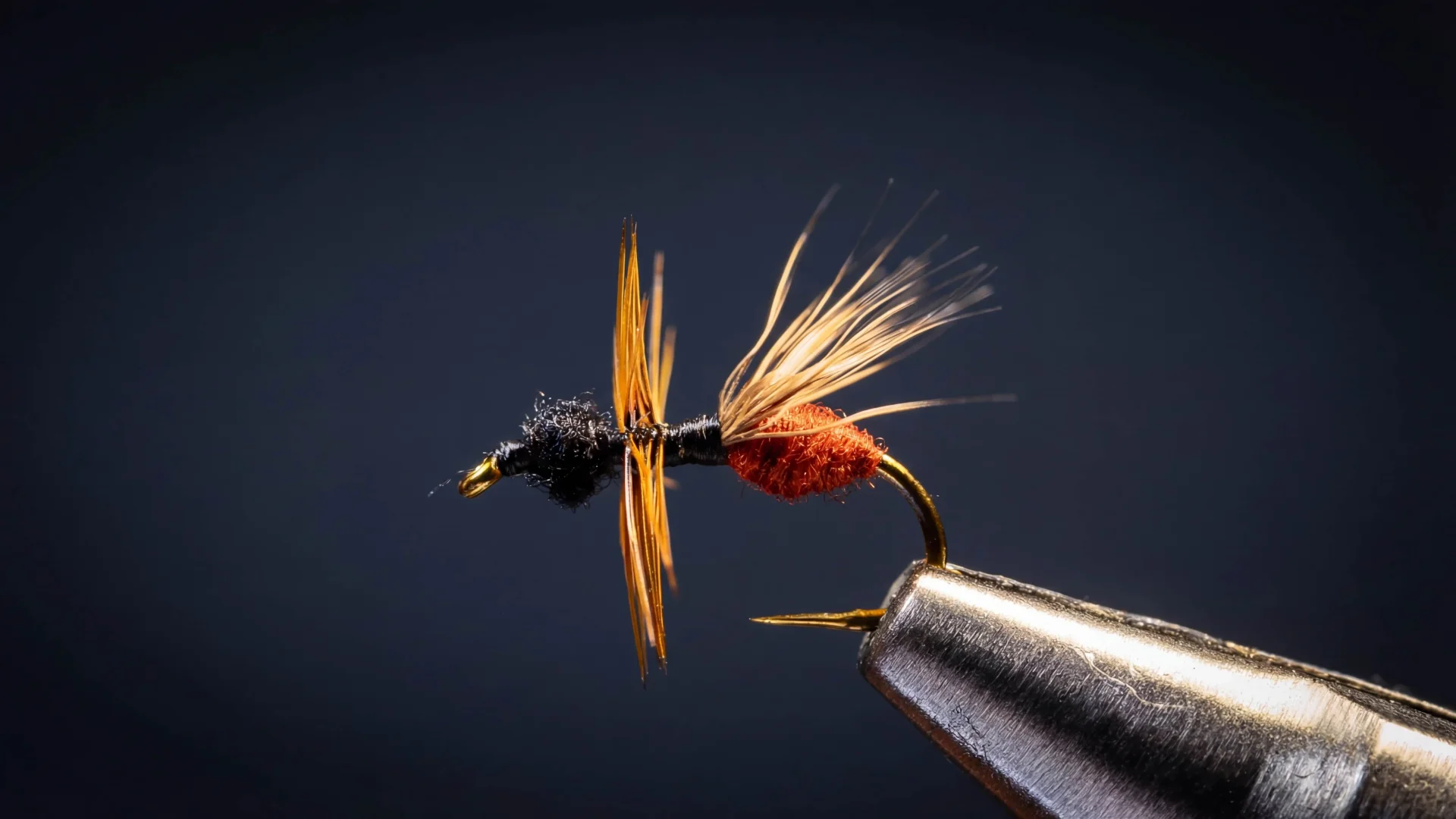
The Spant is a realistic spent flying ant pattern designed for those magical yet unpredictable flying ant falls that can trigger spectacular surface feeding. This pattern features a prominent rusty spinner dubbing gaster (abdomen), widely spread deer hock hair wings for both flotation and realistic silhouette, a brown hackle collar wrapped horizontally to suggest splayed legs and aid flotation, and a black superfine dubbing head. The construction creates the distinctive segmented ant profile with a thin waist between thorax and head.
Summer, Fall
Intermediate
Trout
Dec 2025
Overview
This Charlie Craven pattern from Charlie's Fly Box was born from necessity during a flying ant fall on a high mountain lake. Traditional flying ant patterns suffer from poor flotation and visibility - the Spant addresses both issues with its buoyant spread deer hair wings and broad hackle legs. The key to tying this pattern is maintaining a prominent thin waist between the front of the hackle and the head section, which accurately mimics the distinctive ant anatomy. The rear dubbing ball should be a tight, prominent sphere representing the gaster. The wings are tied sparsely to reflect the translucence of natural ant wings. Craven typically wraps a five-turn hackle collar to create surface area for flotation, reducing to three turns on smaller sizes. The pattern can be tied in black and rusty brown (as shown), all black, or all rusty variations depending on local ant populations.
Materials
Hook: Tiemco 100SP-BL, #12-20
Thread: Veevus 14/0, black
Gaster: Superfine Dubbing, rusty spinner
Wing: Deer Hock Hair, natural
Hackle: Rooster Cape or Saddle, brown
Head: Superfine Dubbing, black
Behavior & Presentation
Natural Behavior: Winged ants crash onto water during mating flights, lying spent with wings splayed flat in the film after exhausting themselves. Mass falls create feeding frenzies.
Where Trout Eat It: Cruising fish in lakes intercept spent ants scattered across flats. In streams, focus on eddies, foam lines, and bank edges where wind deposits them.
How to Fish It: Cast ahead of cruising fish and let it sit motionless. The slightest twitch often triggers takes when static presentation doesn't.
Best Water: Work foam lines in eddies, bank edges under overhanging vegetation, tail-outs with calm water, and lake flats during ant fall events.
Strike Type: Expect deliberate rises or confident sips as fish inspect the realistic splayed-wing profile.
Fishing Strategy
Rigging Suggestions: Fish on a 12-foot leader tapering to 5X-6X fluorocarbon tippet. The deer hair wings and hackle provide good flotation but apply a light floatant to the hackle and wings for extended fishing.
Seasonal Timing: Most effective during when flying ant falls occur. These events are unpredictable but typically happen during windy conditions when ants are blown from trees onto the water.
Pro Tips: The spread deer hair wings provide better visibility than traditional ant patterns while the hackle collar creates surface area for reliable flotation. Position yourself to track the fly against the background rather than relying on seeing it directly.
Entomology
Flying ants swarm during mating flights and frequently crash-land on water surfaces, their wings splayed and bodies trapped in the film. Fish feed voraciously during ant falls because these terrestrial events deliver massive protein influxes where hundreds of insects become available simultaneously.
- Order
- Hymenoptera
- Family
- Formicidae
- Common Name
- Ant
- Organism Type
- terrestrial
- Life Stage
- adult