Dry FliesStimulator
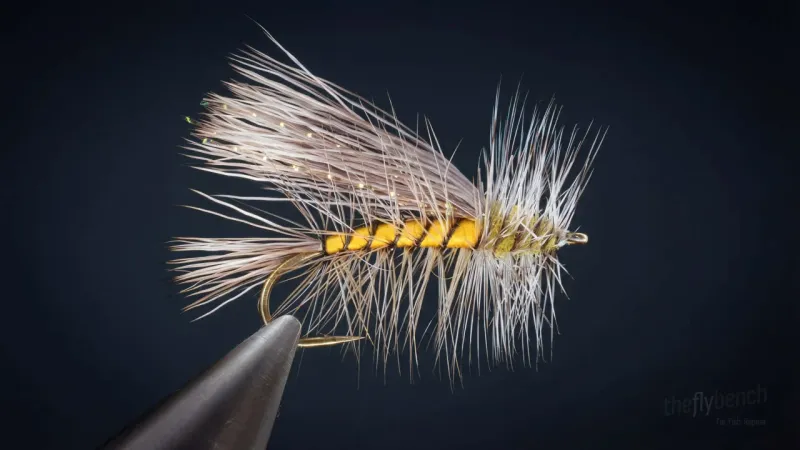
A high-floating attractor dry fly with a bushy hackle and prominent wing that imitates large stoneflies, caddis, and grasshoppers. Its buoyant design makes it perfect as a hopper-dropper rig indicator while also drawing aggressive strikes on its own during summer terrestrial season and stonefly hatches in Western freestone rivers.
Spring, Summer
Intermediate
Trout
Apr 2025
Overview
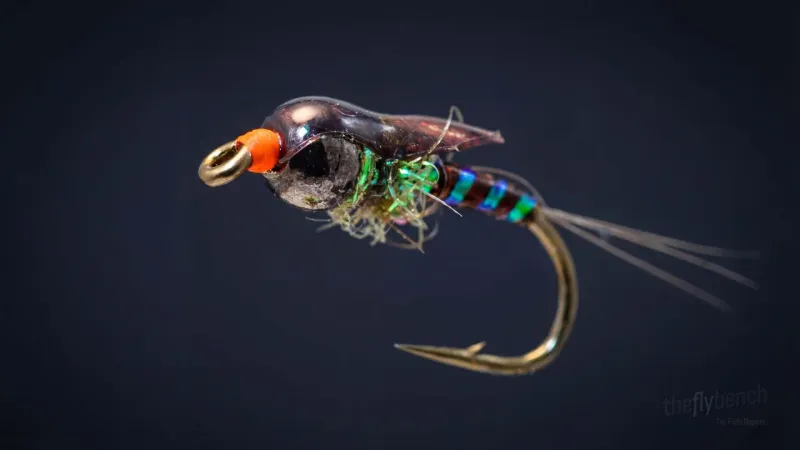
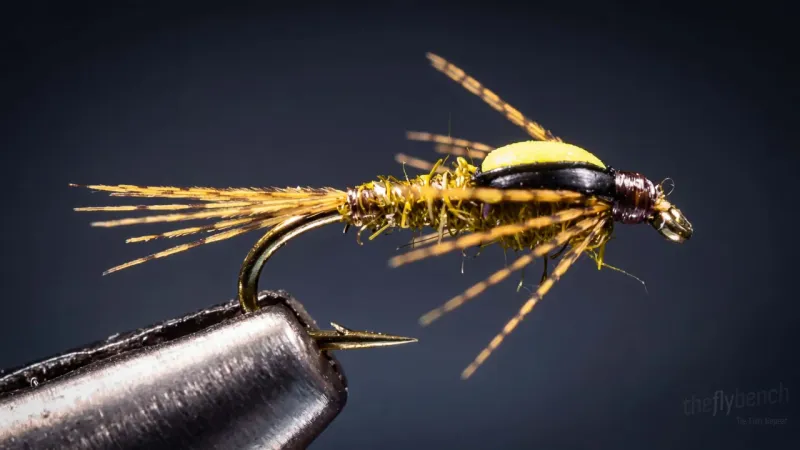
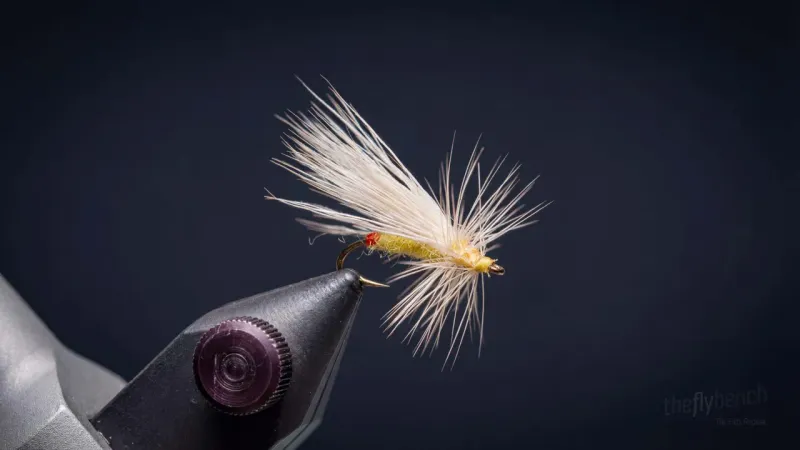
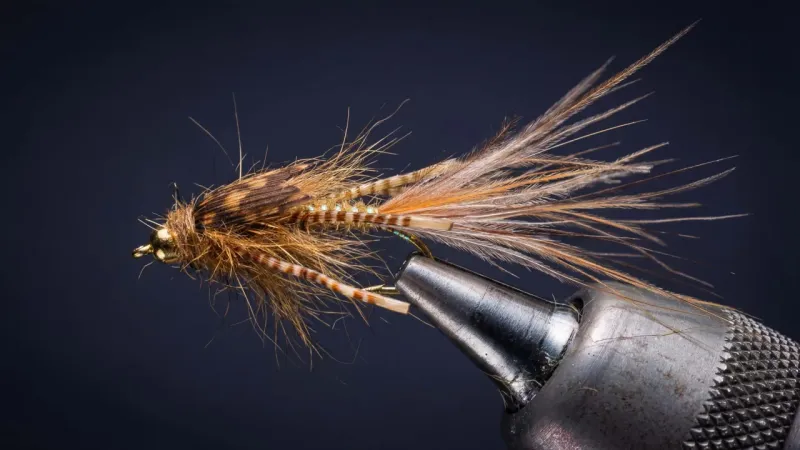
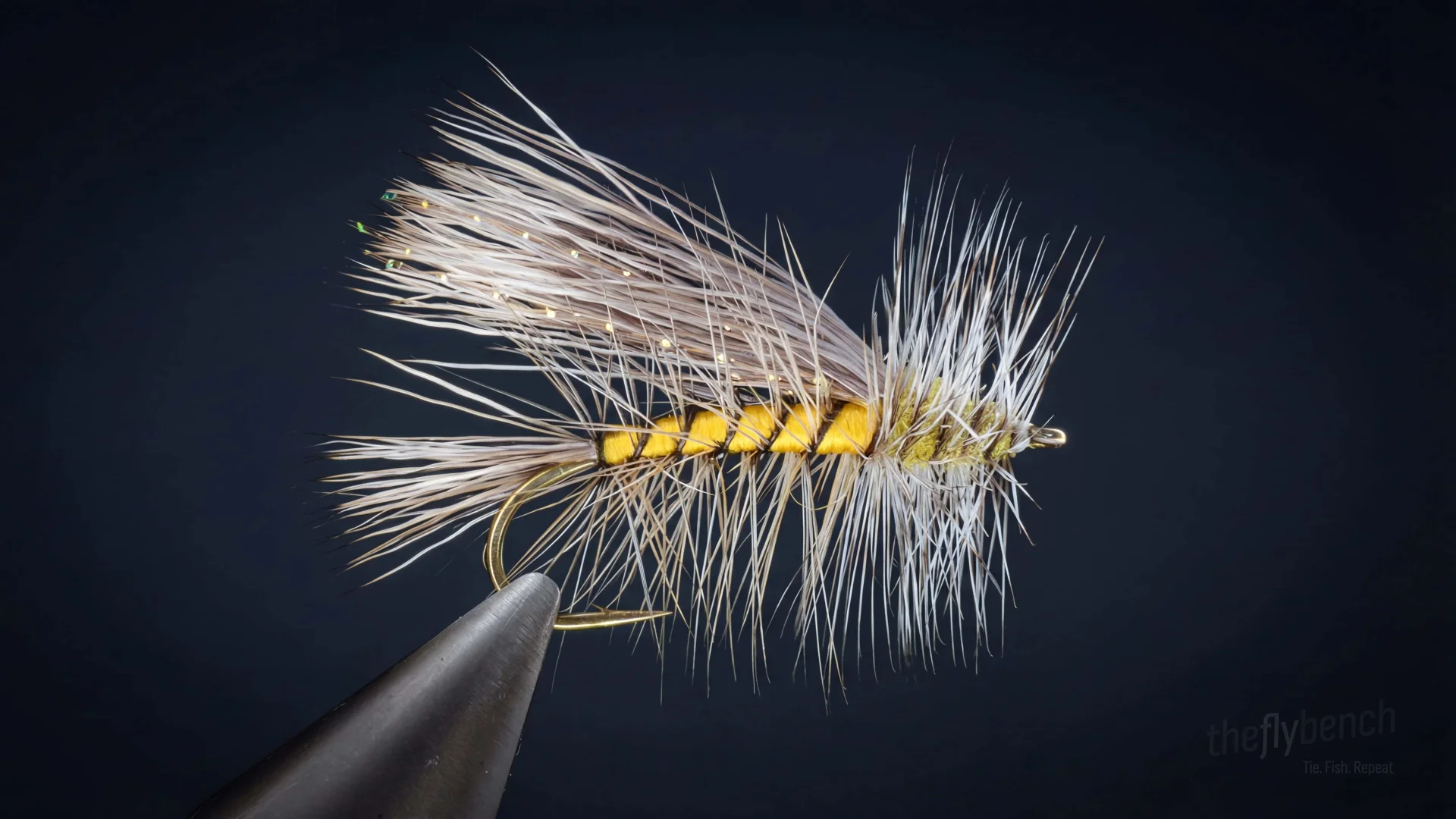
A high-floating attractor dry fly often used to imitate stoneflies, caddis, or large mayflies. It's tied with a heavily hackled body, dubbed thorax, deer hair tail and wing, and a long dry-fly hook. The Stimulator is built for visibility and buoyancy in fast water.
Where to Buy This Fly
We only link to fly shops we trust. Some links are referral links, which may earn us a commission at no extra cost to you.
Materials
- Hook:
- Mustad curved nymph # 6 -12
- Thread:
- Dyneema
- Tail:
- Elk hair
- Body:
- Golden yellow Antron floss
- Body Hackle:
- Golden Badger or Furnace
- Wing:
- Elk hair and crystal hair fibers Dubbing
- Thorax:
- Golden Stone
- Hackle:
- Grizzle
Behavior & Presentation
Natural Behavior: Adult stoneflies return to oviposit by bouncing and fluttering across riffles, their heavy bodies creating visible surface disturbance that draws attention from beneath. The thrashing flight makes them conspicuous targets worth intercepting.
Where Trout Eat It: Fish hold in current seams and riffle edges, feeding opportunistically on the large stonefly profile bouncing and fluttering across broken water in highly oxygenated zones.
How to Fish It: Dead drift through riffles with occasional subtle twitches to simulate struggling stoneflies or egg-laying behavior. Fish aggressively into pocket water. Can be skated across surface near grassy banks.
Best Water: Focus on riffle edges with moderate flow, current seams where fast meets slow, and pocket water behind boulders.
Strike Type: Fast-water rises produce splashy surface eruptions as fish attack the high-riding silhouette. Watch for boils, head-and-tail rises, or aggressive slashing strikes in broken current.
Fishing Strategy
Rigging Suggestions: Fish solo on 3X-4X tippet with 9-foot leader during active hatches. Exceptional as indicator fly in dry-dropper rig with 18-30 inches of 4X-5X tippet to size 14-18 nymph or emerger.
Seasonal Timing: May through August during stonefly and caddis hatches, with peak effectiveness during June-July when golden stoneflies emerge. Excellent searching pattern throughout months when multiple terrestrials and aquatic insects are active.
Pro Tips: Size 6-10 patterns match golden stones; downsize to 12-14 for caddis imitations. Orange, yellow, and tan bodies cover most situations. The dense hackle and elk wing provide excellent floatation even in turbulent water.
Entomology
Large stoneflies flutter and struggle on the water's surface after emergence, their bulky bodies and thrashing wings creating substantial disturbance that alerts predatory fish. Trout strike these adult insects with confident rises, recognizing the substantial caloric reward that justifies leaving secure holding positions to intercept the drifting stoneflies in exposed water.
- Order
- Plecoptera
- Common Name
- Stonefly
- Organism Type
- insect
- Life Stage
- adult