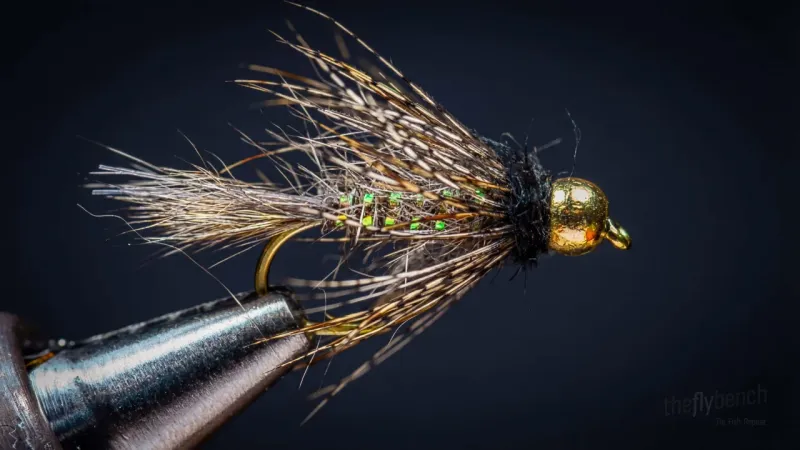
NymphPoxyback Microstone
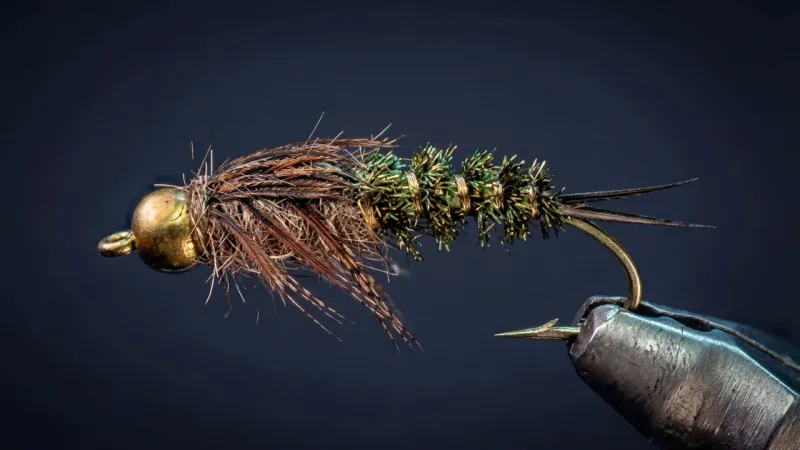
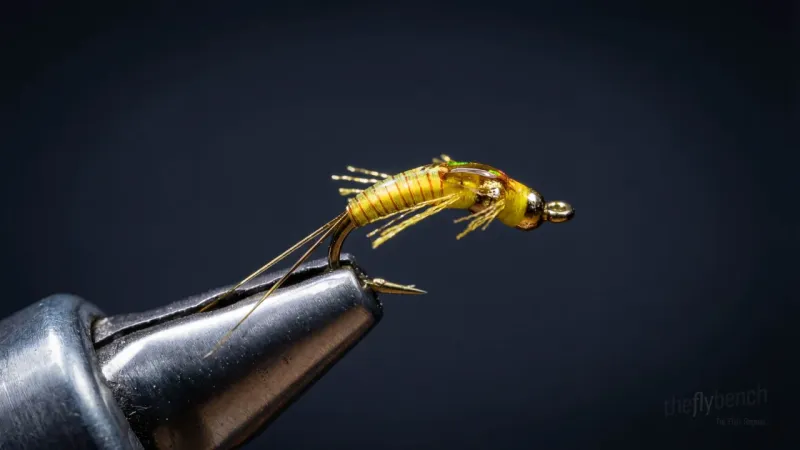
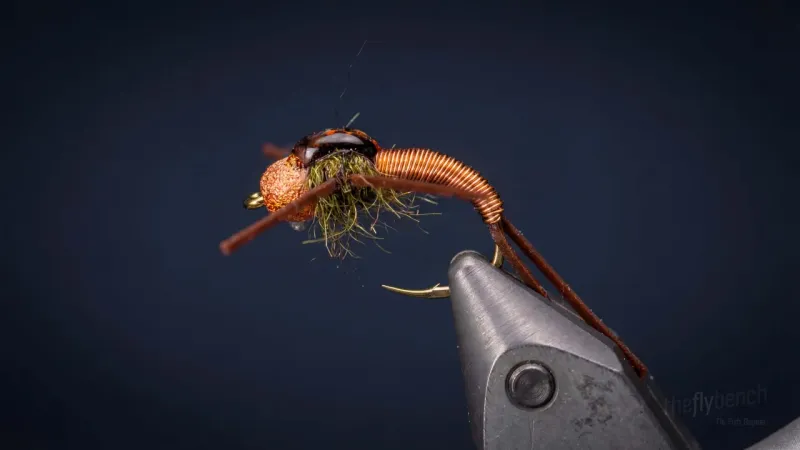
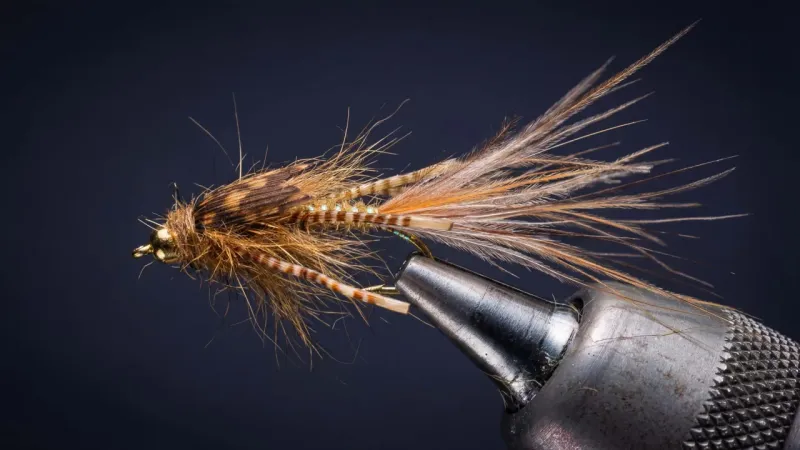
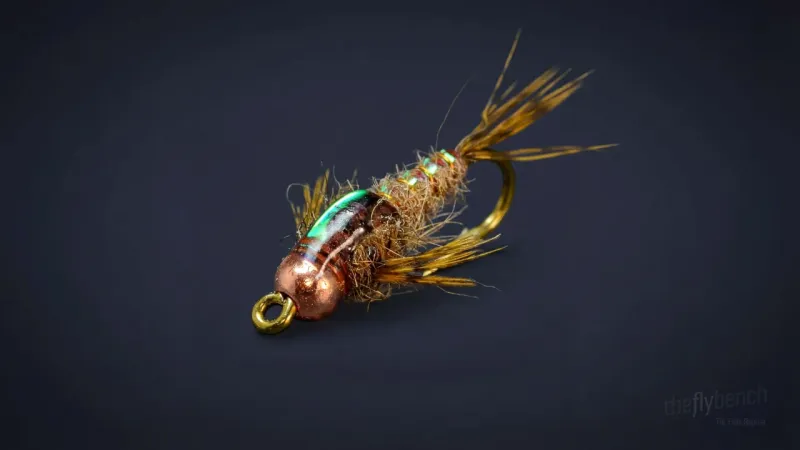
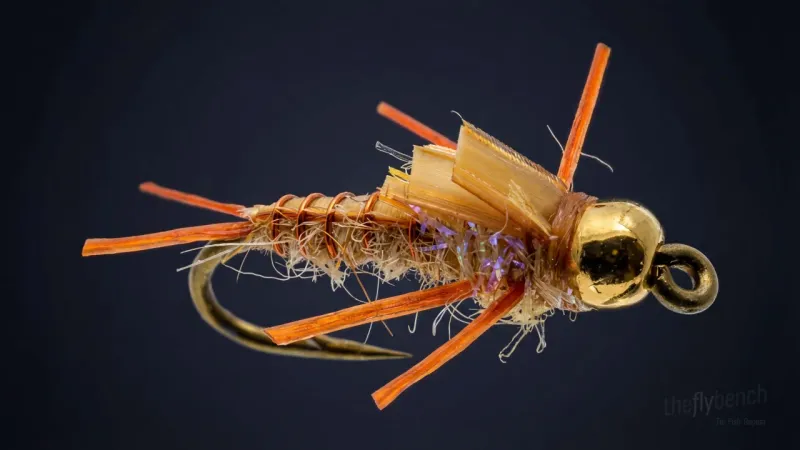
The Poxyback Microstone is a realistic stonefly nymph pattern with a shiny, durable shellback. Its lifelike silhouette and natural color scheme make it a reliable choice when stoneflies are present.
Spring, Summer
Intermediate
Trout
Apr 2025
Overview
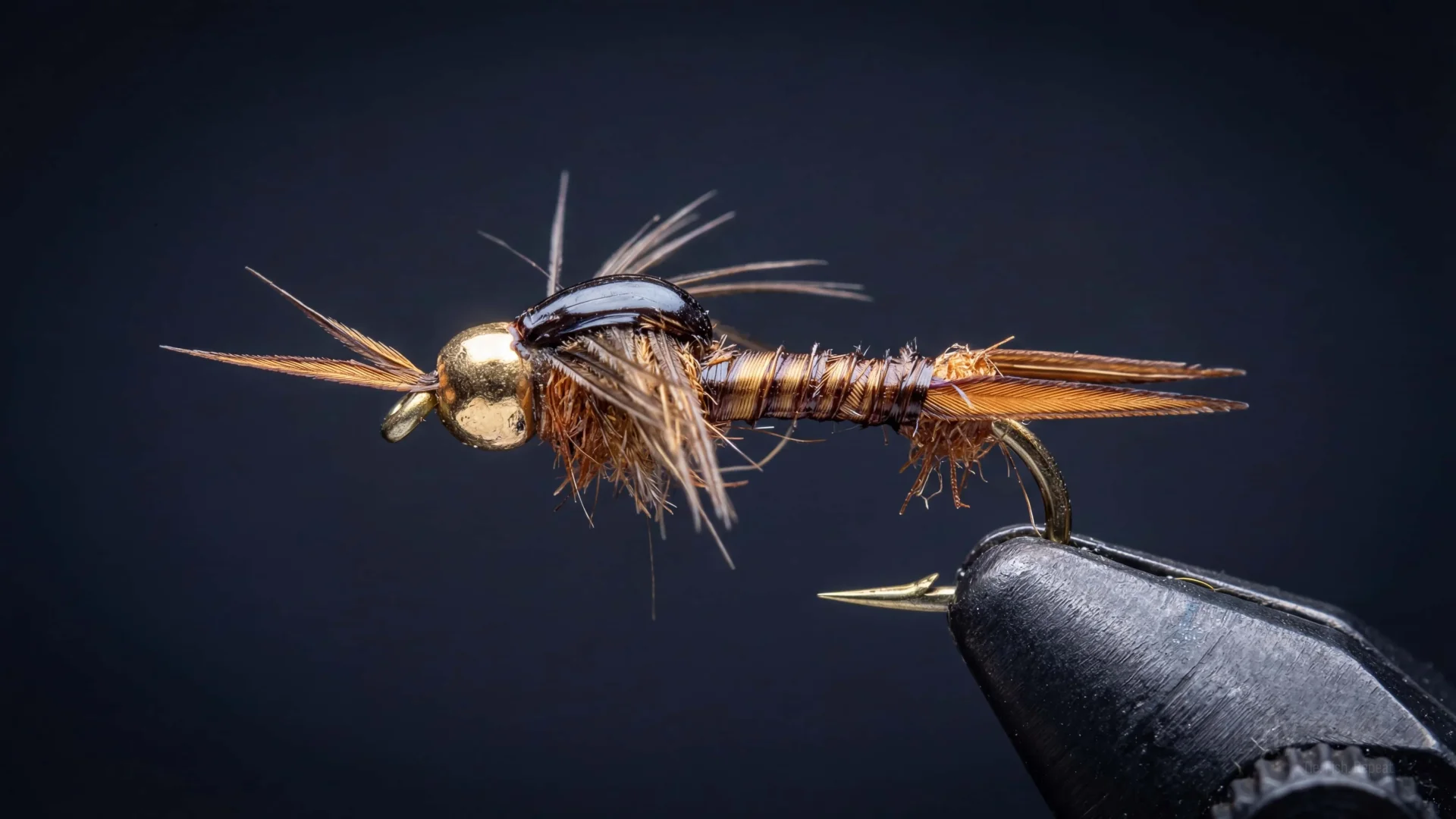
A downsized version of a stonefly nymph, tied on a curved hook with fine rubber legs, dubbed thorax and abdomen, and a UV-coated turkey wingcase for realism. The small profile makes it great for pressured water, while the resin coating increases longevity.
Where to Buy This Fly
We only link to fly shops we trust. Some links are referral links, which may earn us a commission at no extra cost to you.
Materials
- Hook:
- Tiemco 5262, sizes #08–#14
- Bead:
- Brass bead
- Lead:
- .010”–.020” lead wire
- Tail/Antennae:
- Brown turkey or goose biots
- Dubbing Ball:
- Brown Stonefly Dubbing SLF Whitlock
- Body:
- Brown turkey biots
- Casing:
- Pheasant tail or turkey feather
- Legs:
- Natural India hen back
- Thorax:
- Brown Stonefly Dubbing SLF Whitlock
- Glue:
- Epoxy or Loon UV Fly Finish
Behavior & Presentation
Natural Behavior: Juvenile stonefly nymphs cling to cobble in fast water but periodically release their grip during nighttime shoreward movements, tumbling downstream in the drift. Fish key on these vulnerable moments when nymphs become available in high-oxygen riffle zones.
Where Trout Eat It: Fish hold in pocket water, riffle sections, and runs with rocky substrate at depths of 1-4 feet to intercept drifting nymphs.
How to Fish It: Dead drift near the bottom under a strike indicator or with tight-line Euro nymphing, allowing natural tumbling along substrate.
Best Water: Focus on pocket water, riffles, runs, and rocky substrate sections in freestone streams and tailwaters.
Strike Type: Watch for indicator twitches, brief hesitations, or slight upstream movements—small stonefly takes can be subtle. With tight-line methods, feel for gentle taps or a soft increase in resistance as fish mouth the nymph during the drift.
Fishing Strategy
Rigging Suggestions: Use 4X-5X tippet with 9-12 foot leaders. Can be fished alone as a single nymph or as the lead fly in a tandem nymph rig with a smaller trailing pattern (size 16-18 mayfly or midge) positioned 18-24 inches behind. Weight as needed for depth.
Seasonal Timing: Most productive during peak months (April-August) when small stoneflies are active, with peak effectiveness during late (May-June) when yellow sally and little yellow stonefly hatches occur. Also productive during months as a general attractor nymph.
Pro Tips: The glossy shellback created by the epoxy coating catches light and creates a realistic stonefly profile. The slight weight of the epoxy helps the fly sink. Sizes 14-18 match most small stonefly species.
Entomology
Small stonefly nymphs crawl actively along rocky substrates in well-oxygenated riffles and runs, occasionally dislodging into the drift during their nocturnal migrations toward streambanks for emergence. Trout key on these microstone nymphs year-round as they represent consistent protein sources, with fish often holding in shallow, fast water to intercept the drifting nymphs.
- Order
- Plecoptera
- Common Name
- Stonefly
- Organism Type
- insect
- Life Stage
- general