Dry FliesYellow Sally Stimulator
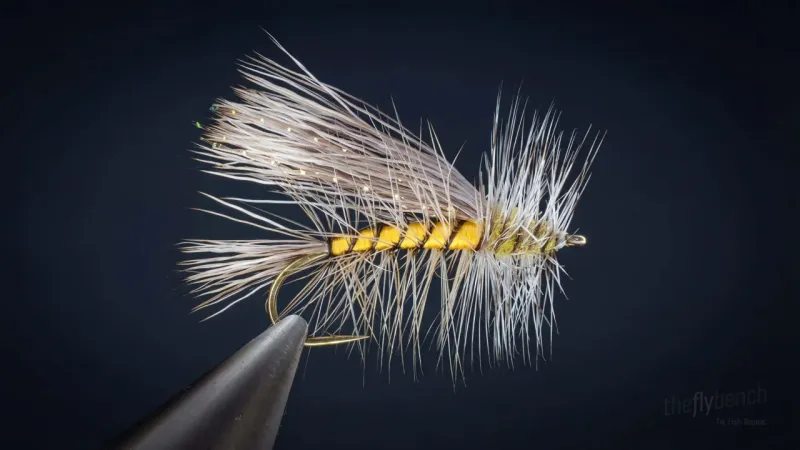
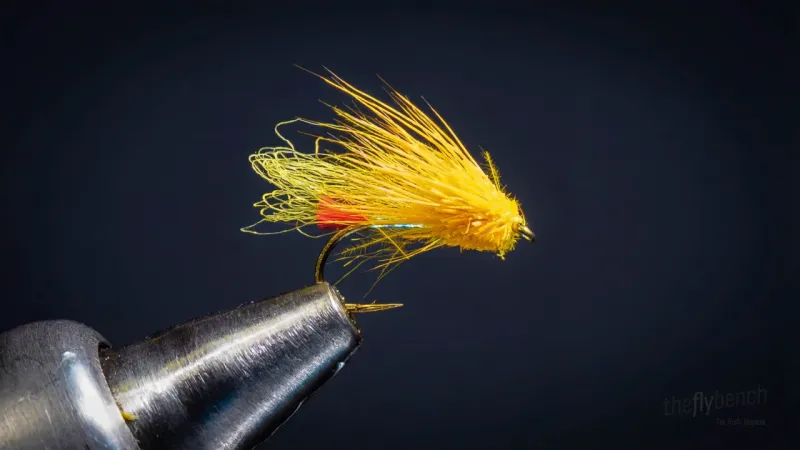
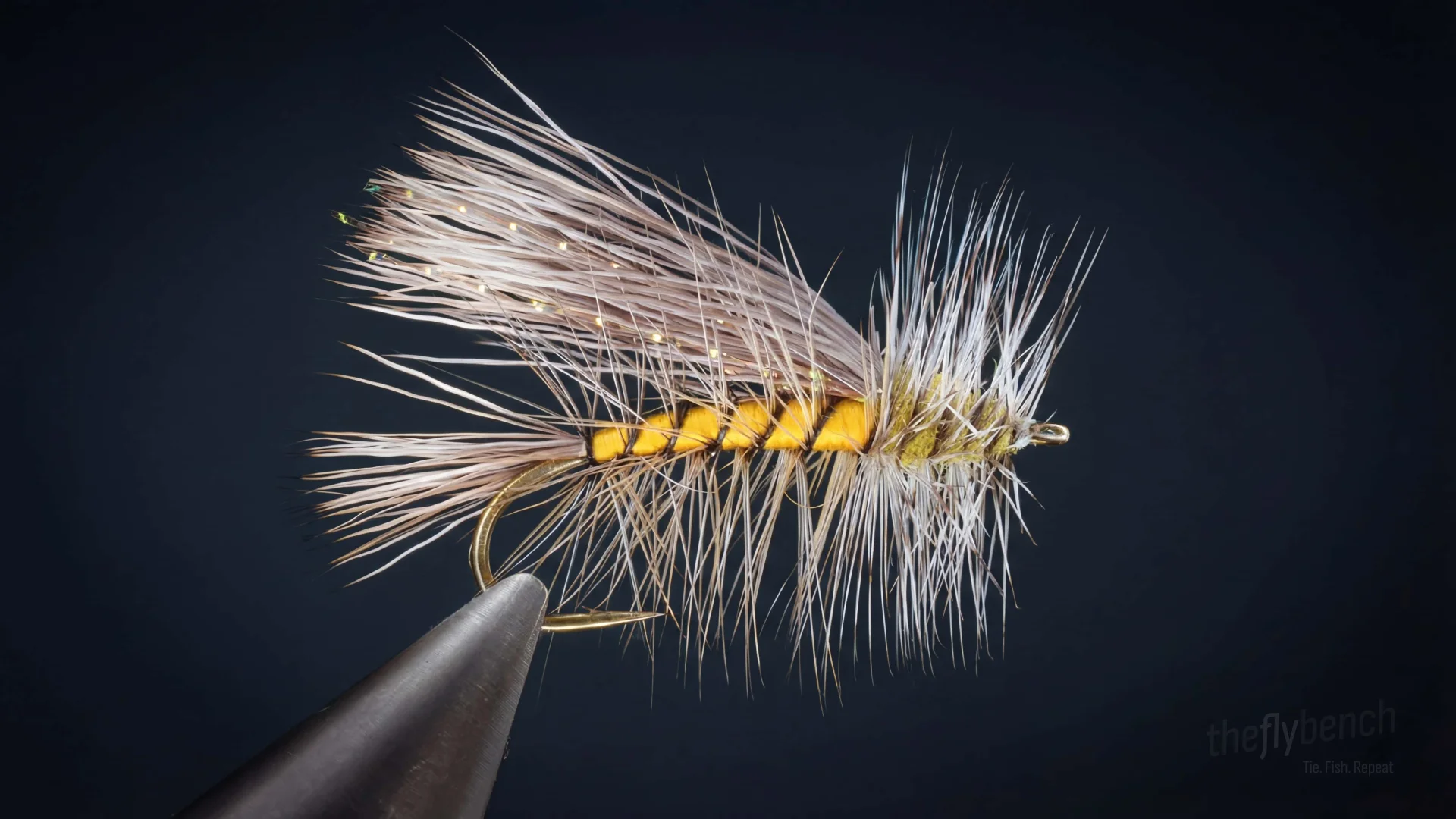
The Yellow Sally Stimulator is an excellent dry fly pattern that imitates the Yellow Sally Stonefly. Its high-floating design and vibrant color make it effective during stonefly hatches.
Summer
Intermediate
Trout
Apr 2025
Overview
A dry fly version of the Stimulator tied in yellow or pale yellow to imitate the Yellow Sally stonefly. Features a segmented body (dubbing or floss), palmered hackle, elk or deer hair tail and wing. Great for summer pocket water.
Where to Buy This Fly
We only link to fly shops we trust. Some links are referral links, which may earn us a commission at no extra cost to you.
Materials
- Hook:
- 3X-long natural-bend hook (e.g. Dai-Riki 270), size 14
- Thread:
- Olive, 6/0
- Egg sac:
- Bright orange rabbit-fur dubbing
- Rib:
- Fine gold wire
- Abdomen:
- Bright yellow rabbit-fur dubbing
- Rear hackle:
- Yellow hackle
- Wing:
- Bleached elk hair, cleaned and stacked
- Front hackle:
- Cree or grizzly hackle
- Thorax:
- Bright yellow rabbit-fur dubbing
Behavior & Presentation
Natural Behavior: Yellow Sally adults taxi across riffle surfaces when egg-laying, creating subtle wakes as they bounce downstream while periodically touching water to deposit eggs. The repeated surface contact during midday hours triggers opportunistic rises.
Where Trout Eat It: Fish hold in seams, riffle edges, and near bankside vegetation where current concentrates egg-laying adults in moderate current.
How to Fish It: Dead drift through riffles and runs, adding subtle twitches along banks to simulate egg-laying behavior that triggers aggressive strikes.
Best Water: Target seams, riffle edges, and current breaks in eastern freestone streams where Yellow Sally populations thrive.
Strike Type: Summer rises to Yellow Sallies appear as quick surface sips or splashy refusals followed by confident takes. Fish often porpoise on the pattern with head-and-tail rises in riffle edges.
Fishing Strategy
Rigging Suggestions: Fish solo on 4X-5X tippet with 9-foot leader during active hatches. Excellent as indicator fly in dry-dropper setup with 20-28 inches of 5X tippet to size 16-18 Yellow Sally nymph for covering emerging and drifting insects.
Seasonal Timing: June through August during Yellow Sally (Isoperla) stonefly hatches, with peak effectiveness during July when populations reach maximum density on eastern and midwest freestone streams. The vibrant yellow body perfectly matches natural adults.
Pro Tips: Size 12-14 patterns accurately match natural Yellow Sally adults. The vibrant yellow body provides exceptional visibility even in shaded canopy situations. Apply gel floatant to hackle and wing for extended floatation through multiple drifts.
Entomology
These smaller golden-yellow stoneflies skitter across the water surface when egg-laying, creating subtle wakes as they taxi downstream while periodically touching down to deposit eggs. Fish respond aggressively to Yellow Sallies because they emerge during prime summer feeding periods when larger stonefly hatches have subsided, providing a reliable food source in productive riffle zones.
- Order
- Plecoptera
- Family
- Perlodidae
- Common Name
- Yellow Sally
- Organism Type
- insect
- Life Stage
- adult