Midge / EmergersStalcups Baetis
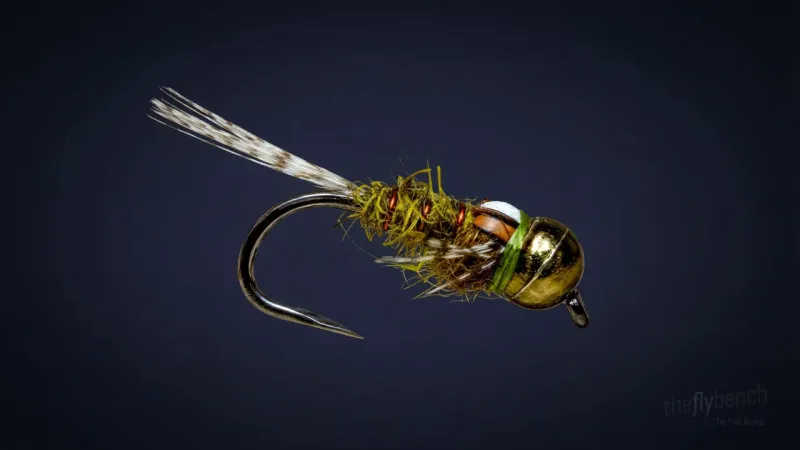
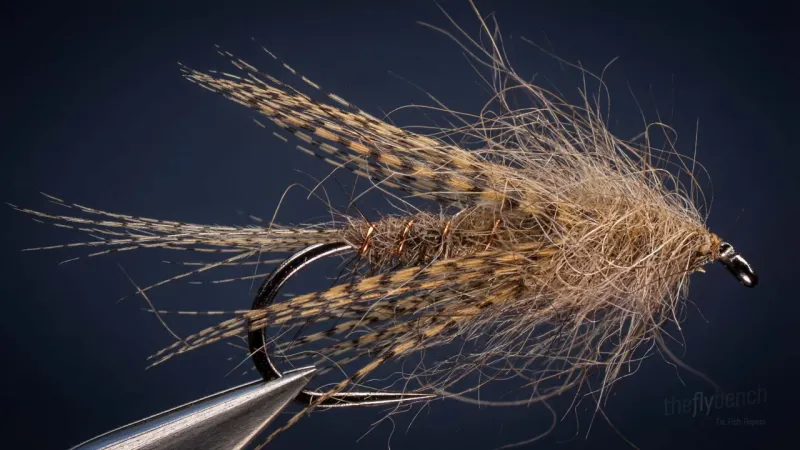
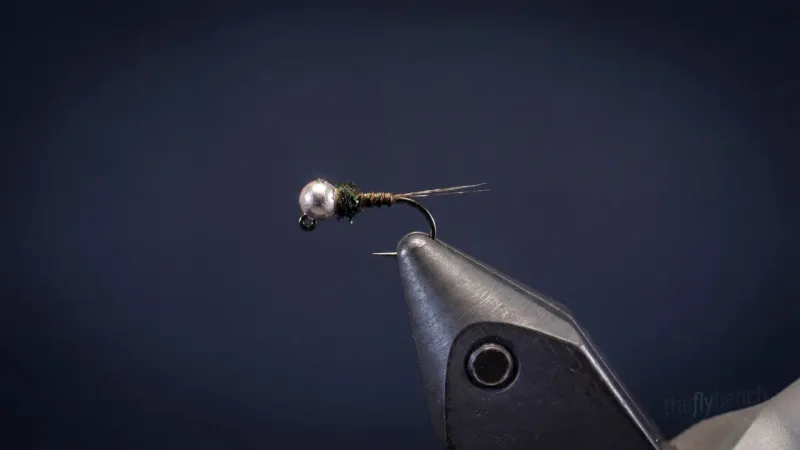
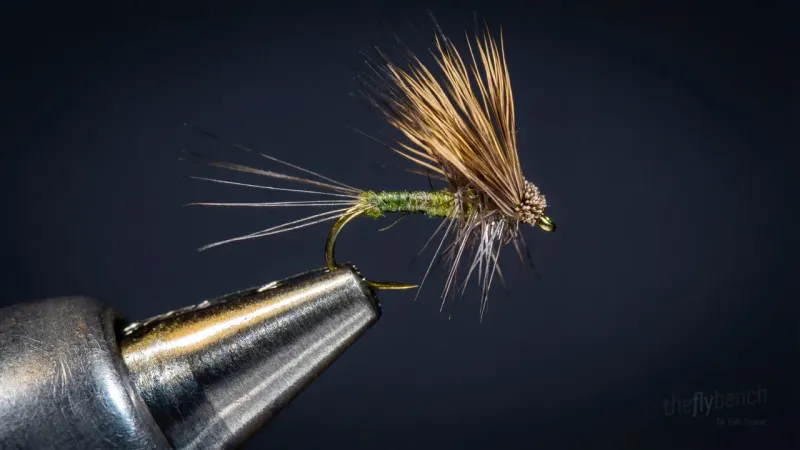
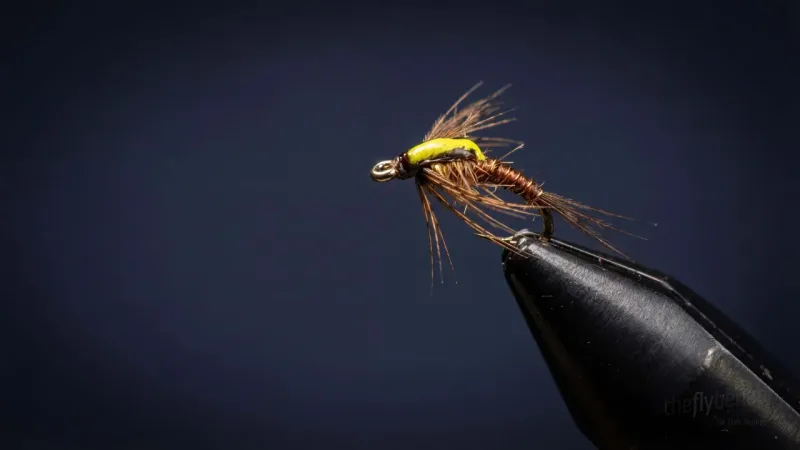
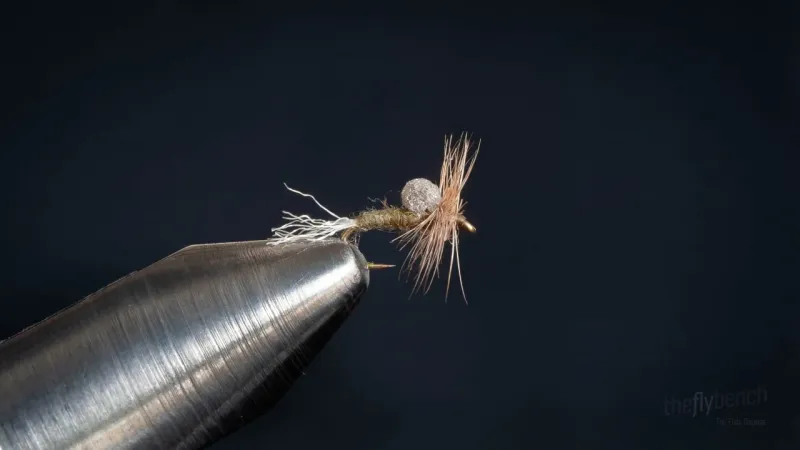
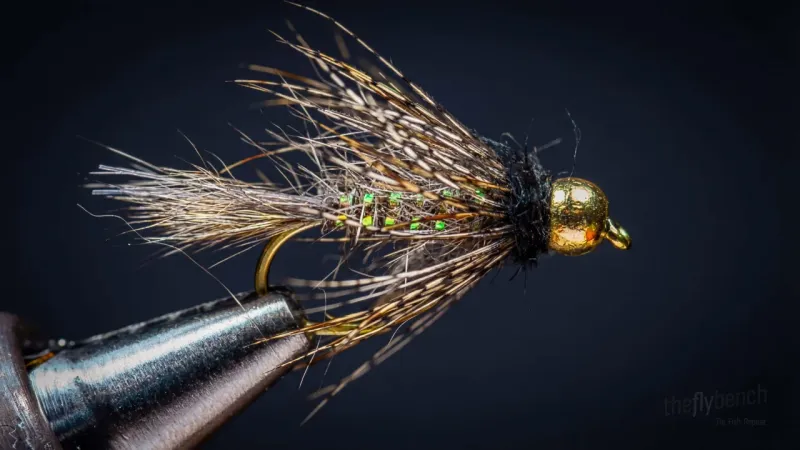
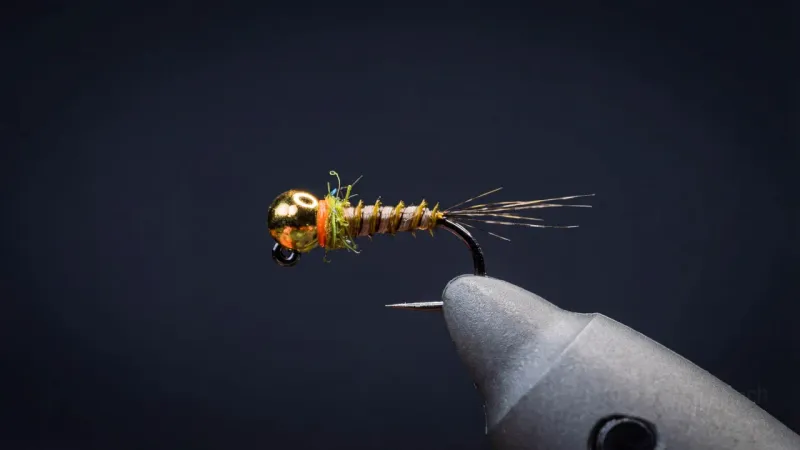
Stalcup's Baetis is an effective emerger pattern that imitates the Baetis, or Blue-Winged Olive mayfly. It's particularly useful during a BWO hatch when trout are keying in on emergers.
Spring, Fall
Advanced
Trout
Apr 2025
Overview
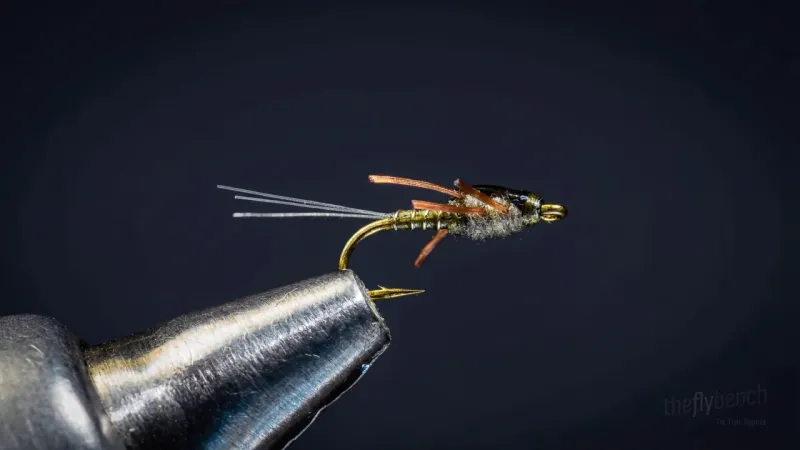
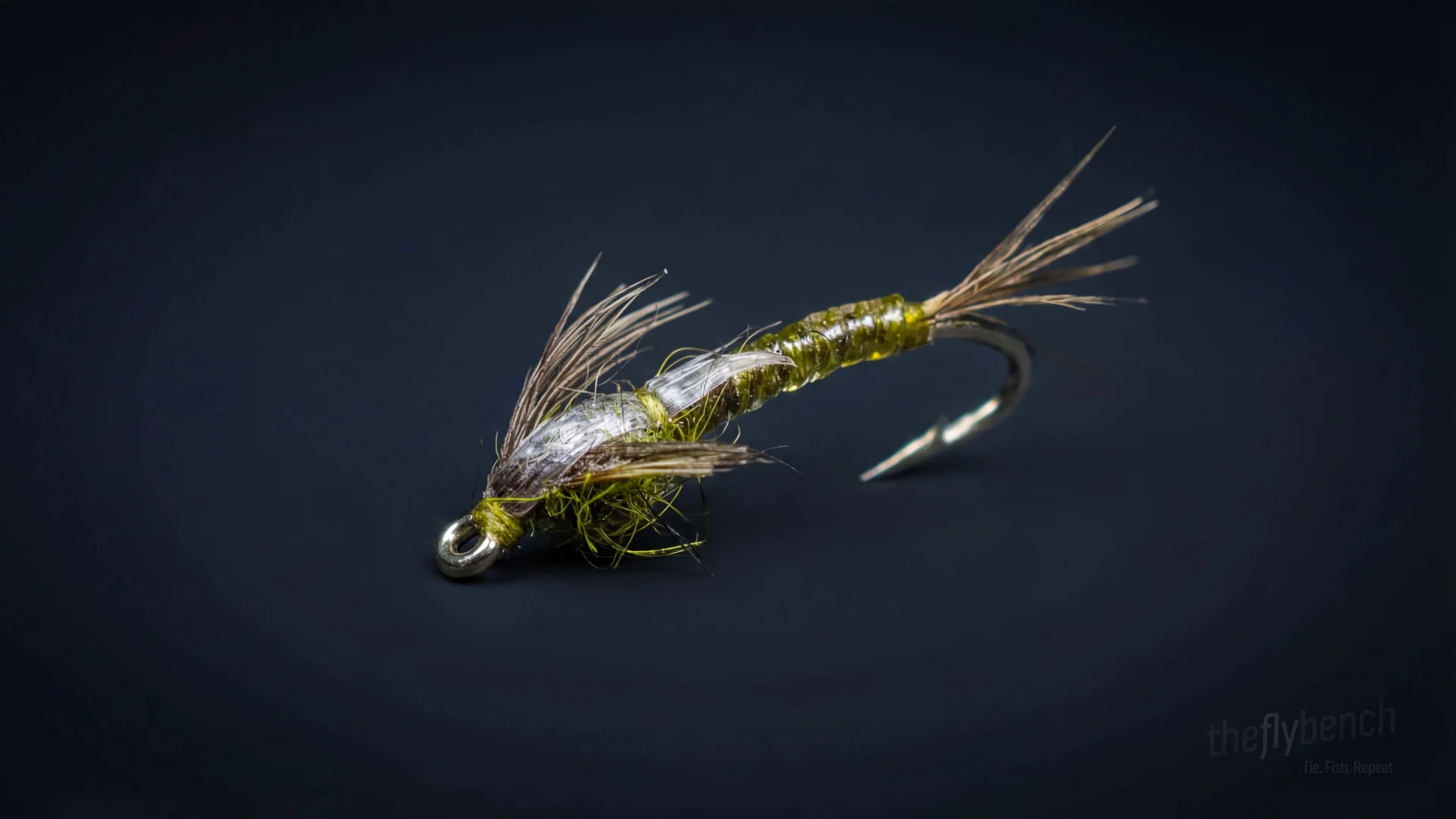
This classic Baetis nymph features a slender synthetic body, realistic tails, and a sparse, natural-colored thorax. Often tied with biots, microfibbet tails, and a subtle wingcase or flashback, it's designed for picky trout in clear water and is a favorite in tailwaters.
Where to Buy This Fly
We only link to fly shops we trust. Some links are referral links, which may earn us a commission at no extra cost to you.
Materials
- Hook:
- #20-22 Tiemco 200R
- Thread:
- Olive UTC 70 Denier
- Tail:
- Hungarian Partridge
- Abdomen:
- Olive-Brown D-Rib (small)
- Thorax:
- Olive-Brown Superfine
- Legs:
- Hungarian Partridge
- Wing Case:
- Olive-Brown Medallion Sheeting
Behavior & Presentation
Natural Behavior: During emergence, Baetis nymphs swim upward with pulsing movements before pausing just below the meniscus, trapped momentarily as wings begin unfurling from trailing shucks. This suspended vulnerability creates focused feeding opportunities for selective trout.
Where Trout Eat It: Fish position just beneath the surface film in soft water along seams, back eddies, and shallow flats where emergers concentrate.
How to Fish It: Maintain drag-free float in the surface film, allowing CDC wing to provide natural movement while Antron shuck creates realistic emerging silhouette.
Best Water: Soft water along current seams, back eddies, slow pools, and shallow flats in spring creeks and tailwaters.
Strike Type: Subtle sip or barely visible take in film, appearing as slight hesitation in drift when fished subsurface.
Fishing Strategy
Rigging Suggestions: Fish solo on 6X-7X fluorocarbon with 10-12ft leader for selective trout. Alternatively, position below size 18-20 parachute dry fly on 12-18 inches of 6X-7X tippet, or use as dropper in multi-fly nymph rig.
Seasonal Timing: March through May and September through November during peak Baetis emergence, optimal during April and October when hatches most prolific. Target hatches during overcast days, light rain, or snow from 11 AM to 3 PM. Water temperatures 42-54°F trigger consistent emergences because Baetis prefer cooler conditions.
Pro Tips: Size 18-22 matches natural Baetis emergers. Olive, gray, brown variations cover regional variations. Subtle profile fools highly selective spring creek and tailwater trout during technical fishing.
Entomology
Blue-winged olive nymphs transition from subsurface drift to emergence by swimming toward the surface in vulnerable stages, often hanging in the film as they shed their nymphal shuck. Selective trout focus intensely on these transitional insects because they're easier to capture than fully emerged adults and appear in predictable concentrations during overcast days and seasonal hatches.
- Order
- Ephemeroptera
- Family
- Baetidae
- Common Name
- Blue-Winged Olive
- Organism Type
- insect
- Life Stage
- general