Midge / EmergersSplit Foam Back BWO
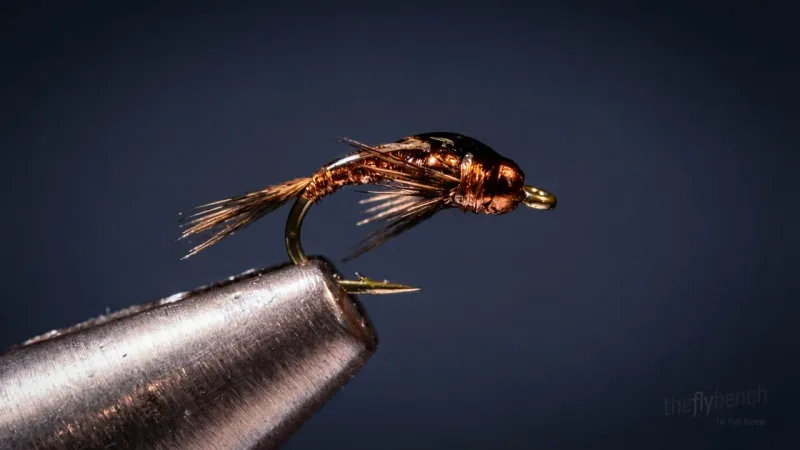
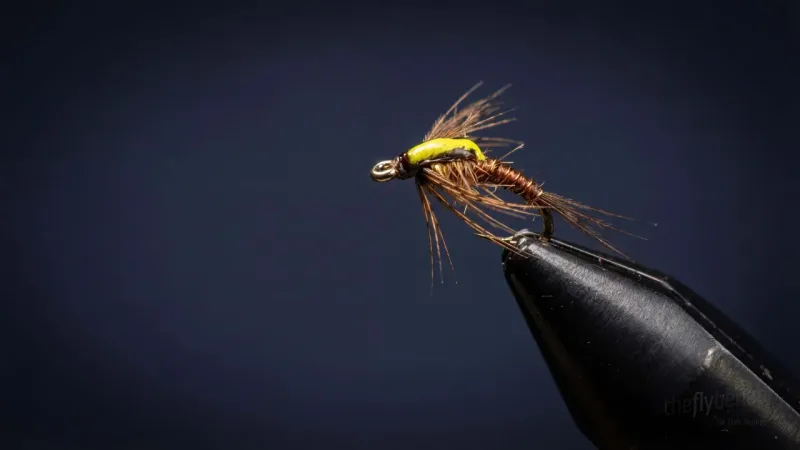
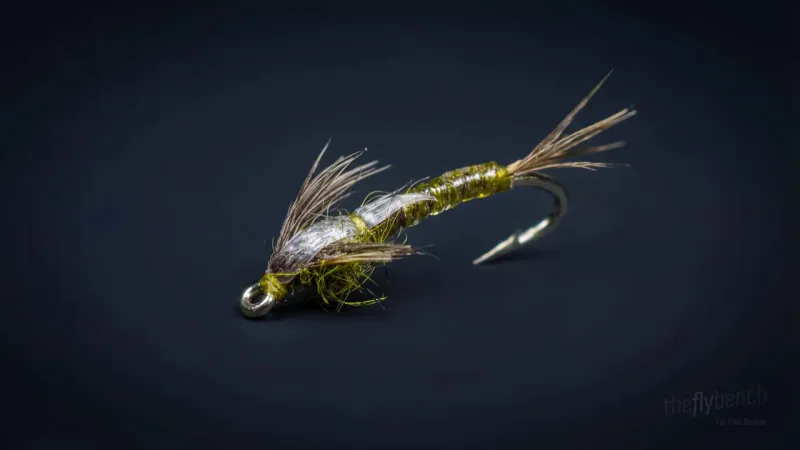
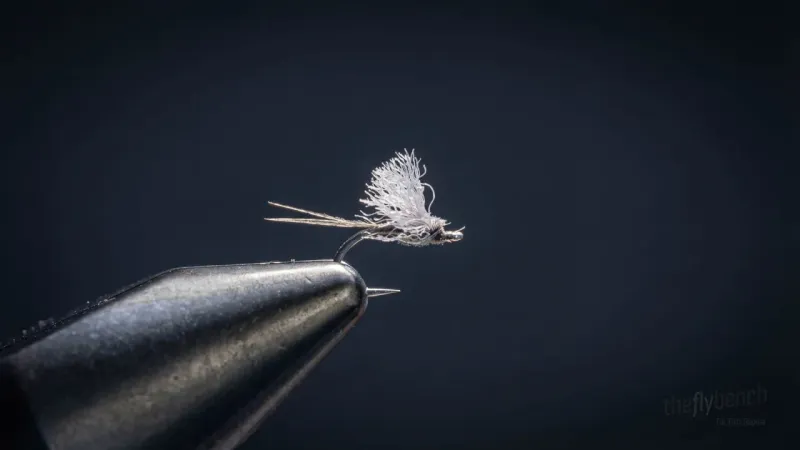
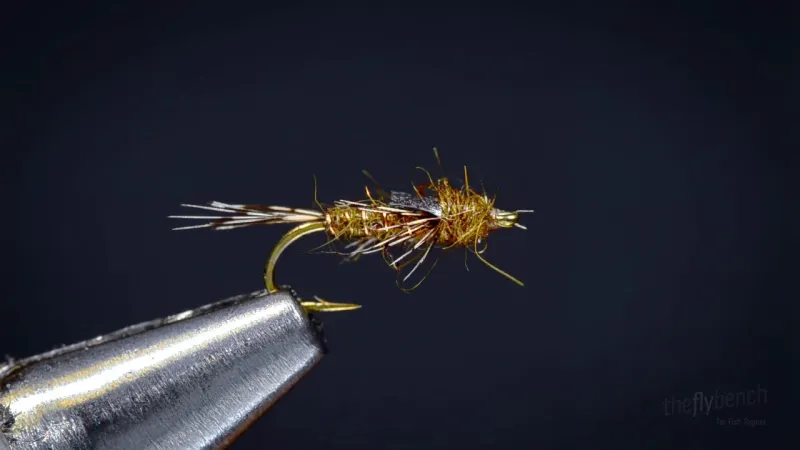
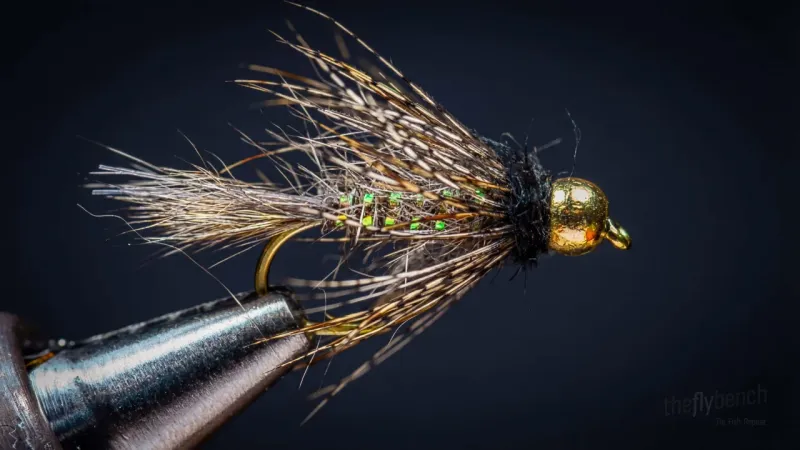
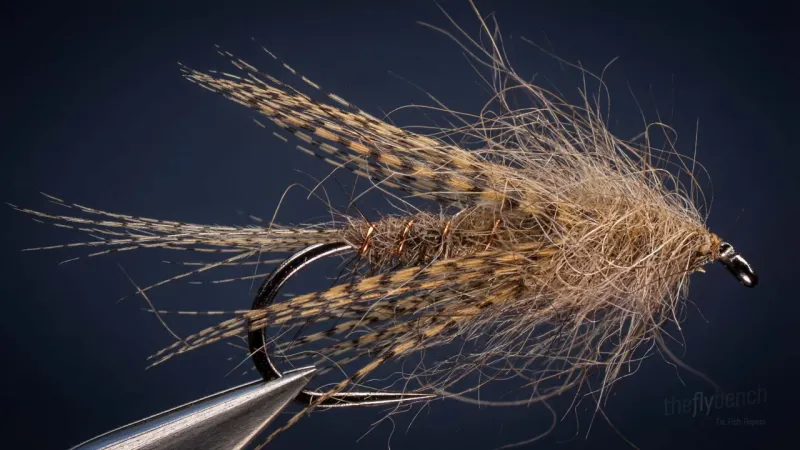
An innovative pattern designed to imitate emerging blue-winged olive mayflies. The split foam back mimics the wings of the mayfly as it struggles to break free from its nymphal shuck.
Spring, Fall
Advanced
Trout
Apr 2025
Overview
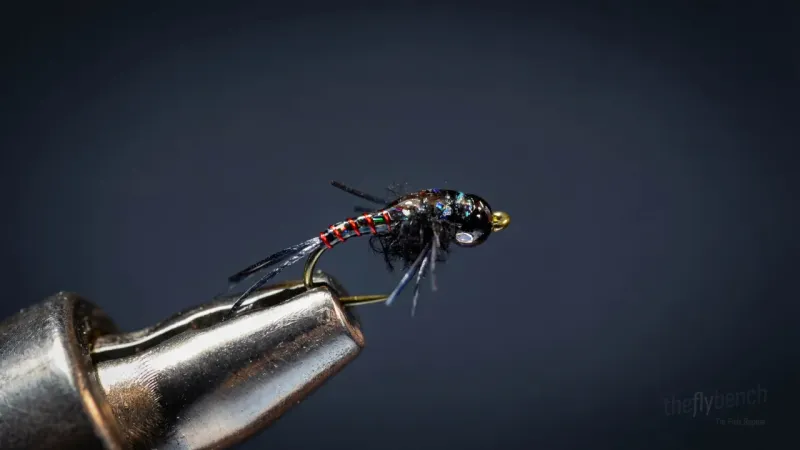
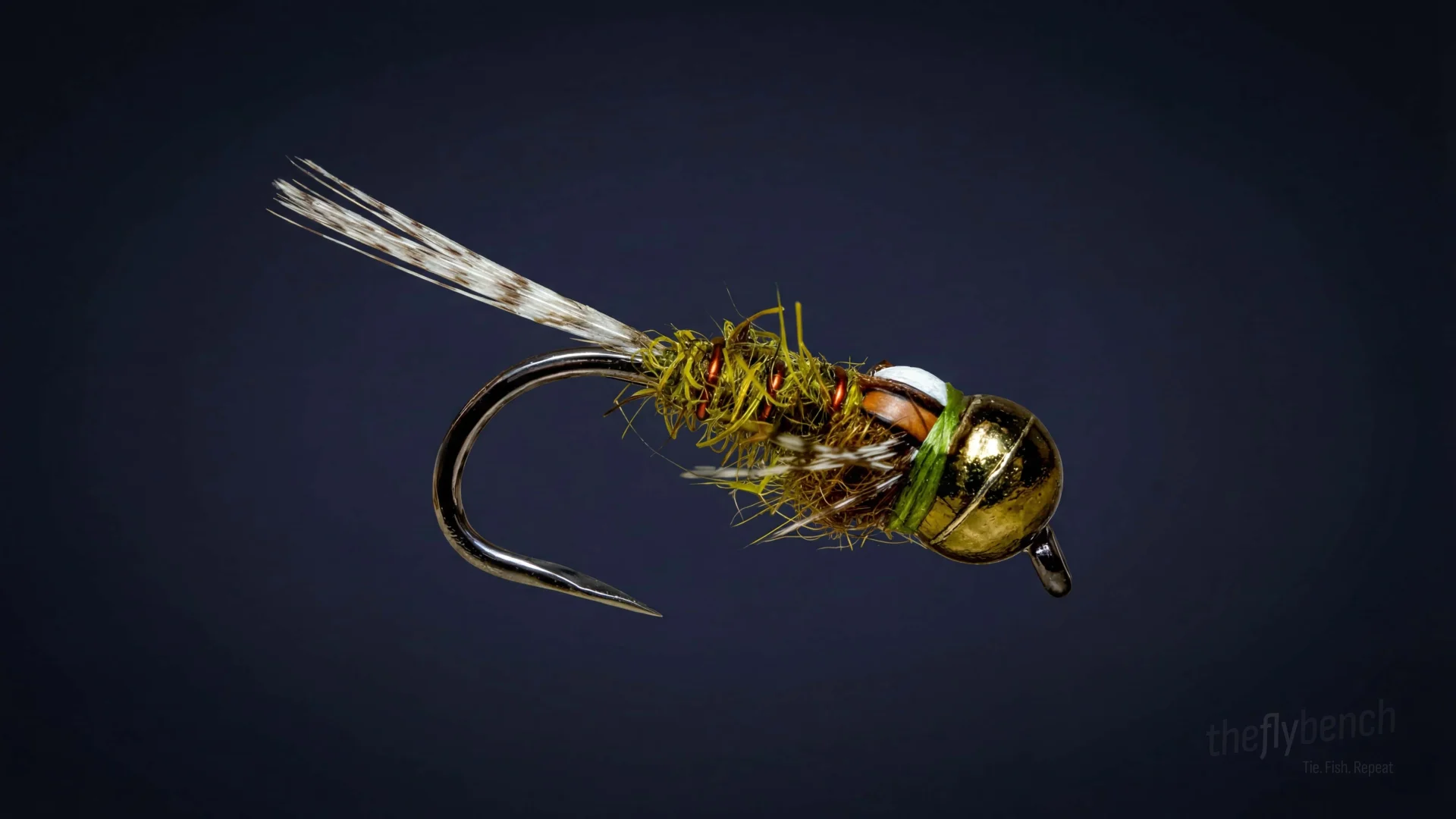
A low-riding Blue Wing Olive emerger with a foam split back to keep it in the film. The segmented body is often made from thread or fine dubbing, and a sparse tail and CDC or Antron shuck finish it off. It's effective during Baetis hatches on flat water.
Materials
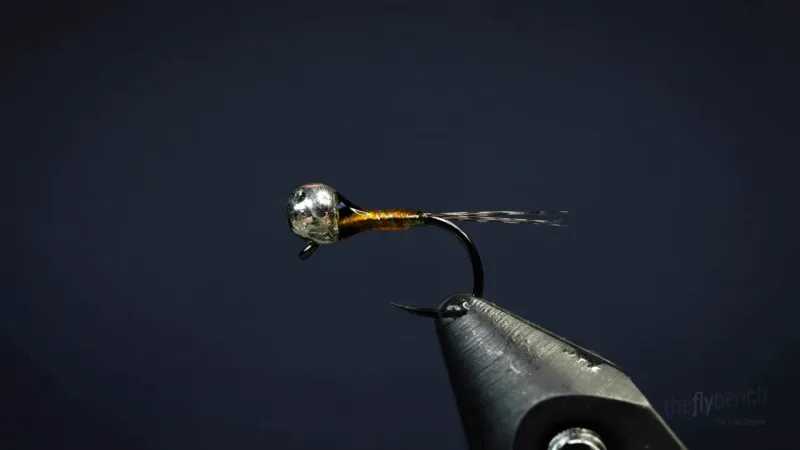
Hook: #18-22 Tiemco 2487
Thread: Olive UTC 70
Tail: Mallard Flank
Body: Small Copper Wire
Thorax: Olive UTC 70
Flash: Medium Pearlescent Tinsel
Casing: Tan Thin Foam
Legs: Mallard Flank
Behavior & Presentation
Natural Behavior: Blue-winged olive duns emerge through the surface film during overcast conditions, sitting upright as their wings expand and dry. These mayflies float for extended periods in calm water before taking flight, especially during cool weather.
Where Trout Eat It: Trout sip emergers in smooth glides, pool tailouts, and eddy lines where BWOs concentrate during emergence in flat water.
How to Fish It: Dead drift with drag-free presentation through feeding lanes. Use slack-line casts to offset conflicting currents. Apply minimal floatant only to foam.
Best Water: Flat tailouts below pools where smooth water creates ideal emergence zones, slick runs with minimal surface disturbance, and back eddies where surface insects accumulate.
Strike Type: The rise appears as a quiet dimple or slight bulge where the foam back disappears, often indistinguishable from natural emerger takes; lift smoothly without jerking to avoid breaking light tippet.
Fishing Strategy
Rigging Suggestions: Fish as a dropper 18-24 inches below a visible dry fly on 5X or 6X tippet, or alone on a 10-12 foot leader tapered to 6X.
Seasonal Timing: Most productive during (March-May) and (September-November) when Blue-Winged Olive hatches occur during cool, cloudy weather.
Pro Tips: The split foam wing creates a realistic emerging silhouette that selective trout prefer when they're refusing traditional dries. Apply minimal floatant only to foam to maintain proper riding position.
Entomology
Blue-winged olive emergers penetrate the surface tension with their thorax while their nymphal shuck remains partially attached, creating a distinctive half-in, half-out profile as they work to free themselves. Trout become exceptionally selective to these trapped emergers because they represent the most vulnerable stage of the hatch, unable to escape or dive effectively while struggling in the meniscus.
- Order
- Ephemeroptera
- Family
- Baetidae
- Common Name
- Blue-Winged Olive
- Organism Type
- insect
- Life Stage
- general