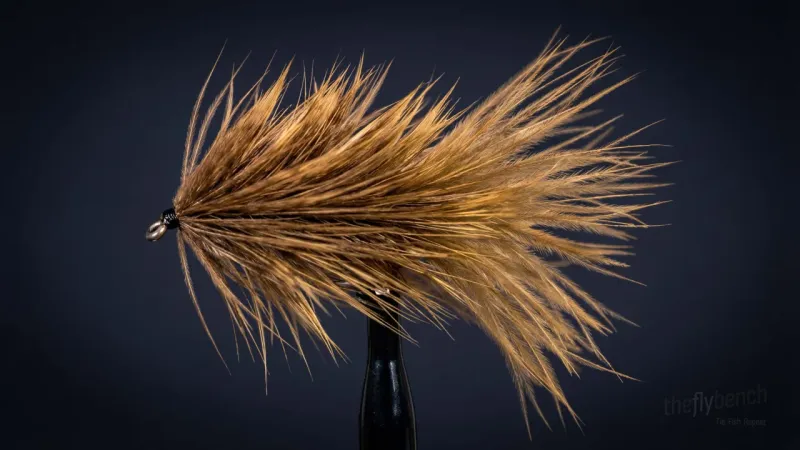
StreamersSquirrel and Herl Bugger
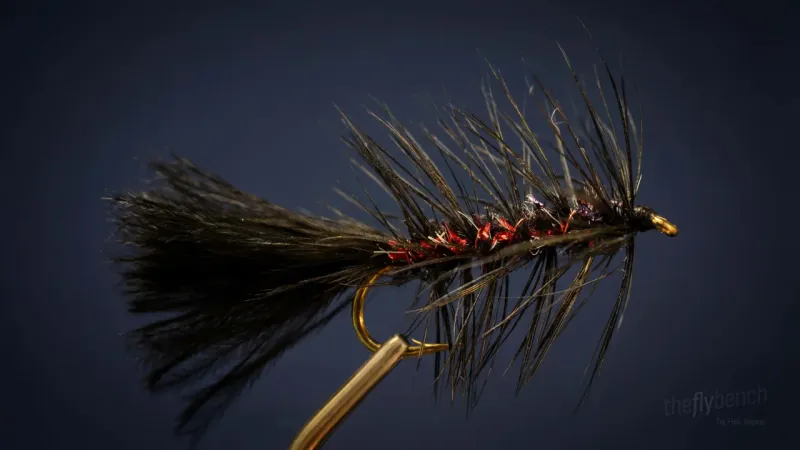
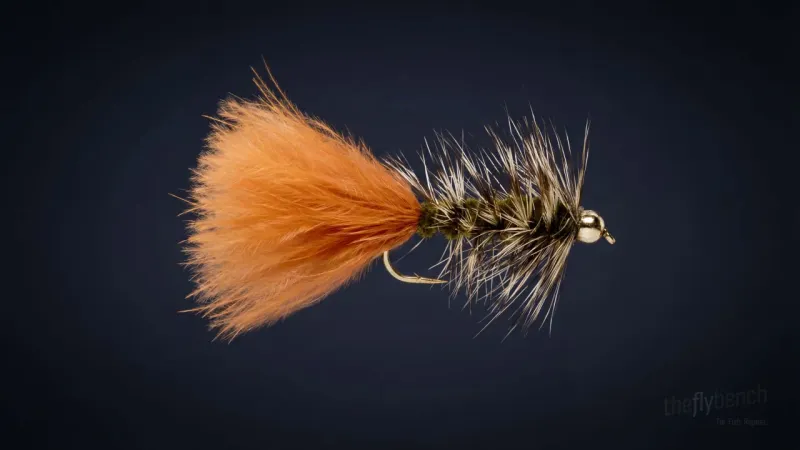
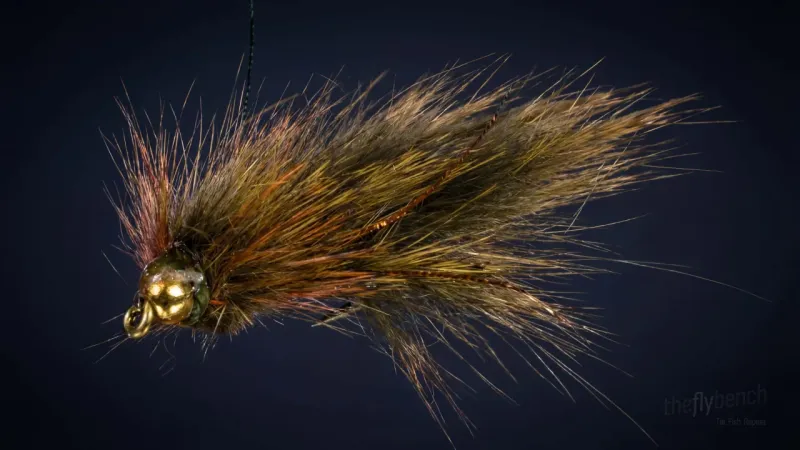
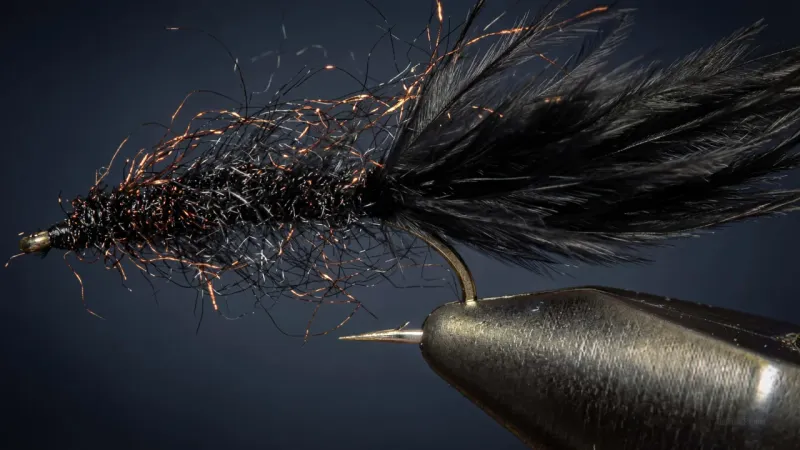
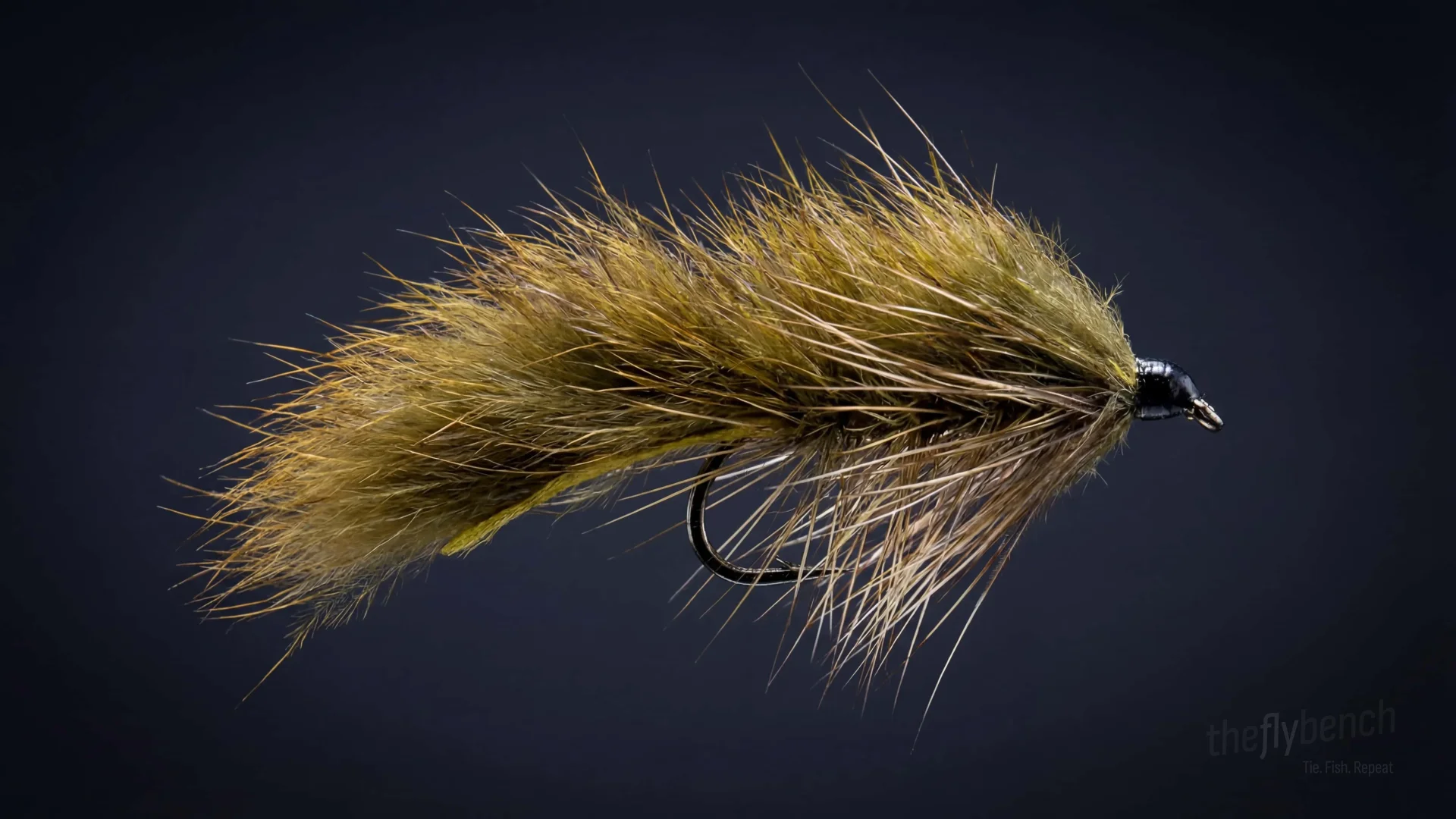
The Squirrel and Herl Bugger is a variant of the classic Woolly Bugger. The squirrel tail and peacock herl body give it a unique, appealing look and action in the water.
Year Round
Beginner
Trout, Bass
Apr 2025
Overview
A variation of the classic Woolly Bugger, this version replaces chenille with peacock herl and uses squirrel tail or dubbing for added spikiness and flash. The result is a buggy, pulsating fly great for imitating baitfish, leeches, or large nymphs.
Where to Buy This Fly
We only link to fly shops we trust. Some links are referral links, which may earn us a commission at no extra cost to you.
Materials
- Hook:
- 3X-long nymph hook (here, a Dai-Riki 710), size 8
- Thread:
- 6/0 or 140 Denier, black
- Body:
- Peacock herl, 3 or 4 strands
- Tail:
- Pine-squirrel zonker strip, olive
- Hackle:
- Dyed-olive grizzly
Behavior & Presentation
Natural Behavior: Leeches swim with distinctive undulating movements through weed beds and along muddy bottoms, often active during low-light periods. They pulse and glide when crossing open water, creating visible movement that triggers aggressive strikes.
Where Trout Eat It: Cruising trout intercept leeches along weed edges, over muddy shoals, and near drop-offs in lakes and slow rivers.
How to Fish It: Slow, pulsing strips with pauses allow the pattern to undulate naturally. Vary retrieve speed to trigger following fish.
Best Water: Target weed edges, drop-offs, and shoals with structure transitions. Undercut banks concentrate cruising trout.
Strike Type: Expect aggressive strikes with sudden line tension; strip-set firmly to drive the hook home.
Fishing Strategy
Rigging Suggestions: Use full-sinking or sink-tip lines rated 3-5 IPS depending on depth. Leaders of 6-9 feet with 2X-3X tippet provide turnover and strength for larger fish.
Seasonal Timing: Year-round pattern with peak effectiveness during (March-May) and (September-November) when trout feed aggressively on baitfish and leeches.
Pro Tips: The grizzly hackle creates lifelike movement with minimal stripping action. Natural squirrel tail breathing underwater adds realism that triggers aggressive strikes from bass and trout.
Entomology
This impressionistic pattern suggests various swimming and drifting aquatic organisms including dragonfly nymphs, damselfly nymphs, and large stoneflies that move through the water with pulsing, undulating motions. Fish strike these bugger-style flies aggressively because the movement triggers predatory instincts and the profile suggests high-calorie forage items worth expending energy to capture, particularly in lakes and slower river sections.
- Organism Type
- insect
- Life Stage
- general