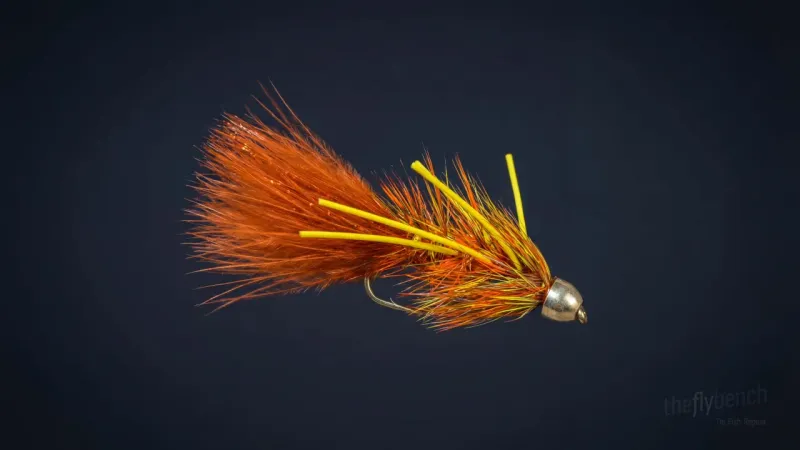
StreamersBeck's Super Bugger
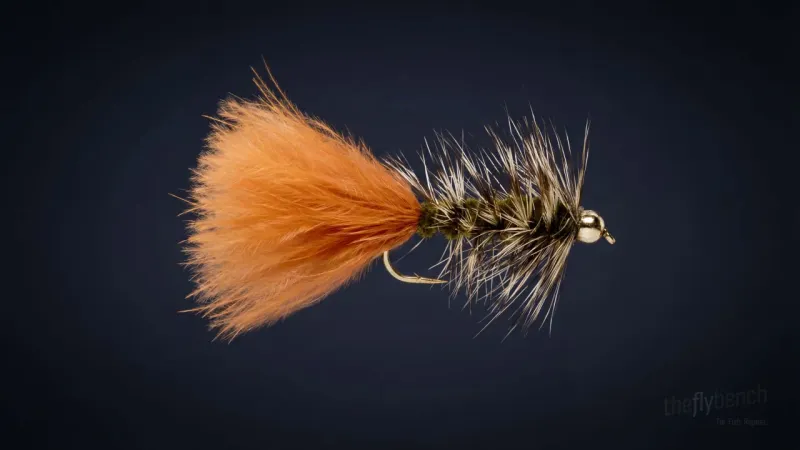
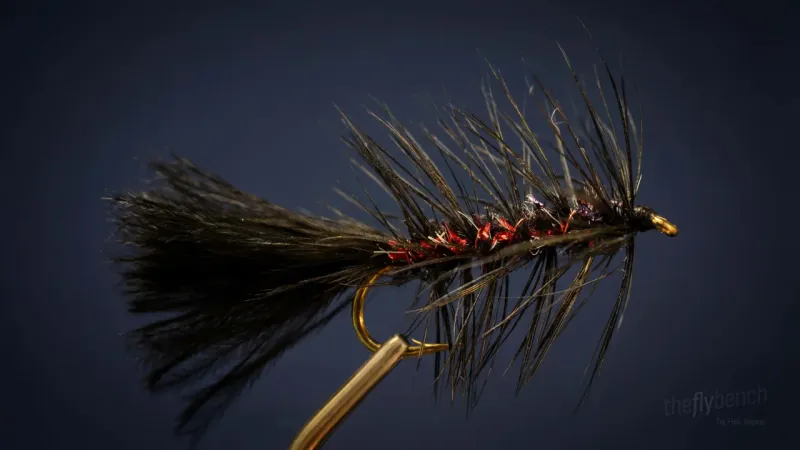
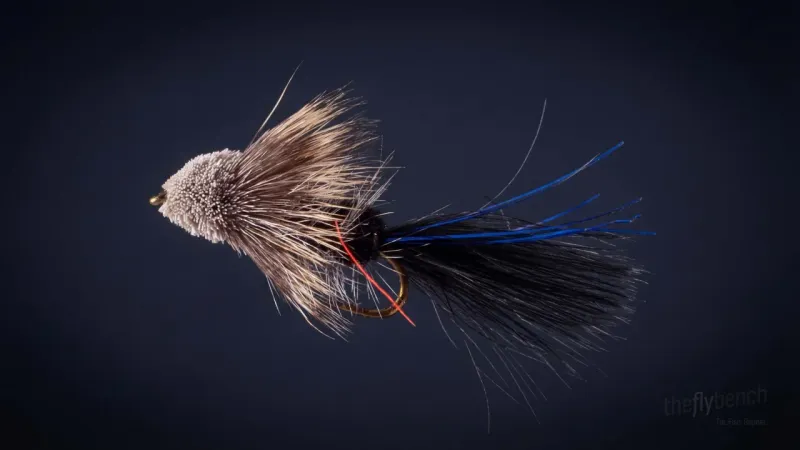
Streamer pattern known for its ability to simulate a variety of aquatic prey. Tied with a weighted body and a marabou tail to create lifelike movement in the water, making it irresistible to many species of fish. Beefed-up version of the Woolly Bugger with serious sink rate.
Spring, Summer, Fall
Intermediate
Trout, Bass
Apr 2025
Overview
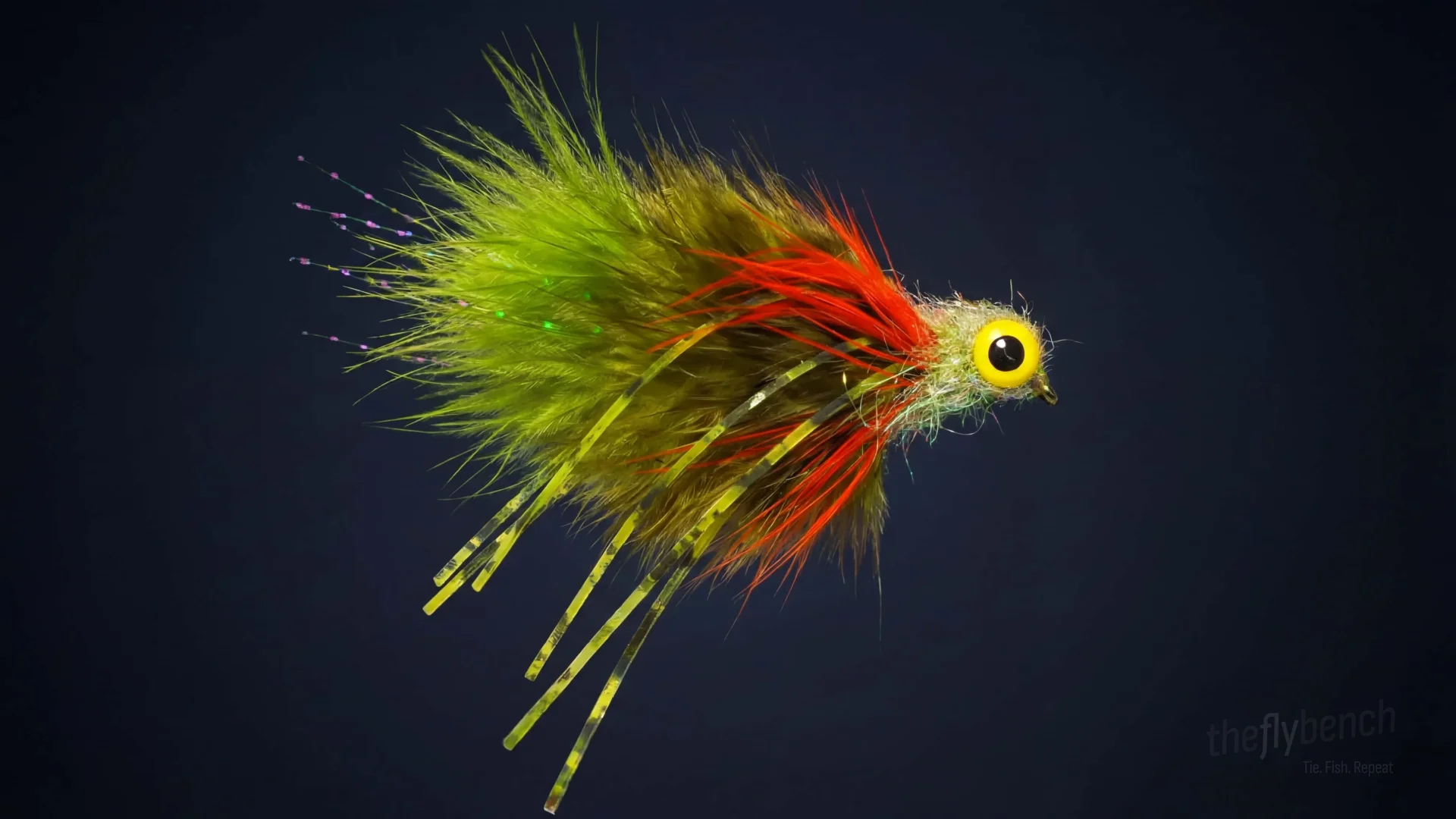
Beefed-up version of the Woolly Bugger developed in the 1990s, this pattern features a heavily weighted underbody, palmered hackle, a long marabou tail, and sometimes flash for extra attraction. Often tied with lead wire and a conehead or dumbbell eyes for serious depth, it's an excellent option when you need a streamer with a larger profile and aggressive sink rate. The extended marabou tail provides exceptional movement that predatory fish find irresistible.
Where to Buy This Fly
We only link to fly shops we trust. Some links are referral links, which may earn us a commission at no extra cost to you.
Materials
- Hook:
- Tiemco 5262, size #6–#10
- Thread:
- Black Veevus 6/0
- Body:
- Chenille in olive
- Tail:
- Marabou in black
- Ribbing:
- Fine copper wire
- Hackle:
- Saddle hackle in grizzly
- Bead:
- Brass bead in gold
Behavior & Presentation
Natural Behavior: During high-water events, disoriented baitfish lose their positional stability and tumble head-over-tail through heavy current, their bodies rotating and flashing as they struggle against hydraulic forces. Leeches dislodged from moorings add to this vulnerable drift, undulating helplessly as strong flows carry them through predator ambush zones in deep channel swings.
Where Trout Eat It: Trophy trout hold in slack pockets behind boulders and deep channel swings during high flows. The aggressive sink rate reaches 6-15 feet where tumbling baitfish become easy targets.
How to Fish It: Let it sink deep, then use patient 3-5 inch strips with rod pumping. Bottom-bounce with occasional long strips to mimic tumbling baitfish.
Best Water: Target deep channel swings with strong current where heavy weighting reaches feeding zones.
Strike Type: Strikes arrive as sudden, heavy pulls during slow retrieves or as explosive hits when the fly tumbles through deep pockets, with large fish often hooking themselves against the rod's resistance.
Fishing Strategy
Rigging Suggestions: Can be fished alone or as part of a multi-fly setup. Consider using a sinking line or a sink tip to get the fly deeper (6-15 feet). Use 1X-2X fluorocarbon tippet.
Seasonal Timing: Best used April through October during , , and . Peak effectiveness occurs May-June and September-October when fish feed aggressively on baitfish. Water temperatures between 50-68°F are ideal.
Pro Tips: This pattern sinks quickly due to heavy weighting. The size and color make it visible in a variety of water conditions, including stained or murky water.
Entomology
In heavy water conditions, larger baitfish struggle to maintain position against strong currents, resulting in tumbling, head-over-tail movements that broadcast distress. These energy-sapping conditions also dislodge leeches from their moorings and force crayfish into open water where they're easily spotted. Predatory fish position themselves in current seams specifically to intercept this high-volume, high-calorie drift of struggling prey organisms.
- Organism Type
- baitfish
- Life Stage
- general