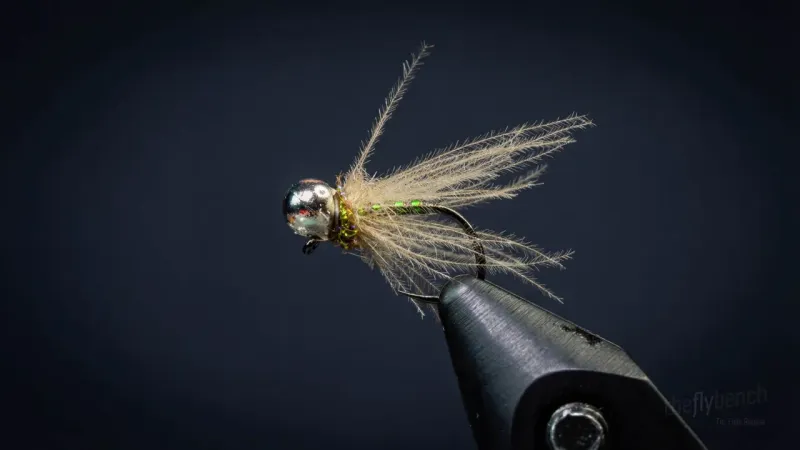
Euro NymphsSquatchy B
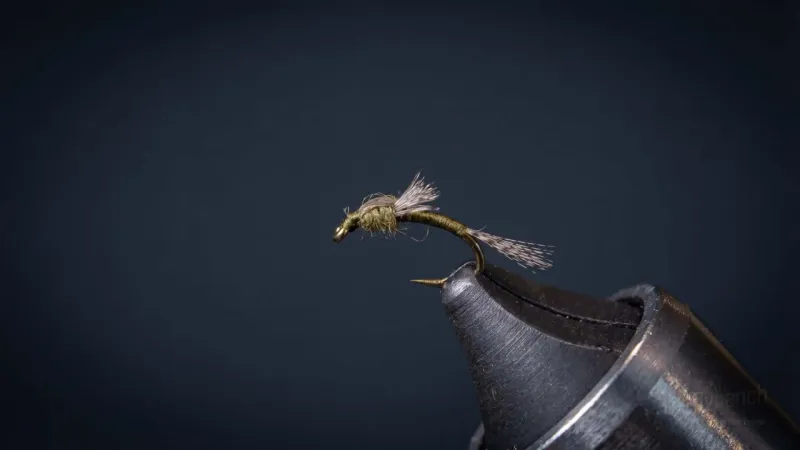
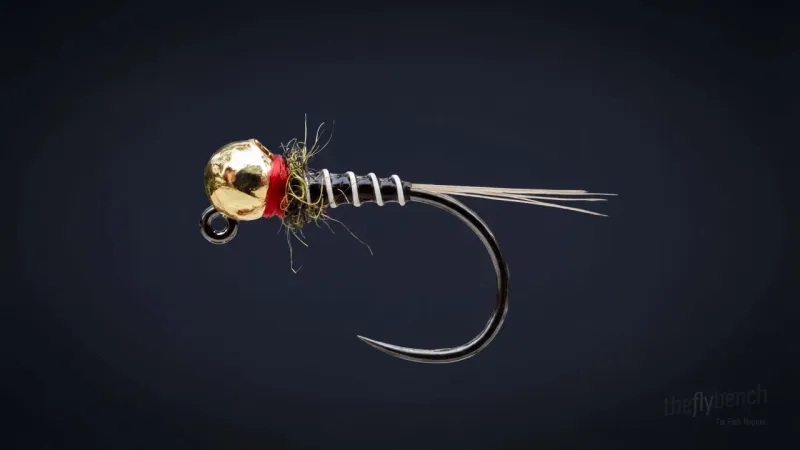
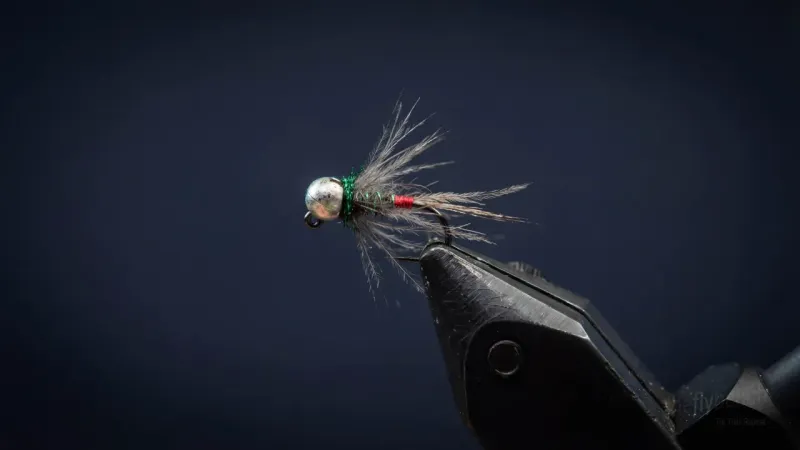
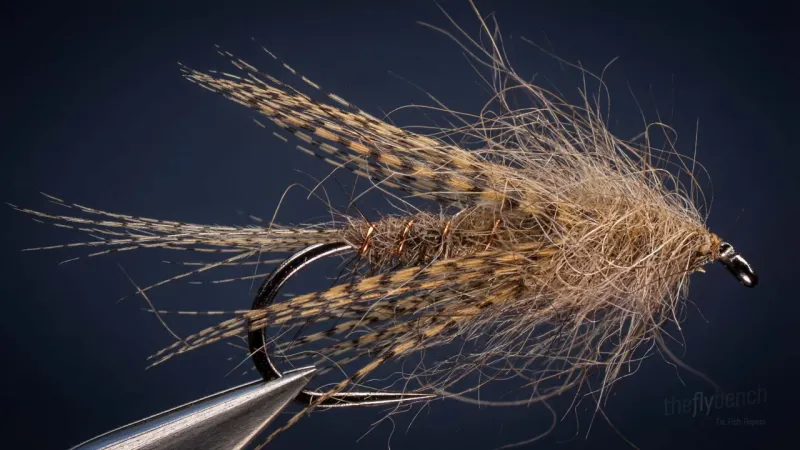
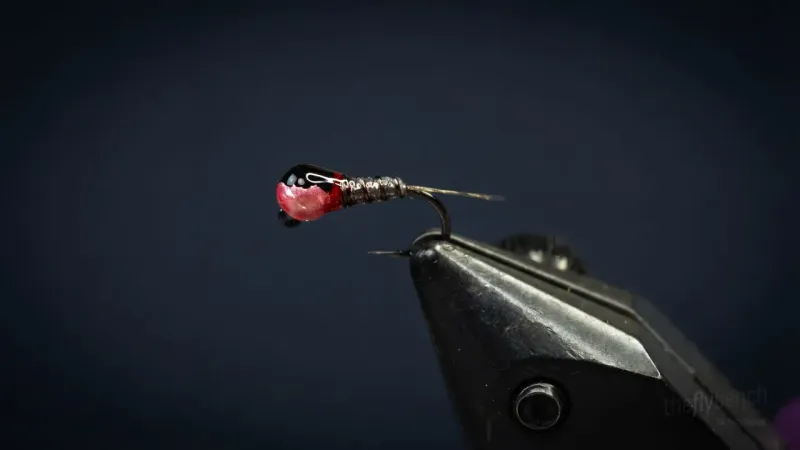
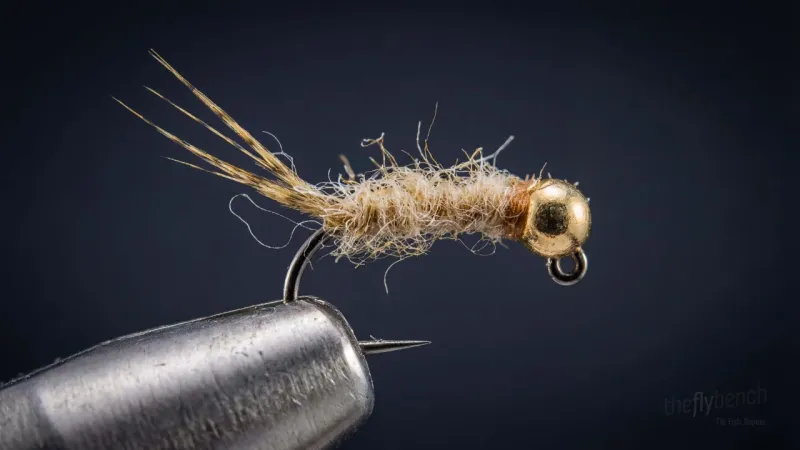
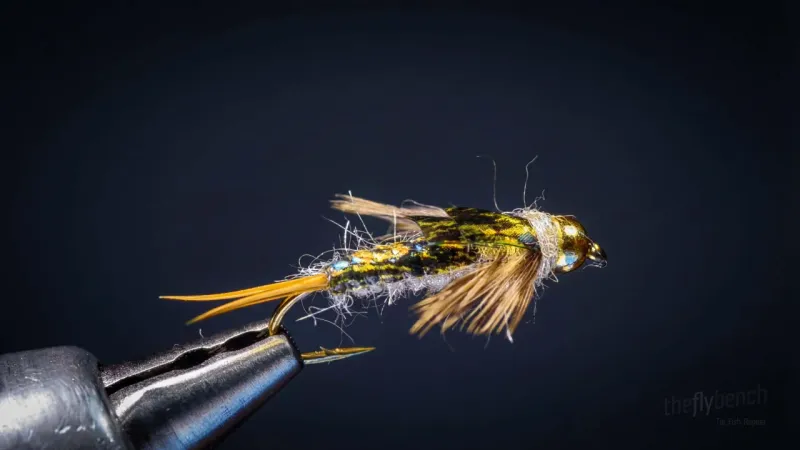
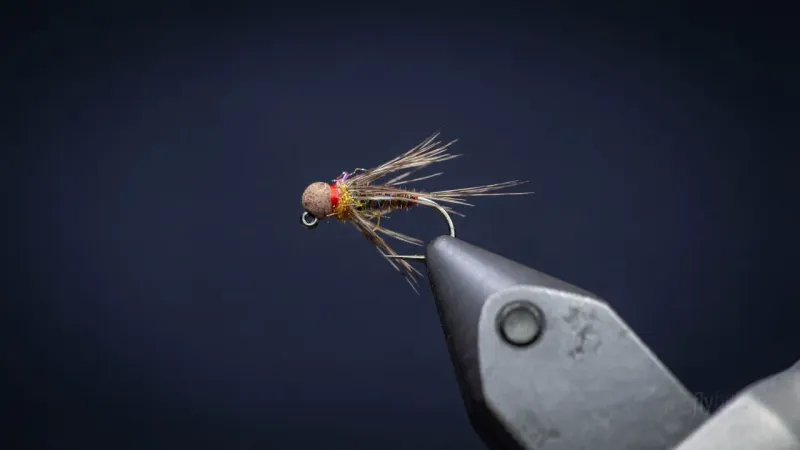
A buggy jig nymph pattern designed for euro-nymphing techniques, featuring a combination of natural materials that create excellent movement in the water. The pheasant tail body with copper ribbing provides a classic mayfly nymph profile, while the squirrel dubbing thorax and CDC collar add lifelike motion. Effective across multiple water types and conditions.
Year Round
Intermediate
Trout
Dec 2025
Overview
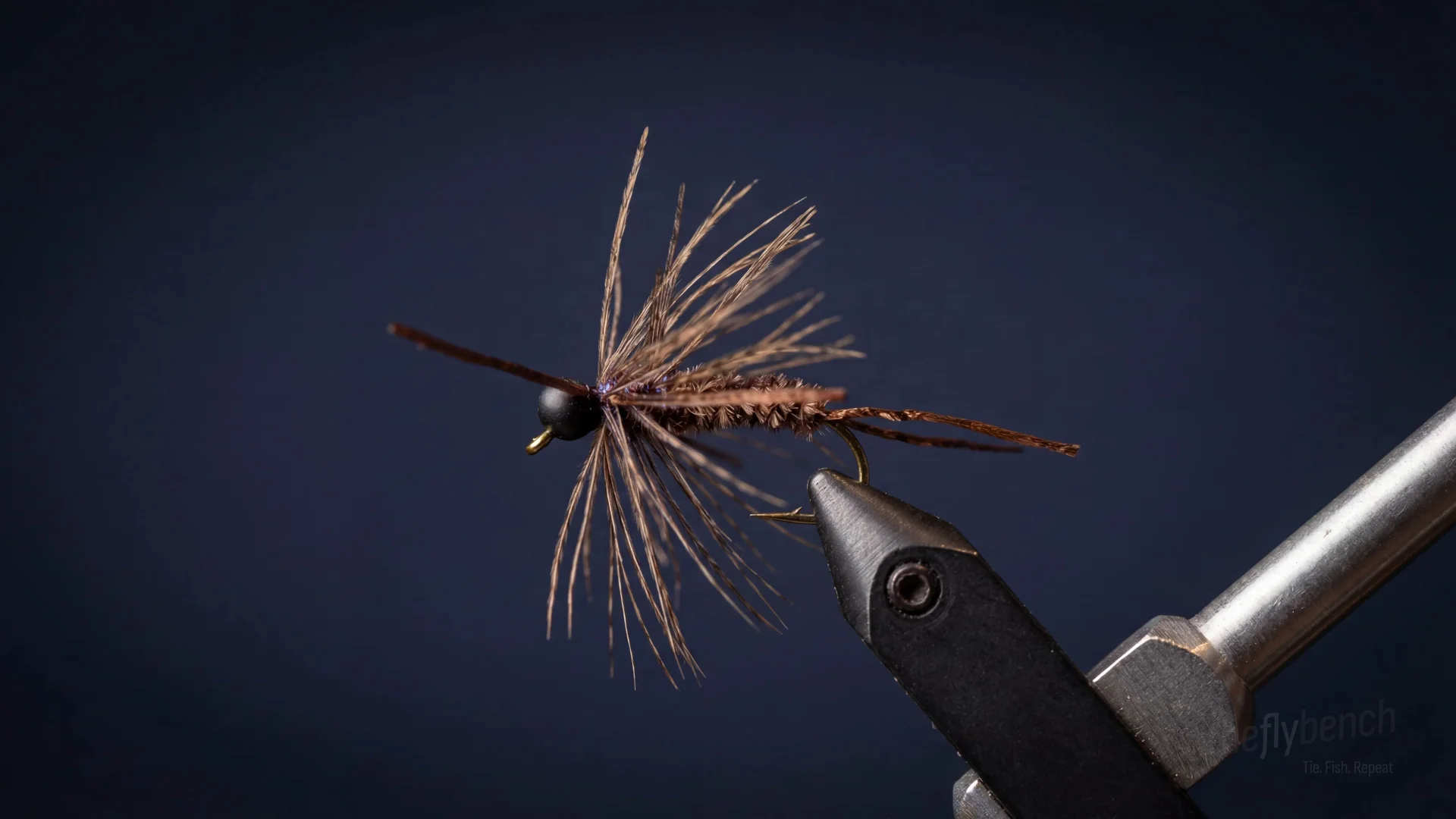
Developed by Fly Fish Food, this pattern combines traditional pheasant tail materials with the added bugginess of natural squirrel dubbing and CDC. The jig hook design ensures the fly rides hook-point up, reducing snags while maintaining excellent hook-up ratios. The brown tungsten bead provides fast sink rates necessary for euro-nymphing presentations. Coq De Leon tail fibers add natural segmentation and movement.
Materials
Hook: Hanak H 400 BL Jig Hook, size #14
Bead: Hanak Metallic+ Slotted Tungsten, brown, 3.0mm
Thread: Semperfli Classic Waxed Thread 12/0, brown
Tail: Coq De Leon fibers, medium pardo
Body: Pheasant tail fibers
Ribbing: UTC Ultra Wire, copper, small
Thorax: Squirrel dubbing, natural
Collar: CDC puff, natural
Behavior & Presentation
Natural Behavior: Burrowing nymphs emerge from silt to filter-feed, becoming vulnerable when floods dislodge them from protective tunnels into open drift.
Where Trout Eat It: Fish hold near bottom in feeding lanes 2-5 feet deep, intercepting pale, soft-bodied nymphs in pocket water and seams.
How to Fish It: Tight-line euro with minimal leader weight. Dead drift through feeding lanes while CDC collar creates subtle breathing movement.
Best Water: Target pocket water with varied flows, seams along structure, and riffle edges where dislodged nymphs enter feeding zones.
Strike Type: Subtle tick in sighter. CDC movement triggers visual strikes from fish positioned in feeding lanes.
Fishing Strategy
Rigging Suggestions: Fish on a 9-12 foot leader with 4X-5X fluorocarbon tippet. Use as the point fly in a two-fly euro rig with a lighter pattern as the dropper.
Seasonal Timing: , particularly productive during spring and fall Baetis hatches when mayfly nymphs are most active. Also works well in summer and winter in tailwaters with consistent flows.
Pro Tips: Sinks quickly due to the 3.0mm tungsten bead, reaching productive depths rapidly in 2-4 feet of water. The jig hook design and CDC collar create subtle movement even in slow currents.
Entomology
Burrowing mayfly nymphs excavate U-shaped tunnels in silty substrates, periodically emerging to filter-feed on suspended organic particles by creating water currents with feathery gills. Flash floods and scouring flows dislodge these nymphs from protective burrows, suddenly exposing pale, soft-bodied invertebrates that fish aggressively target during turbidity spikes when visual predation on surface prey becomes impossible.
- Order
- Ephemeroptera
- Common Name
- Mayfly
- Organism Type
- insect
- Life Stage
- nymph