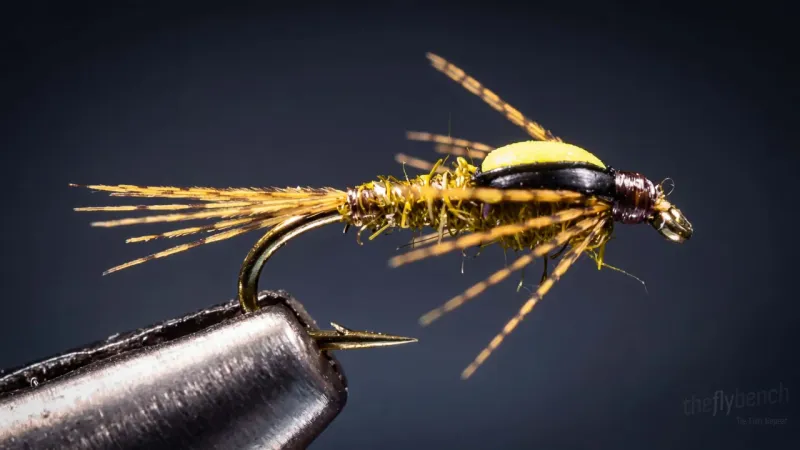
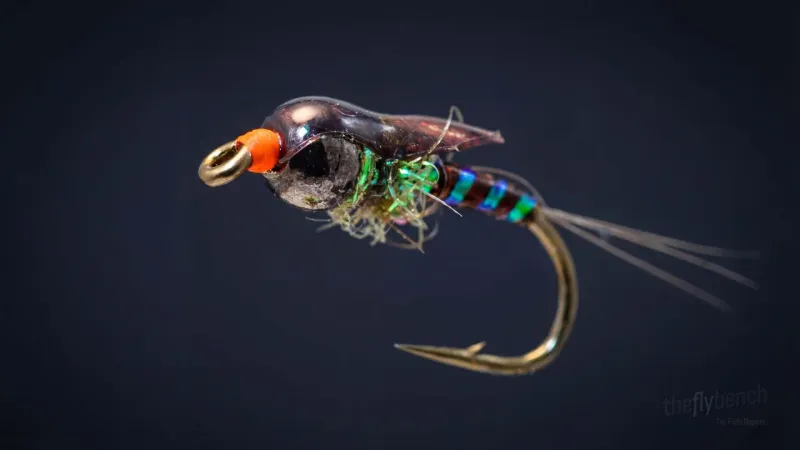
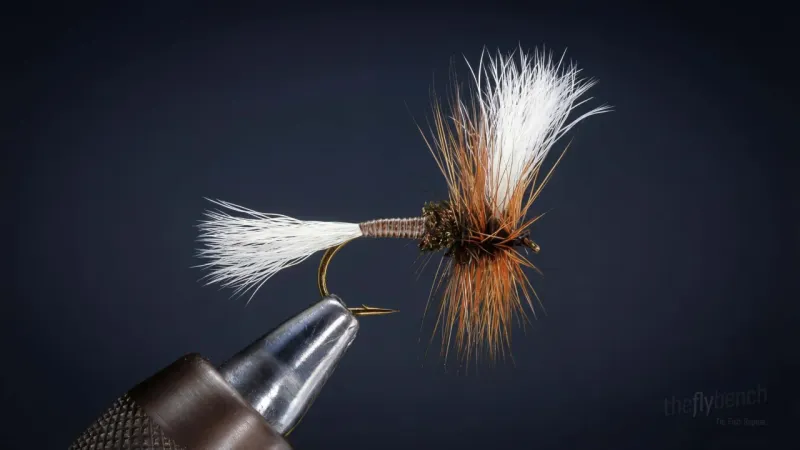
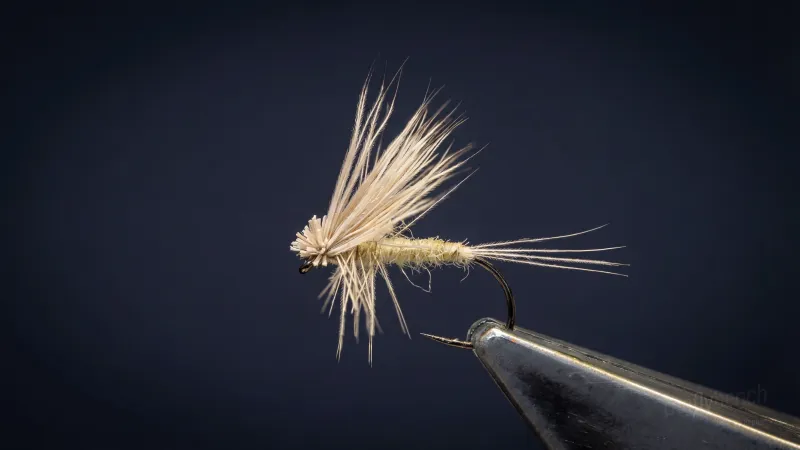
Dry FliesSparkle Dun Variant
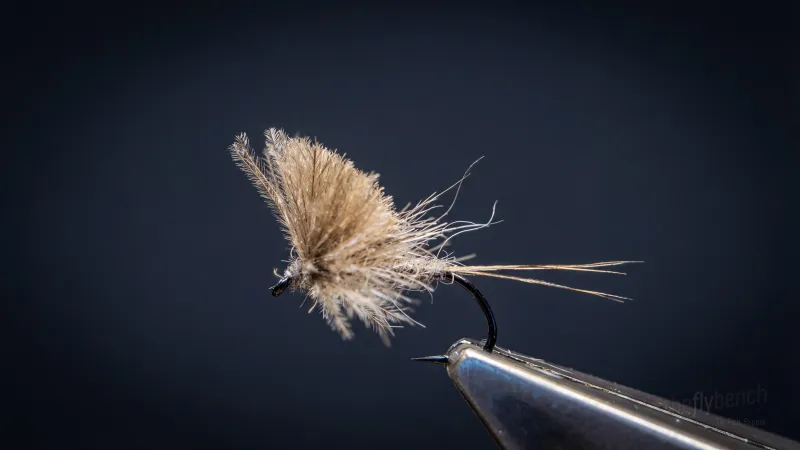
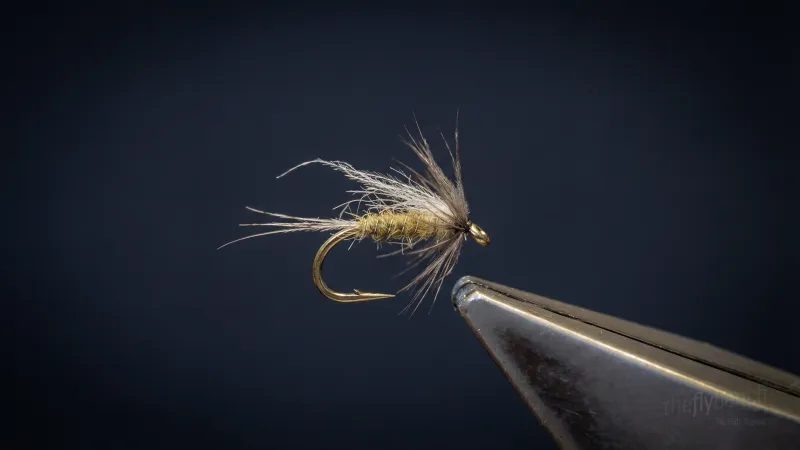
The Sparkle Dun Variant is a dry fly pattern designed by Loren Williams. This effective pattern works well in a variety of water conditions and is tied with traditional materials for a proven presentation.
Spring, Summer, Fall
Intermediate
Trout
Feb 2026
Overview
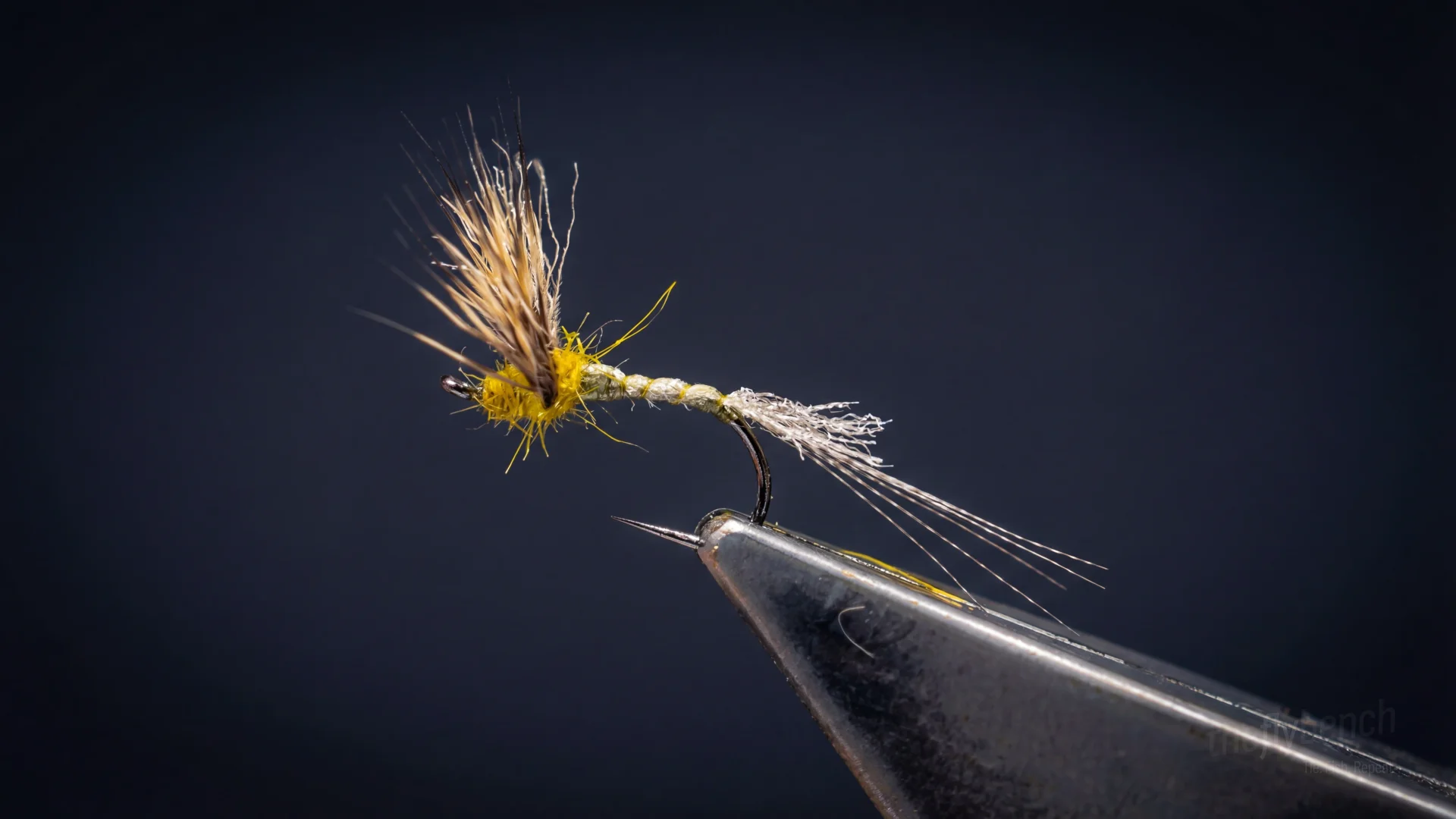
Loren Williams' interpretation of the classic Sparkle Dun incorporates refined materials and proportions. The key feature is the Antron or Z-lon trailing shuck that suggests the nymphal case being shed during emergence. Deer hair wing provides excellent flotation and visibility while creating a natural mayfly silhouette. The dubbed body offers buoyancy and a buggy appearance. This pattern sits low in the water like natural emergers, making it particularly effective during selective feeding situations.
Where to Buy This Fly
We only link to fly shops we trust. Some links are referral links, which may earn us a commission at no extra cost to you.
Materials
- Hook:
- Grip 14723BL #14
- Thread:
- Benecchi 12/0, olive
- Wing:
- Deer hair (see note)
- Body:
- Tying thread
- Shellback:
- Continuation of tail/shuck
- Thorax:
- Argentinean hare, olive
Behavior & Presentation
Natural Behavior: Mayfly duns emerge during specific hatch windows, creating dense concentrations of floating insects that ride the surface film with wings held vertically. Fish develop selective feeding rhythms during these hatches, sipping duns with confidence because the sheer abundance makes feeding efficient.
Where Trout Eat It: Fish sip emergers trapped in the film during mayfly hatches in slow glides, riffles, and seams. The trailing shuck and low-riding profile work when trout feed selectively on emergers.
How to Fish It: Dead-drift with sparse wing riding low in film. Use long, fine leaders (9-12 ft to 5X-6X) for drag-free drifts with delicate upstream casts.
Best Water: Slow glides and riffle edges where mayflies emerge, tailwater tail-outs during hatch windows.
Strike Type: During selective feeding, watch for quiet, rhythmic sips—fish taking emergers often create subtle rings without breaking the surface. The low-riding profile generates gentle takes that can be nearly silent.
Fishing Strategy
Rigging Suggestions: Fish on 9-12 foot leader with 4X-5X tippet. Can be used as the lead fly in a dry-dropper rig.
Seasonal Timing: Most effective during , , and hatches. Fish this pattern when conditions match the natural prey it imitates.
Pro Tips: Floats well with proper floatant application. The natural materials provide good visibility without spooking wary fish.
Entomology
Mayfly duns emerge during specific hatch windows, creating dense concentrations of floating insects that ride the surface film with wings held vertically. Fish develop selective feeding rhythms during these hatches, sipping duns with confidence because the sheer abundance makes feeding efficient.
- Order
- Ephemeroptera
- Common Name
- Mayfly
- Organism Type
- insect
- Life Stage
- adult