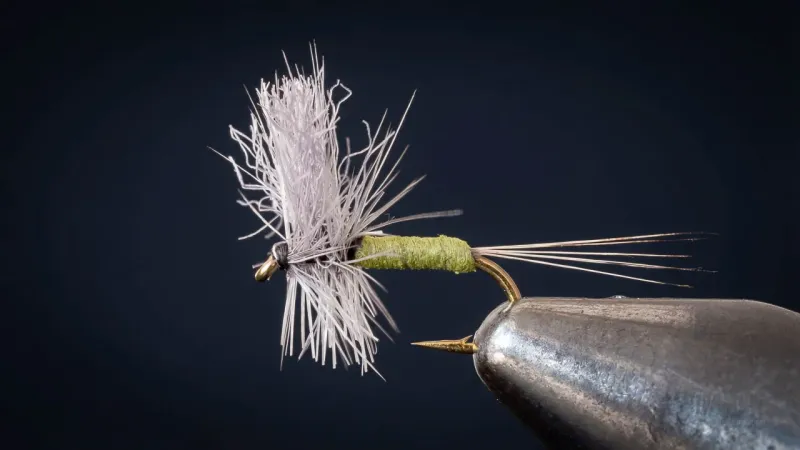
Dry FliesIron Blue Dun
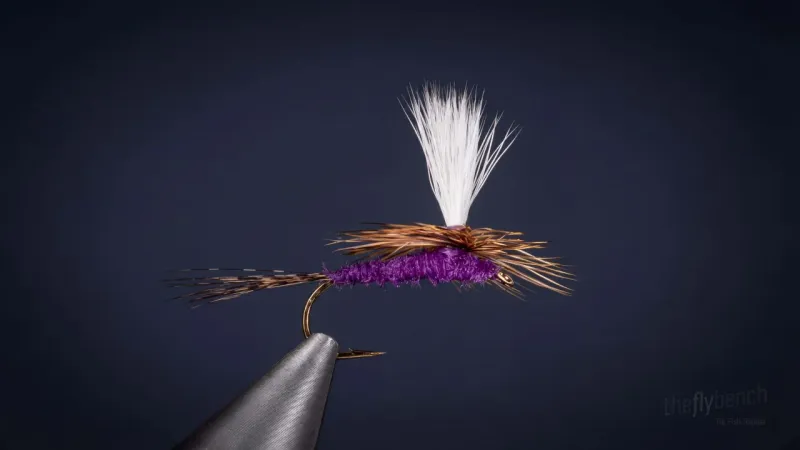
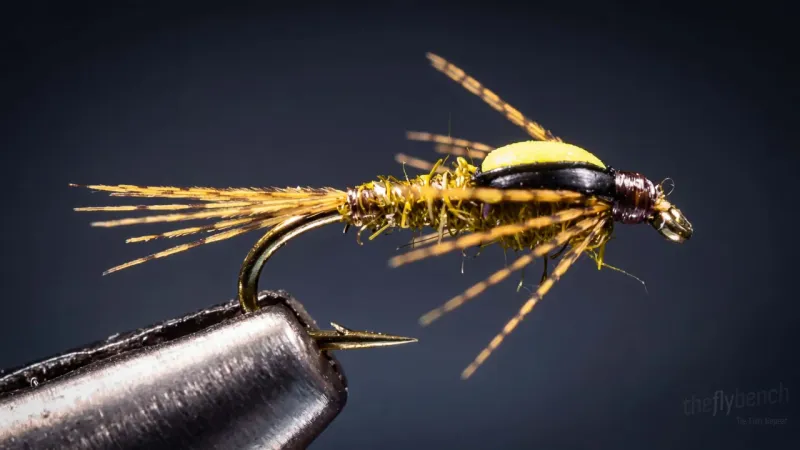
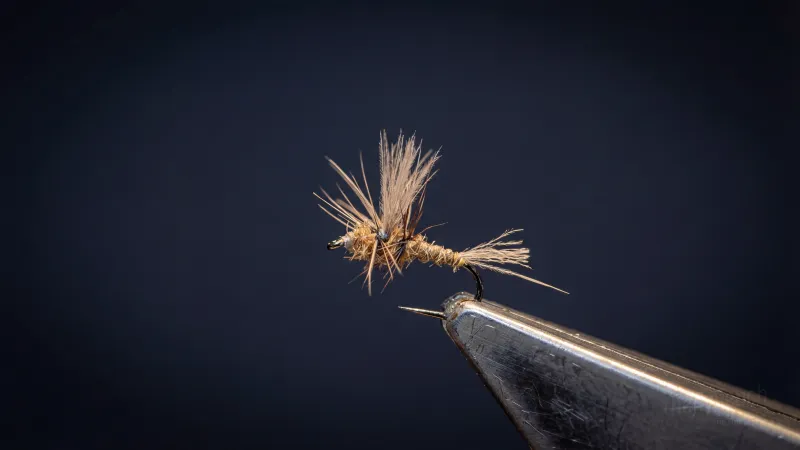
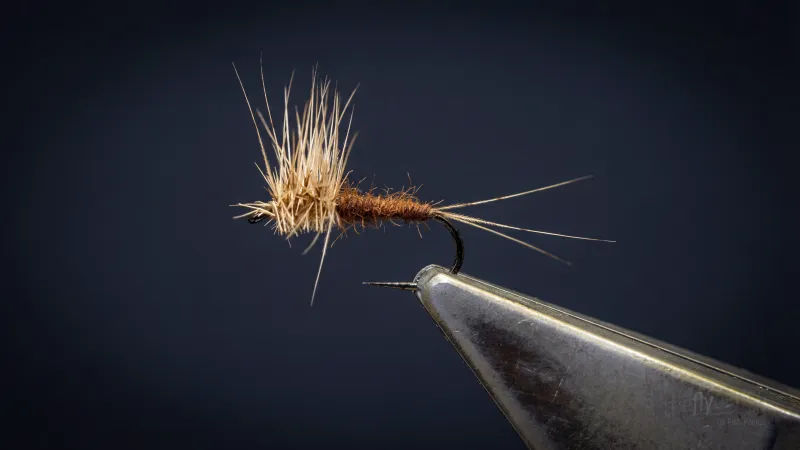
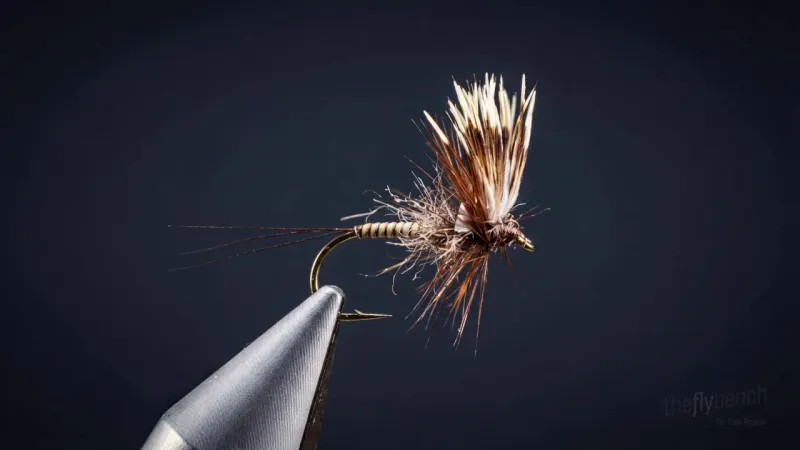
The Iron Blue Dun is a dry fly pattern designed by Karlo Furlan. This effective pattern combines traditional materials with proven techniques for consistent results in a variety of water conditions.
Spring, Summer, Fall
Intermediate
Trout
Feb 2026
Overview
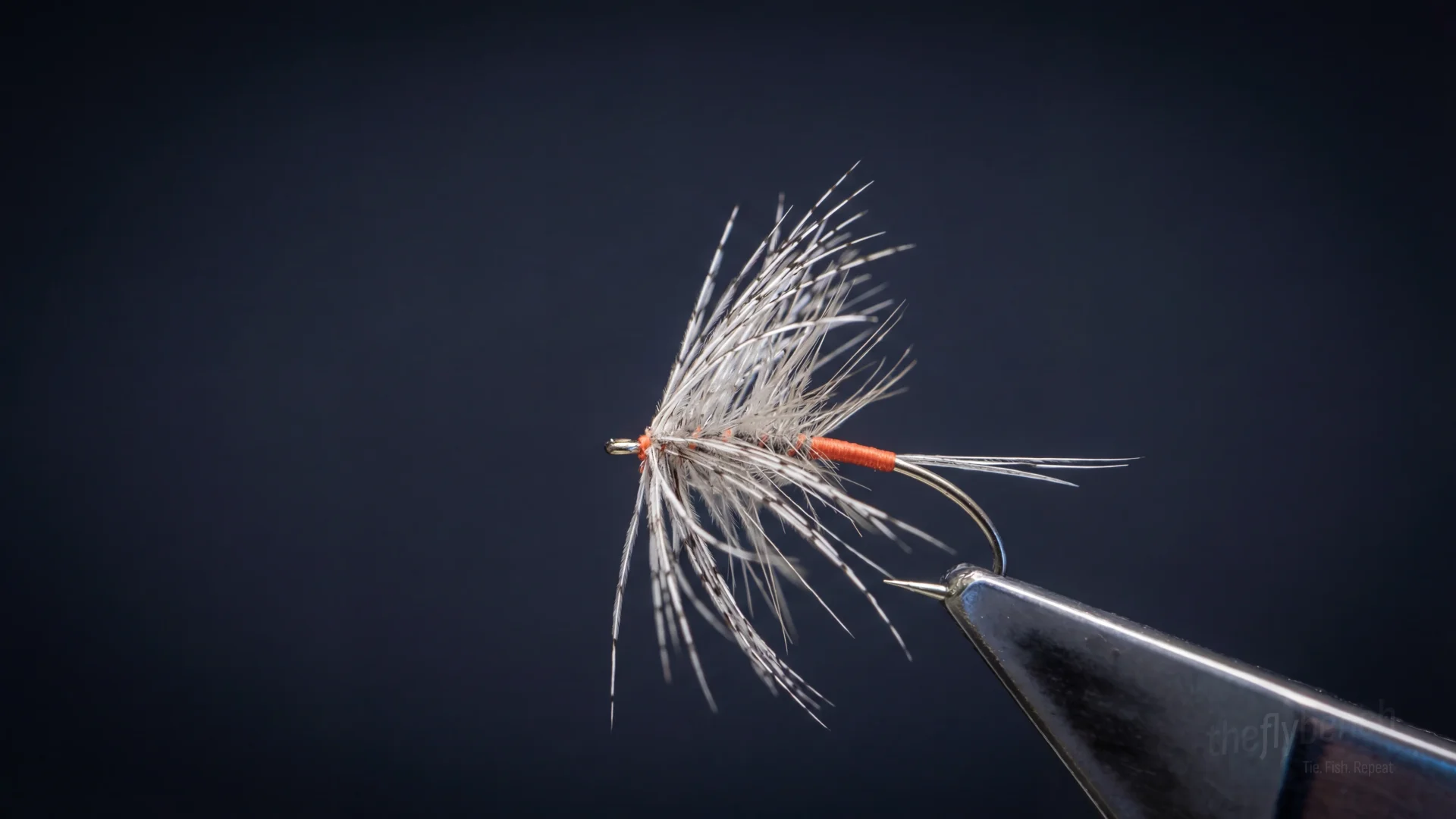
Karlo Furlan's interpretation of a classic British pattern imitating Baetis niger mayflies. Features sparse, accurate proportions with iron dun hackle and subtle body coloration that matches the natural's distinctive dark blue-grey appearance. The refined tying style emphasizes natural drift and realistic silhouette, particularly effective during the cooler months when Iron Blues emerge on European streams and tailwaters.
Where to Buy This Fly
We only link to fly shops we trust. Some links are referral links, which may earn us a commission at no extra cost to you.
Materials
- Hook:
- #14-16 dry fly hook
- Thread:
- Black
- Tag:
- Fluorescent red thread or floss
- Body:
- Heron (or mole)
- Hackle:
- Blue dun cock
Behavior & Presentation
Natural Behavior: Iron Blue mayflies emerge on cold, overcast days, floating motionless for extended periods while their drab wings slowly dry, often trapped in back eddies and slow pools. Their dark blue-grey coloration makes them highly visible against light-colored water surfaces, allowing fish to feed confidently during poor weather hatches when duns remain vulnerable longer.
Where Trout Eat It: Trout feed on dark Baetis niger during overcast cold-weather hatches, targeting duns trapped in UK chalk stream margins.
How to Fish It: Present sparse dark pattern with delicate upstream cast during poor-weather hatches for natural slack-water drift.
Best Water: Fish carrier channels along weed edges, spring creek eddies below weed beds, and slow inside bends where duns become trapped.
Strike Type: Trout take this sparse dark pattern with delicate sipping rises in slack water. Watch for subtle dimples or quiet head-and-tail rises as fish feed methodically during cold-weather hatches, rather than splashy refusals.
Fishing Strategy
Rigging Suggestions: Use a 9-12 foot leader tapering to 5X tippet for delicate presentations. Apply floatant to the body and hackle.
Seasonal Timing: Most effective during peak feeding periods at dawn and dusk. Water temperatures between 45-65°F typically produce best results.
Pro Tips: This classic British pattern remains effective across Europe and North America wherever small dark mayflies hatch. The subtle dark coloration and sparse hackle create an authentic silhouette that fools educated trout.
Entomology
Mayfly duns emerge on cold, overcast days, floating motionless for extended periods while their drab wings slowly dry, often getting caught in back eddies and slow pools. Fish feed confidently on these duns during poor weather hatches because the insects remain vulnerable for longer durations, and their dark coloration makes them highly visible against light-colored water surfaces.
- Order
- Ephemeroptera
- Common Name
- Mayfly
- Organism Type
- insect
- Life Stage
- adult