Midge / EmergersMole Midge
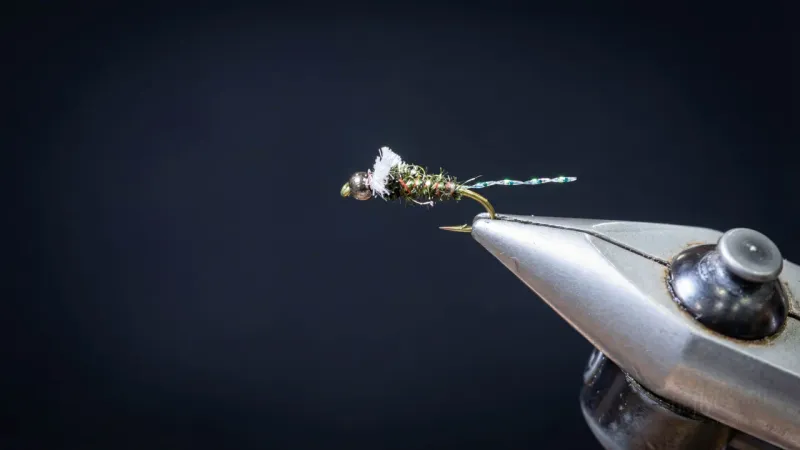
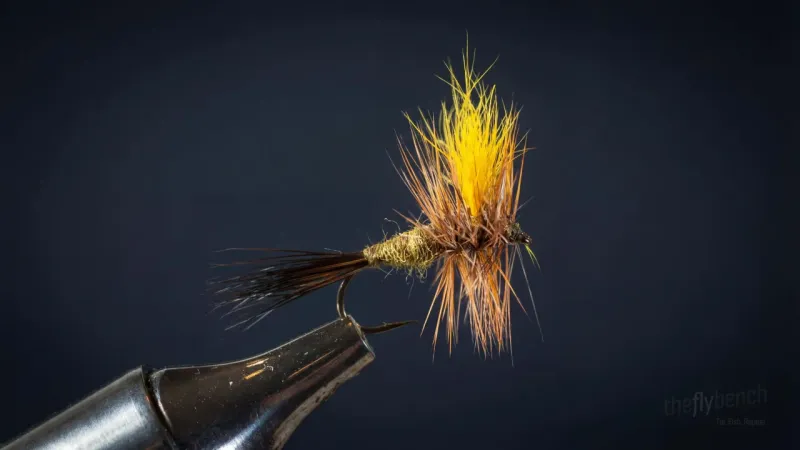
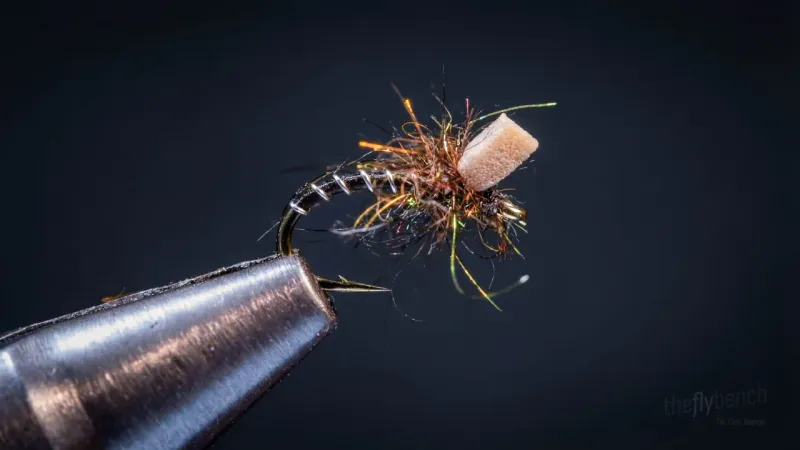
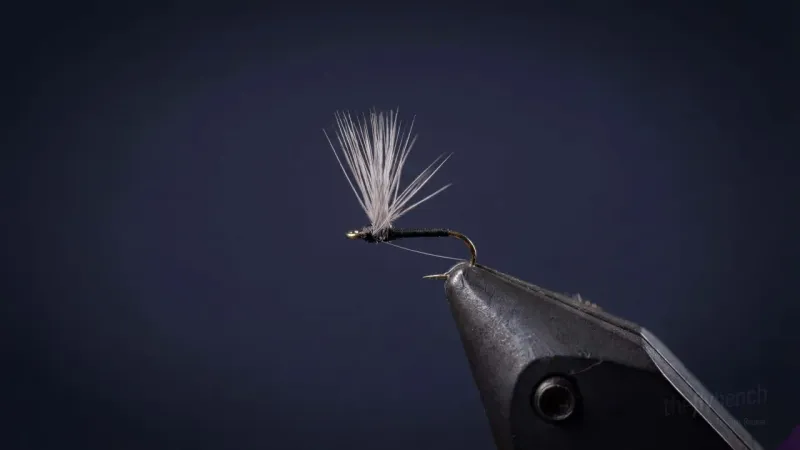
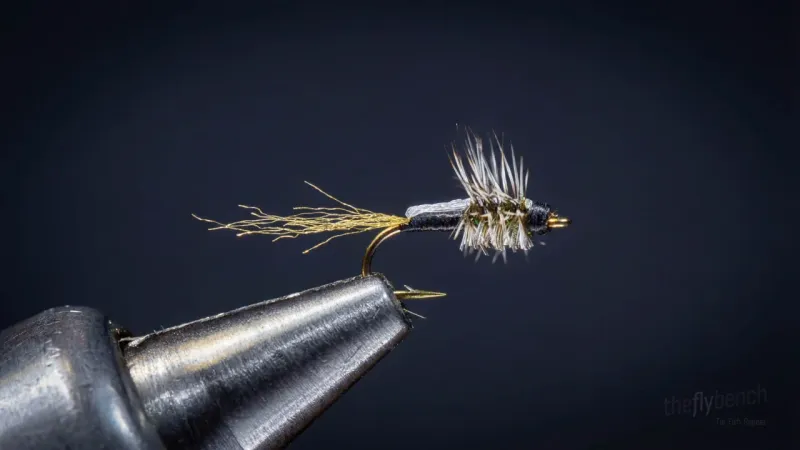
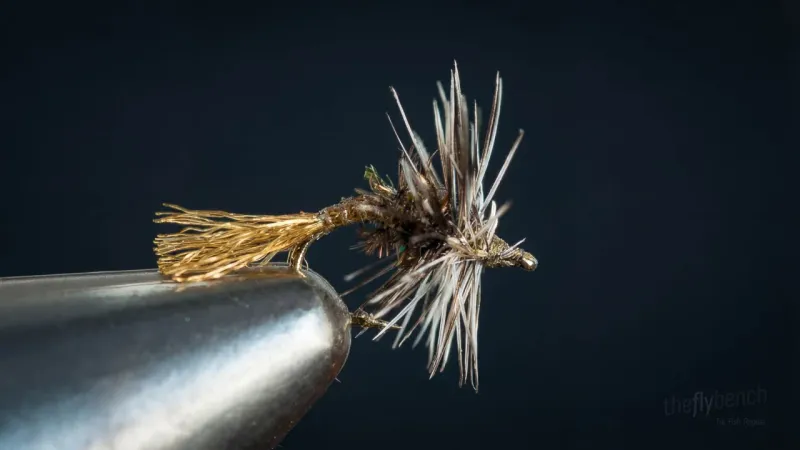
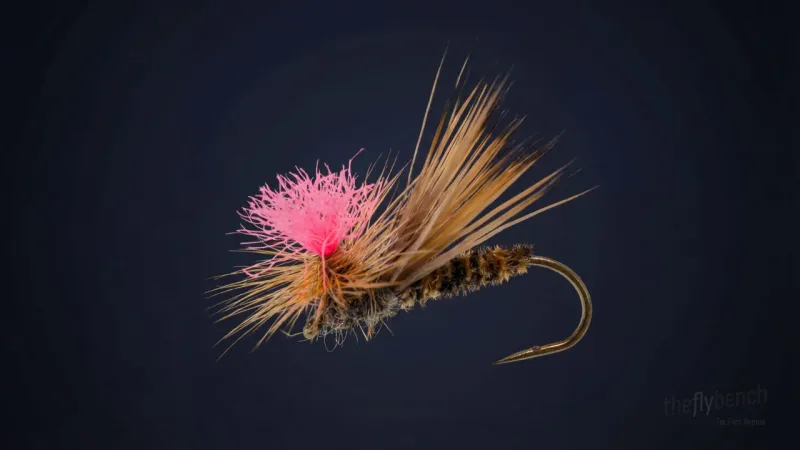
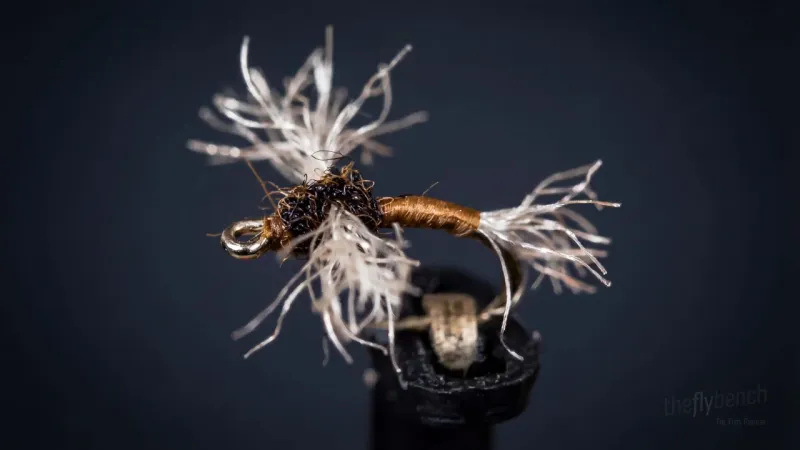
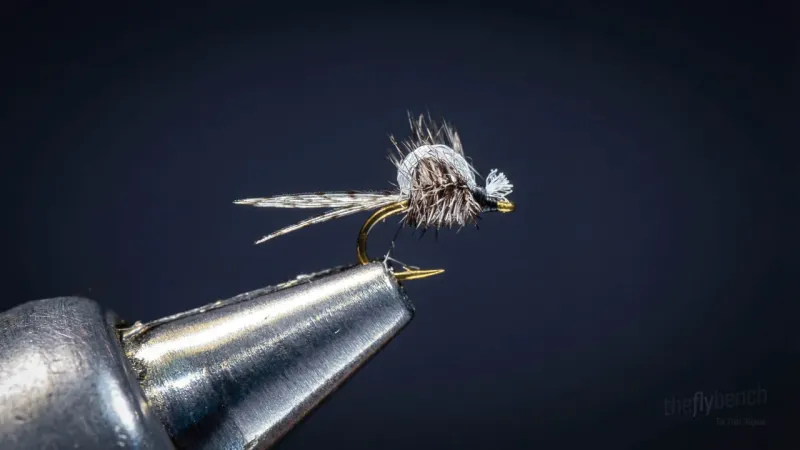
The Mole Midge is Charlie Craven's dipteran adaptation of the venerable Mole Fly, which he considers the greatest emerger pattern he has ever fished. This elegant pattern features a slim polish quill body designed to hang through the surface film, with CDC and fluoro fiber wings protruding above the surface. The design perfectly replicates midge surface emergence with the body suspended below while the wings remain visible to both fish and angler.
Year Round
Intermediate
Trout
Dec 2025
Overview
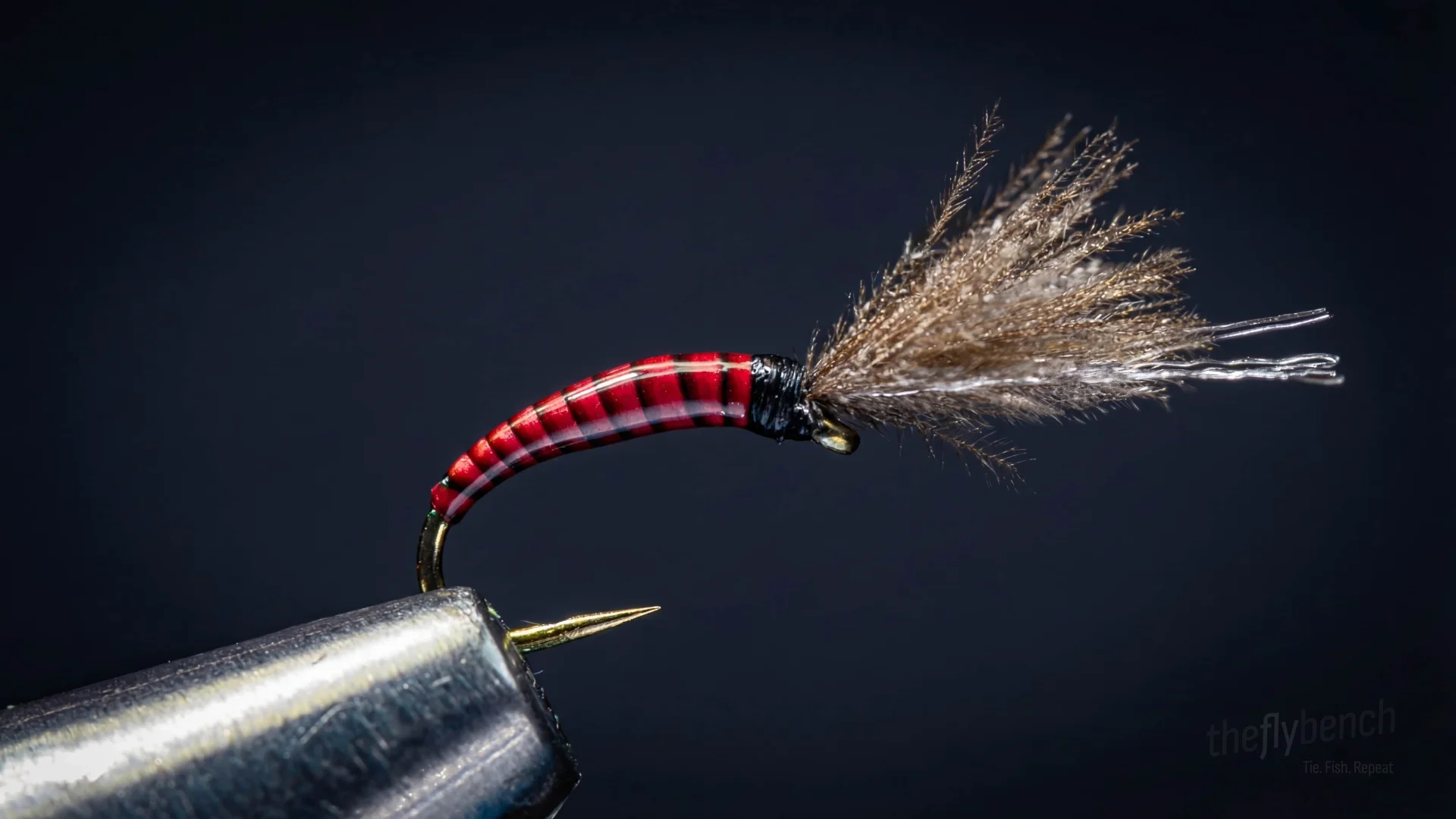
This Charlie Craven pattern from Charlie's Fly Box adapts his proven Mole Fly emerger design specifically for midge imitations. The polish quill body creates the slim, segmented profile of natural midge pupae, while the UV resin coating adds durability and a subtle sheen without adding bulk. The dual wing system of CDC and fluoro fiber provides both natural appearance and visibility. The CDC creates a realistic wing bud profile while the fluoro fiber topping helps the angler track the fly in varying light conditions.
Materials
Hook: Tiemco 2487, #18-24
Thread: Veevus 16/0, black
Body: Polish Quill (or stripped peacock quill), color of choice
Glue: Solarez UV Resin, thin
Wing: CDC, natural dun
Wing 2: Fluoro Fiber, white
Behavior & Presentation
Natural Behavior: Chironomid pupae ascend slowly from bottom sediments toward the surface, their segmented bodies wriggling and flexing as trapped gas inflates their thorax. The slim polish quill body replicates this distinctive segmentation while the CDC/fluoro wing cluster matches the prominent white gills and emerging wing buds.
Where Trout Eat It: Fish sip emergers hanging through the surface film in South Platte River tail-outs during midge and small mayfly emergence. The polish quill body penetrates the film while the CDC/fluoro wing sits above, perfectly replicating surface emergence in feeding lanes.
How to Fish It: Fish in or just under the film with drag-free drift, designed to hang vertically with the slim body through the surface. Apply minimal floatant—pattern works partially submerged. The fluoro fiber provides angler visibility while CDC creates realistic wing bud profile.
Best Water: Slow tail-outs, eddies, and slicks on technical spring creeks and tailwaters where emergers concentrate, targeting foam lines and current breaks where film-trapped pupae accumulate.
Strike Type: Trout sip midge emergers with subtle dimpling rises or gentle weight on the line; watch for hesitations in the drift and set with a smooth lift to keep the hook from pulling free.
Fishing Strategy
Rigging Suggestions: Fish on a 9-12 foot leader tapering to 6X-7X tippet. The slim profile requires delicate presentations. Can be fished solo or as part of a multi-fly rig with a more visible indicator fly.
Seasonal Timing: Effective year-round as midges are present in most waters throughout the year. Particularly productive during late, and early when midge activity peaks.
Pro Tips: The fluoro fiber topping provides visibility for the angler while the CDC helps the fly sit properly in the film. The pattern is designed to fish partially submerged, so avoid heavy floatant application.
Entomology
Midge emergers transition through the surface interface with their thorax splitting open as the winged adult extracts itself from the pupal skin. This extended emergence process leaves them anchored at the surface, creating an easy picking opportunity for patient, surface-feeding trout.
- Order
- Diptera
- Family
- Chironomidae
- Common Name
- Midge
- Organism Type
- insect
- Life Stage
- emerger