

Overview
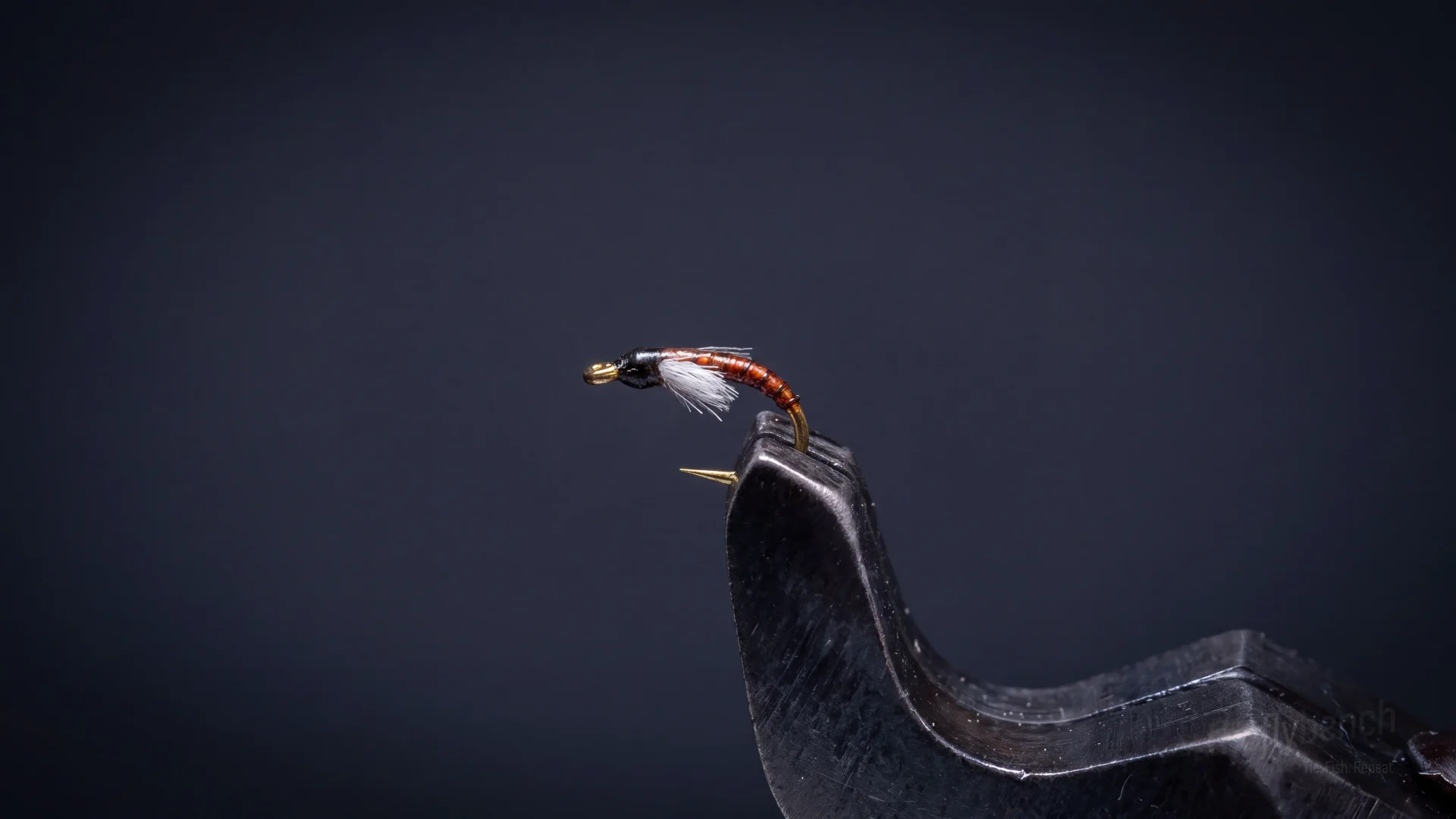
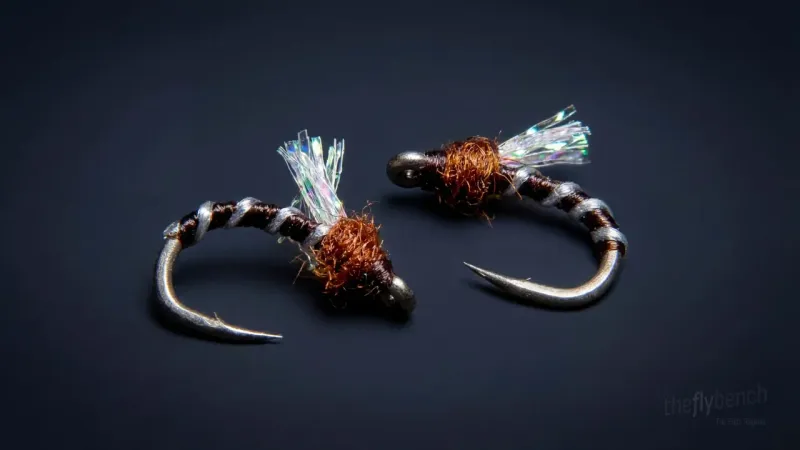
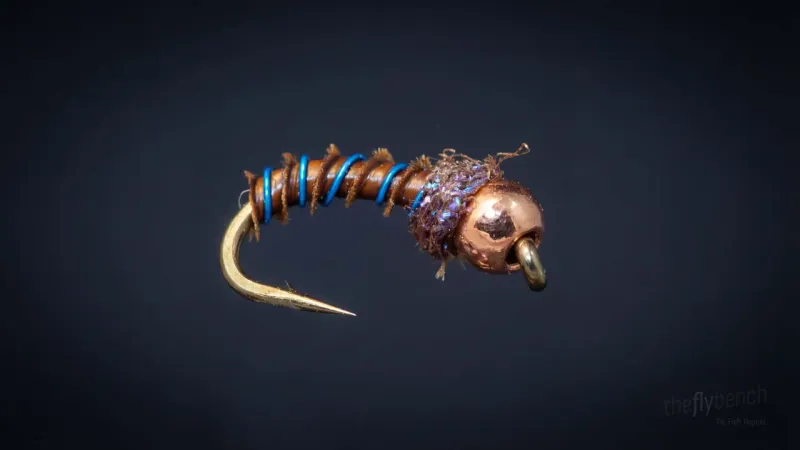
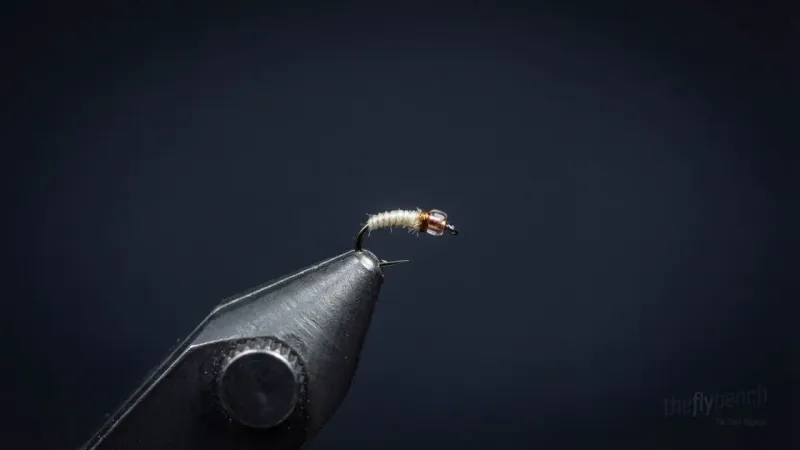
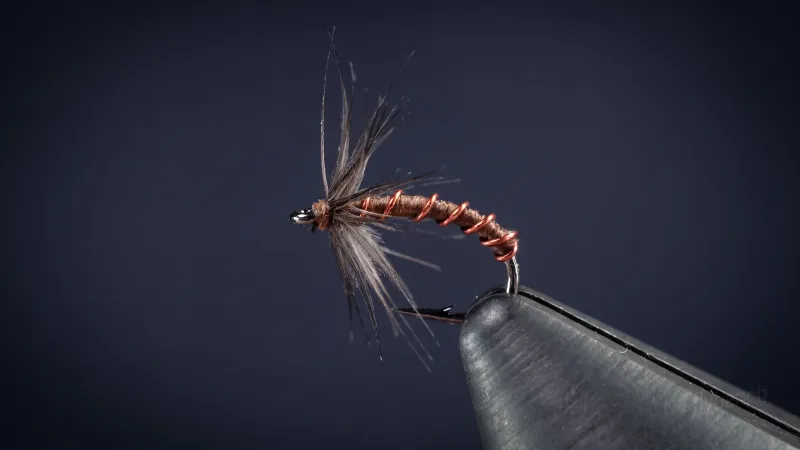
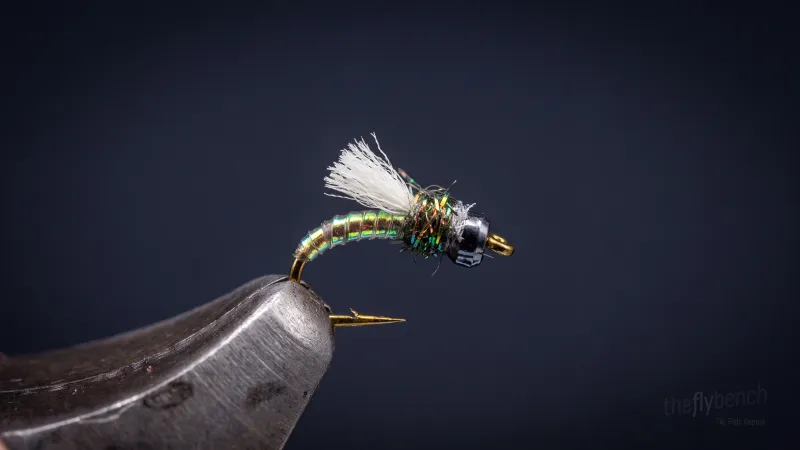
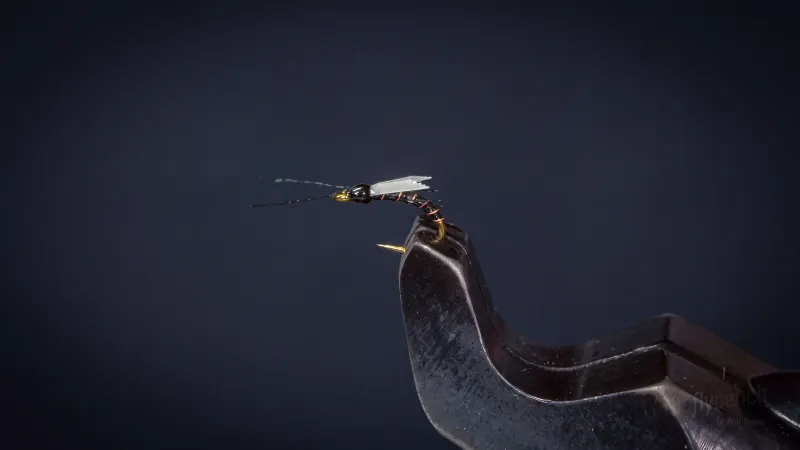
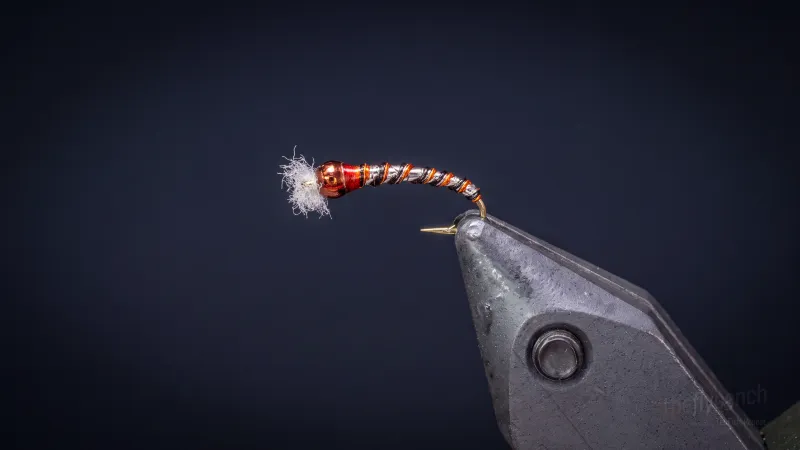
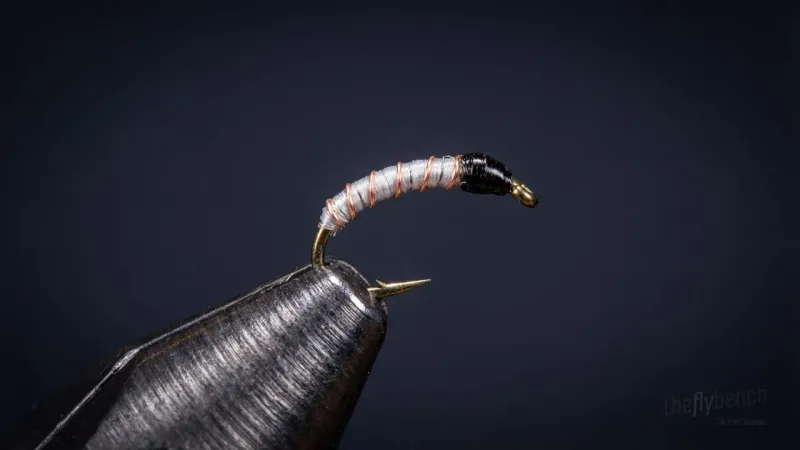
Dylan Gonzales introduced the San Juan Secret on AvidMax in 2026 and named it for the New Mexico tailwater where trout live on tiny food. The body is nothing but built-up thread with a slight taper, ribbed with black Nano Silk and sealed with a coat for durability. White floss wing buds tied in underneath suggest a pupa about to hatch. With only four materials, it ties fast enough to fill a box.
Related patterns


Behavior & presentation
- Natural Behavior
- Midge pupae let go of the streambed and rise slowly toward the surface, swelling at the thorax as the wings form underneath. Many drift for long stretches just off the bottom before they finally hatch.
- Where Trout Eat It
- Tailwater trout hold in slow, clear lanes and pick off pupae drifting a foot or two above the bottom, rarely moving far to feed.
- How to Fish It
- Run it as the trailing fly behind a slightly larger nymph under a small indicator, with just enough weight to keep it near the bottom on a drag-free drift.
- Best Water
- Slow runs, soft seams beside faster current, shallow flats, and the tail-outs where food collects before spilling into the next riffle.
- Strike Type
- The indicator barely hesitates or tips sideways as a trout opens its mouth on the drifting pupa. Set on any odd movement with a gentle lift.
Fishing strategy
- Rigging Suggestions
- Tie it 12 to 18 inches behind a lead nymph on 6X or 7X fluorocarbon, with a small yarn or foam indicator and light split shot above the lead fly.
- Seasonal Timing
- Midges hatch every month on tailwaters, so it fishes year round, with the best days from November through April when little else is on the menu.
- Pro Tips
- Tie a few in olive, black and gray thread to match local midges. Keep the body slim: the taper should come only from thread wraps. The white wing buds also help you pick the fly out when sight fishing to visible trout.
Entomology
Chironomid pupae leave their tubes in the streambed and rise toward the surface, held up by gas trapped under the pupal skin. Wing pads darken and swell at the thorax as emergence nears. On tailwaters with steady flows they hatch in large numbers year round, making them a staple food for trout.
- Order
- Diptera
- Family
- Chironomidae
- Common name
- Midge
- Organism
- insect
- Life stage
- pupa
Pattern details
- Moving Water
- Southwest
- Rocky Mountain
- dead-drift
- indicator-nymph
- midge-hatch
- tailwater
- low-clear-water
- beginner-friendly
- modern