

Overview
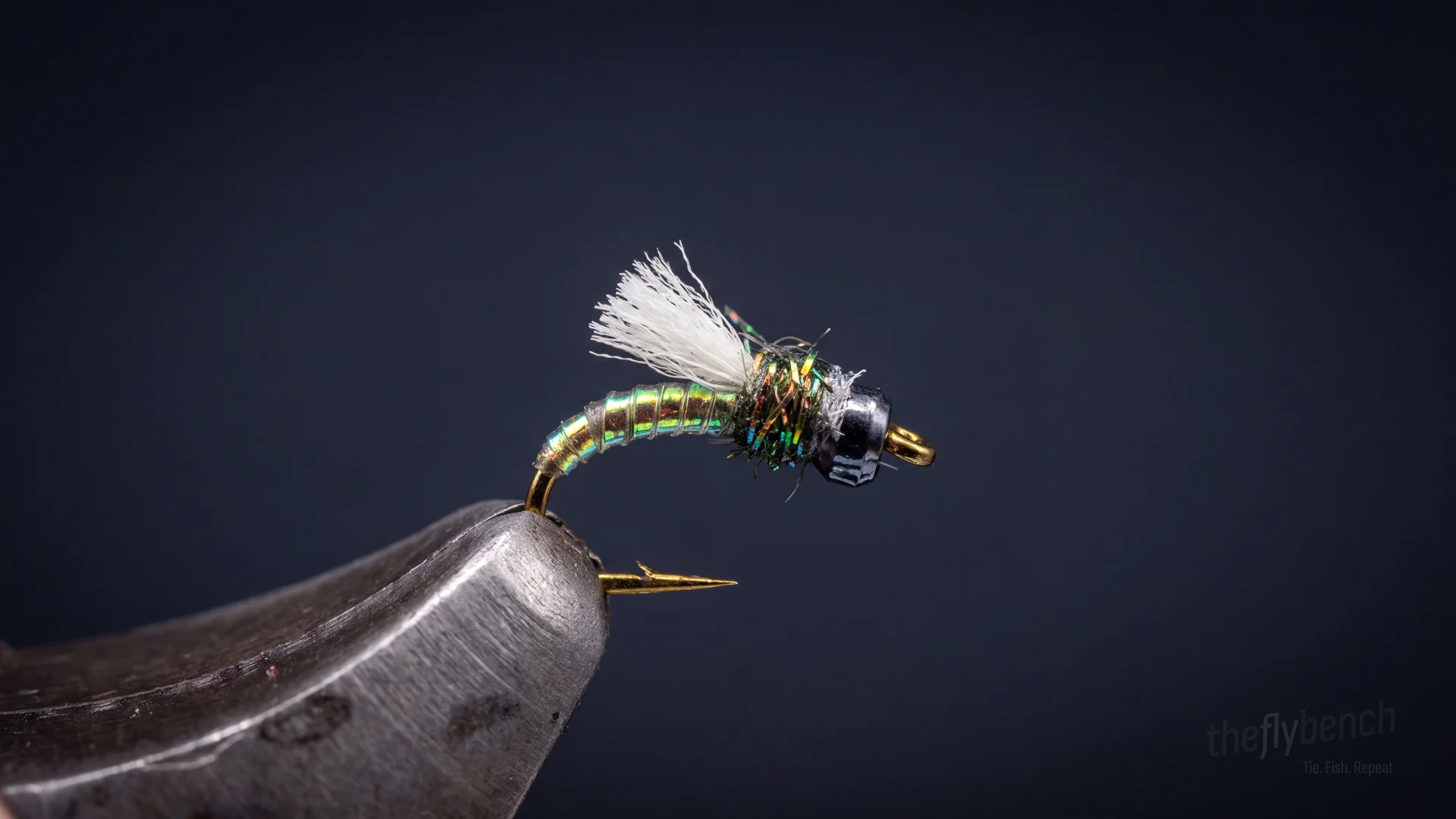
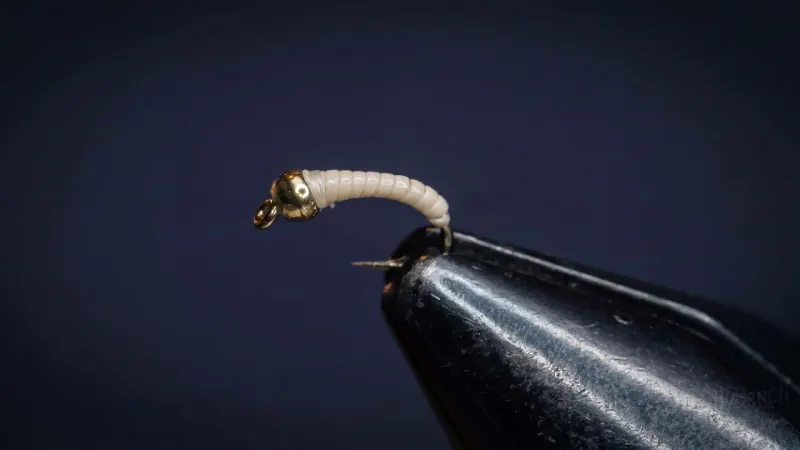
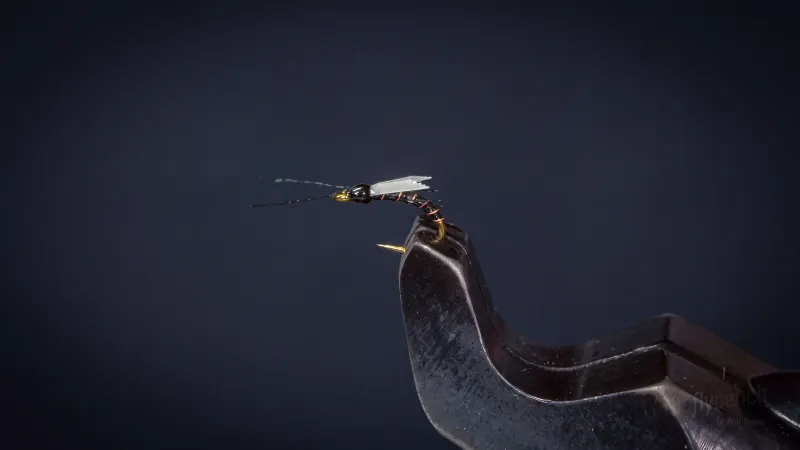
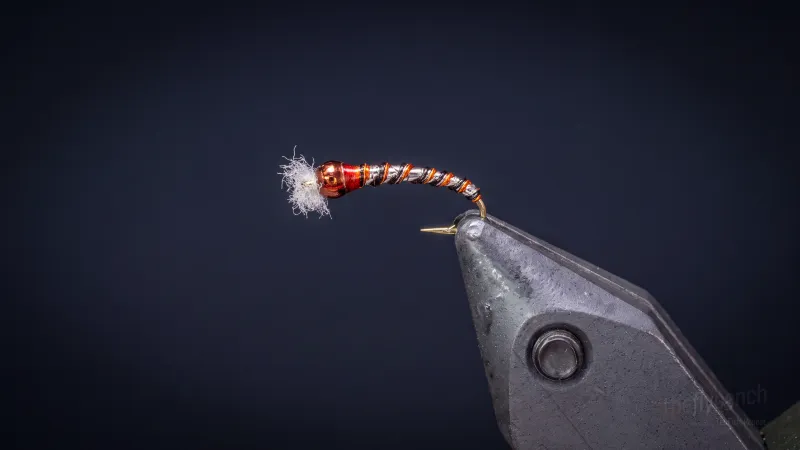
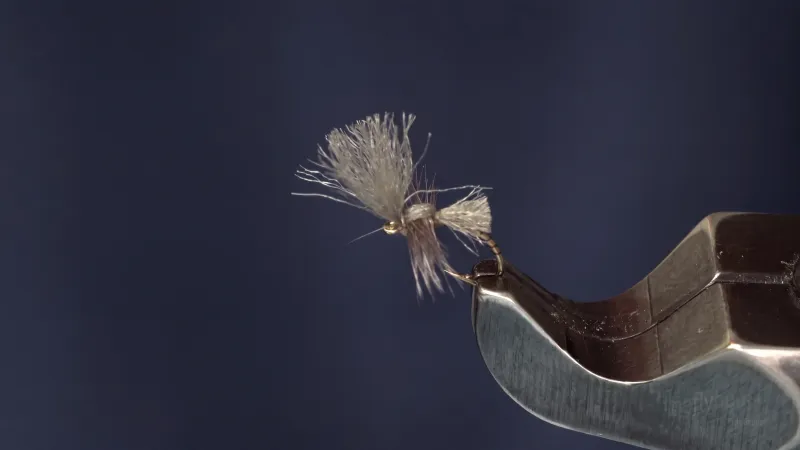
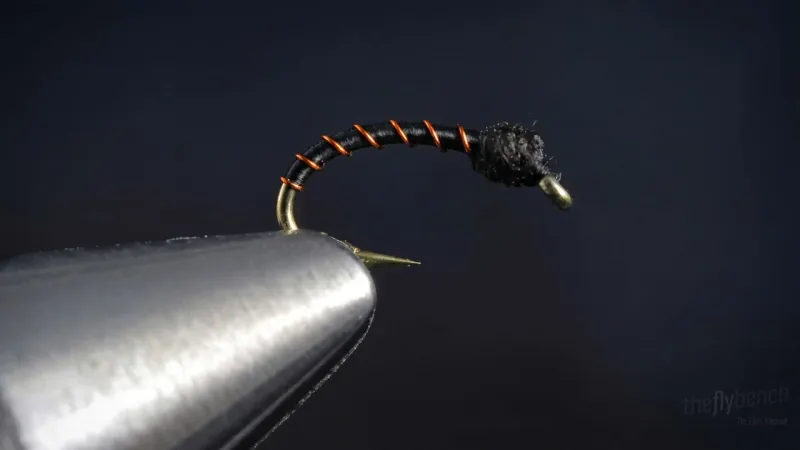
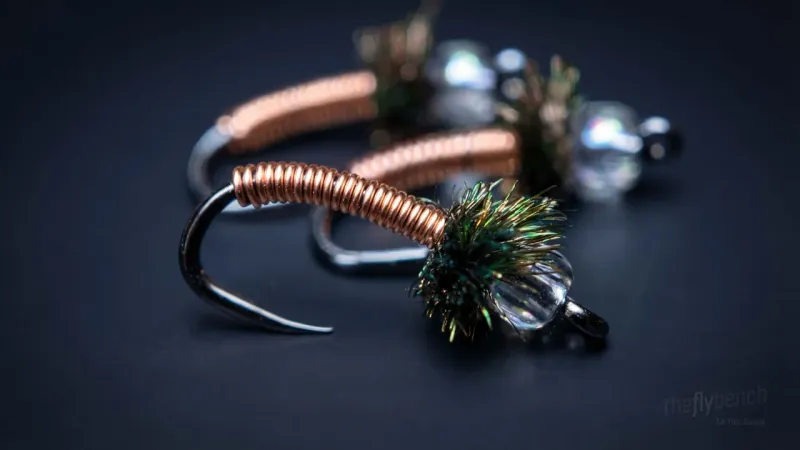
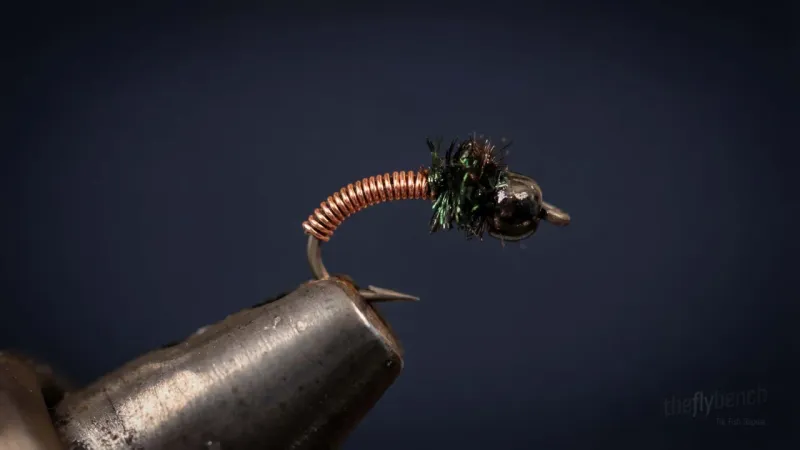
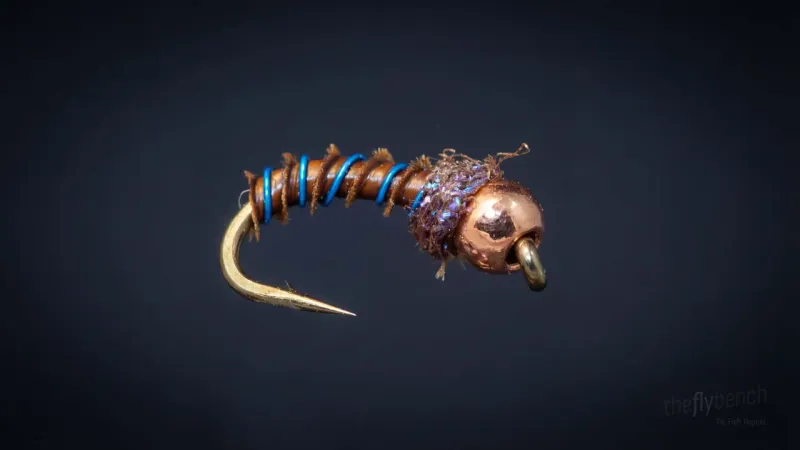
Tied by Tyler of AvidMax in the shop's Tying Tuesday series, the Gunmetal Midge is a quick build: bead, a wrapped tinsel body, a short Antron wing, then a pinch of dubbing behind the bead. The gunmetal glass bead adds sparkle with little weight. Swap the pearl Flashabou for red or olive to match local midges.
Related patterns

Behavior & presentation
- Natural Behavior
- Chironomid pupae leave the silt and wriggle slowly toward the surface, often stalling just under the film while the adult works free of its skin. Trapped air under the skin gives them a silvery shine that the pearl body copies.
- Where Trout Eat It
- Slow runs and soft tailwater flats where pupae drift in steady numbers, from mid-depth up to the last few inches below the surface.
- How to Fish It
- Dead drift it as the trailing fly behind a heavier nymph, under a small indicator, or hang it a foot or two beneath a dry when fish are taking pupae near the top.
- Best Water
- Tail-outs, slow seams beside the main current, and slicks below riffles where drifting pupae collect.
- Strike Type
- A slight pause or slow dip of the indicator or dry; trout take pupae with a soft, unhurried sip, so set on any hesitation.
Fishing strategy
- Rigging Suggestions
- Fish it on 6X tippet 12-18 inches behind a larger nymph or scud, under a small yarn indicator in slow runs, or 18-24 inches below a midge dry when fish are eating near the surface.
- Seasonal Timing
- Works all year, and is at its best from November through March, when midges are often the main food on tailwaters and hatches come in the warmest hours of the day.
- Pro Tips
- Keep the dubbing sparse so the pearl body stays the main feature. If fish swirl near the top but refuse dries, shorten the dropper and let the fly hang just under the film.
Entomology
Midge pupae rise from the bottom toward the surface, hanging just under the film while the adult emerges, often for long stretches in cold water. Their small size and steady numbers make them a staple food for trout on tailwaters and in winter, when few other insects are active.
- Order
- Diptera
- Family
- Chironomidae
- Common name
- Midge
- Organism
- insect
- Life stage
- pupa
Pattern details
- Moving Water
- Rocky Mountain
- dead-drift
- midge-hatch
- tailwater
- indicator-nymph
- dry-dropper
- cold-water
- beginner-friendly