Overview
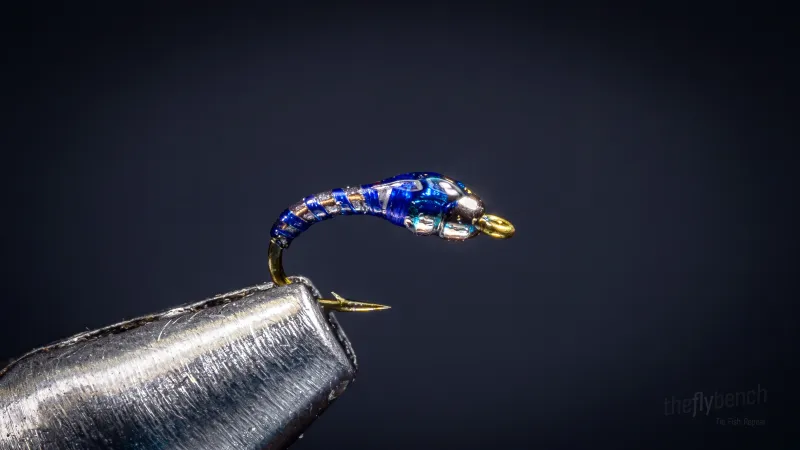
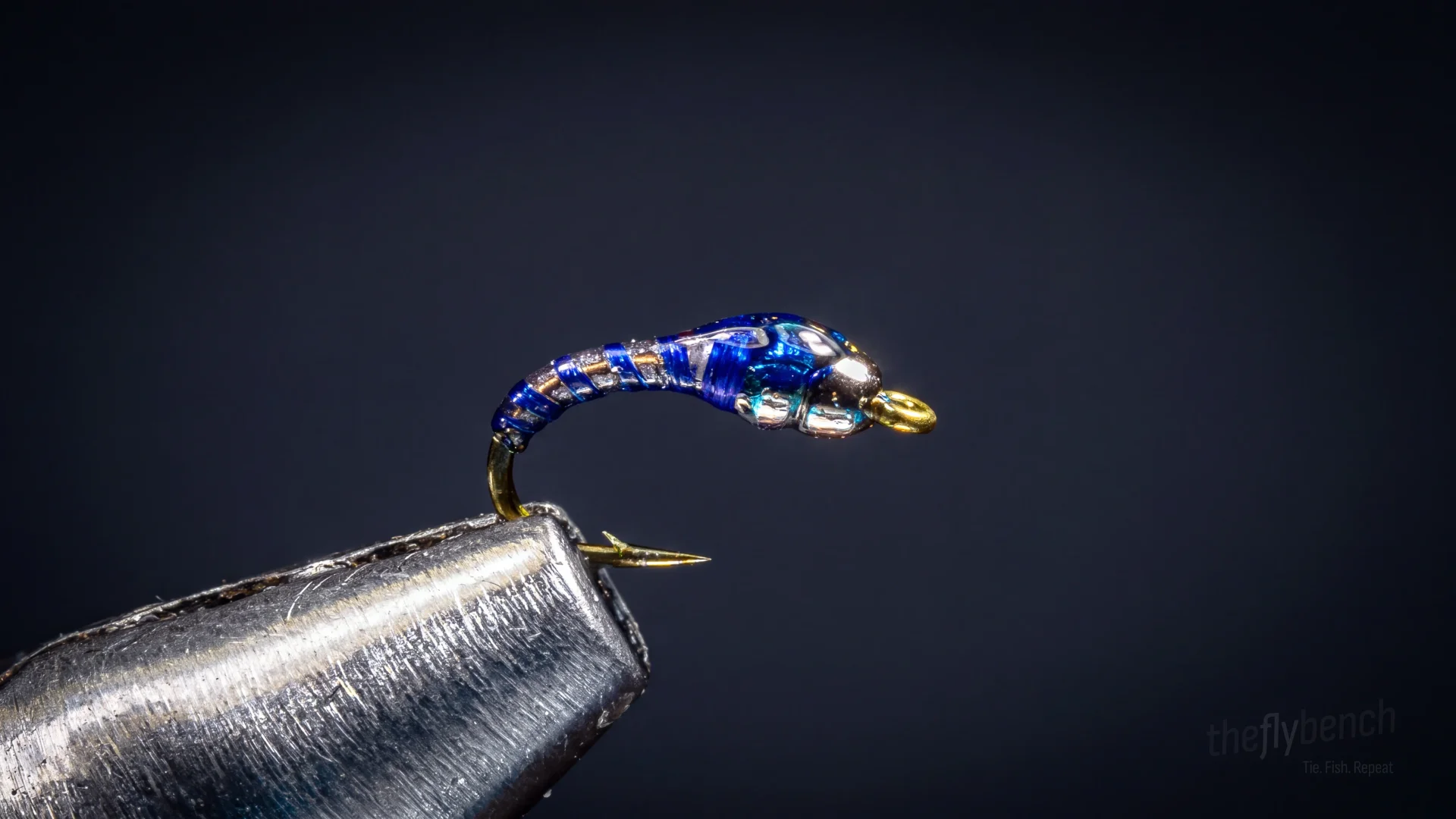
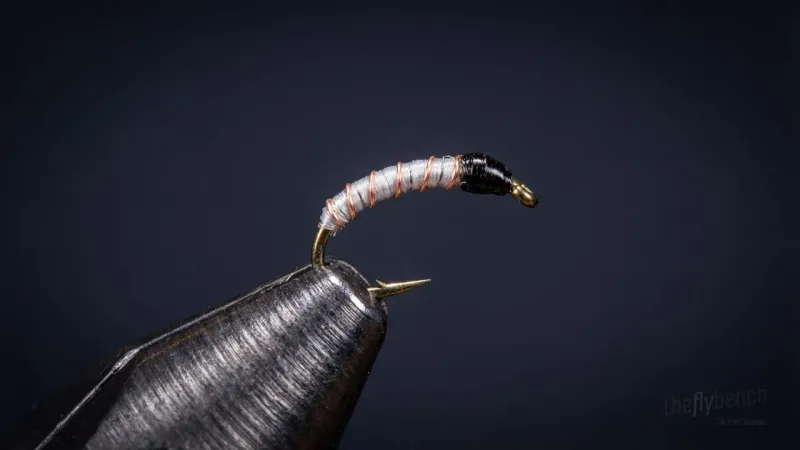
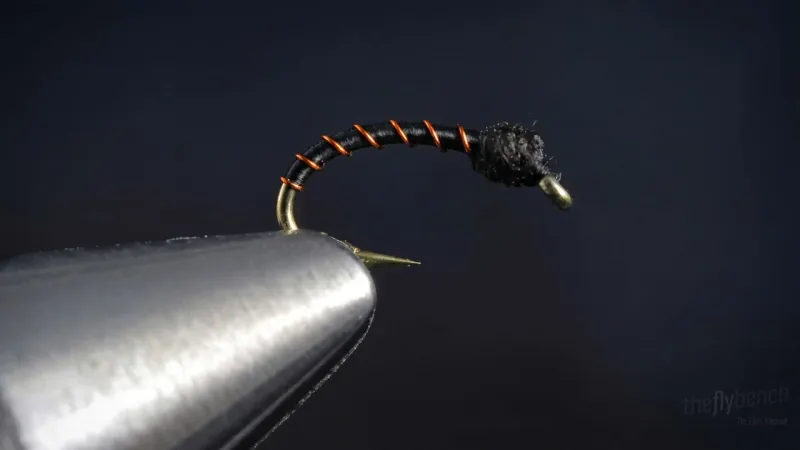
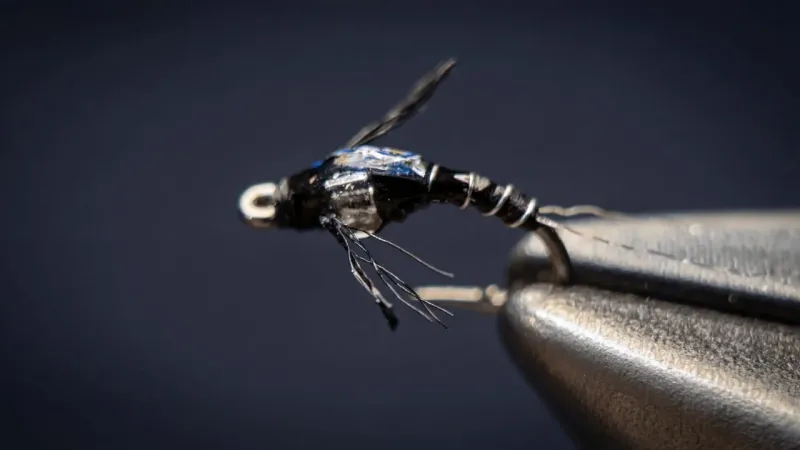
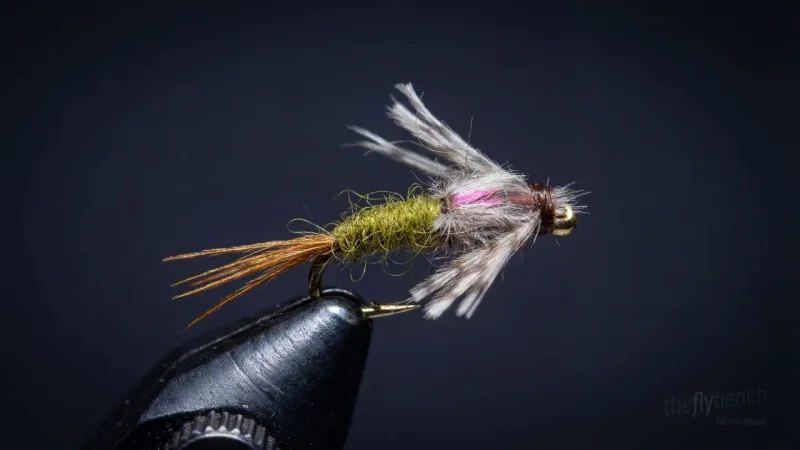
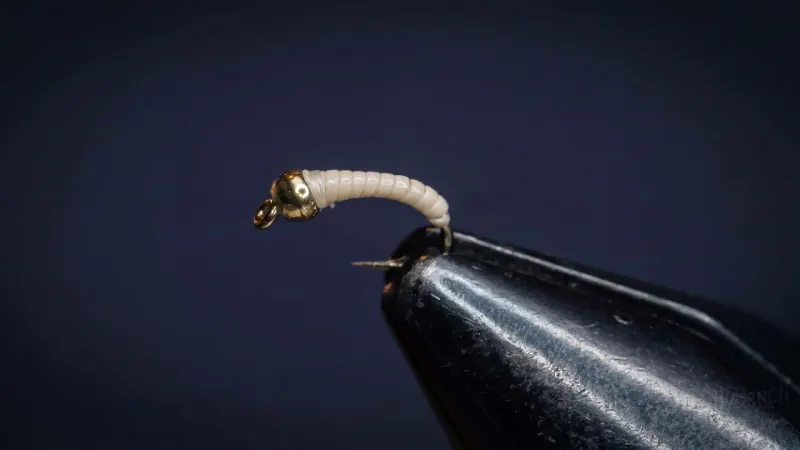
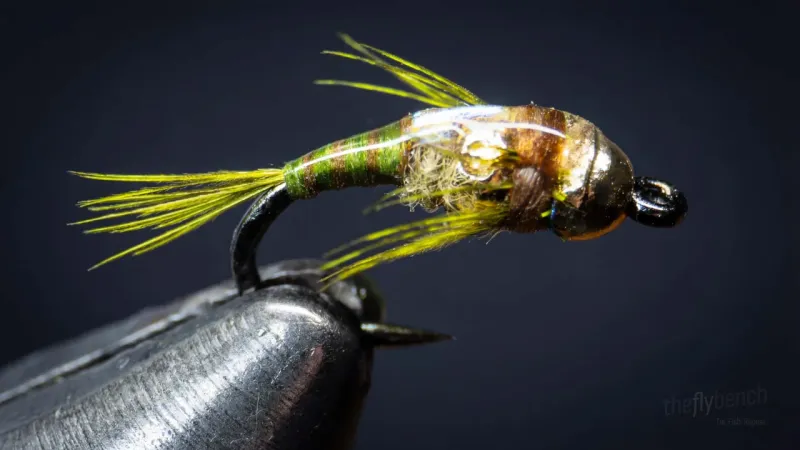
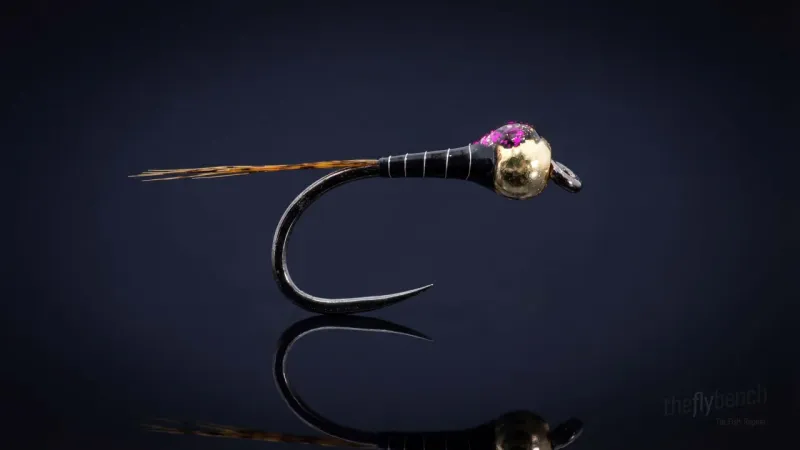
Charlie Craven designed the Two Bit Midge for Umpqua, and it reached fly shops in 2020. He wanted a midge that gets down quickly to picky Colorado tailwater trout, so he stacked two beads where a Zebra Midge has one. The thread rib sits under clear tubing, so teeth can't cut it. Umpqua ties it in blue, brown, olive and red.
Related patterns

Behavior & presentation
- Natural Behavior
- Midge pupae work loose from the bottom and wriggle slowly upward toward the surface, often stalling and drifting near the streambed for long stretches before they rise.
- Where Trout Eat It
- In the bottom foot of slow, deep tailwater pools in winter, and in short, fast pockets where a light midge would never reach the fish before the drift ends.
- How to Fish It
- Dead-drift it close to the bottom under a small indicator, or hang it 18-24 inches below a dry fly when you need a dropper that sinks straight away.
- Best Water
- Deep winter pools below tailwater dams, soft seams along riffle edges, slow tail-outs, and the small slots behind boulders in pocket water.
- Strike Type
- The indicator or dry fly stops or dips slightly; trout take tiny pupae with barely any movement, so set on any hesitation.
Fishing strategy
- Rigging Suggestions
- Use 6X-7X fluorocarbon tippet. Fish it as the bottom fly under an indicator, behind a larger nymph, or as a dropper below a buoyant dry. The two beads often make extra split shot unnecessary in moderate depths.
- Seasonal Timing
- Best from November through March on tailwaters, when midges are the main food, and useful as a summer dropper during midday midge activity.
- Pro Tips
- Carry several colors and change until fish respond; red and olive are good starting points. Size down to #20-22 for pressured fish in clear water.
Entomology
Midge pupae leave the bottom and rise slowly toward the surface, often hanging and drifting near the streambed before they ascend. They are present year-round and are a primary food for trout in tailwaters during winter, when few other insects are active.
- Order
- Diptera
- Family
- Chironomidae
- Common name
- Midge
- Organism
- insect
- Life stage
- pupa
Pattern details
- Moving Water
- Rocky Mountain
- dead-drift
- midge-hatch
- tailwater
- indicator-nymph
- dry-dropper
- cold-water
- modern