

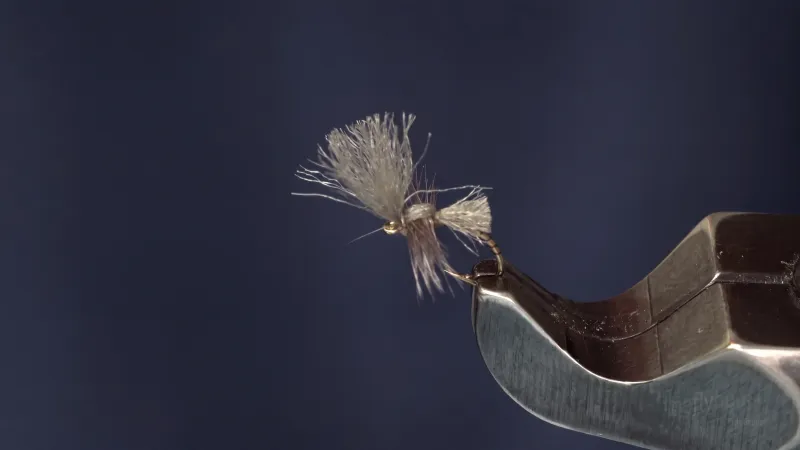
Overview
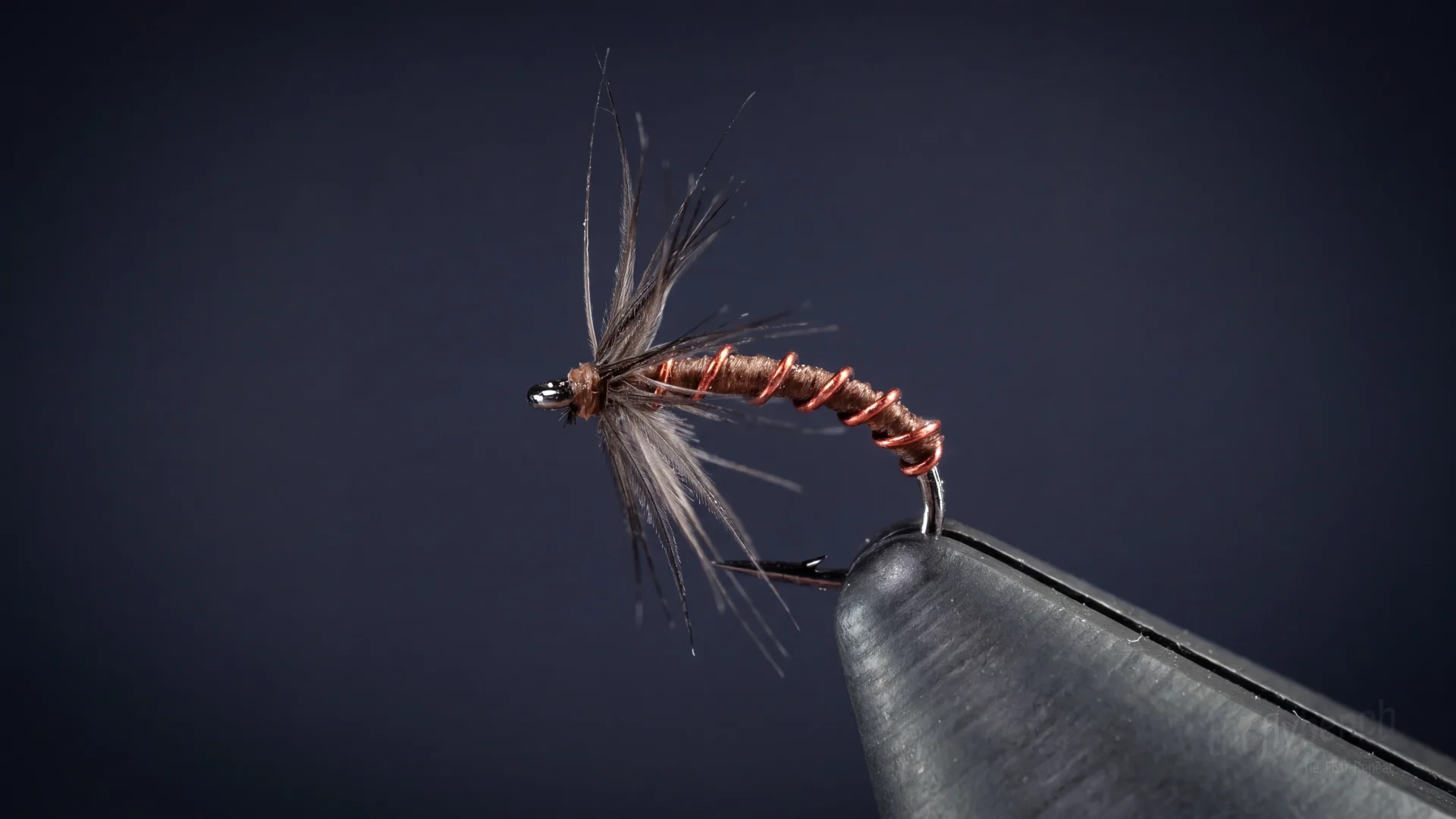
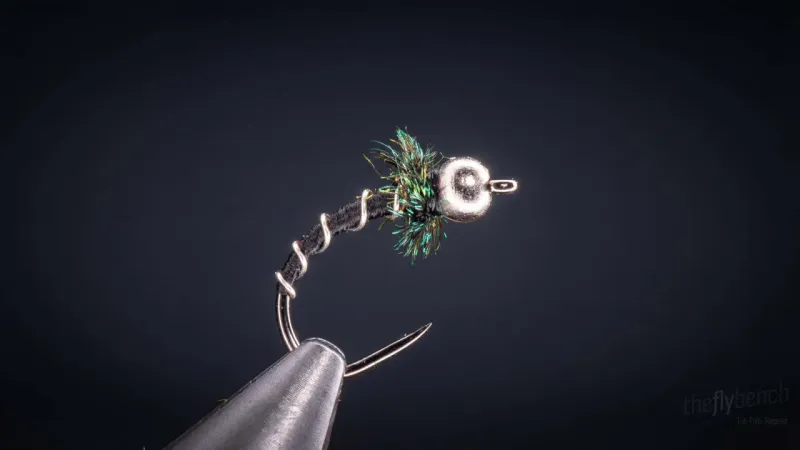
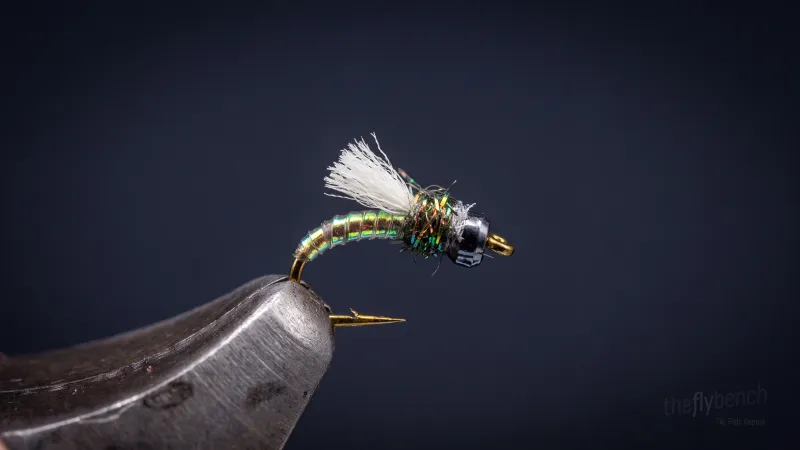
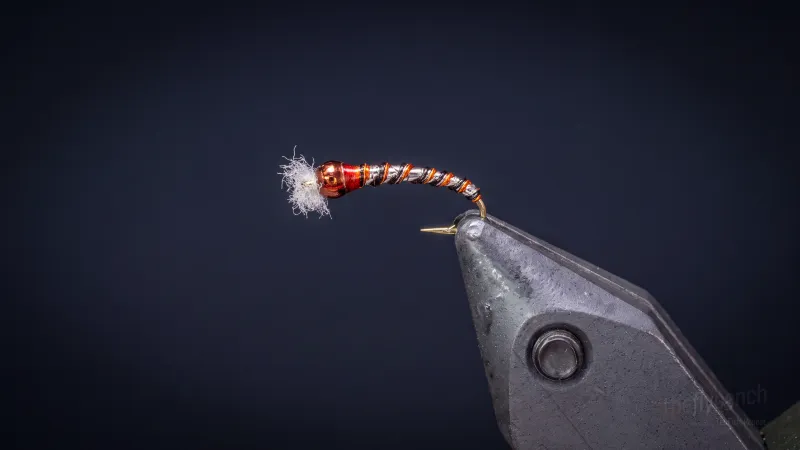
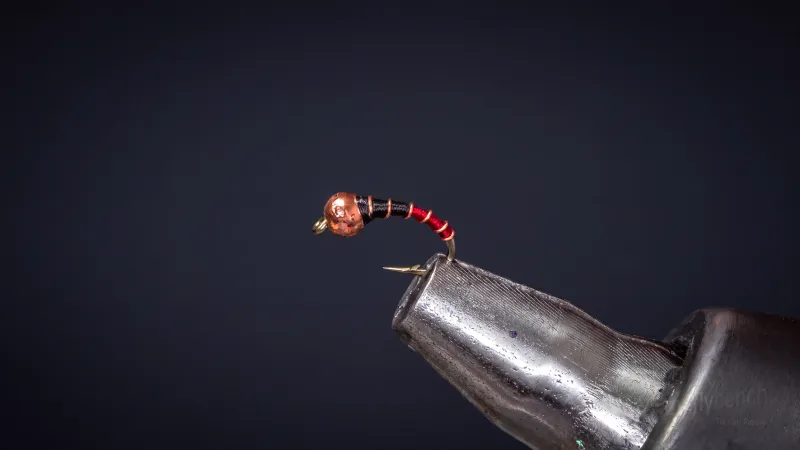
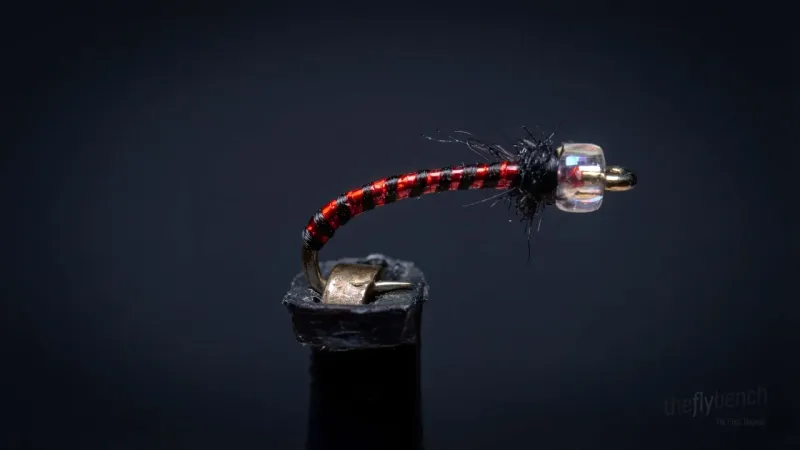
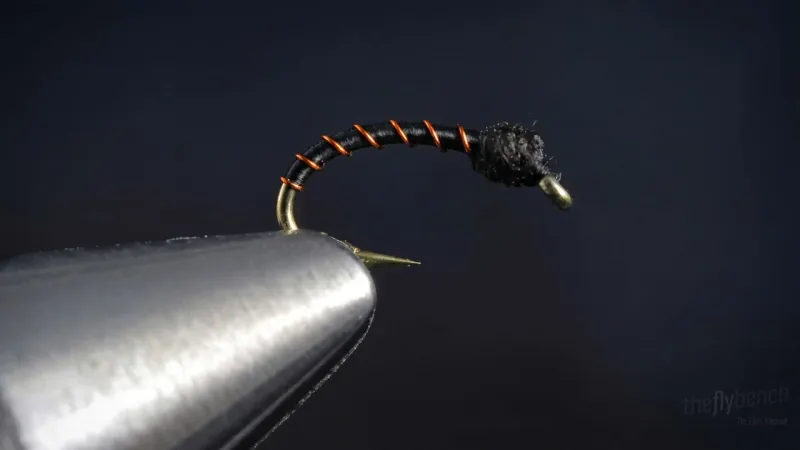
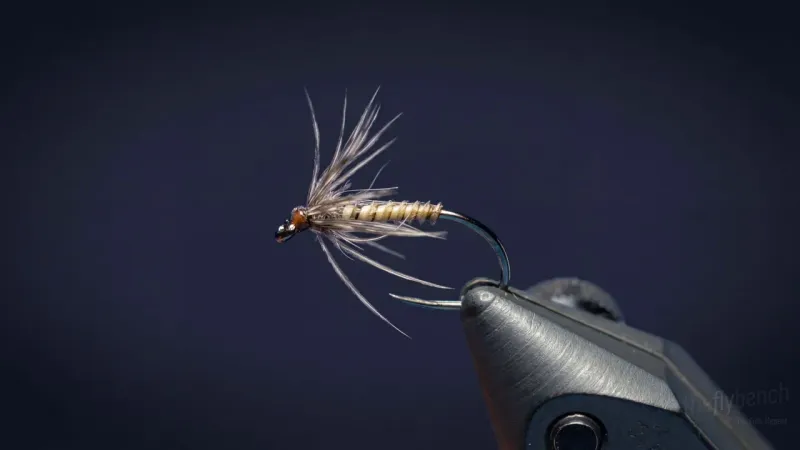
Cheech tied this version for Fly Fish Food as a twist on the classic Zebra Midge for picky trout. The thread-and-wire body stays the same, but one or two turns of starling at the head add soft fibers that pulse in the current. Keep the hackle sparse on a size 18 hook. Dyed claret partridge is an option for a warmer collar.
Related patterns
Behavior & presentation
- Natural Behavior
- Midge pupae wriggle up from the silt toward the film, their short gill tufts and trailing legs twitching as they rise. They often stall just under the surface while the adult works free of the case.
- Where Trout Eat It
- Trout sip rising pupae in the middle and upper water column over soft-bottomed tailwater flats and in shallow lake bays, where the bugs are slowed and easy to take.
- How to Fish It
- Dead-drift it under a small indicator or below a dry, then let it swing up at the end of the drift so the starling fibers flare and breathe like an emerging pupa.
- Best Water
- Slow seams below riffles, smooth tail-outs, and soft eddies where emerging midges collect in the slack water.
- Strike Type
- Most takes come as a light tick or the dry dipping on the dead drift. On the lift at the end of the swing, expect a firmer pull as trout chase the rising fly.
Fishing strategy
- Rigging Suggestions
- Fish it 18-30 inches below a small dry or a yarn indicator on 6X fluorocarbon. In deeper water, run it as the top fly above a heavier nymph so it hangs higher in the column.
- Seasonal Timing
- Works all year on tailwaters. It is strongest from November through March when midges are the main hatch, and on calm, overcast afternoons when pupae gather under the film.
- Pro Tips
- Pick it over a plain Zebra Midge when trout see the fly but refuse it. The soft collar adds life without extra flash. Carry a few with a lighter or no bead to fish just under the surface during a heavy emergence.
Entomology
Midge pupae leave their silt tubes and rise slowly toward the surface, flexing their bodies as they go. They hang just under the film while the adult splits the pupal case, which leaves them exposed for long stretches. Trout in tailwaters and lakes feed on them steadily, often picking off pupae a few inches below the surface.
- Order
- Diptera
- Family
- Chironomidae
- Common name
- Midge
- Organism
- insect
- Life stage
- pupa
Pattern details
- Moving Water
- Stillwater
- Rocky Mountain
- dead-drift
- midge-hatch
- soft-hackle-family
- tailwater
- dry-dropper
- modern