Overview
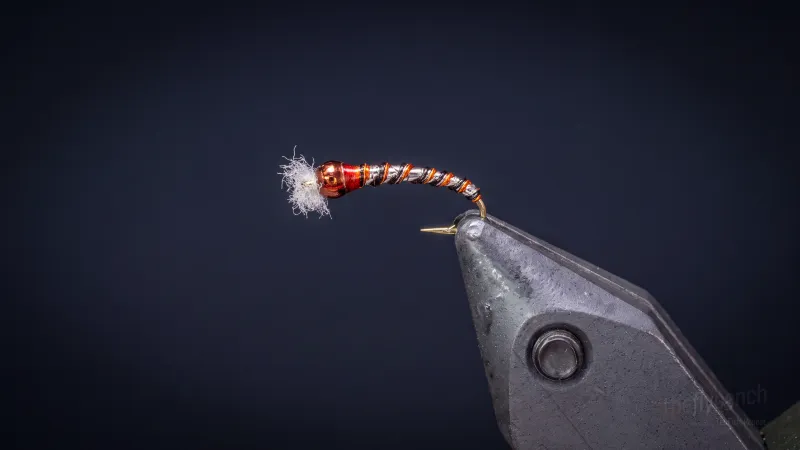
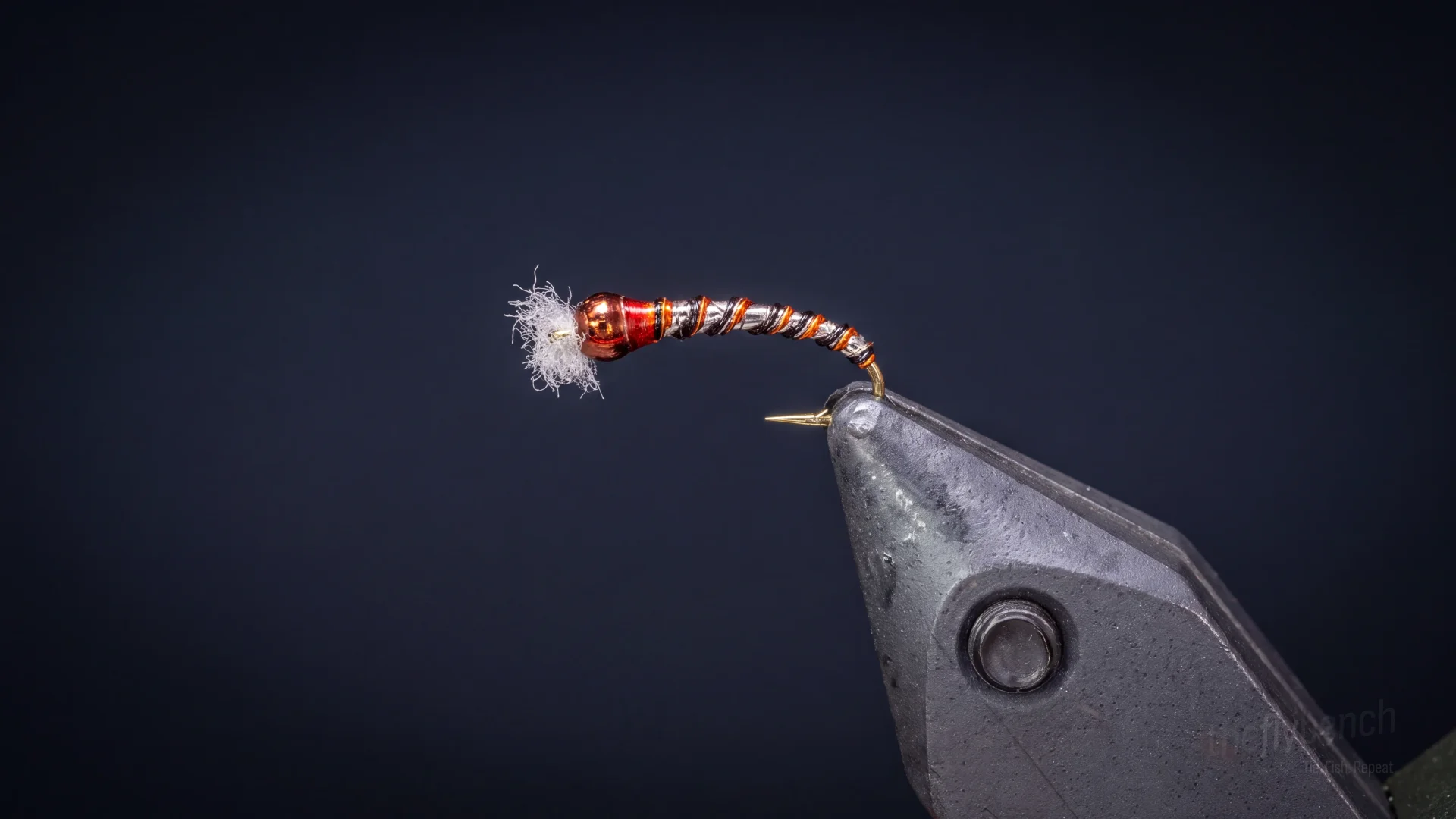
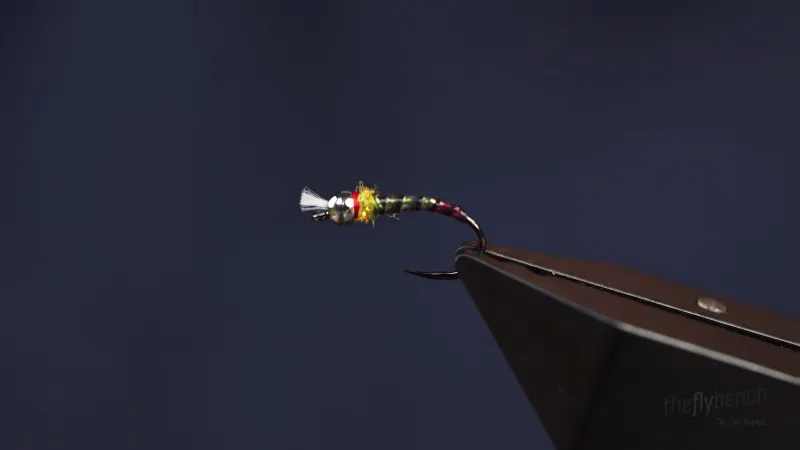
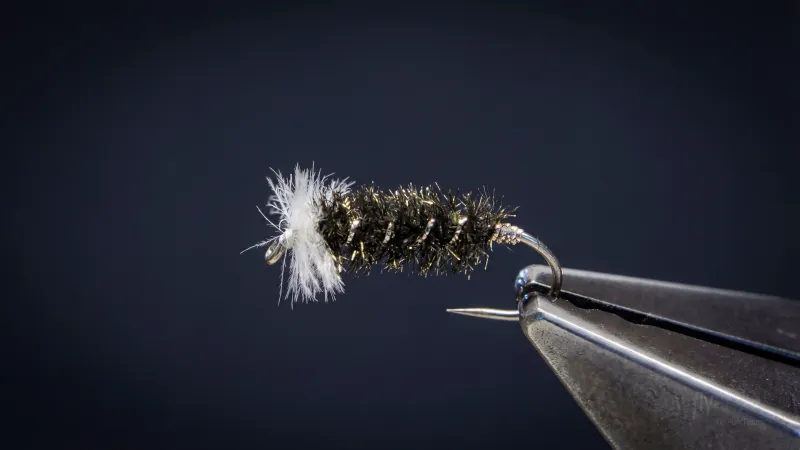
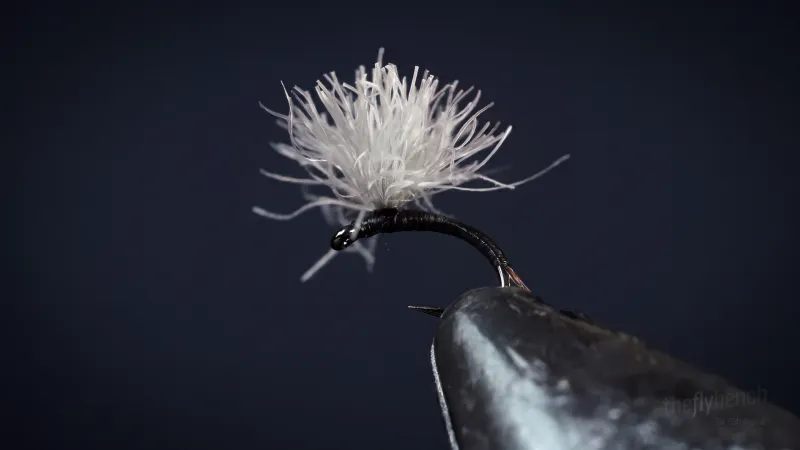
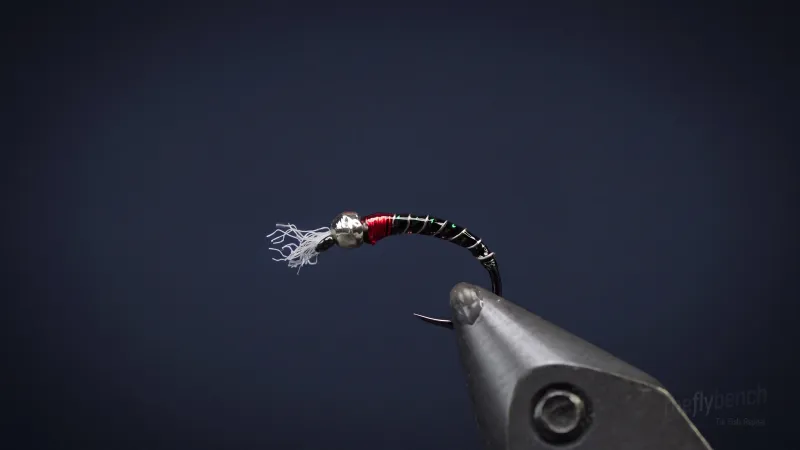
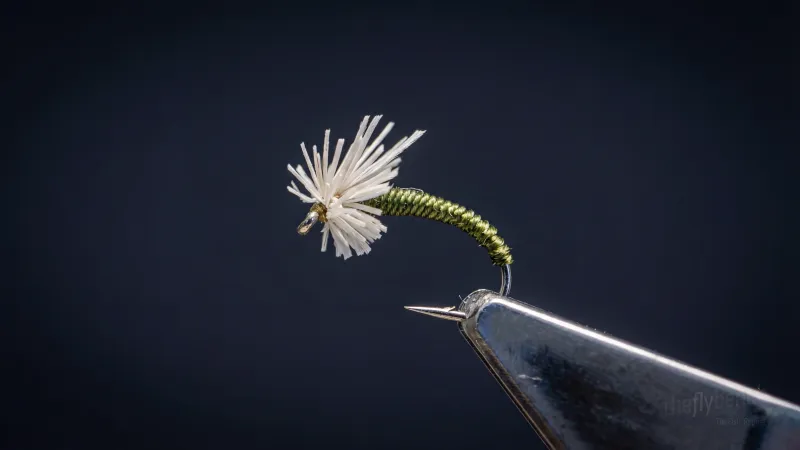
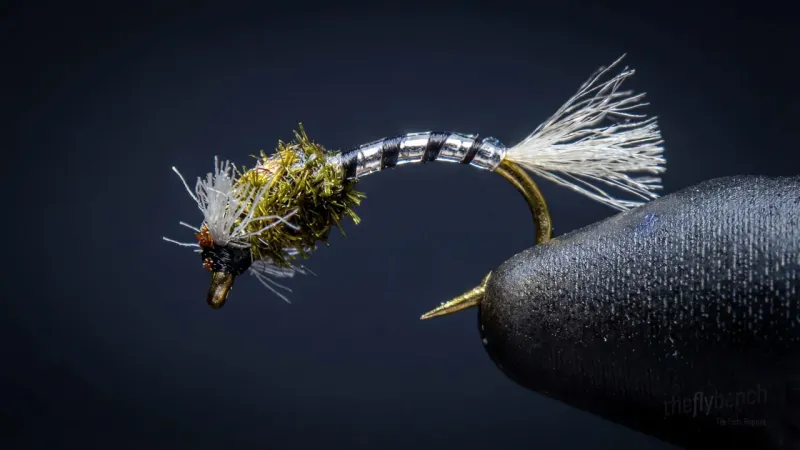
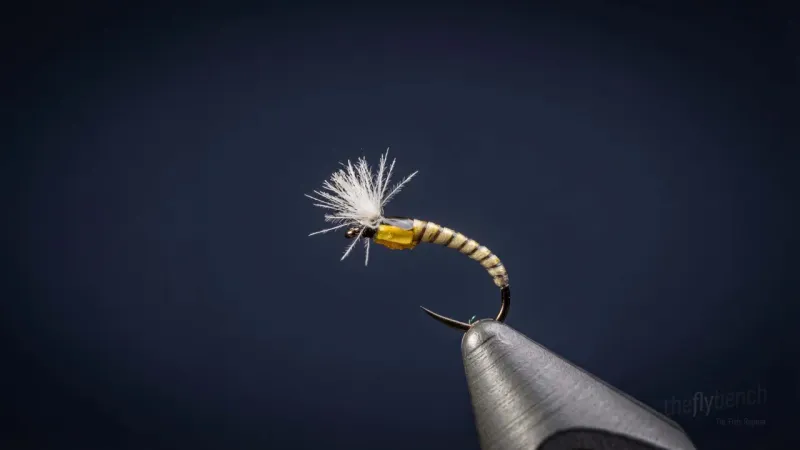
The Chromie is credited to British Columbia stillwater angler Phil Rowley, whose version uses a silver Flashabou body, red rib and peacock herl thorax. The silver mimics the trapped gas of an ascending pupa, and the red hints at the bloodworm larva. This AvidMax tie swaps in Mylar tinsel, two-tone wire, burnt orange thread and a resin coat. Tie it in sizes 14-18.
Related patterns
Behavior & presentation
- Natural Behavior
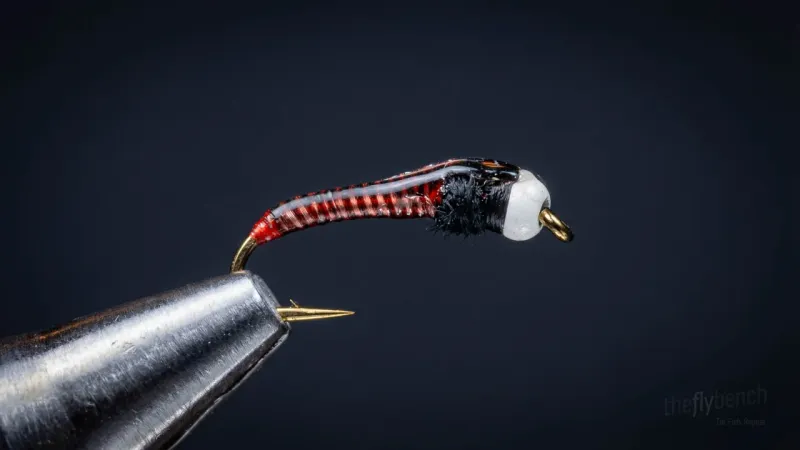
- Mature chironomid pupae leave the mud and inch toward the surface, gas building beneath the pupal skin until the whole insect glints silver as it nears the film.
- Where Trout Eat It
- Trout cruise the shoals and hang just above the bottom, picking off pupae in the first few feet of their climb after ice-off.
- How to Fish It
- Suspend the fly a foot or two off the bottom under an indicator and let the wind chop rock it; on glassy days, use an intermediate line and a hand-twist retrieve so slow the fly barely moves.
- Best Water
- Shallow shoals, weed-bed edges and drop-offs in 6-20 feet of water, especially where a shelf breaks into deeper water.
- Strike Type
- The indicator twitches, slides sideways or sinks slowly; on the hand-twist, takes come as a soft added weight rather than a hard pull.
Fishing strategy
- Rigging Suggestions
- Floating line with a leader roughly 1.5 times the water depth, 5X fluorocarbon tippet and a quick-release indicator set so the fly rides 1-2 feet above the bottom. In calm water, switch to an intermediate line and a long leader.
- Seasonal Timing
- Best from ice-off through early summer when the big spring chironomid hatches come off the bottom, with a second push in fall on many lakes.
- Pro Tips
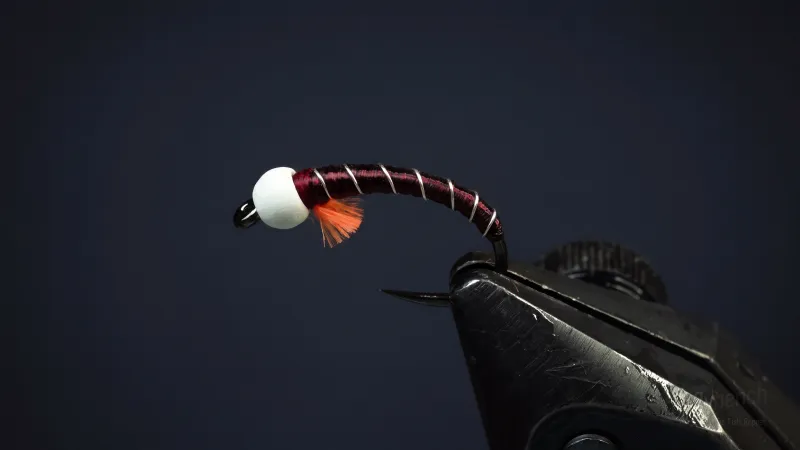
- Start shallow and lower the fly until you get taps. Carry silver, gunmetal and all-black versions; the black tie is a good choice in very clear water or bright light when flash puts fish off.
Entomology
Chironomid pupae emerge from tubes in the lake-bottom mud and rise slowly toward the surface, trapping gas under their skin that helps them climb and gives them a silvery sheen. They pause and hang often during the ascent, which can take a long time in cold water, so trout feed on them steadily at the depth where they are concentrated.
- Order
- Diptera
- Family
- Chironomidae
- Common name
- Chironomid
- Organism
- insect
- Life stage
- pupa
Pattern details
- Stillwater
- British Columbia
- Pacific Northwest
- indicator-nymph
- midge-hatch
- dead-drift
- cold-water
- beginner-friendly