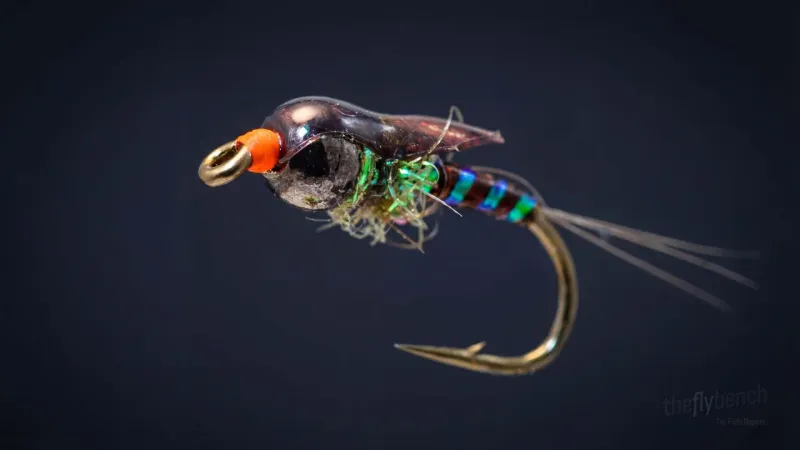
Dry FliesLil' Dorothy
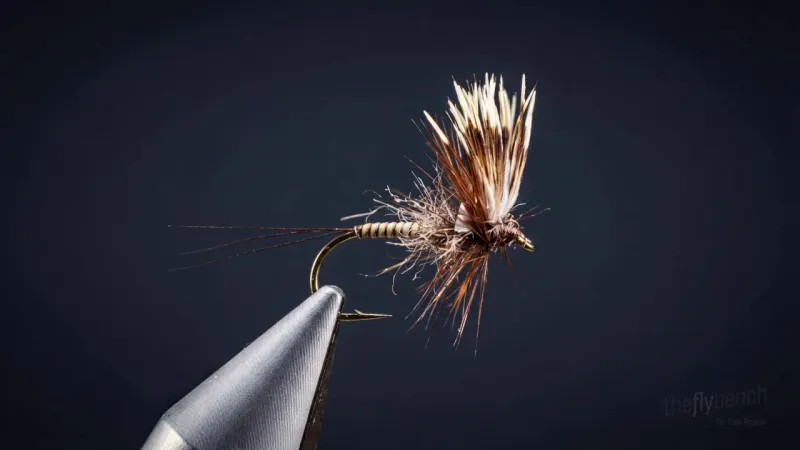
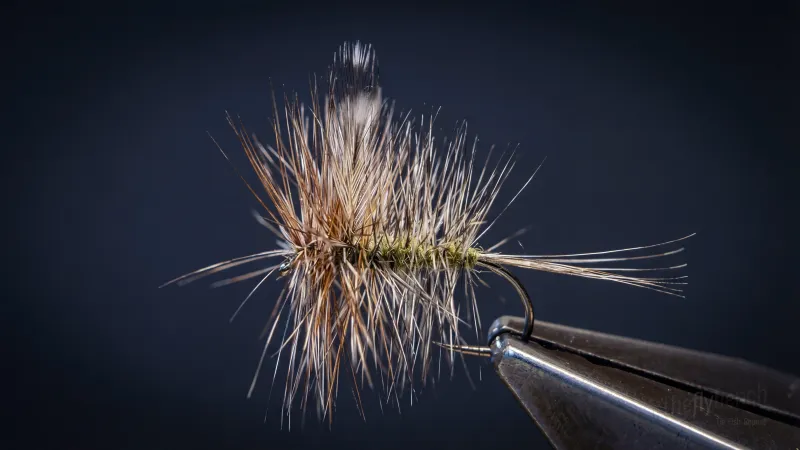
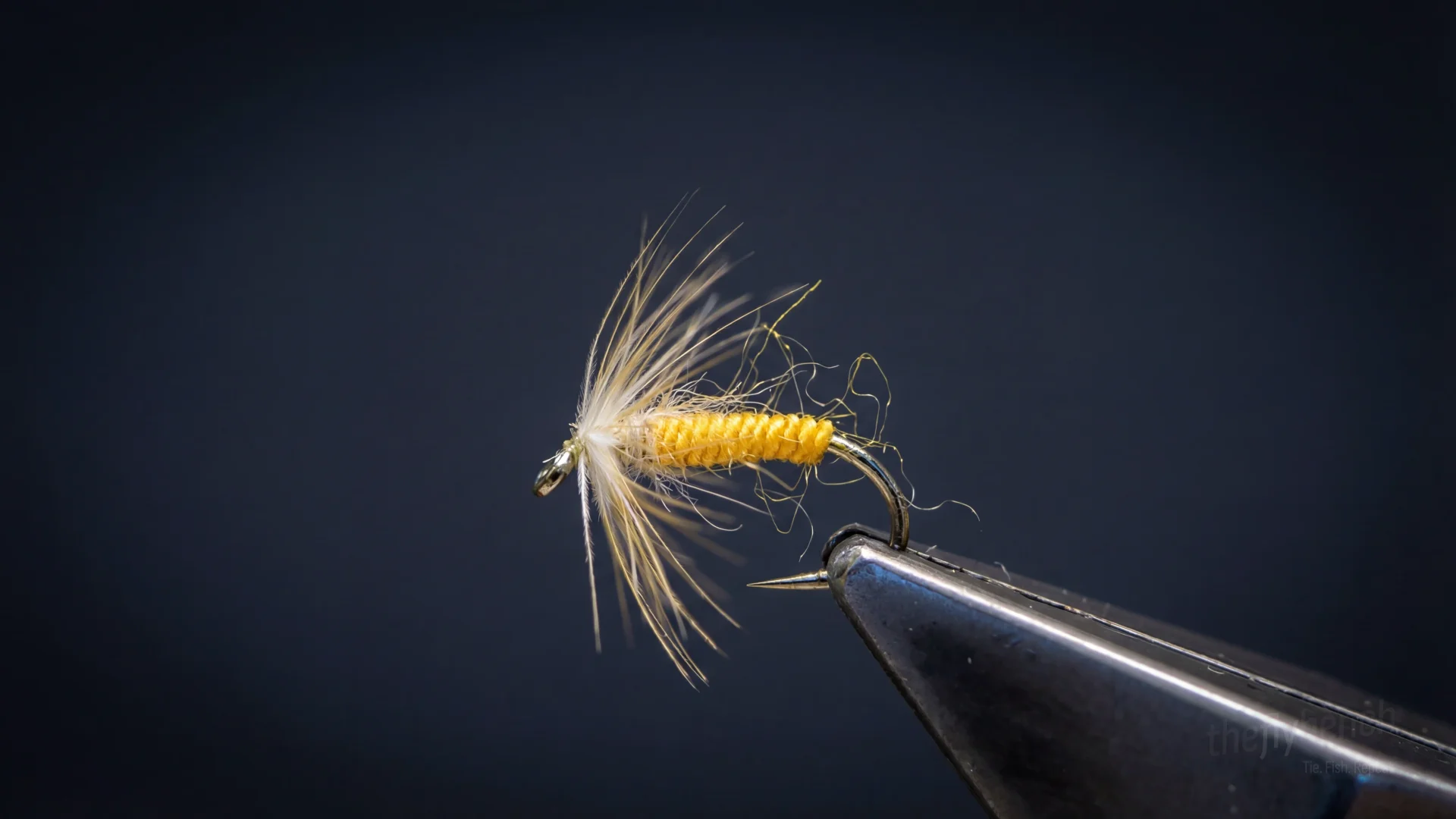
The Lil' Dorothy is a dry fly pattern designed by Steve Davenport. This effective pattern combines traditional materials with proven techniques for consistent results in a variety of water conditions.
Spring, Summer, Fall
Intermediate
Trout
Feb 2026
Overview
Steve Davenport's compact dry fly design features reduced dimensions that match smaller mayflies and caddis. The pattern's refined proportions and careful material selection create an accurate small-insect profile without sacrificing visibility. Its construction maintains adequate flotation despite the reduced size, making it effective during technical situations when fish are feeding selectively on smaller naturals in flat water or tailout conditions.
Where to Buy This Fly
We only link to fly shops we trust. Some links are referral links, which may earn us a commission at no extra cost to you.
Materials
- Hook:
- Mustad 3906 or 3399A 12-14
- Thread:
- Cream or white
- Abdomen:
- Pale orange embroidery thread color # 722
- Thorax:
- Cahill colored hare’s ear dubbing
- Hackle:
- Cream or very pale ginger
Behavior & Presentation
Natural Behavior: Small mayflies and caddis ride the surface film during emergence, wings drying while bodies float vulnerably. Delicate profiles match technical feeding situations.
Where Trout Eat It: Selective feeders cruise slicks and foam lines, sipping small adults from calm water.
How to Fish It: Present with ultra-delicate drag-free drifts through technical water and selective feeders.
Best Water: Slicks, tail-outs, flat water, and seams in spring creeks with highly selective trout.
Strike Type: Subtle sips with minimal rise forms as selective fish take small prey with precision.
Fishing Strategy
Rigging Suggestions: Use a 9-12 foot leader tapering to 5X tippet for delicate presentations. Apply floatant to the body and hackle.
Seasonal Timing: Most effective during peak feeding periods at dawn and dusk. Water temperatures between 45-65°F typically produce best results.
Pro Tips: The low-riding profile makes this pattern effective during spinner falls when trout are feeding on spent insects flush in the film.
Entomology
Adult caddis flutter weakly on the surface after exhausting themselves during prolonged mating swarms, their wings becoming waterlogged and preventing takeoff as they drift helplessly. Trout target these spent insects during late-evening periods because the disabled caddis cannot escape, and their concentration in surface drift lanes provides efficient feeding with minimal energy expenditure.
- Order
- Trichoptera
- Common Name
- Caddisfly
- Organism Type
- insect
- Life Stage
- adult