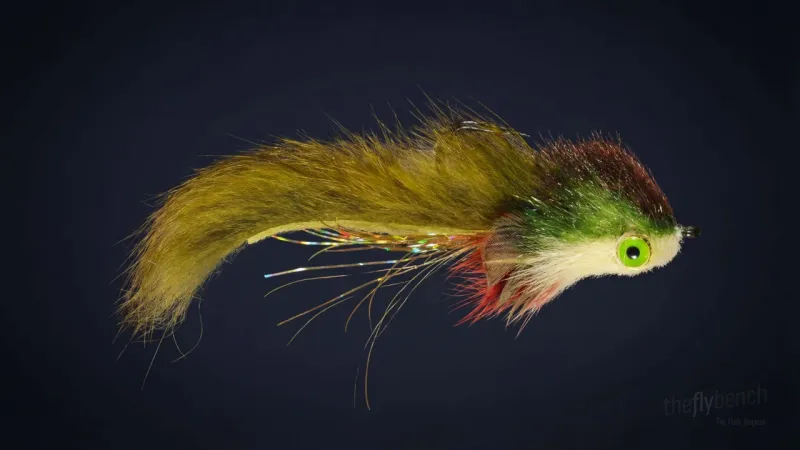
Dry FliesAmy's Ant
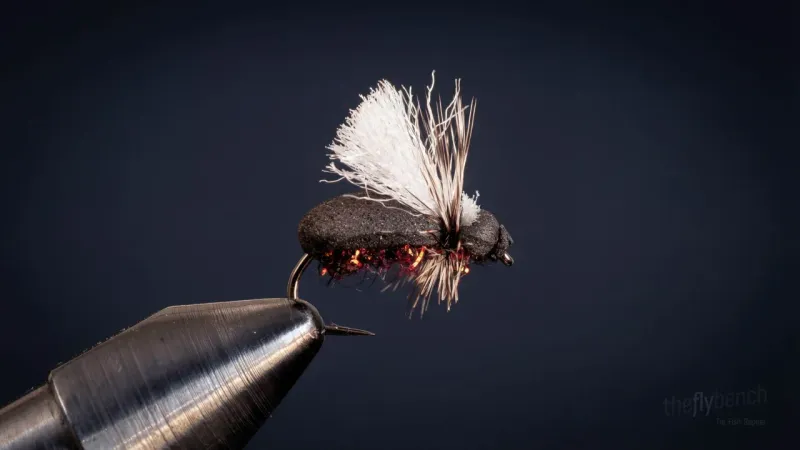
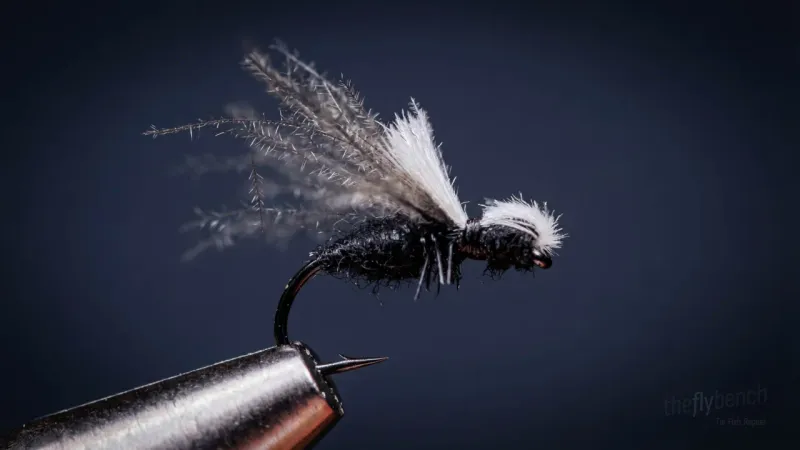
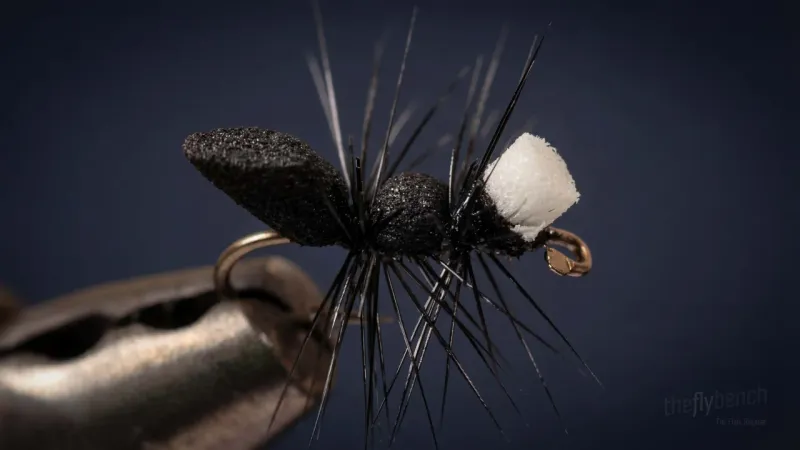
Amy's Ant is a versatile terrestrial pattern that does an excellent job imitating a variety of land insects that find their way into the water. It was designed to be buoyant and durable, making it perfect for fishing rough water or during a windy day.
Summer, Fall
Intermediate
Trout
Apr 2025
Overview
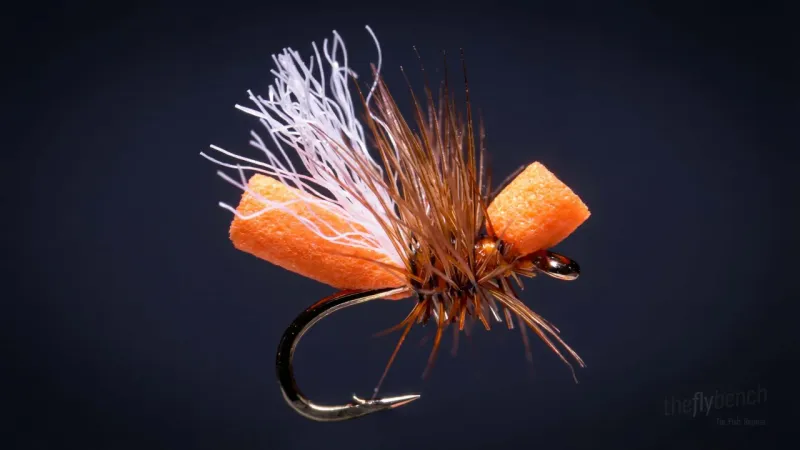
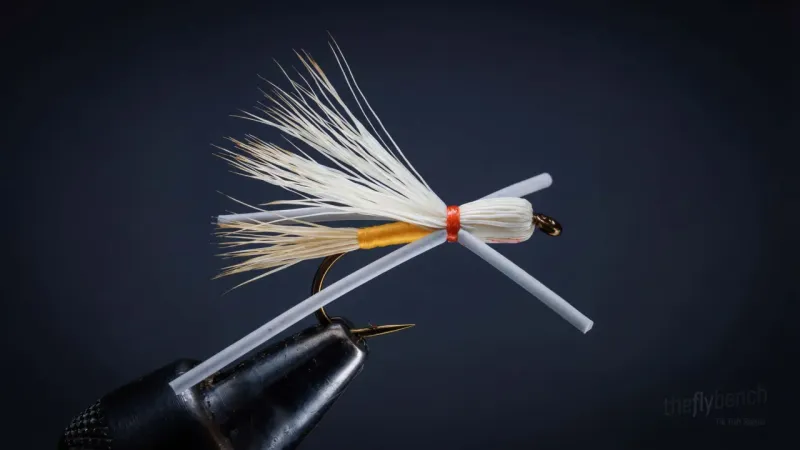
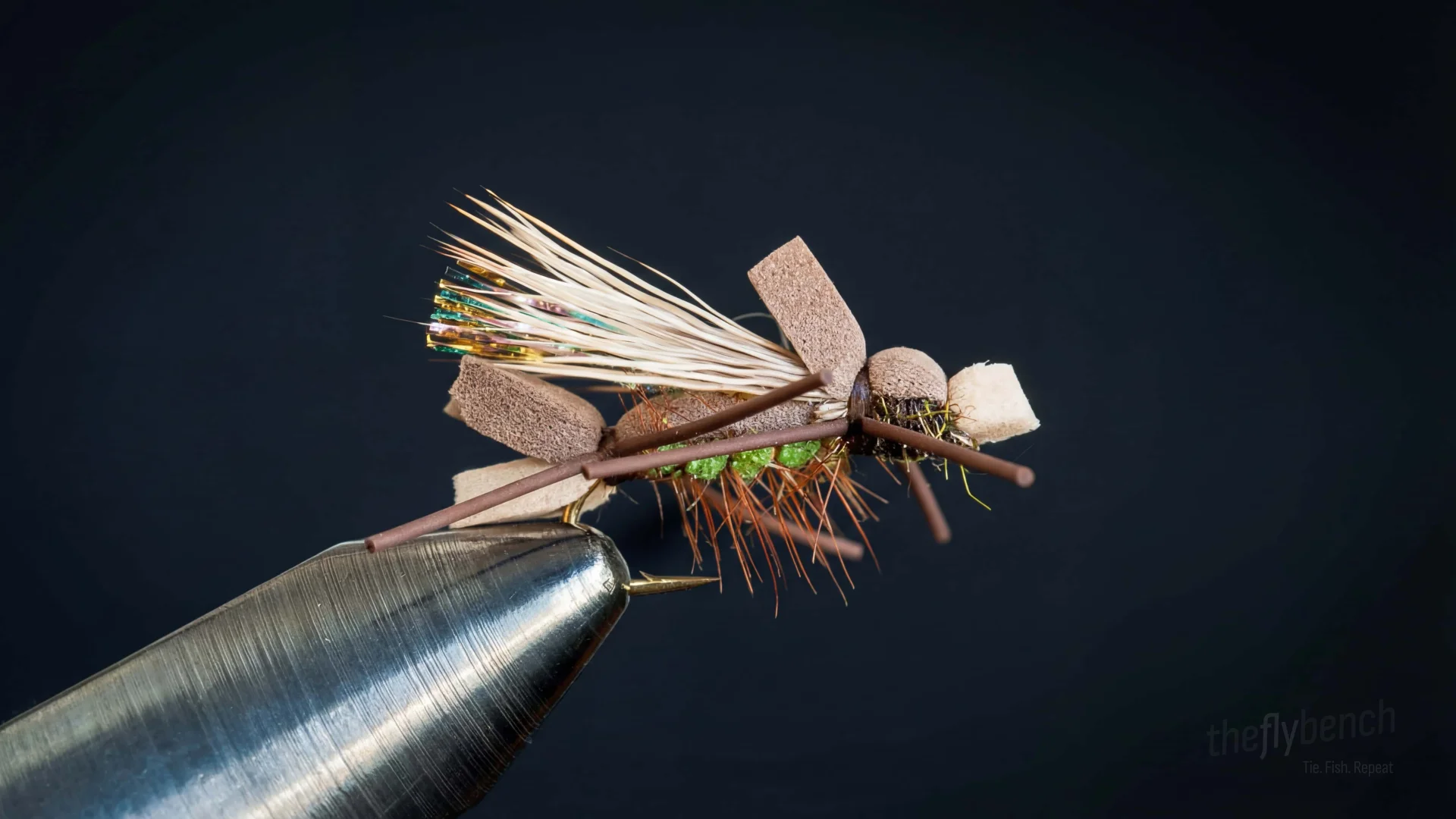
Amy's Ant is a high-floating, attractor-style terrestrial pattern that combines the features of a hopper, ant, and beetle. With its foam body, rubber legs, and flashy accents, it's tied in various sizes and colors to match regional hatches or simply trigger strikes through movement and silhouette.
Where to Buy This Fly
We only link to fly shops we trust. Some links are referral links, which may earn us a commission at no extra cost to you.
Materials
- Hook:
- Tiemco 100, size #10–#14
- Thread:
- Black Veevus 14/0
- Body:
- 2mm Foam in brown and black
- Wing:
- Elk Hair
- Legs:
- Medium Round Rubber Legs
- Indicator:
- 1mm Foam in bright orange
- Thorax:
- Peacock Herl
Behavior & Presentation
Natural Behavior: Terrestrial ants and beetles fall onto the water surface from overhanging vegetation or are blown in by wind, landing with splashes that create vibrations. They struggle on the surface, trapped by surface tension, creating distinctive rings.
Where Trout Eat It: Trout patrol near banks and under overhangs, intercepting terrestrials trapped in the surface film.
How to Fish It: Dead drift tight to banks and under overhangs, allowing the fly to sit motionless for 3-5 seconds between short twitches.
Best Water: Most productive along undercut banks, grass edges, and pockets where terrestrials accumulate.
Strike Type: Look for visible rises, subtle sips, or surface rings as trout take the struggling terrestrial.
Fishing Strategy
Rigging Suggestions: Fish solo on 9-foot leaders tapered to 4X or 5X, or use as an indicator in a dry-dropper setup with a beadhead nymph 18-24 inches below.
Seasonal Timing: Prime from July through September when terrestrial activity peaks, with August being the most consistent month for ant falls. Most effective during warm afternoons and on windy days when terrestrials are blown into the water.
Pro Tips: The bright indicator makes tracking the fly easy in broken water or low light.
Entomology
Terrestrial beetles and ants fall onto the water surface from overhanging vegetation or are blown in by wind, landing with a splash that creates vibrations and attracts fish. They struggle on the surface, trapped by surface tension, creating distinctive rings and dimples. Trout actively patrol near banks during warm weather to intercept these high-protein terrestrial meals, especially during late summer when aquatic insect hatches decline.
- Order
- Coleoptera
- Common Name
- Beetle
- Organism Type
- terrestrial
- Life Stage
- adult