Dry FliesPeacock Despair
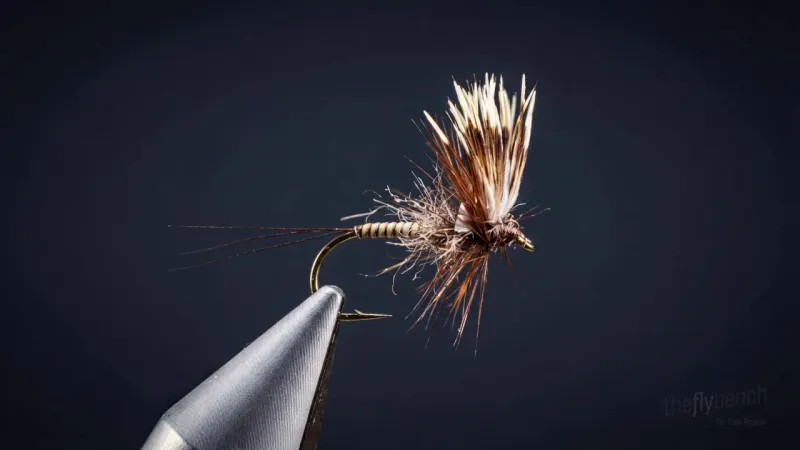
Byron Haugh's pattern features iridescent peacock herl body creating natural color shifts in varying light. Simple design relies on peacock's inherent buggy appearance suggesting multiple insect types. CDC or hackle wings provide flotation while herl body adds durability. Succeeds as both searching pattern and specific imitation.
Spring, Summer, Fall
Intermediate
Trout
Feb 2026
Overview
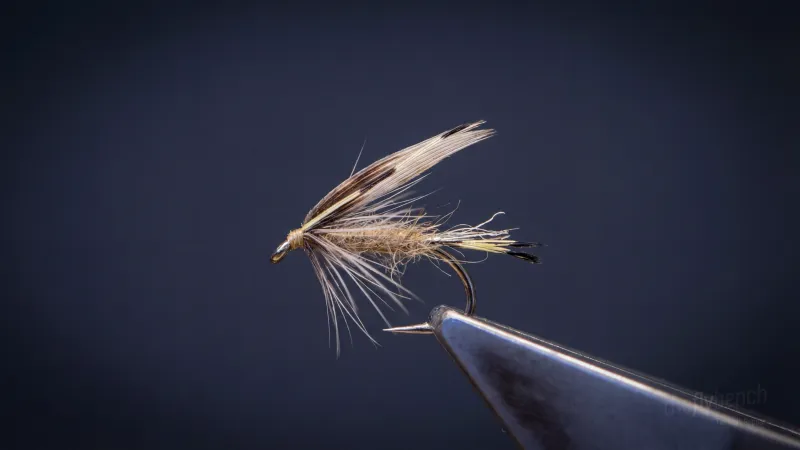
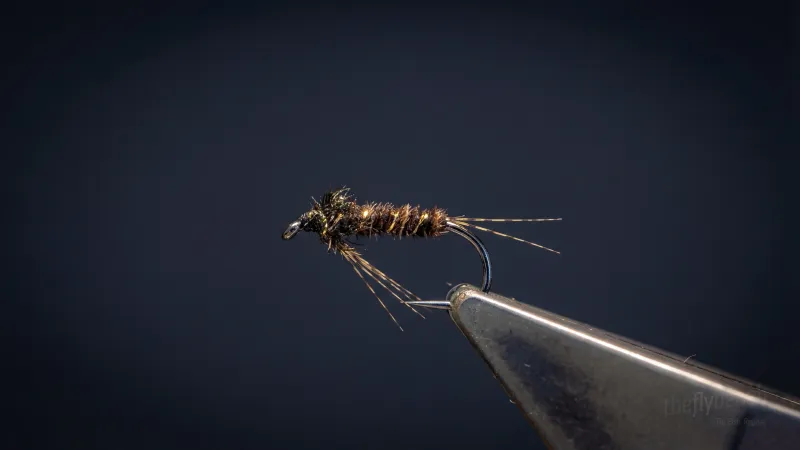
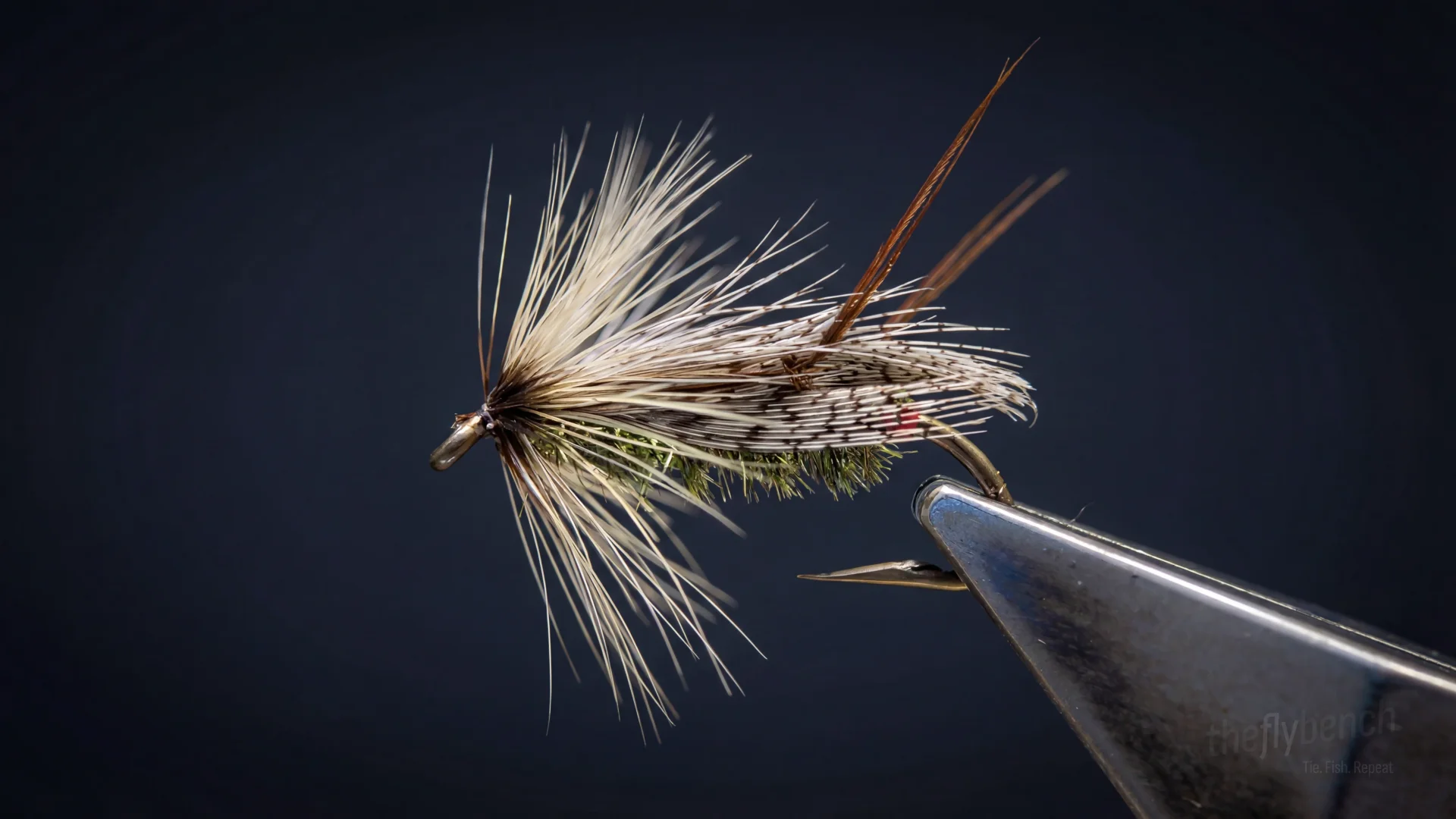
Byron Haugh's Peacock Despair features an iridescent peacock herl body that creates natural color shifts in varying light. The pattern's simple design relies on peacock's inherent buggy appearance to suggest multiple insect types. CDC or hackle wings provide flotation while the herl body adds durability through multiple fish. The pattern works as both a searching pattern and specific mayfly or caddis imitation, with its effectiveness coming from peacock's universal appeal to trout.
Where to Buy This Fly
We only link to fly shops we trust. Some links are referral links, which may earn us a commission at no extra cost to you.
Materials
- Hook:
- Eagle Claw 1197B #2-12
- Thread:
- Benecchi 12/0, black
- Body:
- Peacock herl
- Wing:
- Hungarian partridge breast feather - pair for #2-8, single feather for #10-12
- Legs:
- Pheasant tail barbs, two on each side - knotted
- Hackle:
- Badger
Behavior & Presentation
Natural Behavior: Caddis tumble through fast riffles after being dislodged from rocks, wings pinned and unable to gain altitude. The current carries these stunned insects into slower pools where waiting fish capitalize on their disorientation and reduced mobility.
Where Trout Eat It: Excels in tailouts, seams, and foam lines of freestone streams. The durable herl body withstands pocket water turbulence while maintaining attractive buggy appearance.
How to Fish It: Cast upstream and dead drift through likely holding water. Peacock herl's natural iridescence creates color shifts in varied light that trigger strikes from opportunistic feeders. Dead drift matches the helpless floating behavior that triggers surface feeds.
Best Water: Focus on runs, pools, riffles where trout hold and actively feed.
Strike Type: Look for confident swirls or splashy takes as fish key on the peacock herl's iridescence. Trout often commit aggressively to the buggy silhouette in varied light.
Fishing Strategy
Rigging Suggestions: Fish on 9-12 foot leader with 4X-5X tippet. Durable construction supports extended use as searching pattern through full-day prospecting sessions.
Seasonal Timing: Most effective during hatches April through June and activity July through August when water temperatures range 50-65°F. All-day reliability makes it productive choice during varied feeding periods.
Pro Tips: Peacock herl creates natural iridescence that shifts color in varied light conditions, triggering strikes without exact imitation. The inherent buggy appearance suggests multiple insect types, making size selection more critical than color matching.
Entomology
Caddis tumble through fast riffles after being dislodged from rocks, wings pinned and unable to gain altitude. The current carries these stunned insects into slower pools where waiting fish capitalize on their disorientation and reduced mobility.
- Order
- Trichoptera
- Common Name
- Caddisfly
- Organism Type
- insect
- Life Stage
- adult