LeechM&M Black Leech
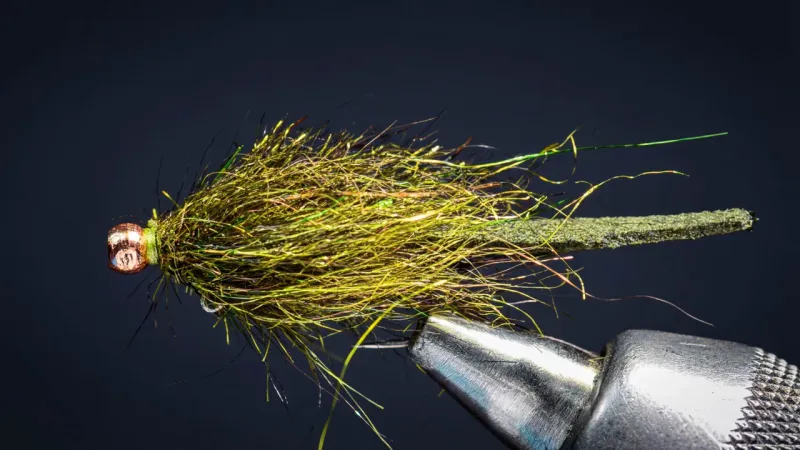
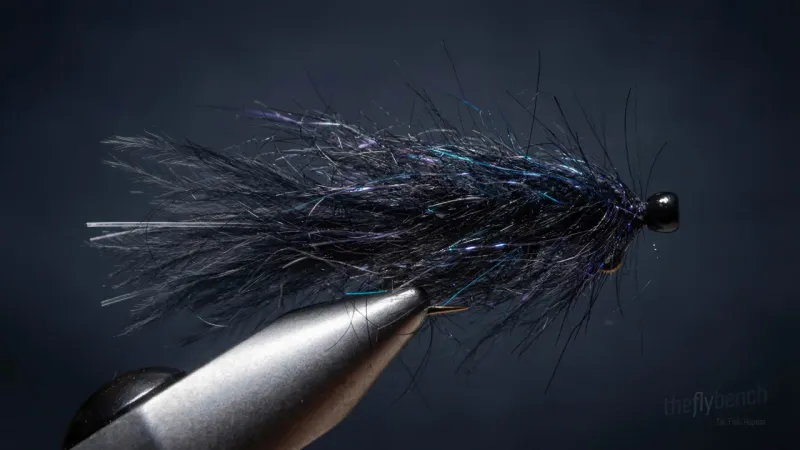
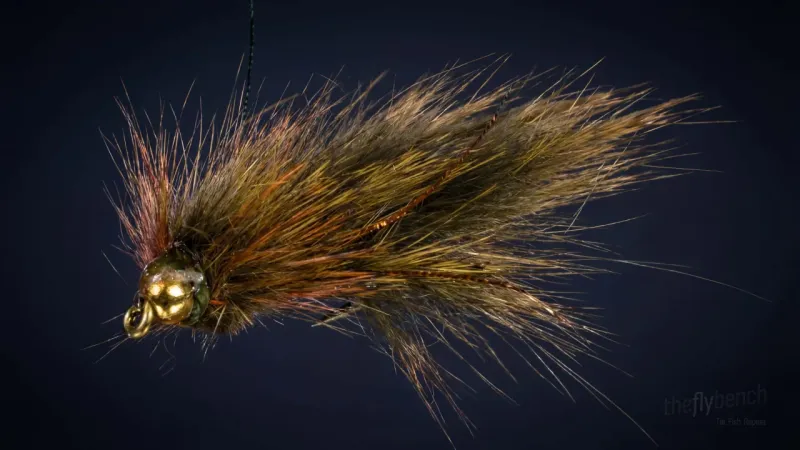
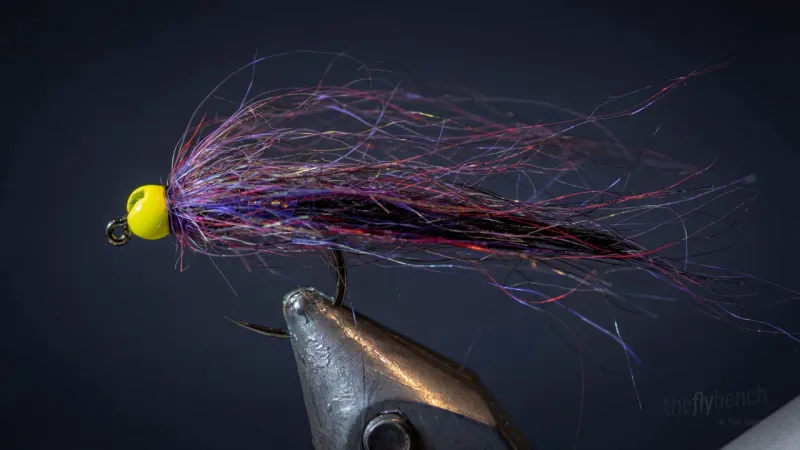
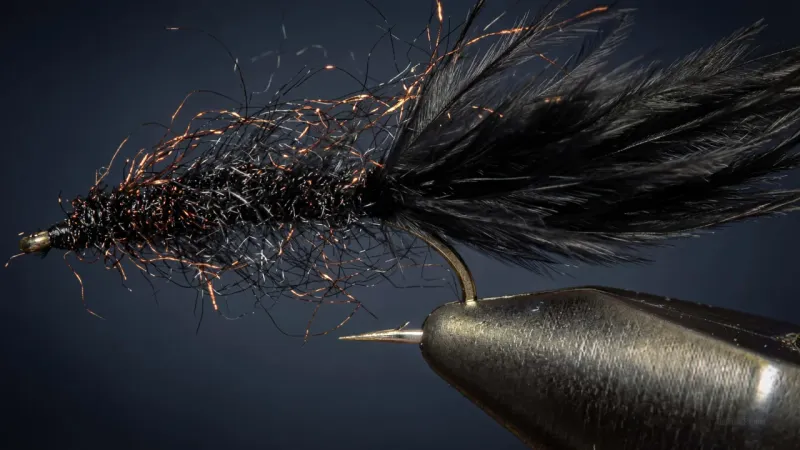
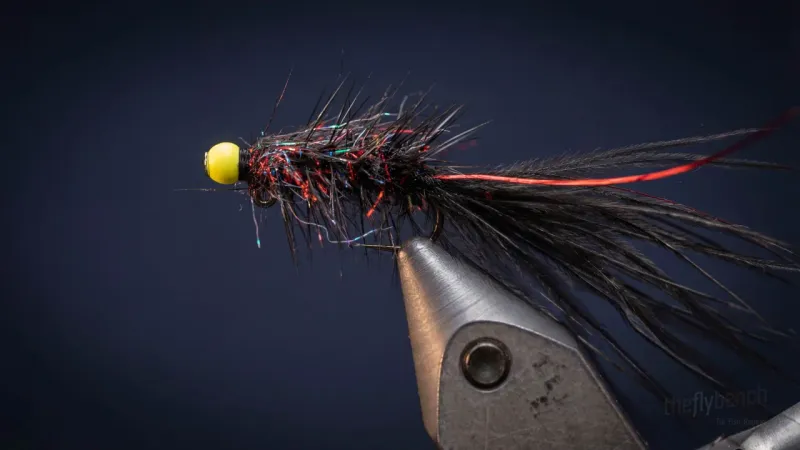
The M&M Black Leech is a simple yet effective beginner-friendly leech pattern from BCFlyguys designed for stillwater trout. Part of their Beginner Fly Tying Series, this pattern demonstrates that effective flies don't need to be complicated. The straightforward construction makes it an excellent first leech pattern for new tyers while still catching plenty of fish.
Year Round
Beginner
Trout
Dec 2025
Overview
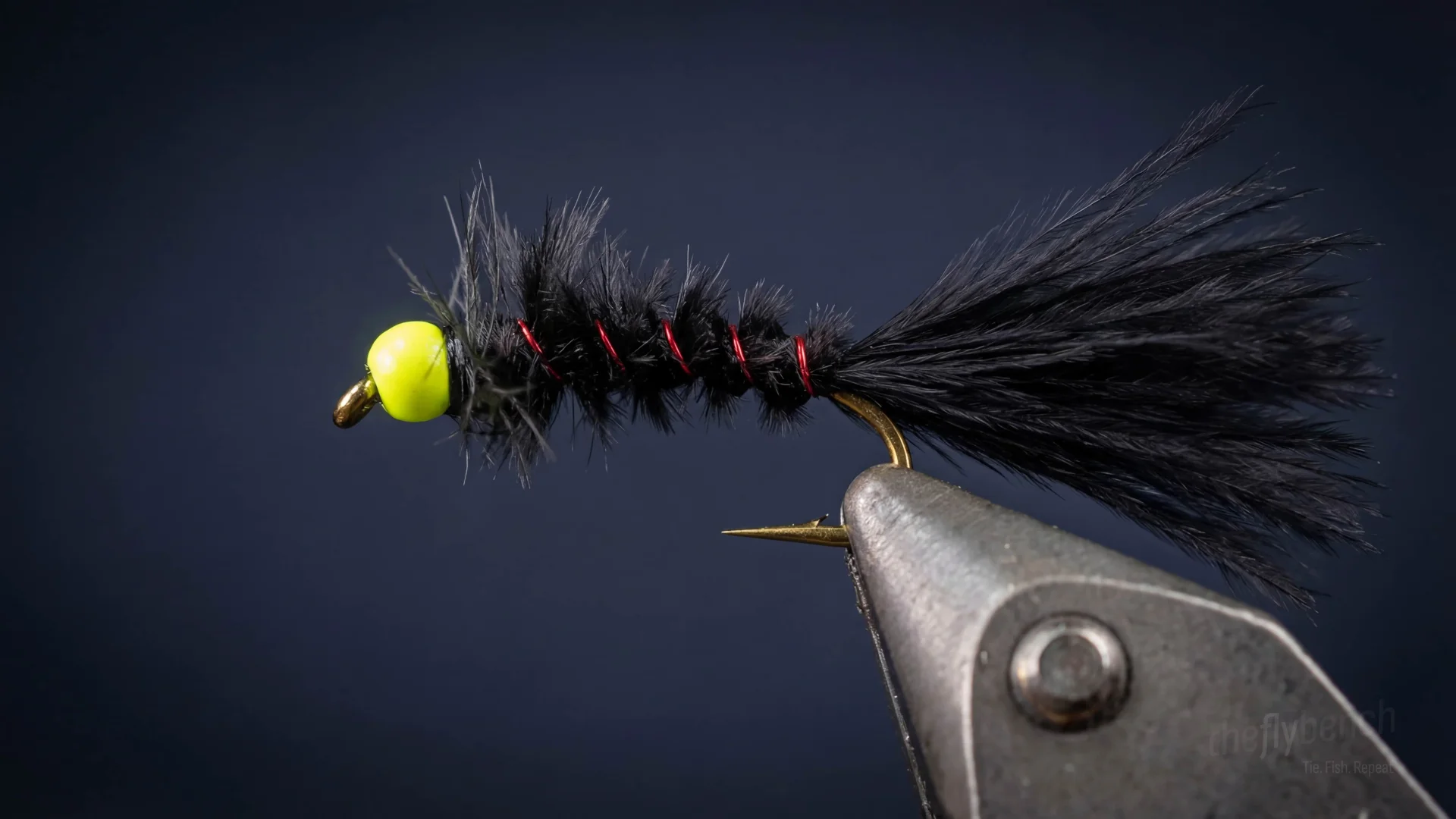
This BCFlyguys pattern showcases how effective simple patterns can be for stillwater trout. The all-black color scheme matches natural leeches found in most BC lakes while the marabou provides excellent movement in the water. The pattern is intentionally kept simple for beginners learning to tie, demonstrating that fish-catching flies don't require complex techniques or exotic materials.
Where to Buy This Fly
We only link to fly shops we trust. Some links are referral links, which may earn us a commission at no extra cost to you.
Materials
- Hook:
- Standard nymph hook, #10-12
- Thread:
- Black, 6/0 or 8/0
- Bead:
- Tungsten bead, black, 3.2mm
- Tail:
- Marabou, black
- Body:
- Marabou, black (wrapped)
Behavior & Presentation
Natural Behavior: Leeches glide with serpentine undulations, their bodies creating rhythmic wave patterns through mid-column. Frequent pauses between active swimming phases make them vulnerable as they hang motionless before resuming movement.
Where Trout Eat It: Trout cruise open water and edges, intercepting prey at various depths from shallow shelves to deep channels. They hunt actively near weed beds and drop-offs where forage concentrates.
How to Fish It: Strip with varied cadence, mixing fast strips with long pauses to imitate fleeing or resting prey. Change retrieve speed until you find what triggers strikes.
Best Water: Focus on weed edges, drop-offs, and shoals where prey concentrates near structure. Work transitions between shallow shelves and deeper water.
Strike Type: Solid pulls or steady tension during pauses signal strikes—maintain contact and strip-set when pressure builds.
Fishing Strategy
Rigging Suggestions: Fish on 12-15 foot leader with 4X-5X fluorocarbon tippet under an adjustable strike indicator. The tungsten bead provides adequate weight for reaching trout holding zones without additional split shot.
Seasonal Timing: lake effectiveness in BC Interior lakes and similar waters. Black leeches are always present in lake environments, making this a reliable pattern throughout the seasons.
Pro Tips: The black tungsten bead provides rapid sink rates while the black marabou creates a distinctive silhouette visible to fish from below. The soft marabou fibers undulate naturally with even minimal water movement.
Entomology
Leeches contract and expand their bodies in wavelike motions to propel themselves through aquatic vegetation, sometimes tumbling or spiraling when dislodged by currents. Trout associate these erratic movements with easy prey, particularly in the soft-bottom zones of lakes where leeches are abundant and nutritionally dense.
- Organism Type
- leech
- Life Stage
- general