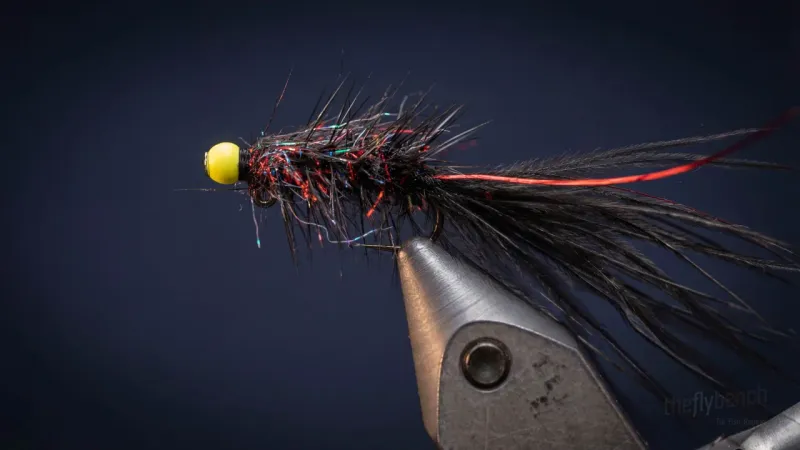
LeechFeather Leech
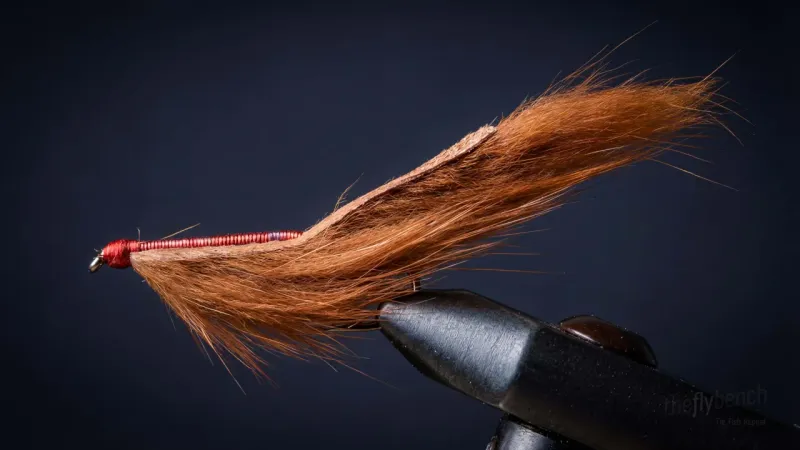
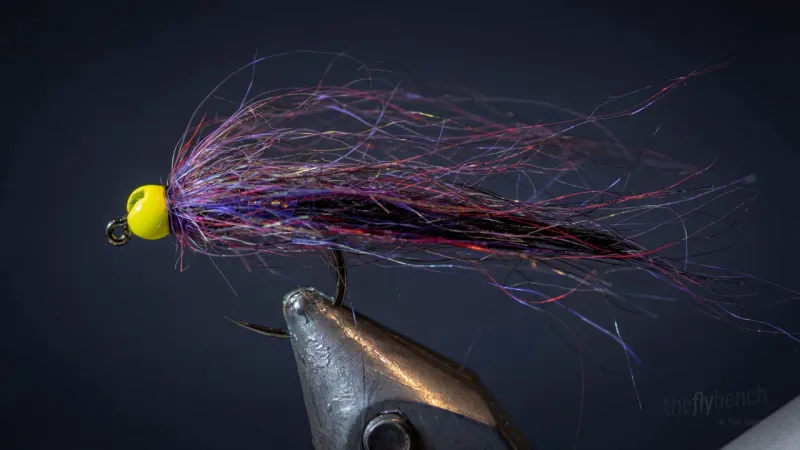
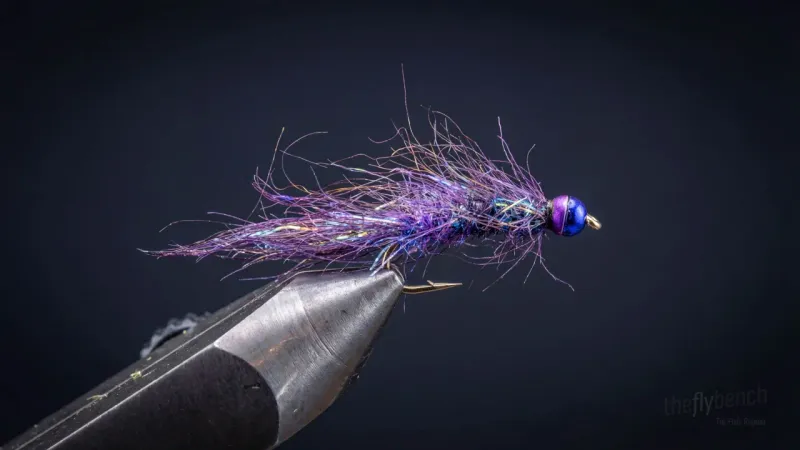
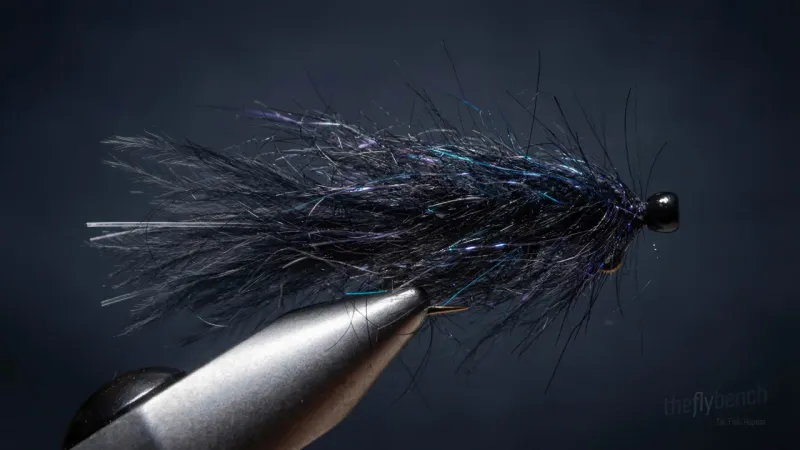
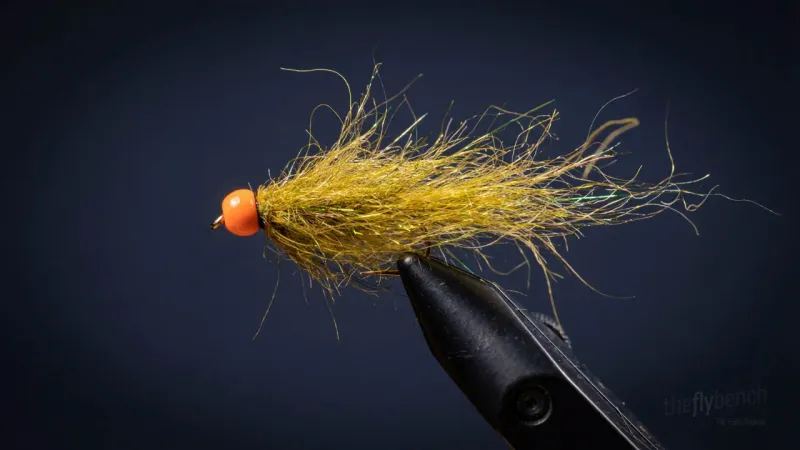
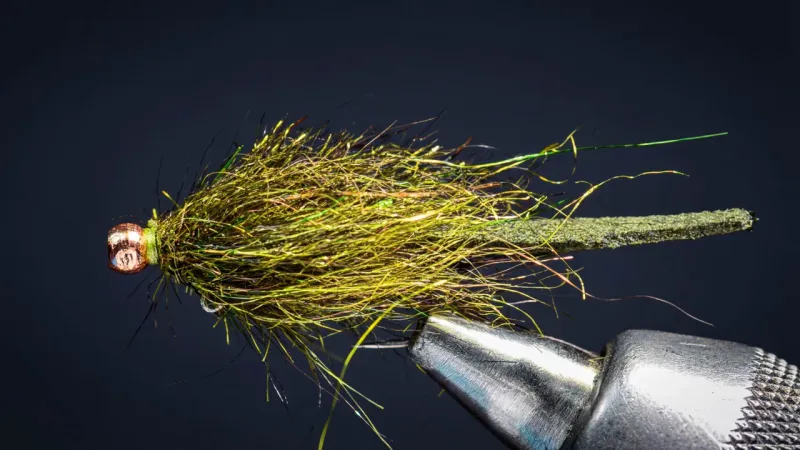
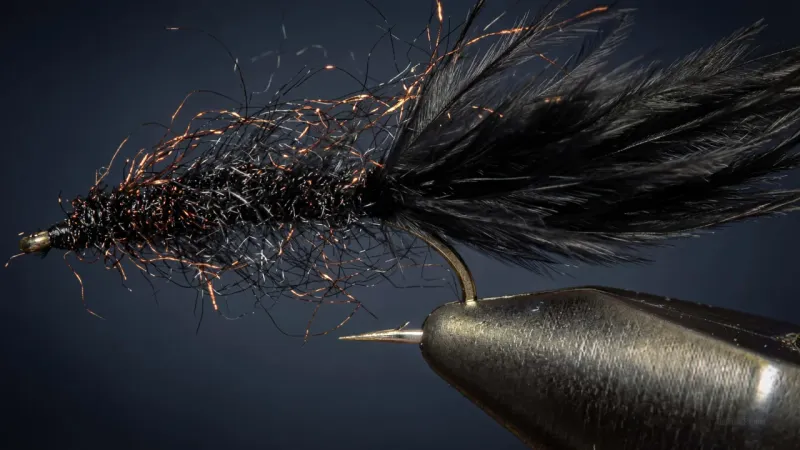
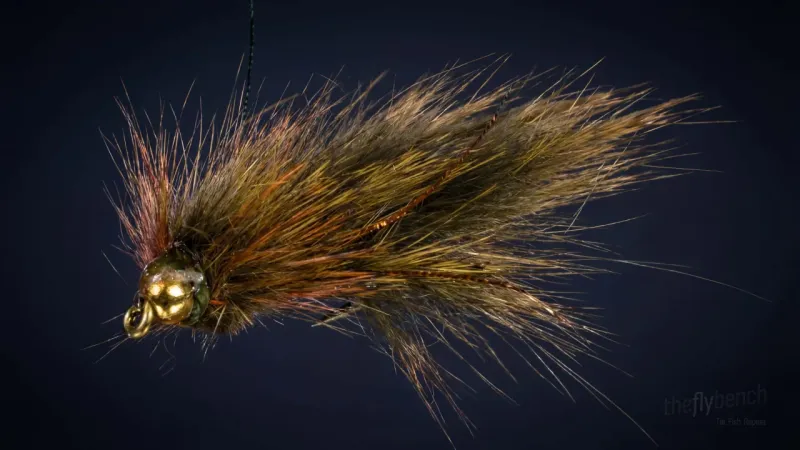
The Feather Leech designed by Phil Rowley is a simple yet effective stillwater pattern that utilizes barred schlappen hackle to create natural movement and profile. This easy-to-tie leech pattern combines Flashabou body materials with flowing hackle fibers for a fly that comes alive in the water with minimal angler input.
Year Round
Beginner
Trout
Dec 2025
Overview
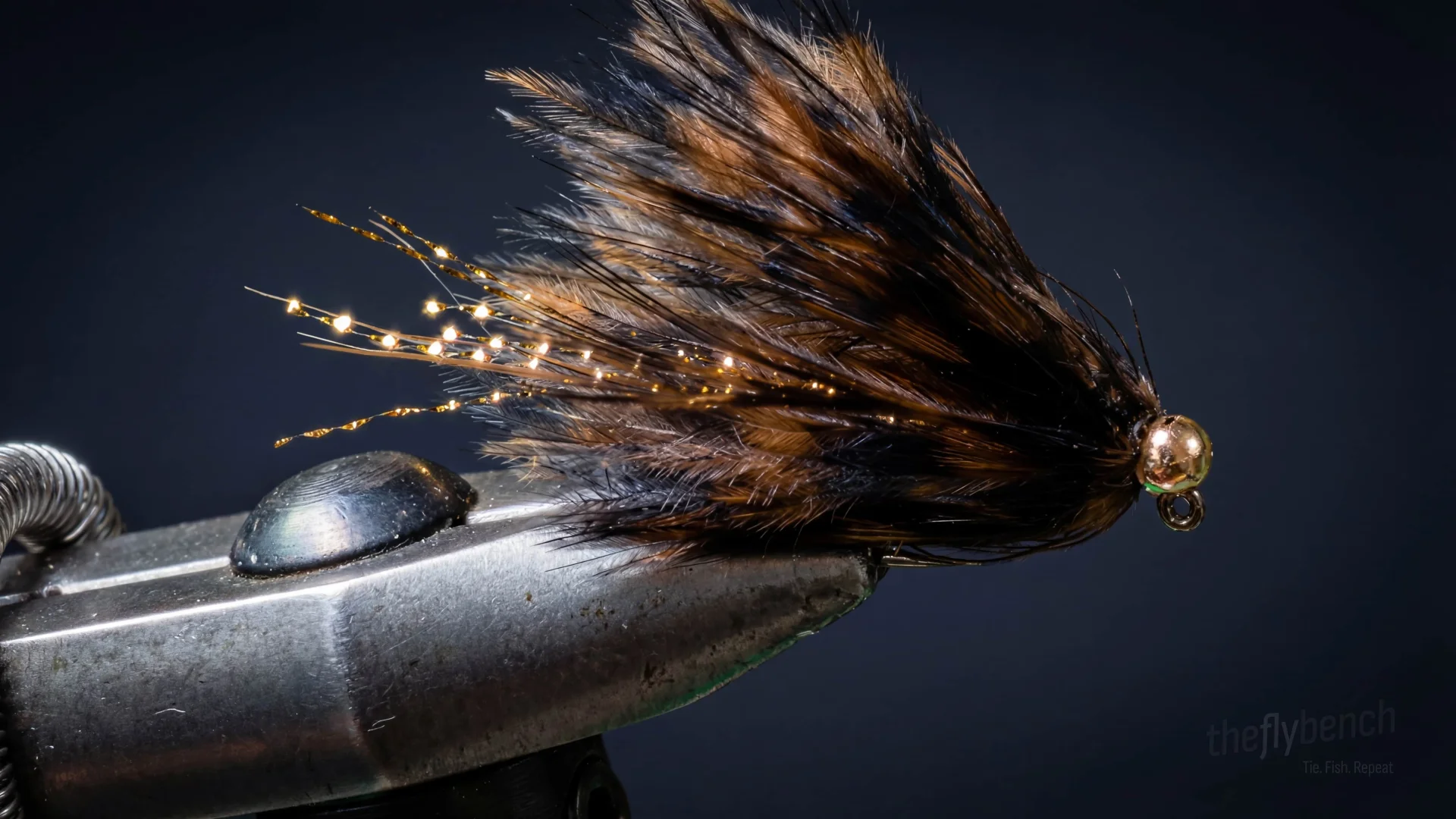
This Phil Rowley pattern showcases how simple materials can create effective flies. The barred schlappen hackle provides natural movement while the Flashabou body and underwing add flash and attraction. The jig hook orientation keeps the hook point riding up for reduced snags on weedy stillwater bottoms.
Materials
Hook: Daiichi 4640 or 4647, #10 (60-degree jig hook)
Thread: UTC 70, color to complement hackle
Bead: Tungsten slotted, 1/8" (3.5mm)
Tail: Krystal Flash, color to complement hackle
Body: Flashabou, color to complement hackle
Underwing: Flashabou, color to complement hackle
Hackle: MFC Barred Schlappen
Behavior & Presentation
Natural Behavior: Lake-dwelling leeches move by alternately compressing and stretching their segmented bodies, creating pulsing silhouettes visible against lighter backgrounds. When crossing open areas between weed beds, their predictable swimming speed makes them easy interception targets for cruising trout.
Where Trout Eat It: Trout hunt leeches throughout the water column along weed edges, drop-offs, and shoals where they migrate.
How to Fish It: Fish under indicator at various depths or with slow strips on sinking lines, letting schlappen fibers undulate with minimal movement creating lifelike action.
Best Water: Work weed edges, drop-offs, and shoals where leeches cross between vegetation zones.
Strike Type: Expect a slow, deliberate pull-down as fish intercept the fly during its undulating descent. The strike often registers as steady line tension rather than an aggressive grab.
Fishing Strategy
Rigging Suggestions: Fish on 12-15 foot leader with 4X-5X fluorocarbon tippet under a strike indicator. The tungsten bead provides adequate weight for proper presentation at various depths.
Seasonal Timing: effectiveness in lake environments. The barred schlappen provides movement even in cold water conditions.
Pro Tips: The Flashabou body provides flash while the barred schlappen creates natural movement and profile. Match colors to local conditions - darker colors for murky water, lighter or more natural colors for clear water.
Entomology
These aquatic annelids compress and elongate their segmented bodies to move through stillwater vegetation, creating distinctive oscillating silhouettes against lighter backgrounds. Fish target leeches crossing open zones between weed beds because their slow, steady swimming makes them easy to intercept and consume.
- Organism Type
- leech
- Life Stage
- general