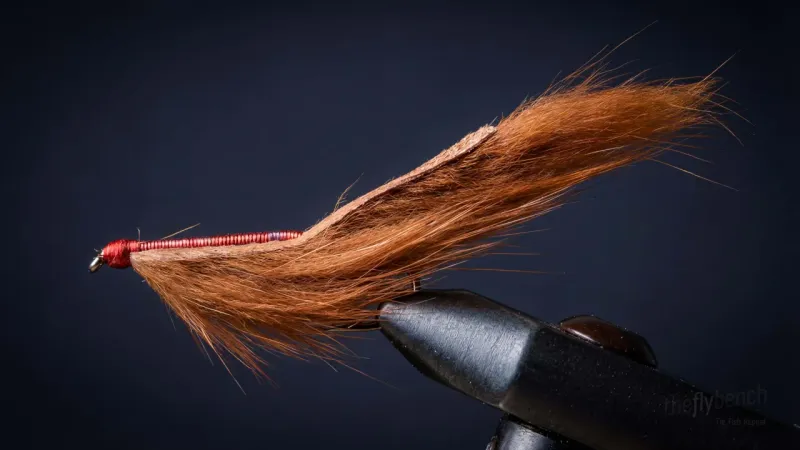
LeechBalanced Leech Bruised
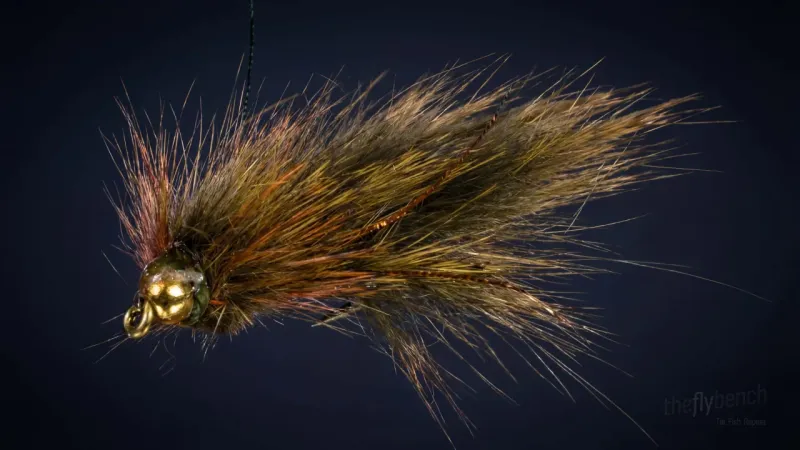
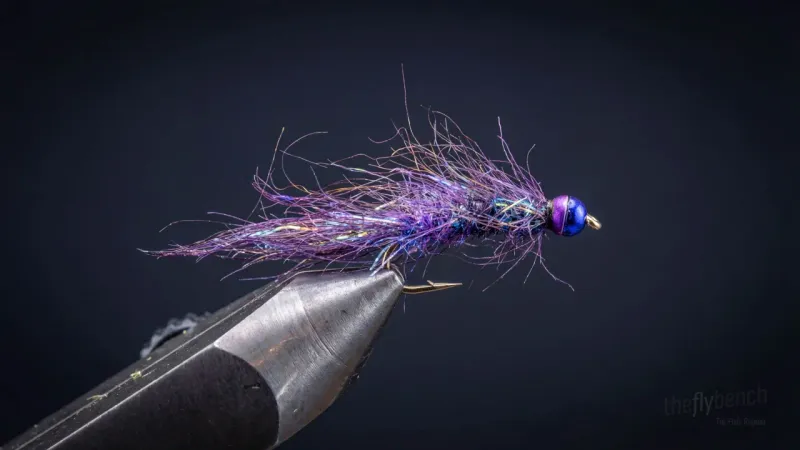
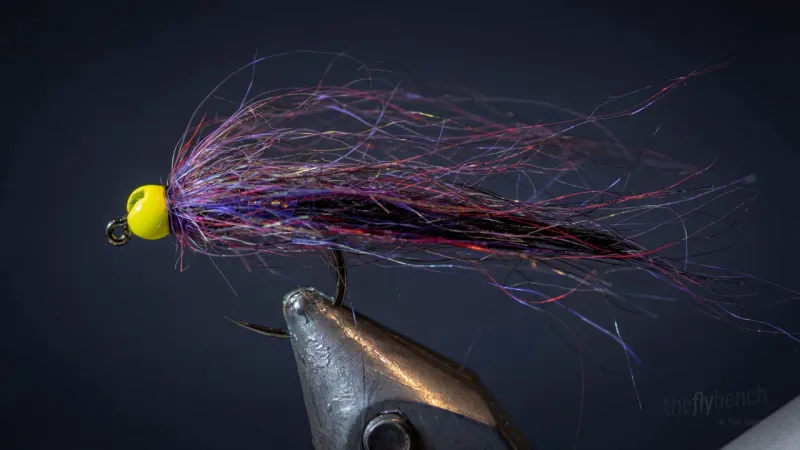
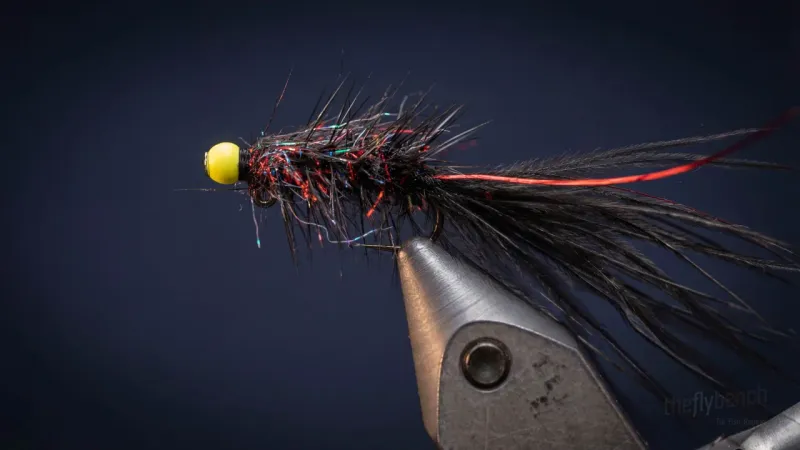
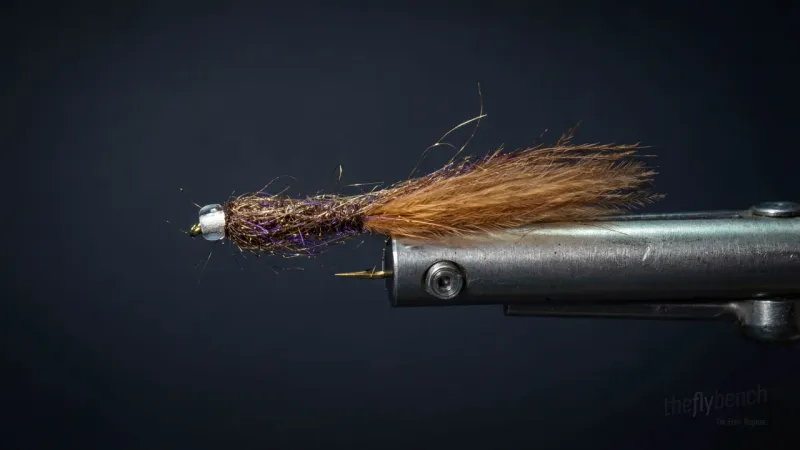
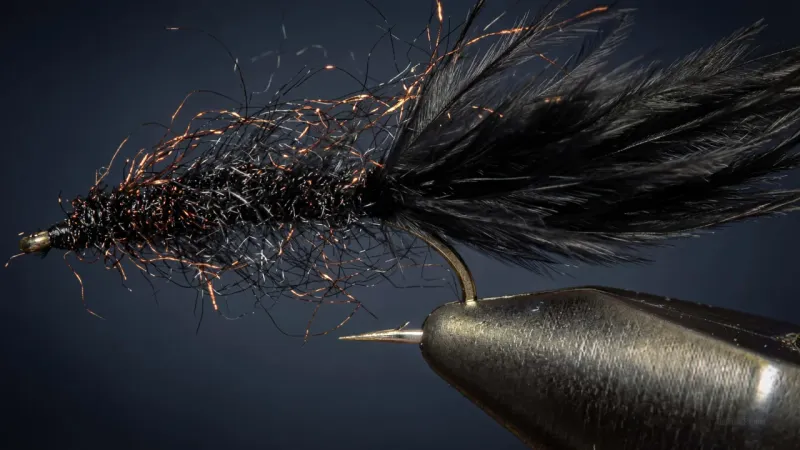
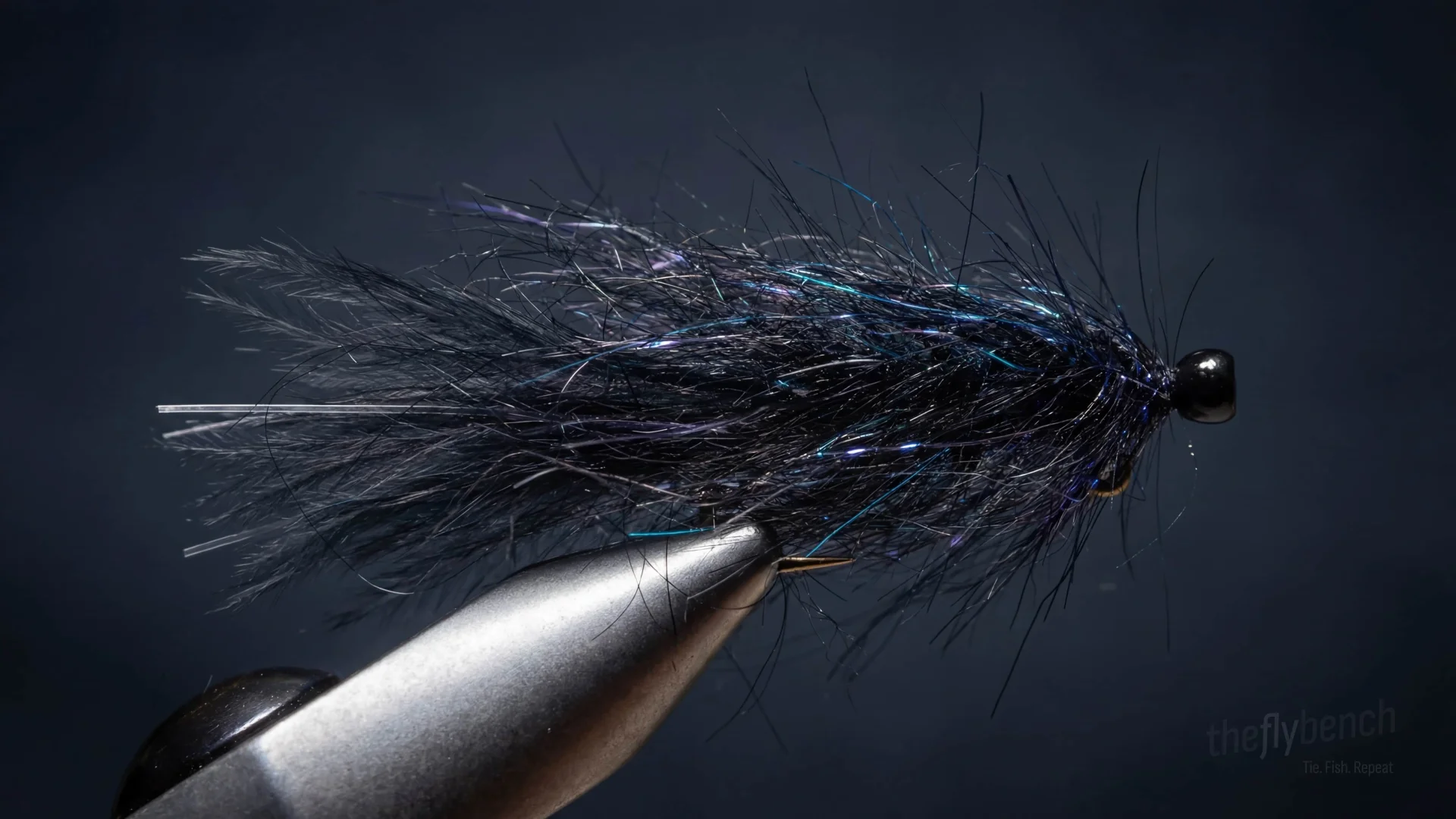
The Balanced Leech Bruised is a stillwater pattern designed for suspended presentations under an indicator. The bruised coloration combines black and blue for a subtle variation that often outperforms solid colors. Built with a pin-through-bead balance system, this fly hangs horizontally in the water column, presenting a natural leech profile to cruising trout. Phil Rowley's balanced leech designs have become essential patterns for stillwater anglers worldwide.
Year Round
Advanced
Trout
Dec 2025
Overview
This tightlinevideo pattern showcases the balanced leech technique popularized by Phil Rowley. The sewing pin extends through the tungsten bead, creating a balance point that allows the fly to suspend horizontally. The ice blue flash in the tail adds subtle attraction without overwhelming the natural black/blue profile. The bruised coloration mimics the iridescent qualities of natural leeches, which often show blue highlights against their dark bodies.
Materials
Hook: Heavy-wire jig hook (Daiichi 4640), #10
Thread: Black, 6/0 or 140-denier
Bead Base: Gold or silver sewing pin or sequin pin
Bead: Tungsten bead, 1/8" (3.2mm), black
Tail: Marabou fibers, black
Flash: Flashabou, ice blue
Body: Arizona Simi Seal dubbing, black/blue
Behavior & Presentation
Natural Behavior: Leeches exhibit distinctive pulsing swimming, extending and contracting in rhythmic sequences as they traverse open water. Frequent horizontal pauses between weed beds make them easy targets during resting phases.
Where Trout Eat It: Trout intercept this at specific depth zones in BC interior lakes where the black/blue bruised coloration with ice blue flash mimics iridescent natural leeches. Fish target it at cruising levels of 4-10 feet as it suspends horizontally over shoals.
How to Fish It: Attach leader to pin, not hook eye. Suspend under adjustable indicator at cruising depth and retrieve with slow 2-3 inch pulsing strips with pauses. The ice blue flash catches light during retrieve without alarming fish at Corbett and Stoney Lakes.
Best Water: Target drop-offs where shoals transition to deeper water at Corbett and Stoney Lakes. The balanced pin design excels over shallow shoals and along channel edges where trout cruise at predictable depths looking for horizontally-suspended prey.
Strike Type: Line draws tight with deliberate pull-down, often so subtle you'll question if it's a take or weed.
Fishing Strategy
Rigging Suggestions: Rig with the leader attached to the pin, not the hook eye. Use 12-15 foot leader with 4X-5X fluorocarbon tippet under an adjustable strike indicator. Set indicator depth to match fish-holding zone, adjusting throughout the day as fish move.
Seasonal Timing: lake effectiveness with peak performance during periods when trout are actively feeding on leeches. The balanced presentation excels when fish are cruising at specific depths.
Pro Tips: The black tungsten bead and black/blue body create a distinctive silhouette visible from below. The ice blue flash catches light and adds attraction.
Entomology
Leeches exhibit distinctive pulsing swimming motions, extending and contracting their bodies in rhythmic sequences as they traverse open water between weed beds. They frequently pause in horizontal suspension, becoming easy targets during these resting phases. Fish attack leeches because they represent high-calorie meals that require minimal energy to intercept, particularly when leeches are swimming slowly or hanging motionless in the water column between movement phases.
- Organism Type
- leech
- Life Stage
- general