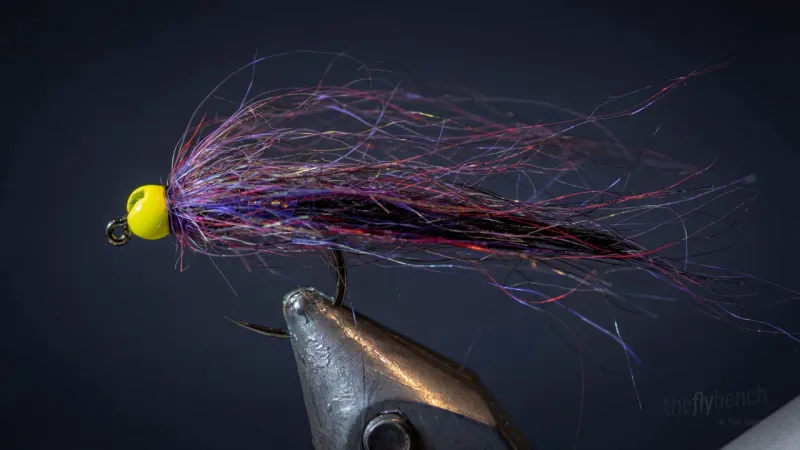
LeechBalanced Leather Leech
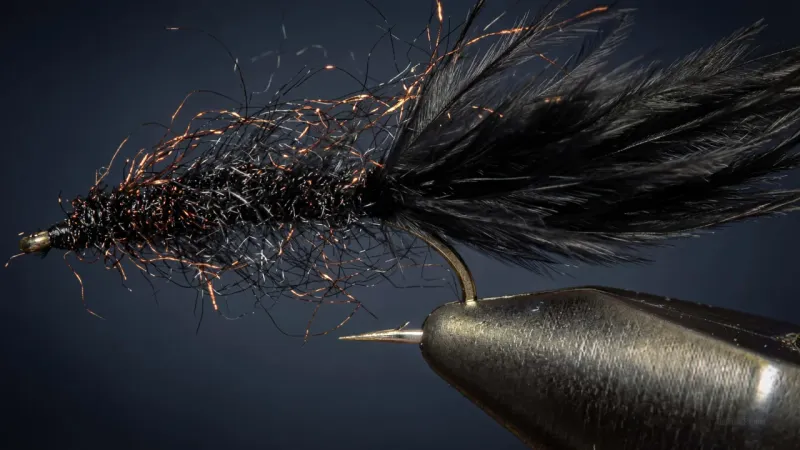
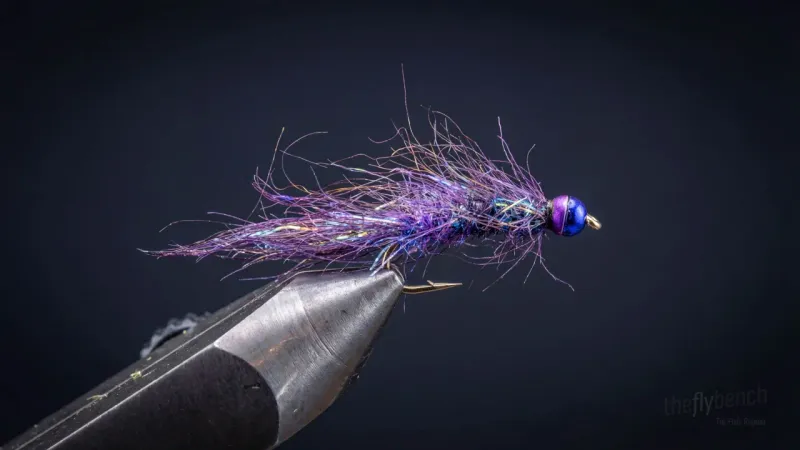
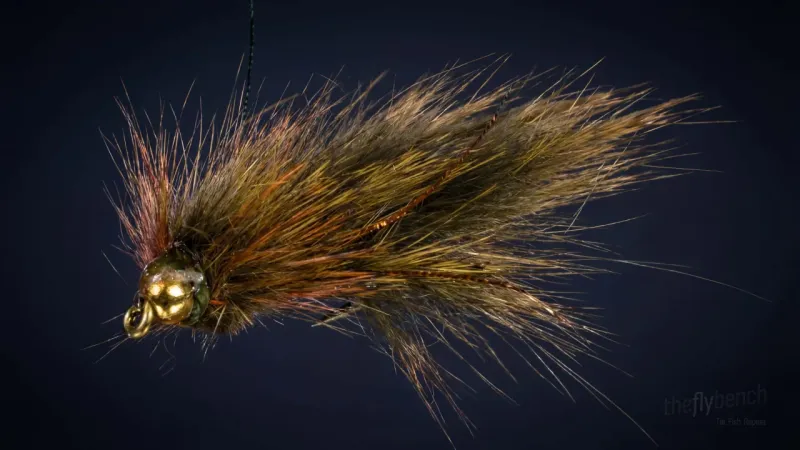
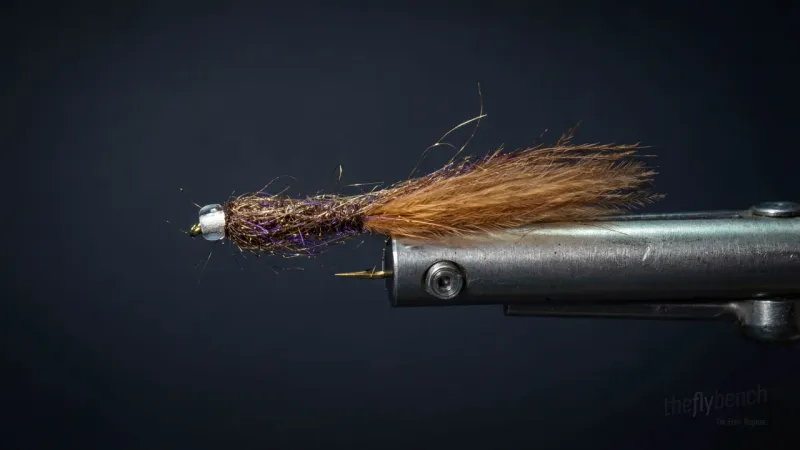
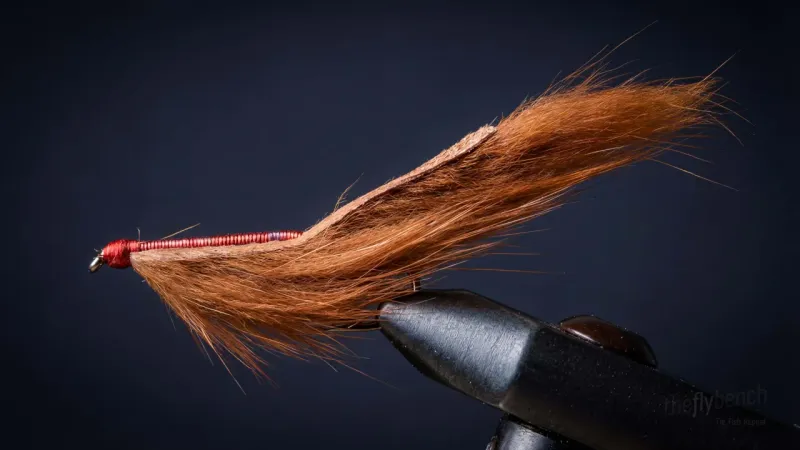
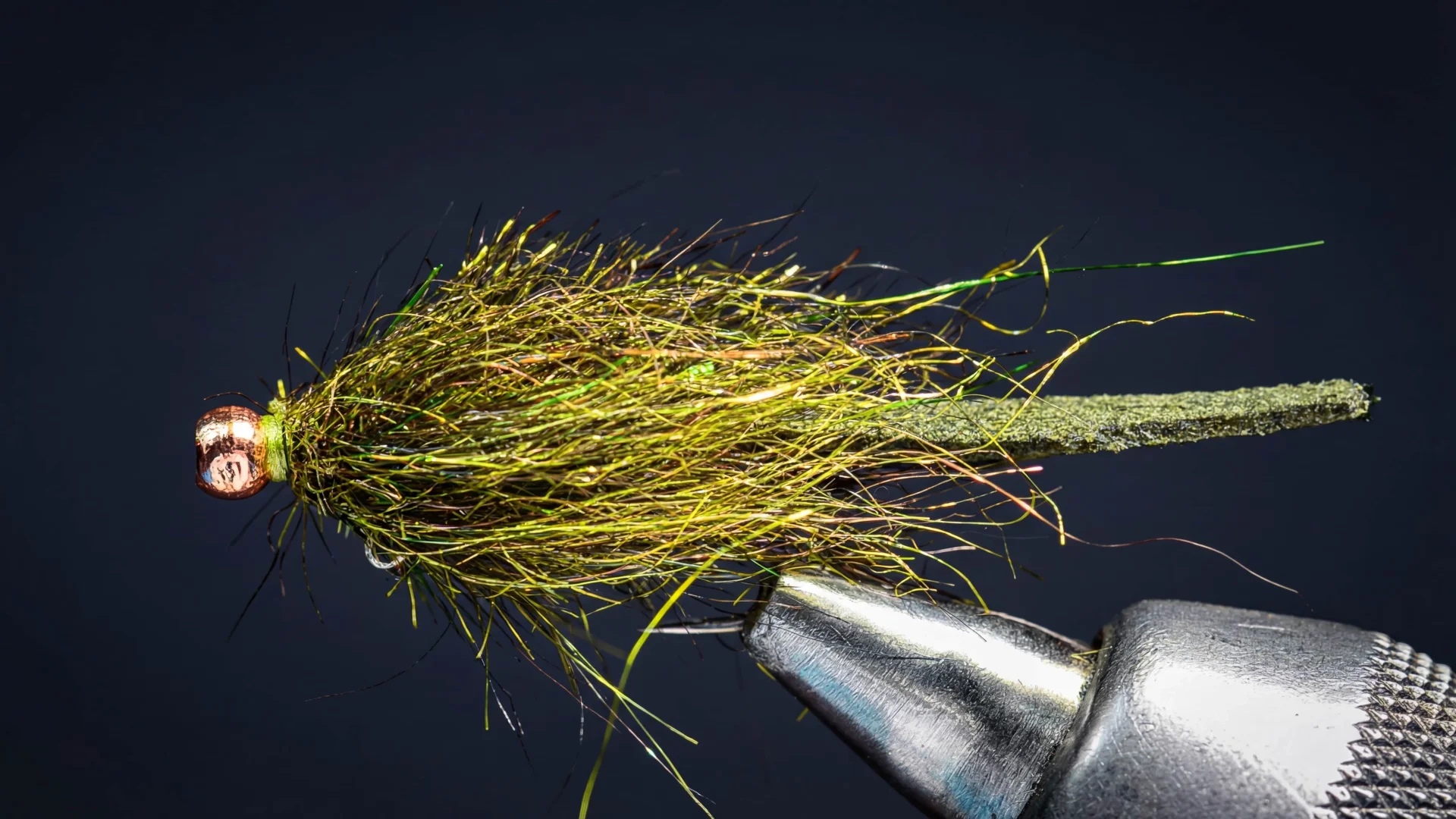
The Balanced Leather Leech is Matt Winkler's innovative stillwater pattern featuring an Ultrasuede tail that undulates seductively in the water. The balanced jig design suspends the fly horizontally under an indicator, presenting a natural leech profile to cruising trout. The leather-like material creates a unique swimming action that sets this pattern apart from traditional marabou leeches.
Year Round
Advanced
Trout
Dec 2025
Overview
This Fly Fisherman Magazine pattern by Matt Winkler demonstrates innovation in material selection. The Ultrasuede tail material, originally designed for fashion, creates a swimming action unlike any traditional fly tying material. The balanced design using a dressmaker's pin allows the fly to hang horizontally, mimicking a leech at rest. Winkler developed this pattern for competitive stillwater fishing where every advantage matters.
Materials
Hook: Umpqua XT500 jig hook, #10
Thread: Olive or black, 6/0 UNI-Thread
Shank: Dressmaker's pin
Bead: Tungsten bead, 1/8" (3.2mm), copper or black
Tail: Winkler's Leech Leather (Ultrasuede)
Body: Arizona Simi Seal dubbing
Behavior & Presentation
Natural Behavior: Leeches glide with wavelike body motions, alternating between active swimming and passive drifting. Their sucker-equipped bodies attach to structures but often float freely, creating vulnerable feeding opportunities throughout the water column.
Where Trout Eat It: Trout strike this Ultrasuede-tailed pattern over weed beds and along drop-off edges in competitive stillwaters where the horizontal presentation mimics pausing leeches. The slim tail creates unique undulating action even in minimal current that triggers strikes from cruising fish.
How to Fish It: Suspend under indicator in feeding zones with surface chop providing jigging while the fly stays horizontal with tail rolling. Tie with non-slip loop knot for maximum action. The Ultrasuede tail's natural taper creates realistic undulating movement whether suspended or retrieved.
Best Water: Fish shallow shoals less than 10 feet at Pyramid, Crowley, and Lake Davis where trout cruise over weed beds. The balanced design excels along undercut banks and behind boulders in rivers where the up-riding hook point avoids snags.
Strike Type: Indicator slides sideways or dips sharply as trout mouth the horizontally-positioned fly and turn.
Fishing Strategy
Rigging Suggestions: Rig as a balanced leech with the dressmaker's pin extending through the bead and past the hook eye. Tie leader to the pin, not the hook eye. Fish on 12-15 foot leader with 4X-5X fluorocarbon tippet under an adjustable strike indicator.
Seasonal Timing: effectiveness in lake with peak performance during periods when trout are actively hunting leeches. The unique tail action can trigger strikes even from pressured fish.
Pro Tips: The balanced design suspends the fly horizontally, presenting a more natural profile than vertical-hanging flies. The Ultrasuede tail moves with the slightest water current, creating constant subtle action.
Entomology
Leeches glide through stillwater environments with wavelike body motions, alternating between active swimming and passive drifting as they search for hosts or cover. Their sucker-equipped bodies can attach to structures but often float freely, creating vulnerable feeding opportunities. Trout pursue leeches because they provide substantial protein in relatively slow-moving packages, and their consistent availability throughout the season makes them a reliable food source that fish learn to recognize and target.
- Organism Type
- leech
- Life Stage
- general