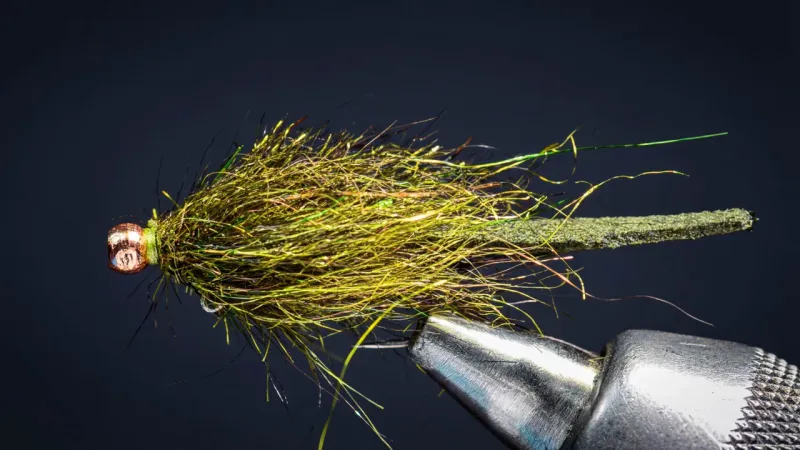
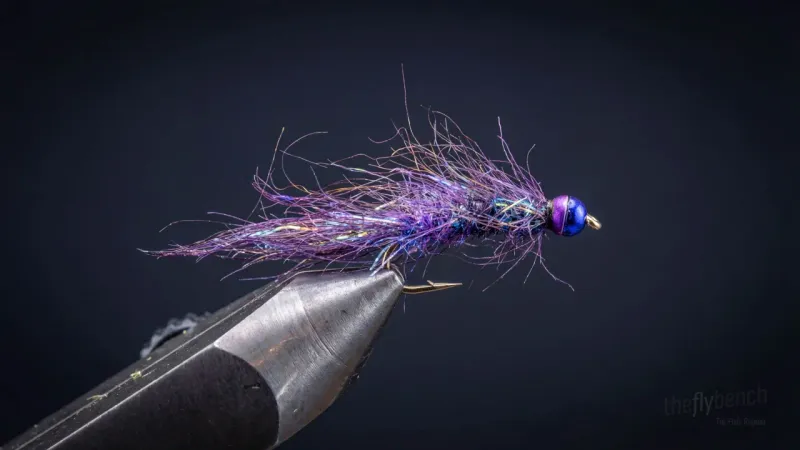
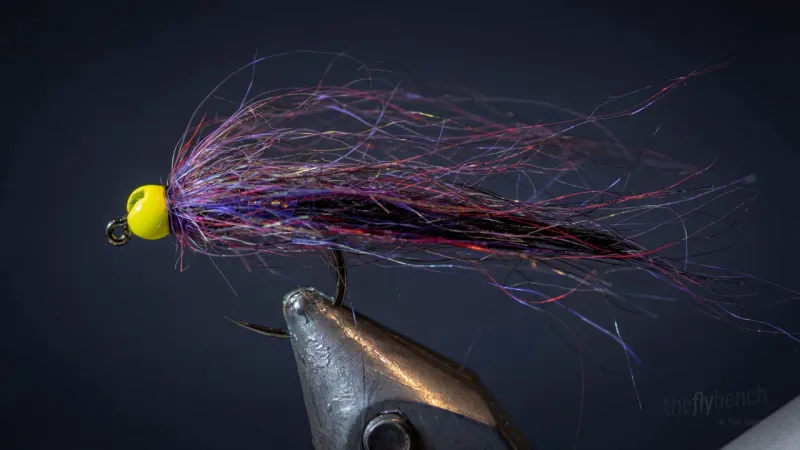
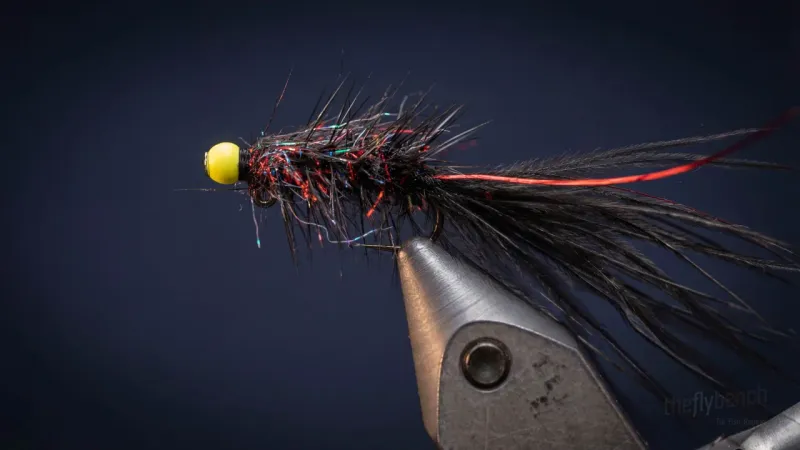
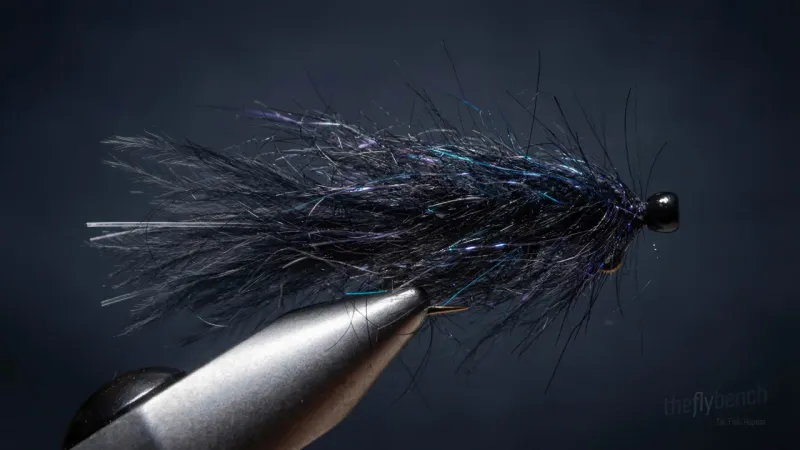
LeechWired Leech
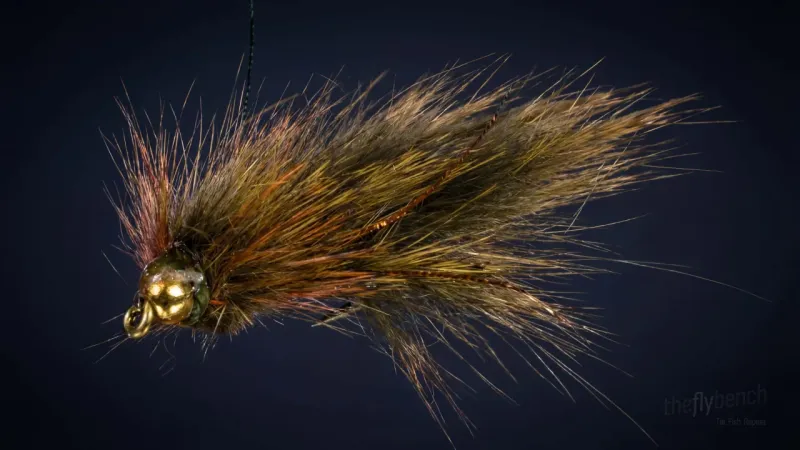
The Wired Leech is a weighted pattern that gets down deep and imitates a leech or large nymph. It's an excellent choice for targeting big, predatory trout.
Spring, Summer, Fall
Intermediate
Trout
Apr 2025
Overview
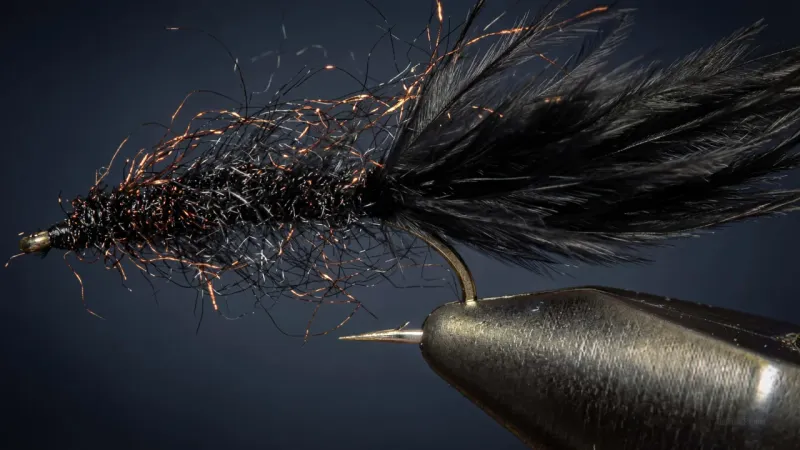
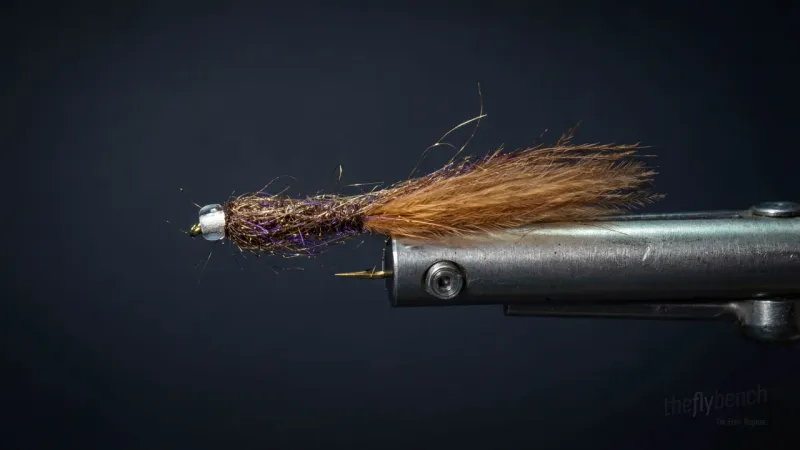
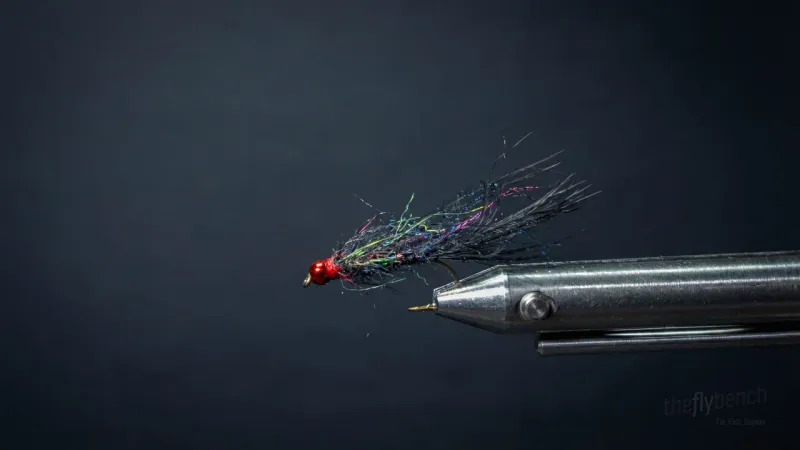
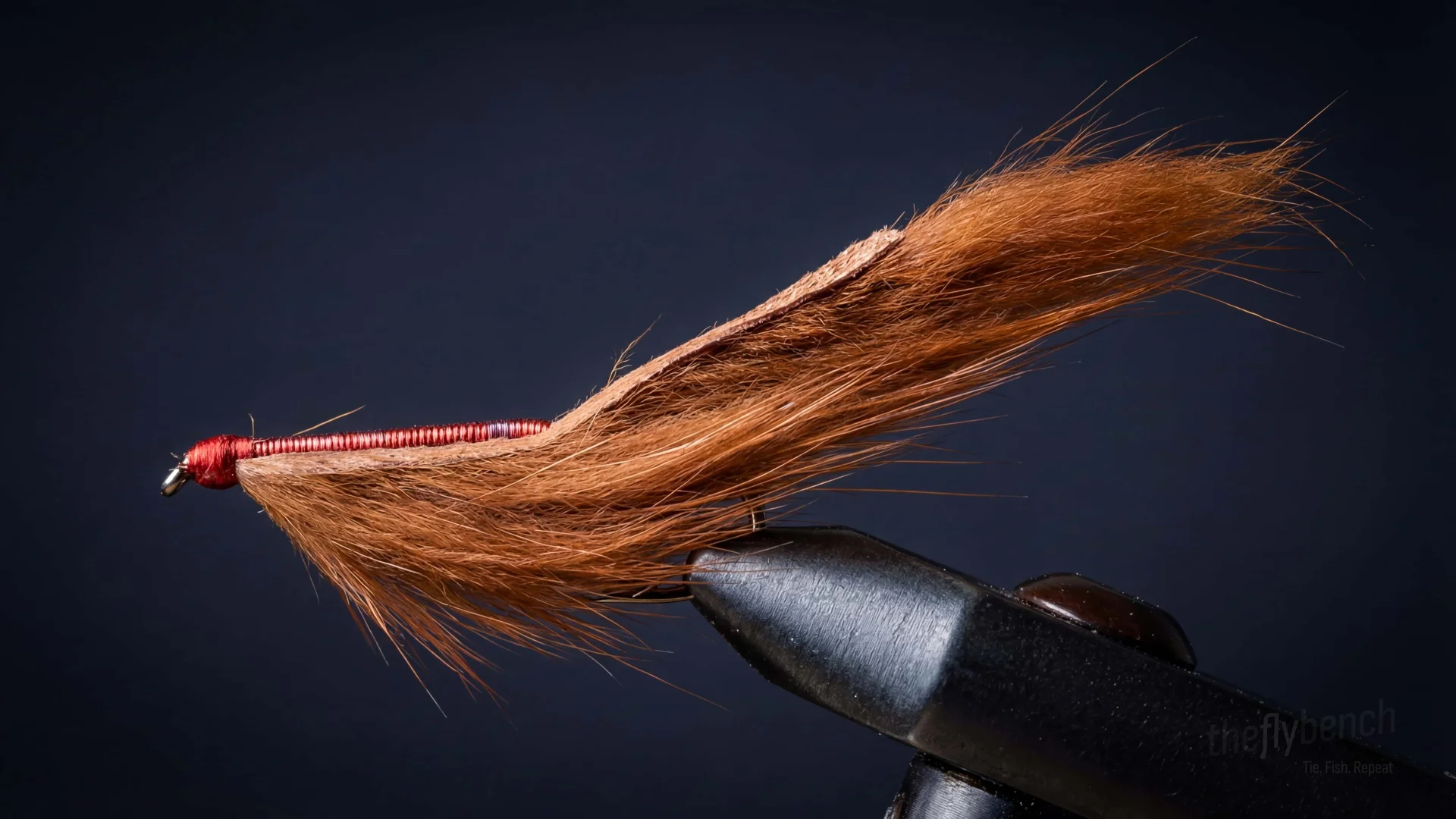
Built with a wire-wrapped body for weight and segmentation, this pattern uses a marabou tail for movement and sometimes a beadhead. Typically tied in black or purple, it's a great stillwater leech imitation and sinks quickly to the strike zone.
Where to Buy This Fly
We only link to fly shops we trust. Some links are referral links, which may earn us a commission at no extra cost to you.
Materials
- Hook:
- #04-10 Tiemco 5263
- Thread:
- Red UTC 140
- Tail:
- Brown Zonker Rabbit
- Body:
- Brassie or Medium Red Wire
Behavior & Presentation
Natural Behavior: Leeches swim with undulating whole-body motions, creating serpentine wave patterns before pausing motionless. Their slow, predictable swimming makes them high-value targets requiring minimal energy expenditure to capture.
Where Trout Eat It: Trout hunt leeches throughout the water column in lakes, particularly near weed edges and drop-offs during leech swimming migrations. The wire-wrapped body positions this as fast-sinking option for deeper water (6-12 feet) compared to lighter leech patterns that struggle to reach depth.
How to Fish It: Use slow, steady retrieves with 4-8 inch pulls and long pauses, fishing near bottom. Work the pattern with slow pulls of 1-3 inches, pausing occasionally for 2-5 seconds. In very cold water, use fairly catatonic approach; as water warms, increase retrieve speed to animate marabou tail.
Best Water: Work weed edges, drop-offs, and shoals in lakes with 6-12 foot depths. The wire segmentation and weighted body excel in deeper zones. Focus on rocky bottoms and structure transitions in lakes and reservoirs.
Strike Type: Feel a steady draw as fish grip the fly and turn—set with a firm strip, not a trout-set.
Fishing Strategy
Rigging Suggestions: Use 3X-4X fluorocarbon tippet (8-12 lb test) on 9-12 foot leaders. In lake, use full sinking lines (Type III-V). For rivers, sink-tip lines or weighted leaders work well.
Seasonal Timing: Most productive April through October, with peak effectiveness May-June and September-October when leech activity increases. Water temperatures 48-65°F trigger the most feeding.
Pro Tips: The wire ribbing creates segmentation and adds durability. The weighted body gets the fly down quickly.
Entomology
Leeches undulate through water with rhythmic, serpentine motions, contracting and extending their segmented bodies to propel themselves while occasionally pausing to drift or swim toward potential hosts. Fish consume them opportunistically because leeches are slow-moving, protein-dense targets that offer minimal escape capability once detected.
- Organism Type
- leech
- Life Stage
- general