Overview
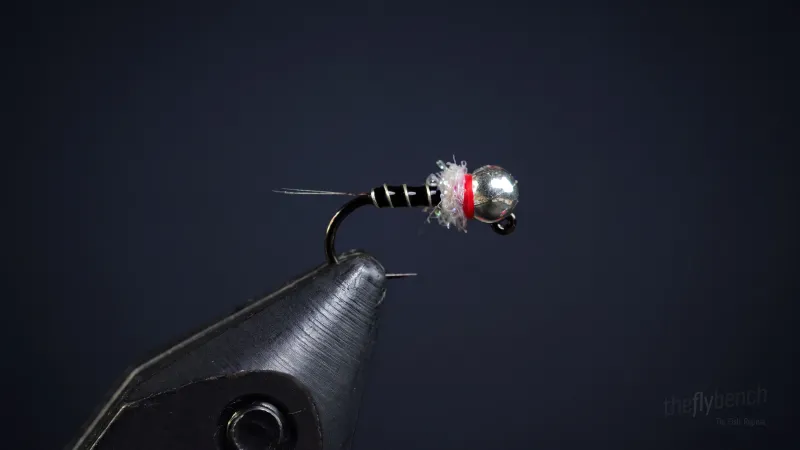
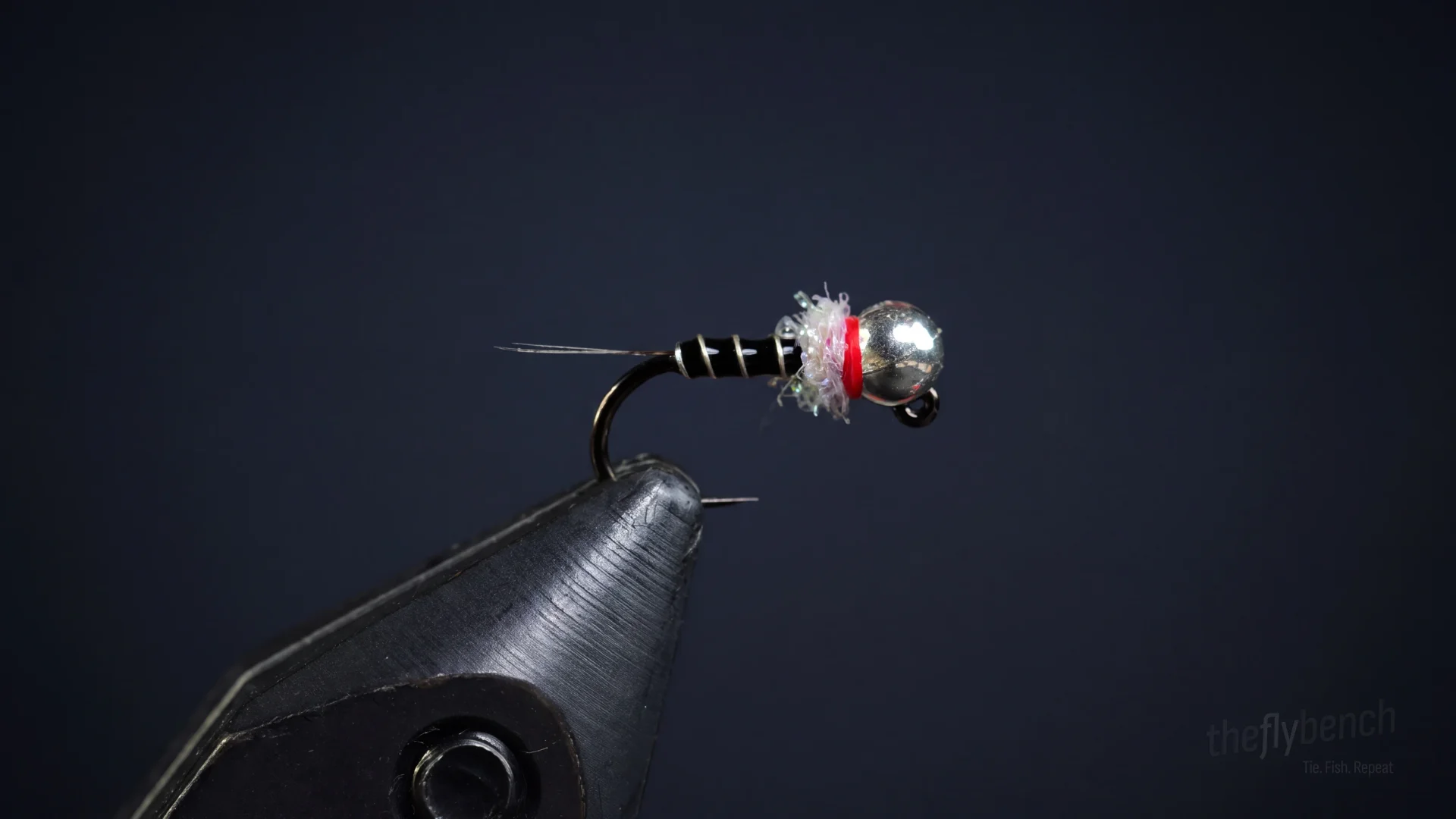
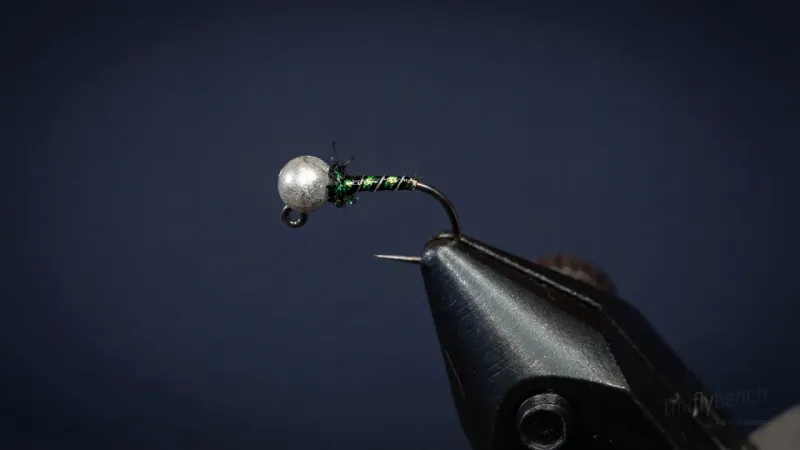
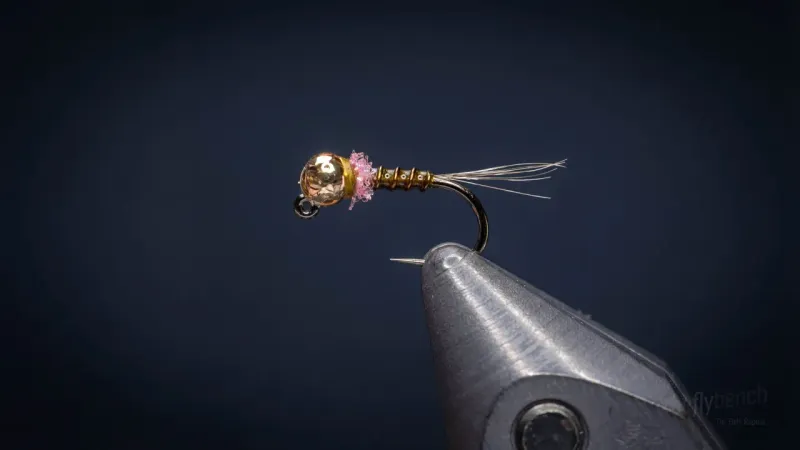
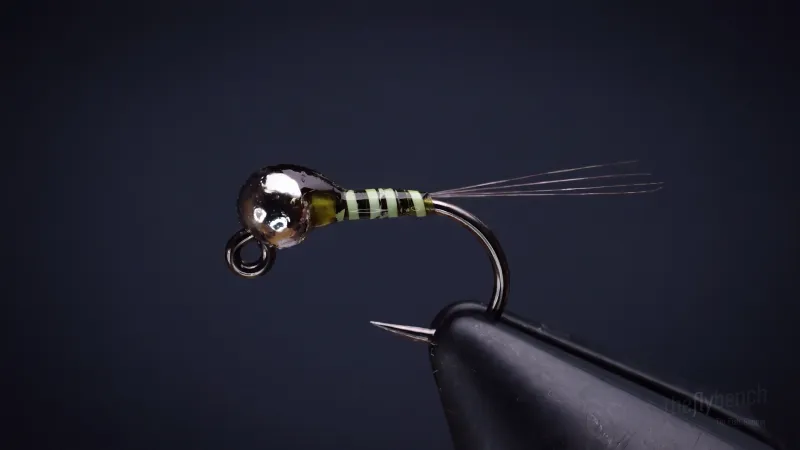
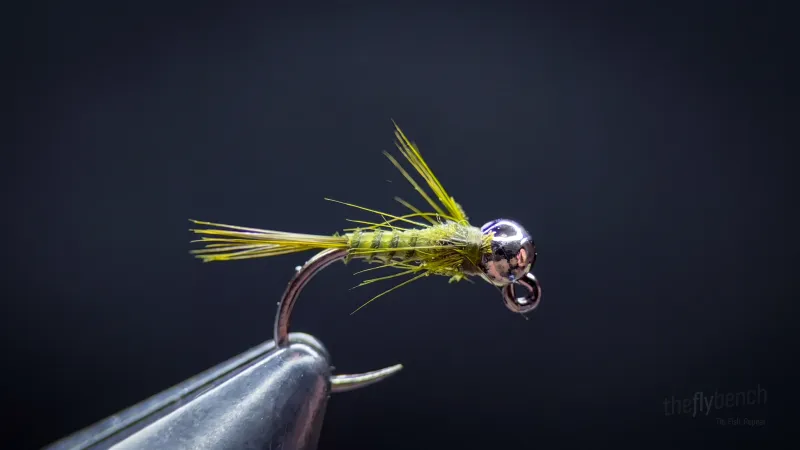
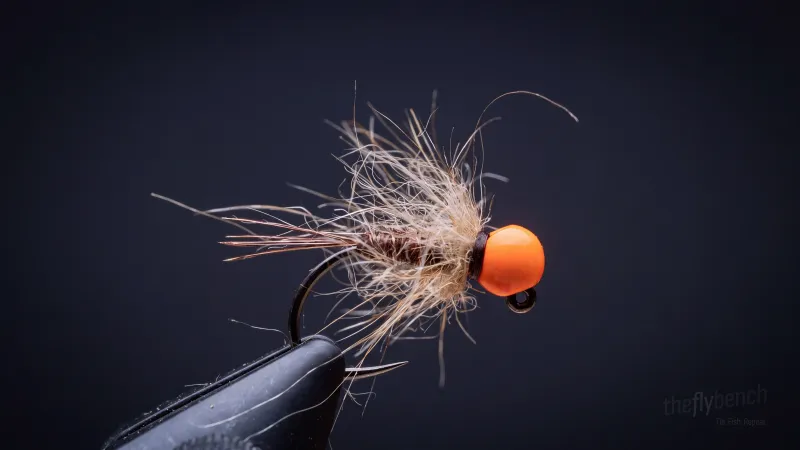
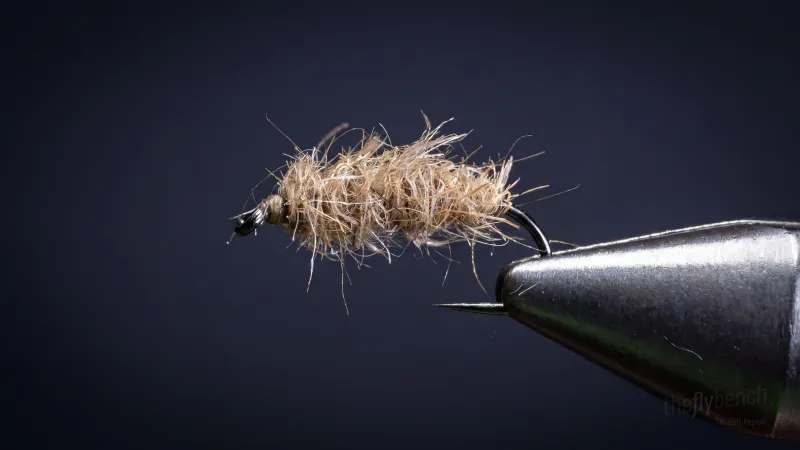
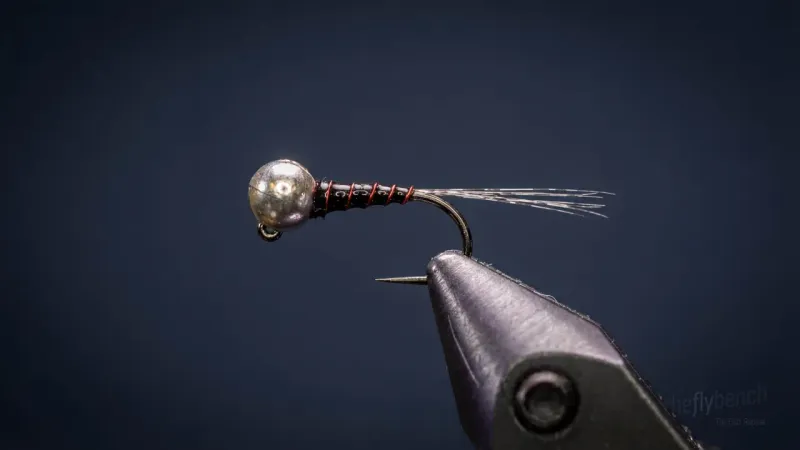
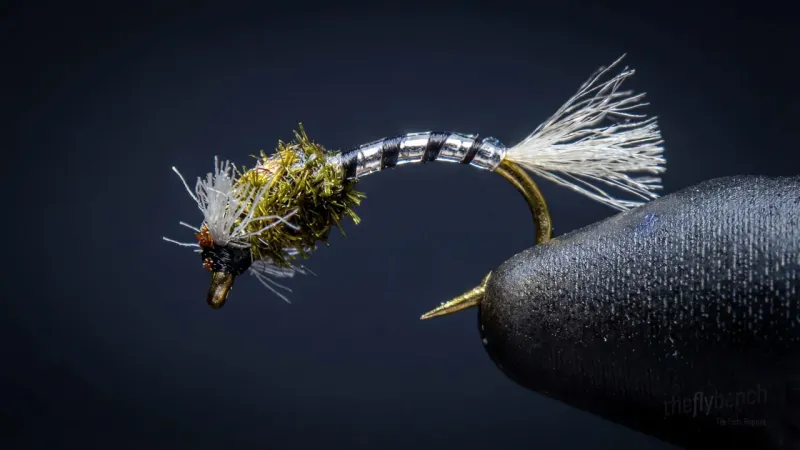
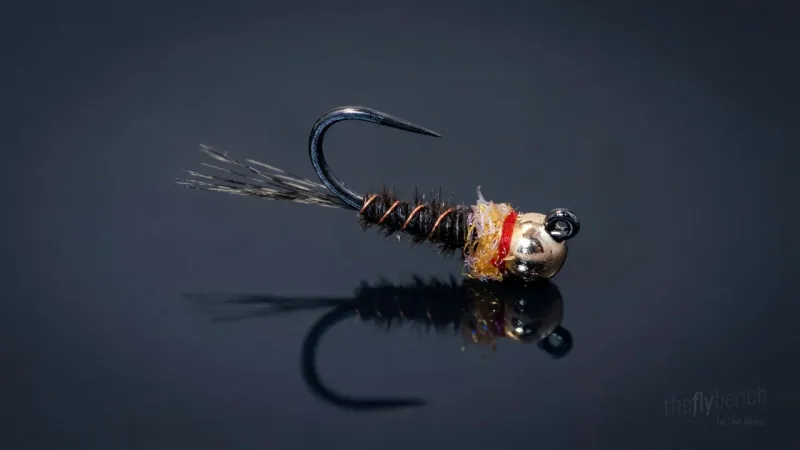
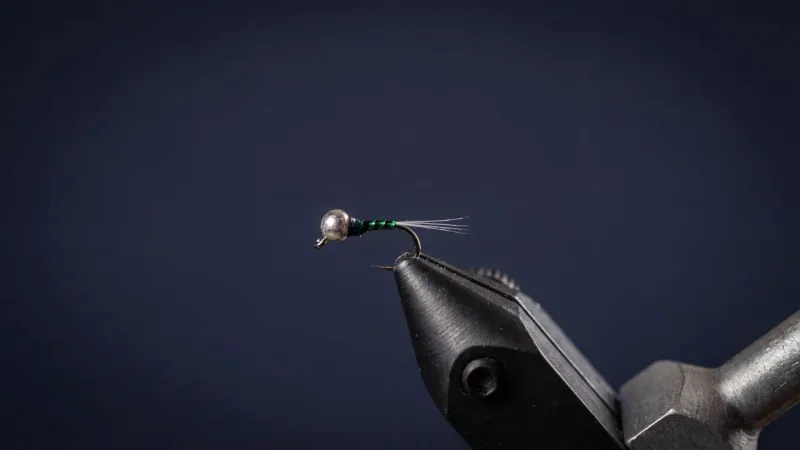
Lance Egan built this fly on the same platform as his olive Thread Frenchie, swapping in a darker color scheme. A thin coat of resin over the black thread body makes it dense, durable and quick to sink. Two threads are used: black for the body and fire orange for a narrow collar behind the silver bead. Fly Fish Food recommends it under a dry, under an indicator, on a euro rig, and as a chironomid in lakes.
Related patterns
Behavior & presentation
- Natural Behavior
- Dark midge pupae rise slowly from silty bottoms, hanging nearly motionless in the column while gas trapped under the skin gives them a faint silver sheen.
- Where Trout Eat It
- In rivers, trout pick off pupae drifting near the bottom in slow tailwater glides. In lakes they cruise just above weed beds and mud flats, eating pupae suspended a foot or two off the bottom.
- How to Fish It
- On a tight line in rivers, letting the slim jig drop through the seam and lead it downstream at current speed. In lakes, hang it under an indicator at depth and let the wind add a slow drift.
- Best Water
- Soft seams beside fast water, tail-outs above riffles, slow inside bends, and drop-offs at the edge of shoals and weed beds in lakes.
- Strike Type
- Tight-lined in rivers, the sighter twitches or stalls mid-drift. Under an indicator in lakes, the float slides off slowly or dips an inch, so set on any change.
Fishing strategy
- Rigging Suggestions
- Run it as the top or point fly on a euro rig with 5X-6X fluorocarbon, or hang it 18-30 inches under a buoyant dry. In lakes, fish it under a quick-release indicator with the fly set about a foot off the bottom.
- Seasonal Timing
- Works year round. It is strongest during winter midge activity on tailwaters and spring and fall chironomid emergences in lakes, roughly March-June and September-October.
- Pro Tips
- The silver bead, silver wire and pearl thorax stand out in off-color or low light, where olive versions disappear. Carry it beside the olive Thread Frenchie and switch colors before changing patterns. Change bead size, not hook size, to fish deeper water.
Entomology
- Order
- Diptera
- Family
- Chironomidae
- Common name
- Midge
- Organism
- insect
- Life stage
- pupa
Pattern details
- Moving Water
- Stillwater
- Rocky Mountain
- tight-line-nymph
- competition
- dead-drift
- indicator-nymph
- dry-dropper
- midge-hatch
- attractor
- modern
- tailwater