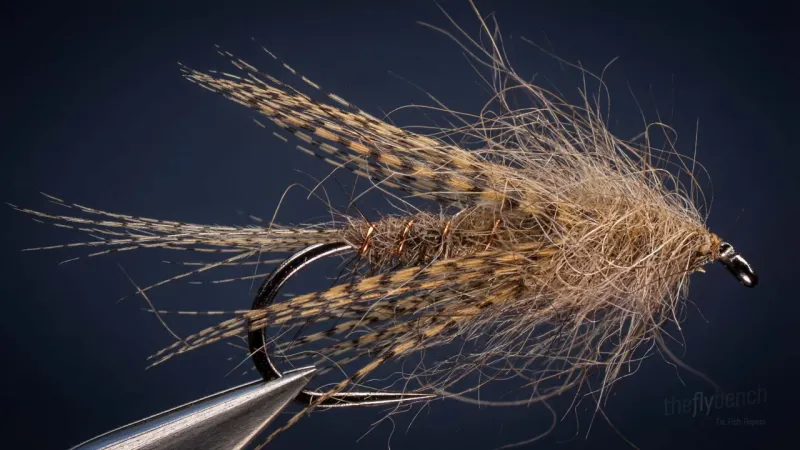
Midge / EmergersMicro Madison Midge
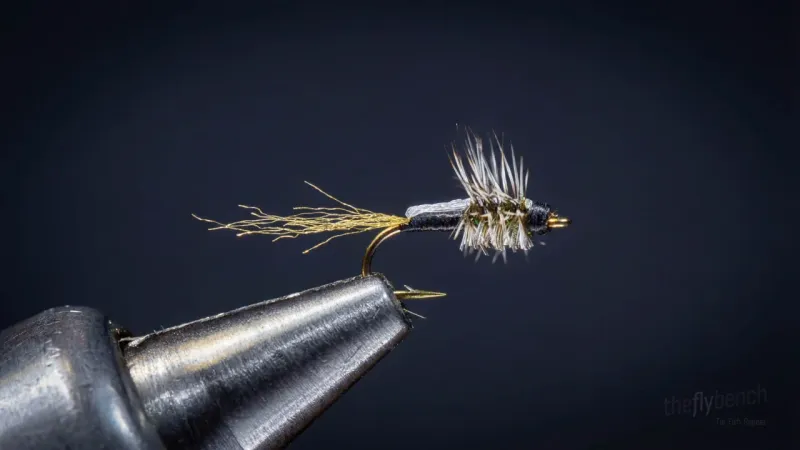
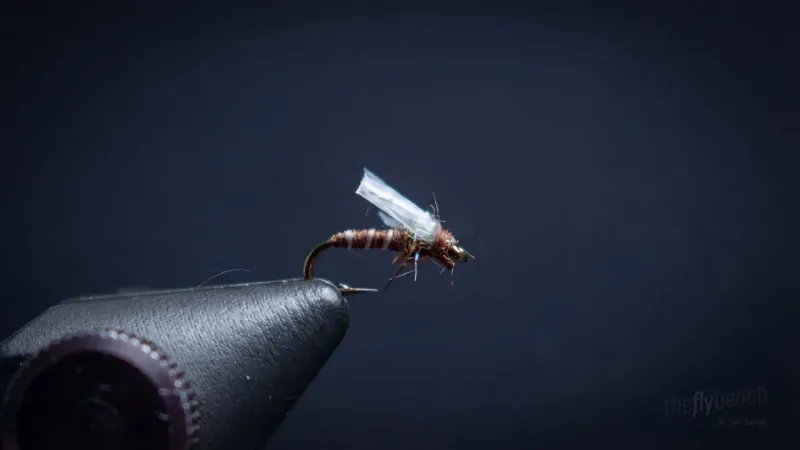
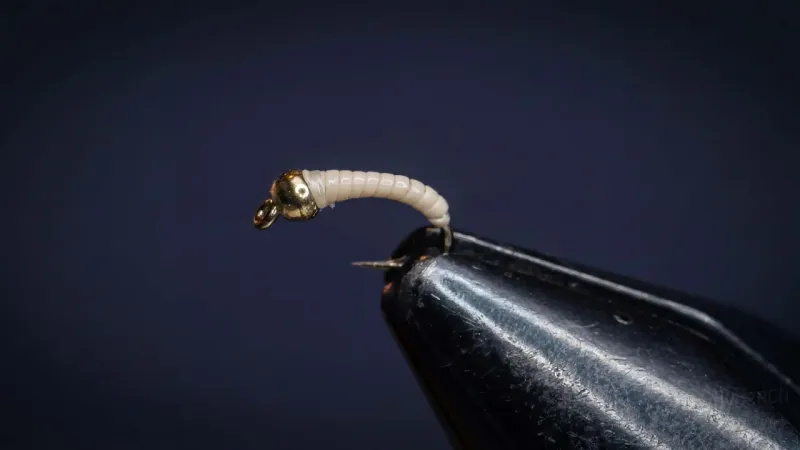
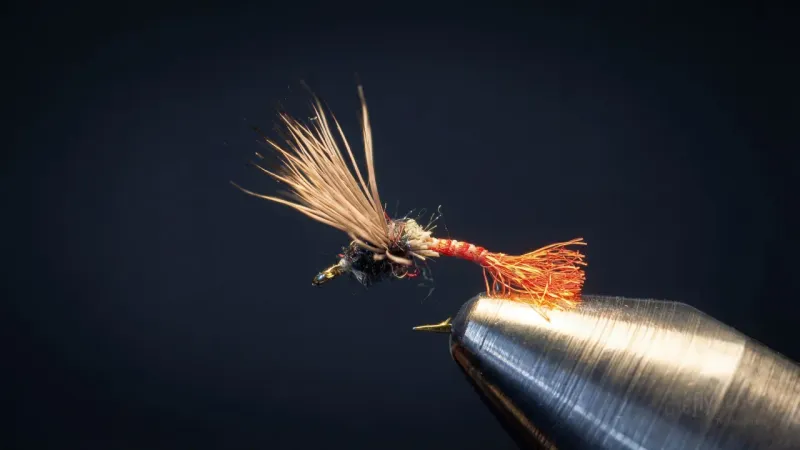
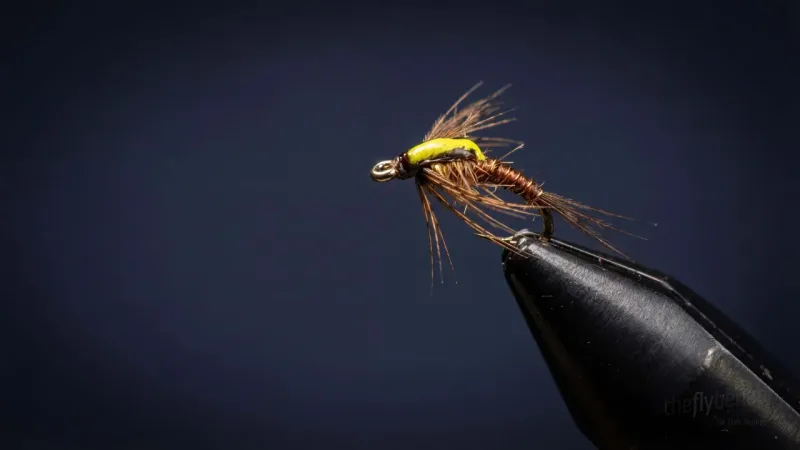
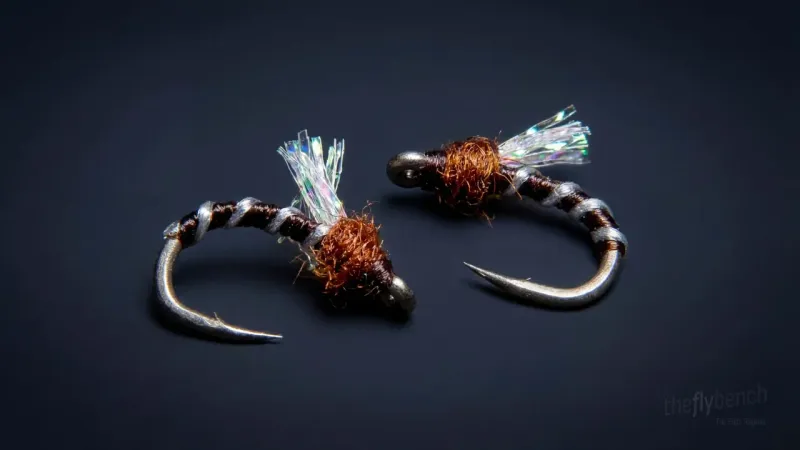
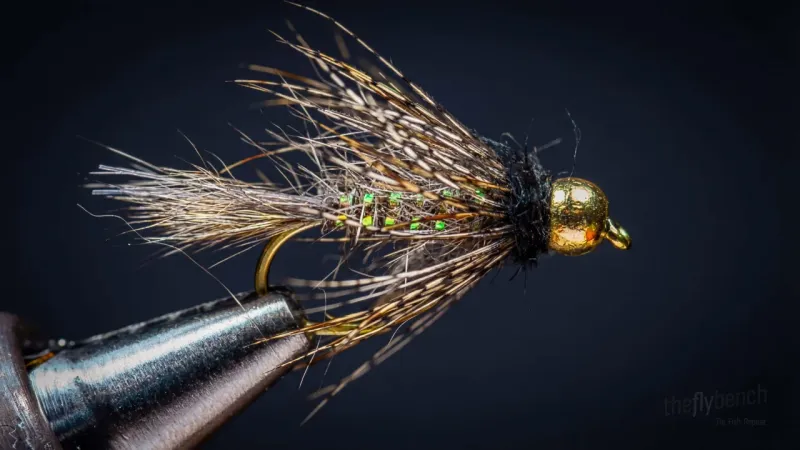
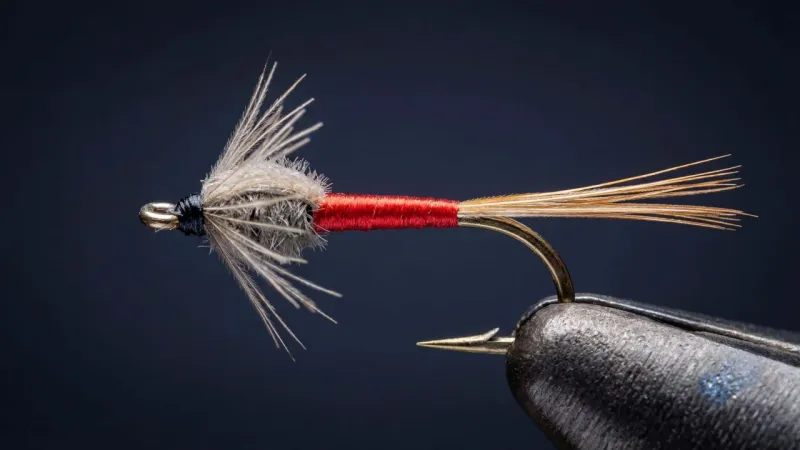
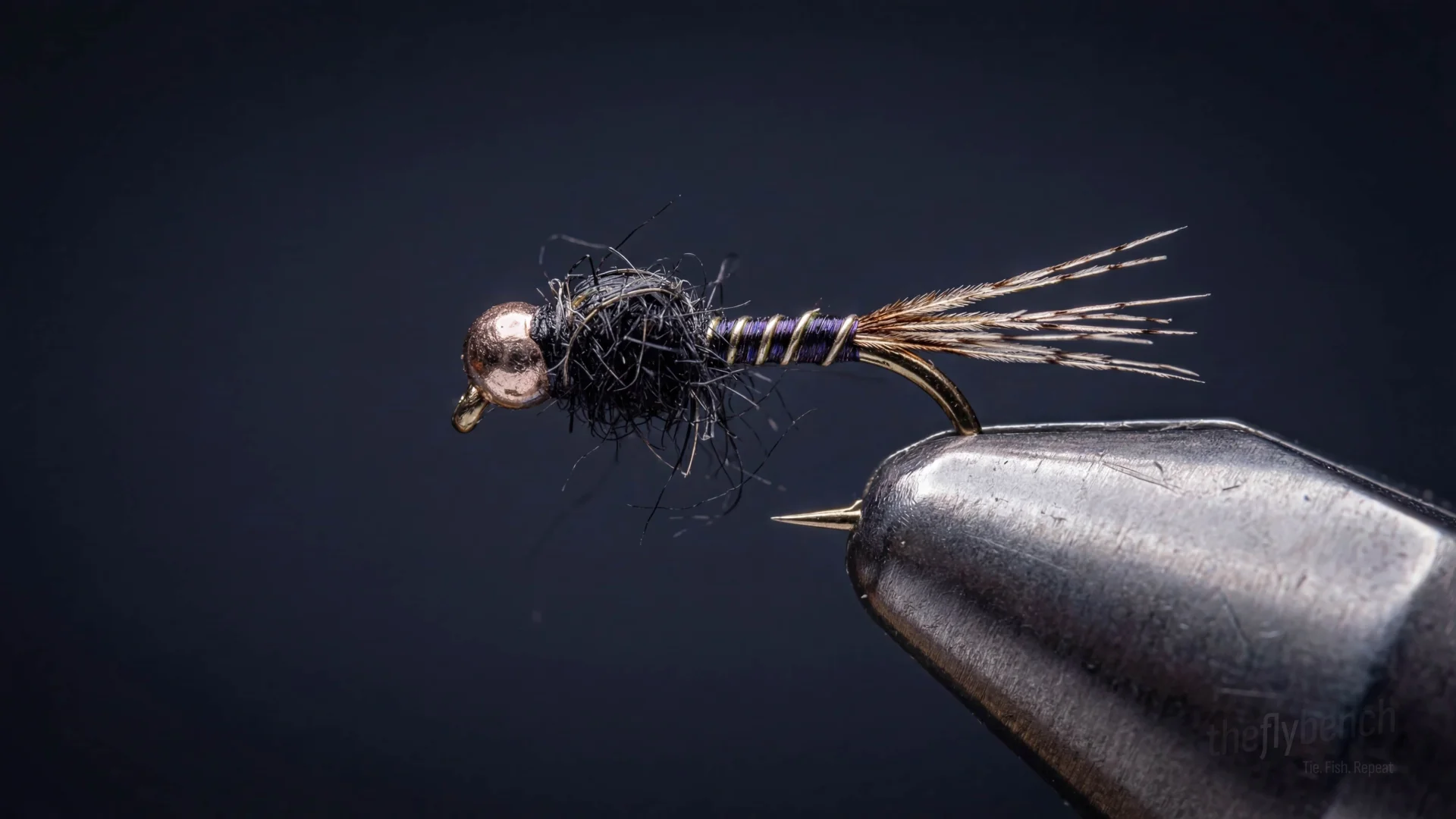
The Micro Madison Midge is a diminutive midge pattern developed for the selective trout of the Madison River. The size 20 hook with nickel bead creates a compact, realistic midge pupa imitation. The partridge tail, black Zelon dubbing thorax, and opal mirage wing case combine to create an effective pattern for technical midge fishing.
Year Round
Intermediate
Trout
Dec 2025
Overview
The Micro Madison Midge shares DNA with its Baetis counterpart but is optimized for midge imitation with a smaller hook and black dubbing. The pattern works on technical tailwaters and spring creeks where trout feed selectively on tiny midges. Despite its small size, the nickel bead provides adequate weight for effective presentations.
Materials
Hook: Tiemco 3769 or Umpqua U105, #20
Thread: Uni-Thread, 8/0, black
Bead: Brite Bead, 1/16", nickel
Tail: Hungarian Partridge, natural
Rib: Ultra Wire, small, silver
Thorax: Zelon Dubbing, midge black
Wing Case: Mirage Opal Tinsel, medium
Behavior & Presentation
Natural Behavior: Midge pupae ascend slowly from bottom to surface in vertical orientation, hanging suspended at multiple depths during gradual emergence. This multi-minute ascent phase creates feeding opportunities throughout the entire water column.
Where Trout Eat It: Fish feed on ascending pupae suspended mid-column and in the surface film, particularly in tail-outs and slicks. Gentle currents allow trout to intercept slowly rising insects with minimal energy expenditure.
How to Fish It: Indicator presentations with no movement allow proper suspension depth, while slow hand-twist retrieves can imitate gradual ascent. Drag-free drift in the water column matches natural pupa behavior.
Best Water: Prioritize tail-outs with slow currents for suspended feeding, foam lines concentrating emerging midges, and slicks where fish inspect ascending pupae.
Strike Type: Minimal resistance or slight indicator movements signal delicate takes requiring patient observation before setting.
Fishing Strategy
Rigging Suggestions: Fish as a dropper in a midge tandem rig or below a larger nymph. Use 6X-7X tippet for proper presentation.
Seasonal Timing: Effective year-round during midge activity. Particularly productive in and early when midges dominate.
Pro Tips: Sinks readily despite small size. The opal wing case provides subtle visibility.
Entomology
Microscopic midge larvae and pupae drift in the water column, appearing as tiny dark specks that accumulate in slack water zones. Fish feed selectively on these minute organisms when larger prey is scarce, often consuming hundreds in a single feeding session.
- Order
- Diptera
- Family
- Chironomidae
- Common Name
- Midge
- Organism Type
- insect
- Life Stage
- general