Midge / EmergersImproved Zelon Midge
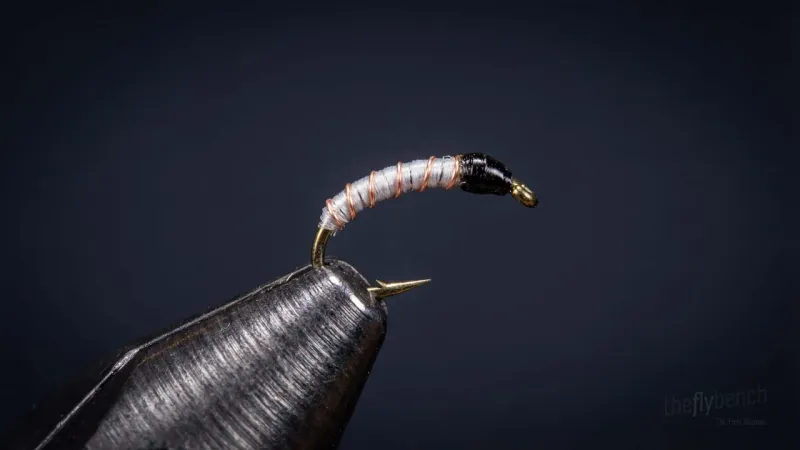
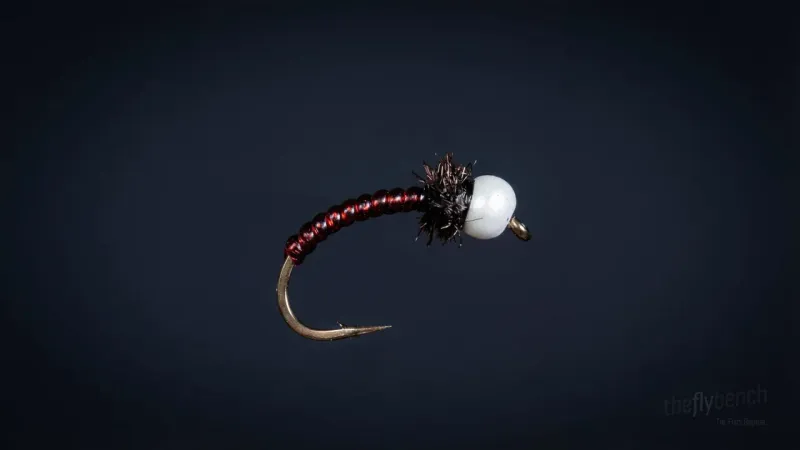
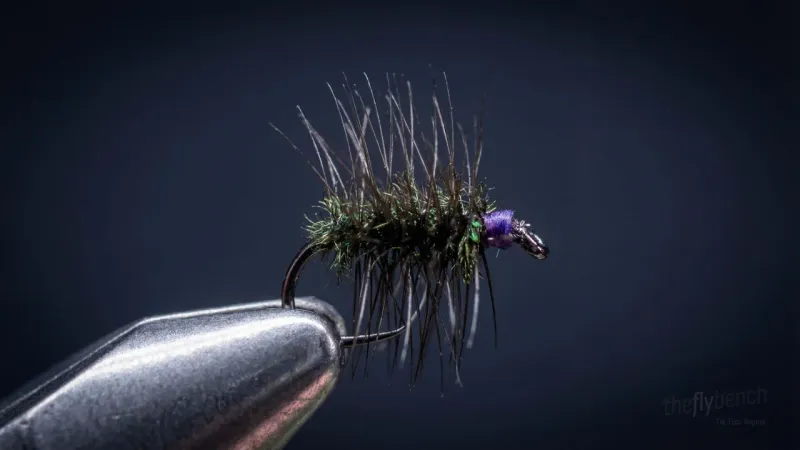
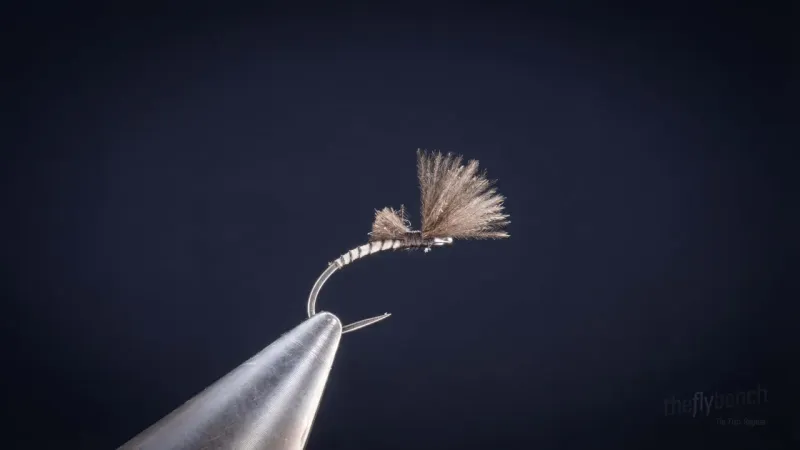
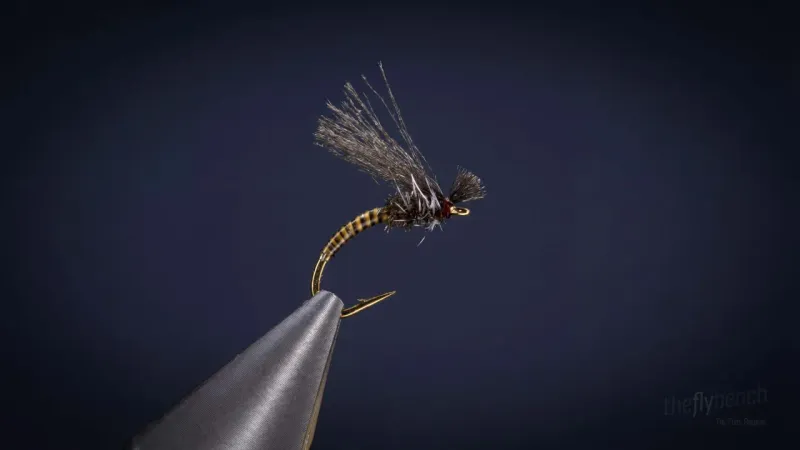
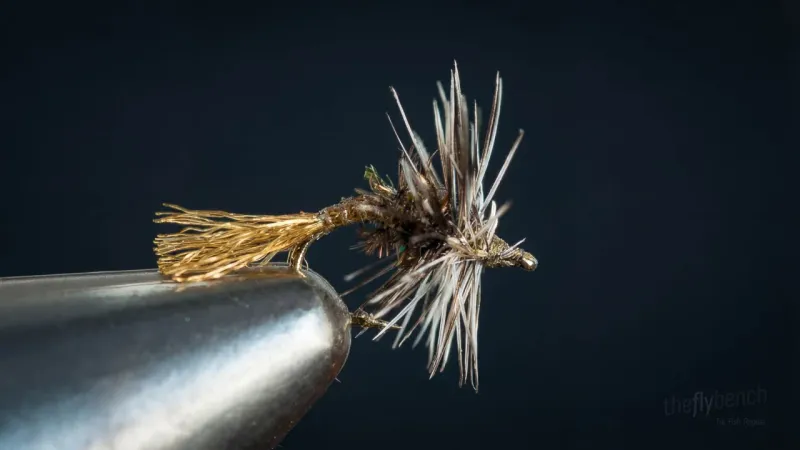
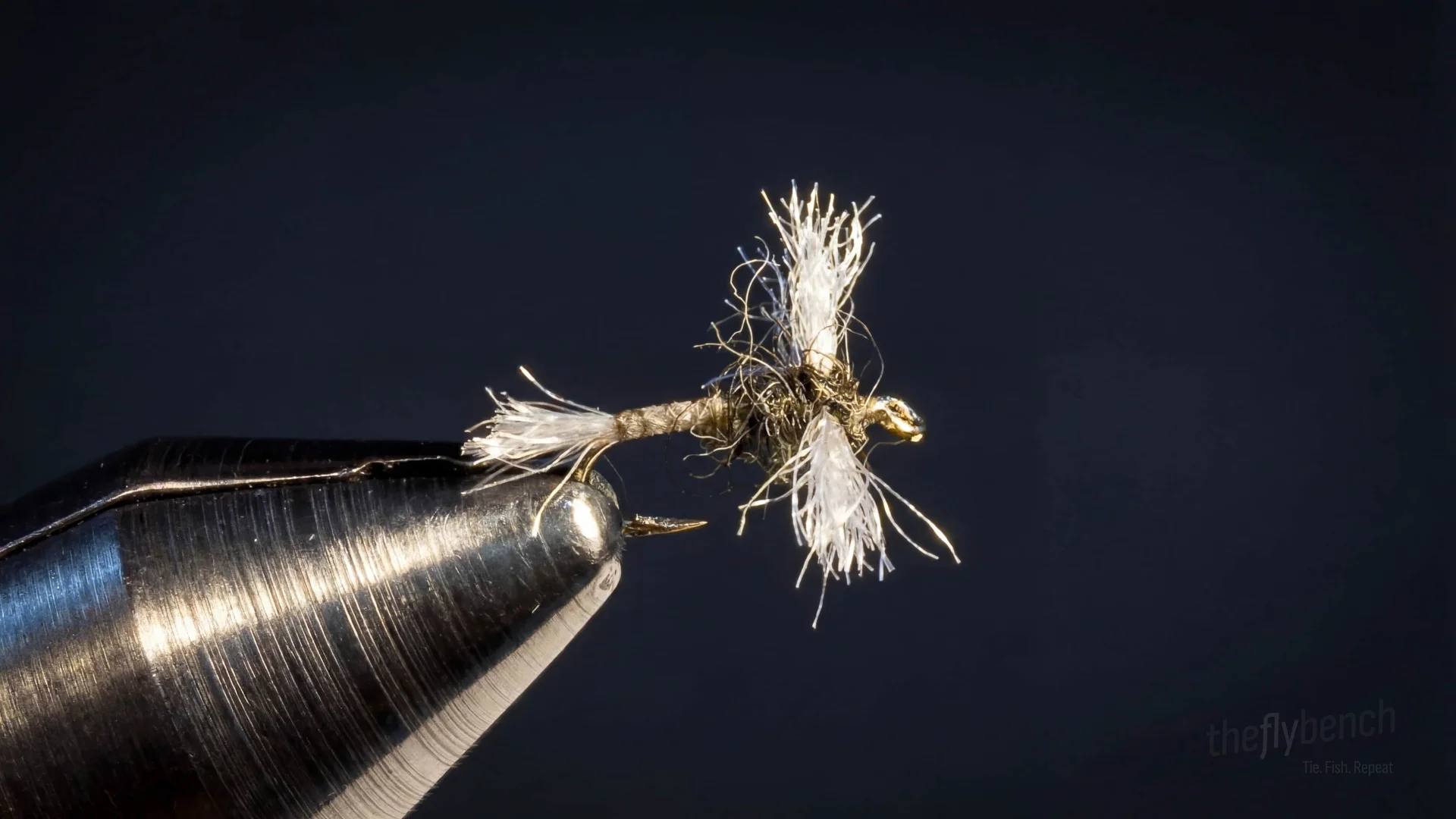
The Improved Zelon Midge is a refined midge emerger pattern that uses Zelon for both the shuck and wings to create a translucent, natural appearance. The minimalist design with black Zelon dubbing thorax rides low in the surface film where selective trout focus during midge activity. This pattern excels on technical waters.
Year Round
Intermediate
Trout
Dec 2025
Overview
The Improved Zelon Midge was developed at Blue Ribbon Flies for the challenging midge fishing common on spring creeks and tailwaters. The all-Zelon construction creates a translucent profile that mimics the delicate appearance of natural midge emergers. This pattern represents the refinement of several generations of midge patterns.
Materials
Hook: Tiemco 2488 or Umpqua U201, #20-24
Thread: Uni-Thread, 8/0, olive dun
Shuck: Straight Zelon, midge grey
Wing: Straight Zelon, midge grey
Thorax: Zelon Dubbing, midge black
Behavior & Presentation
Natural Behavior: Midge pupae ascend slowly through the water column, pausing at various depths as gases accumulate in pupal shucks. Their translucent bodies and helpless drifting make them irresistible prey during sustained emergences.
Where Trout Eat It: Trout sip film-trapped emergers in Madison River and Firehole River spring creek glides and tailwater slicks where the all-Zelon translucency mimics delicate midge pupae. Fish feed selectively on individual emergers during heavy emergence when the translucent profile stands out.
How to Fish It: Present with 6X-7X tippet (or finer for 22-24) in drag-free drift, treating each fish individually since different trout may key on different midge stages. The translucent zelon body rides high and dry, working better than subsurface pupal patterns even during heavy emergence.
Best Water: Spring creek flats with complex microcurrents and tailwater eddies where midge pupae hang vertically in the film, focusing on slicks and foam lines during cold-weather emergence.
Strike Type: Delicate sips and subtle disturbances mark trout targeting film-trapped emergers in selective feeding.
Fishing Strategy
Rigging Suggestions: Fish on 12-15 foot leader with 6X-7X tippet (or finer for sizes 22-24). The tiny hook sizes demand perfect knots and careful fish handling.
Seasonal Timing: during midge activity. Particularly productive during winter and early spring when midges are often the only insects available and fish become extremely selective.
Pro Tips: The small size and translucent materials make tracking difficult. Fish near visible landmarks or use a larger dry fly as an indicator with the midge as a dropper.
Entomology
Midge pupae ascend slowly through the water column toward the surface, often pausing at various depths as gases accumulate in their pupal shuck. Their small size, incredible abundance in most waters, and helpless drifting motion make them an irresistible and reliable food source.
- Order
- Diptera
- Family
- Chironomidae
- Common Name
- Midge
- Organism Type
- insect
- Life Stage
- general