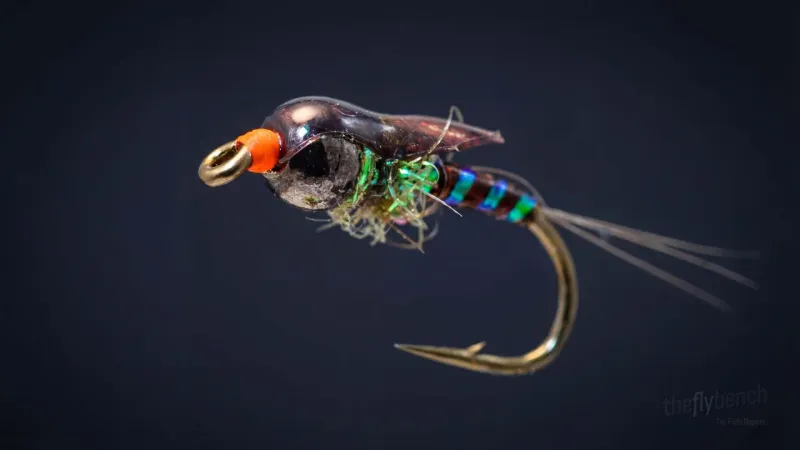
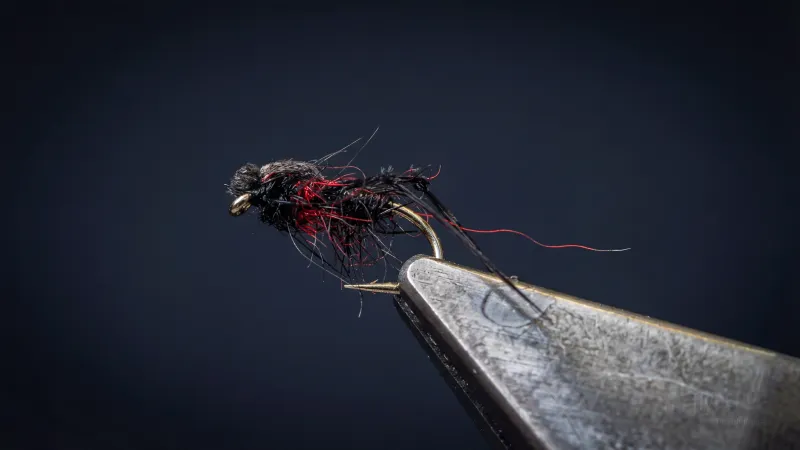
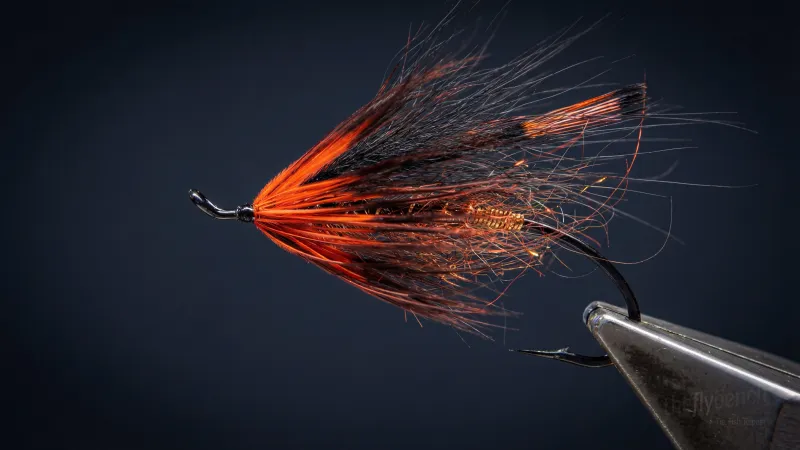
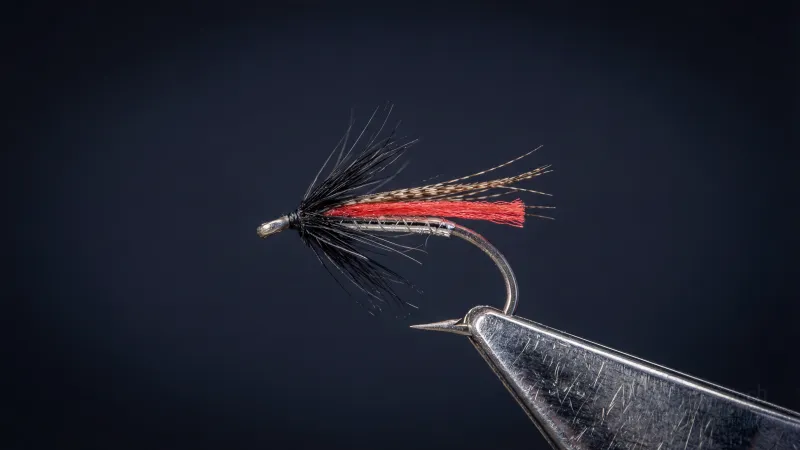
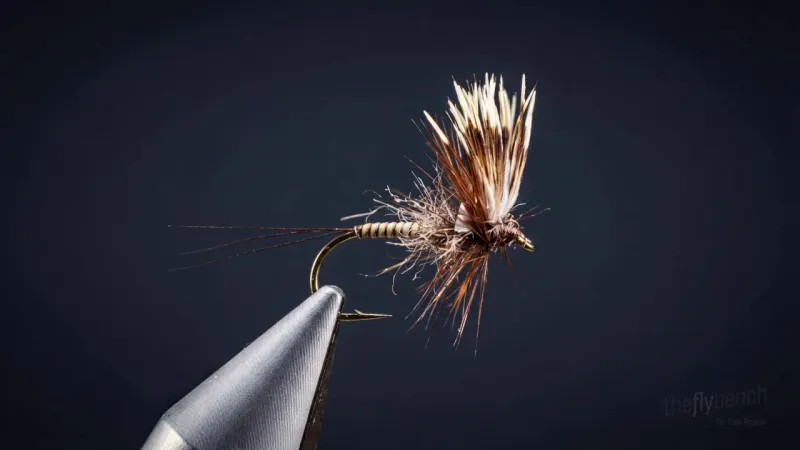
Dry FliesMcVay Gotcha
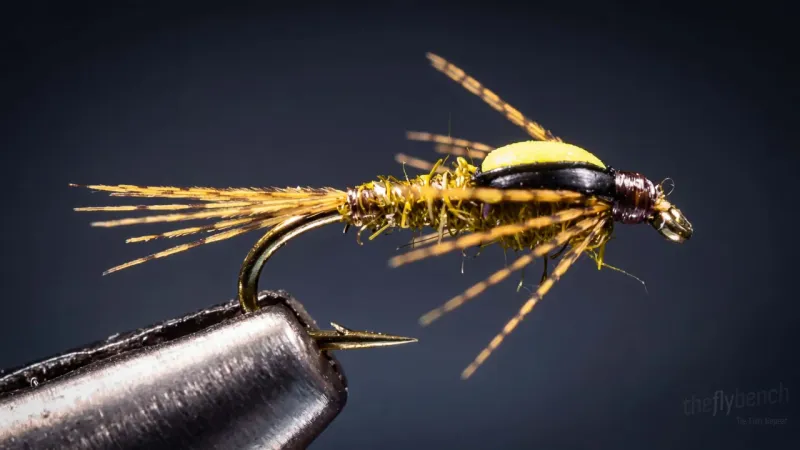
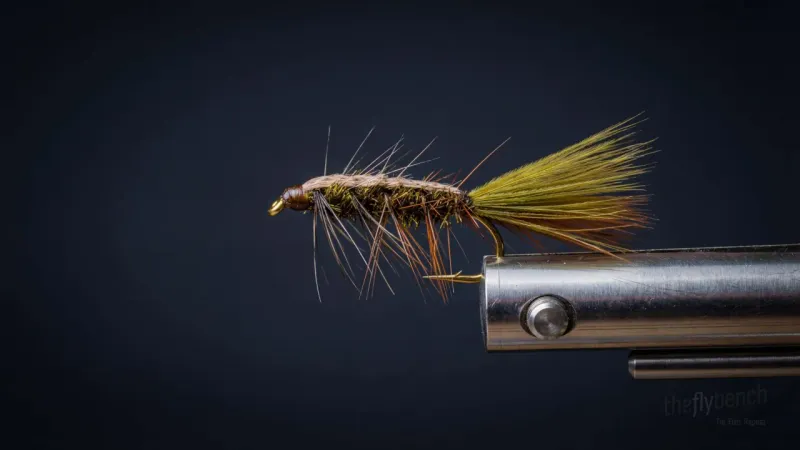
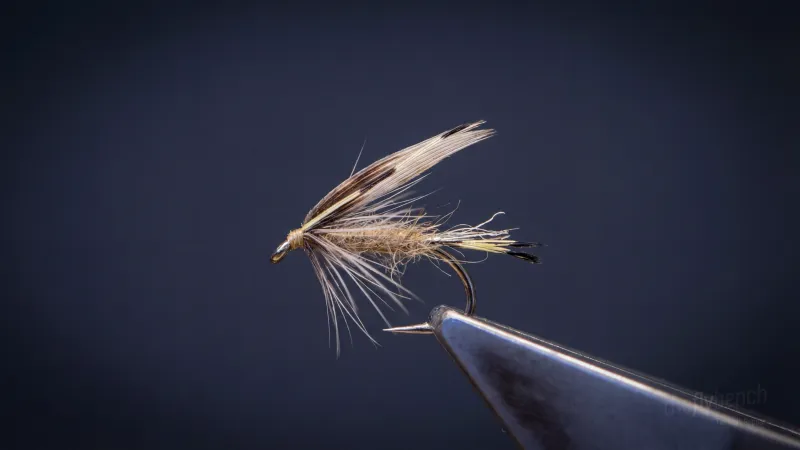
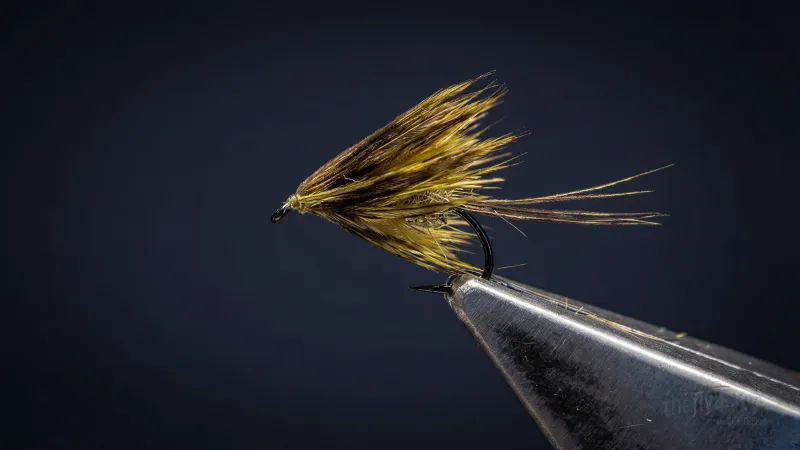
The McVay Gotcha is a dry fly pattern designed by Harrison Steeves. This effective pattern works well in a variety of water conditions and is tied with traditional materials for a proven presentation.
Spring, Summer, Fall
Intermediate
Trout
Feb 2026
Overview
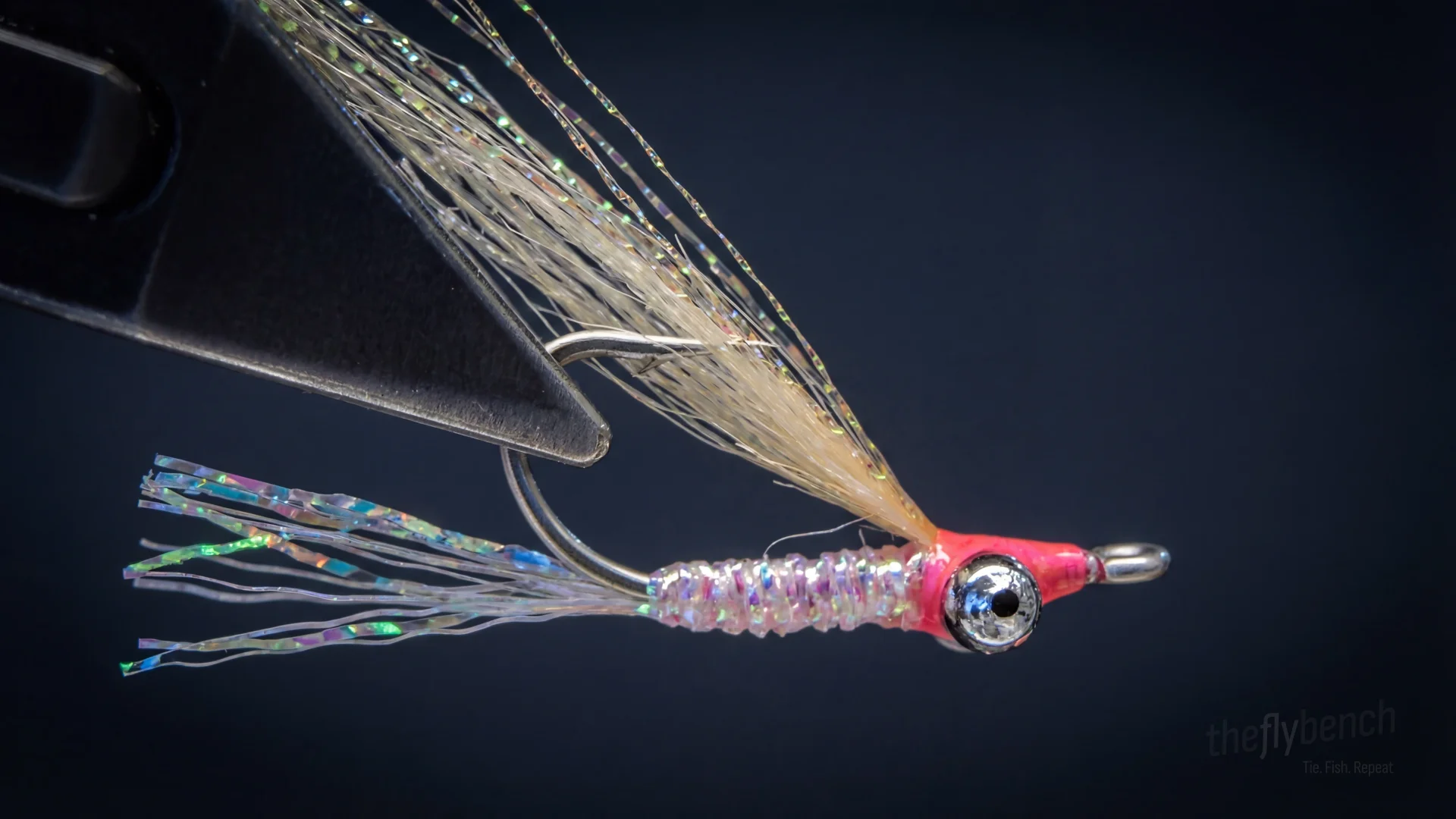
Harrison Steeves' McVay Gotcha features an innovative wing design that creates excellent visibility while maintaining a natural profile. The pattern uses foam components for durability and extended float time, critical during long drifts on technical water. Its construction allows for quick color variations to match different insects. The upright posture and clear silhouette make it particularly effective when trout are feeding on the surface in challenging light conditions.
Where to Buy This Fly
We only link to fly shops we trust. Some links are referral links, which may earn us a commission at no extra cost to you.
Materials
- Hook:
- Tiemco 811S #4
- Thread:
- UTC 140 waxed nylon, fluorescent pink
- Eyes:
- Bead chain, silver
- Tail:
- Mylar tubing, pearl - teased out strands
- Body:
- Diamond braid, pearl
- Wing:
- Craft fur, tan
Behavior & Presentation
Natural Behavior: Surface adults drift helplessly during emergence, wings drying while bodies float vulnerably in feeding lanes. Multiple material types suggest diverse prey species.
Where Trout Eat It: Fish cruise the upper water column, targeting adults drifting in seams and foam lines.
How to Fish It: Present with drag-free drifts through prime feeding zones, maintaining natural float.
Best Water: Seams, tail-outs, foam lines, and riffle edges in varied river types.
Strike Type: Confident strikes as fish respond to the versatile profile and natural drift.
Fishing Strategy
Rigging Suggestions: Use a 9-12 foot leader tapering to 5X tippet for delicate presentations. Apply floatant to the body and hackle.
Seasonal Timing: Most effective during peak feeding periods at dawn and dusk. Water temperatures between 45-65°F typically produce best results.
Pro Tips: Floats well with proper floatant application. The natural materials provide good visibility without spooking wary fish.
Entomology
Caddisflies skitter and hop along the surface film in short, unpredictable bursts as they struggle to become airborne after emerging. Trout target these easy meals because the insects' frantic movements make them highly visible and they cannot dive to safety.
- Order
- Trichoptera
- Common Name
- Caddisfly
- Organism Type
- insect
- Life Stage
- adult